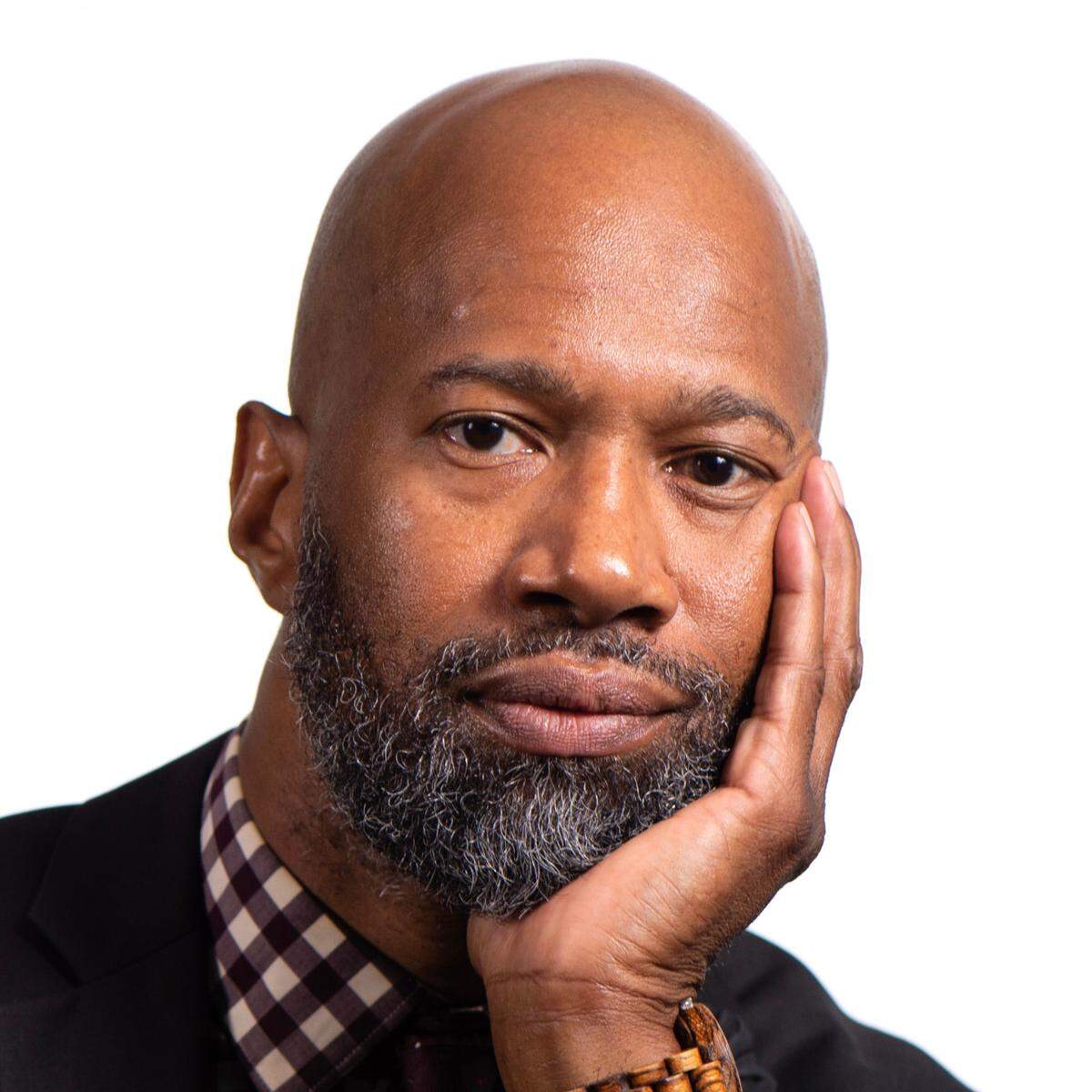
Inside coach Myron Piggie's rise, crimes and legacy, new ‘book goes deep’ | Opinion
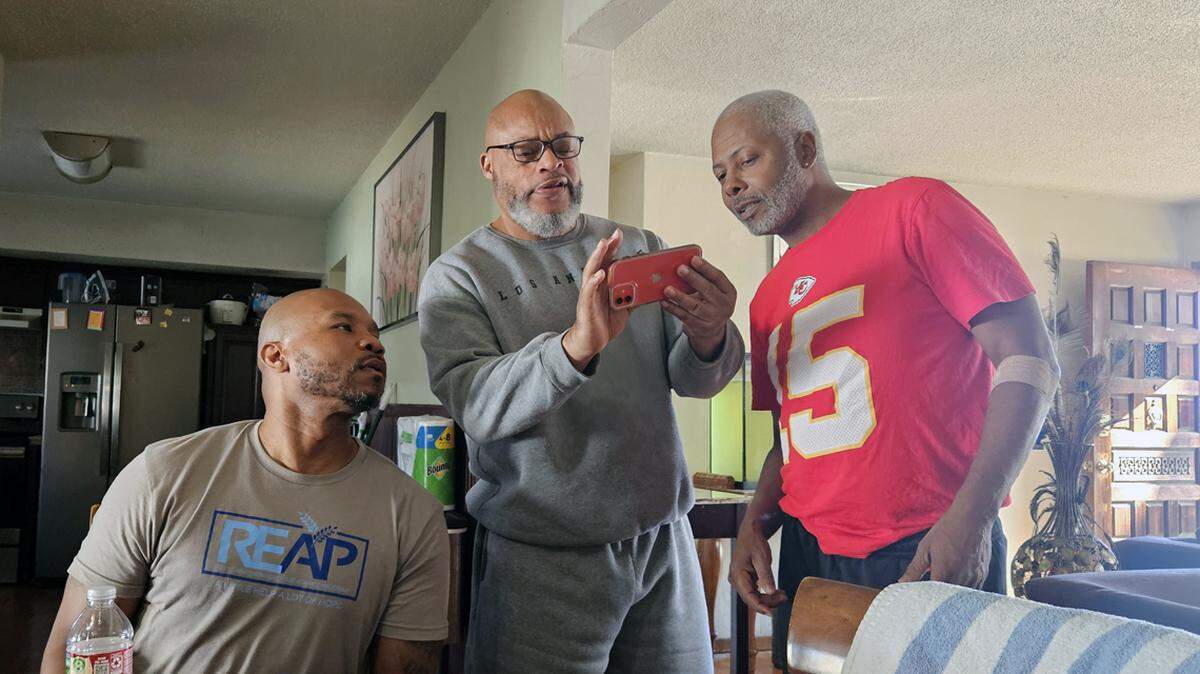
In the foreword of Michael Watson’s new book, “Myron Piggie: The Hustle(r) That Changed the Game,” the author writes: “Basketball changed because Myron Piggie existed.”
If you followed high school basketball around Kansas City during the mid-to-late 1990s, you’d be hard-pressed to disagree with Watson’s claims. Once known as the “The Godfather of AAU Hoops,” Piggie was the forebearer of what was to come in college athletics: the ability for amateur athletes to benefit from their name, image and likeness, or NIL.
“Before NIL deals, before sneaker contracts for teenagers, before college coaches parked their million-dollar careers on the backs of high school players, there was Myron Piggie,” Watson writes.
The book, which officially dropped Tuesday on Amazon.com, is based on Piggie’s life and promises to peel back some of the layers that made him such a renowned figure in the streets of Kansas City and on the travel basketball circuit, Watson said during a recent interview.
“This book goes deep,” Watson said.
In the book, the author chronicles Piggie’s rise from star high school athlete at Lincoln College Preparatory Academy in the late 1970s to one of the most-feared men in Kansas City during the height of the crack cocaine boom in the 1980s and ‘90s to renowned summer hoops coach.
“You will feel the highs. You will feel the consequences,” Watson writes. “You will walk with him through locker rooms, jail cells, and living rooms filled with both pain and pride. You will see why so many loved him, and why so many feared him. But more than anything, you will see the heart of a man who altered basketball long before the NCAA ever admitted it.”
Although the streetwise Piggie was a reputed tough guy in Kansas City, he gained national notoriety decades ago for going to prison for allegedly paying high school basketball players.
“This book is not just about the deals, the players, or the headlines,” Watson writes on page 1. “It is about a man trying to survive his circumstances, provide for his family, and change the future of kids who had nothing but a dream and one destination.”
Watson’s foreword concluded: “Nobody hustled like Myron Piggie.”
Myron Piggie’s influence on the sport
Watson would know better than most about Piggie’s influence on the sport. He is the all-time leading scorer at the University of Missouri-Kansas City and once played on one of Piggie’s Amateur Athletic Union travel basketball teams.
Back then, providing extra benefits to players was against NCAA rules — and Piggie and some of his amateur players paid the price when federal investigators started looking into his travel teams loaded with future NBA players such as Corey Maggette of Chicago, Korleone Young of Wichita and South Dakota native Mike Miller.
Local standouts Earl Watson and brothers JaRon and Kareem Rush played for Piggie, too. Although Kareem enjoyed an 8-year career in the NBA, the fallout from the federal investigation derailed JaRon’s career and he never made it to the NBA.
In 2001, Piggie was sentenced to 37 months in prison and ordered to pay more than $320,000 in restitution related to the scandal. The weight of that conviction and an unrelated one still reverberates to this day, Piggie told me recently. He is unemployed and the monthly Social Security disability check he receives is garnished by the government each month to pay back the restitution he owes.
“They gave me a life sentence,” Piggie said during a recent interview inside his Kansas City home.
Pay-for-play scandal
Between 1995 and 1999, Piggie devised a scheme to assemble elite high school basketball players and compensate them for their participation on his traveling basketball team, according to court records.
Almost two decades after Piggie pleaded guilty to one count each of conspiracy to commit mail and wire fraud and failure to file an income tax return for the pay-for-play scandal, he was caught up in a different scheme to purchase 117 boxes of frozen chickens for a convenience store he owned at the time, according to The Star.
In that case, Piggie pleaded guilty to conspiracy to receive stolen goods but instead of prison time, he was ordered to pay $7,566 in restitution, The Star reported. When he failed to do so, a federal judge sentenced Piggie to eight months in federal prison.
Since his release, Piggie has struggled to find steady employment. I’m sure having his wages and benefits garnished isn’t ideal.
I’ve written before about Piggie’s dilemma. In a previous column I maintain that the federal powers that be should consider a pardon for Piggie and waive the fines associated with his basketball scandal guilty plea. What he was essentially targeted for — paying amateur athletes — is now legal.
The feds should also consider a full pardon for Piggie’s stolen goods conviction, the true definition of a non-violent crime if I’ve ever heard of one.
In the book, Watson disputes allegations of the pay-for-play scandal that landed Piggie on the radar of federal investigators.
The vulnerability of Myron Piggie
I cracked open Piggie’s book this week and couldn’t put it down. I spent the better part of Monday zipping through the first few chapters of the 326-page book with ease — I only stopped to write this column.
Last week, I spent time speaking with Piggie and Watson about the project. During our hour-long conversation, Piggie showed a sense of vulnerability not often associated with his name. He scoffed at being labeled a bully — a reputation he said he earned in middle school.
“I protect the people that I love,” he said. “That’s what gets me in trouble.”
Piggie, 64, said he was in his 20s when his older brother Michael was killed in 1982. In the book, he recalled how he felt after his brother died.
“That broke me,” Piggie wrote. “I turned cold. Vicious. And I used everything he taught me. Every rule. Every tactic. Every survival instinct. I made it my mission to keep the Piggie name alive in the streets. And for a long time that’s exactly what I did.”
When Piggie described the impact the murder of his older brother Michael had on him, he cried. I sat in silence while Piggie gathered himself.
“Michael was everything to me,” Piggie said. “He was my hero, my protector.”
These days, Piggie doesn’t run from his past, he owns his mistakes. He said he didn’t divulge every dark secret to Watson, his former player turned author, but he found the exercise therapeutic in some ways.
Yet, it’s the lingering pay-for-play case that still hovers over his shoulders almost three decades later.
“If I was a crook, I would have been a millionaire,” Piggie said. “But I never profited off of kids.”