Memorial to African Americans in Liberty cemetery is no honor if it desecrates graves
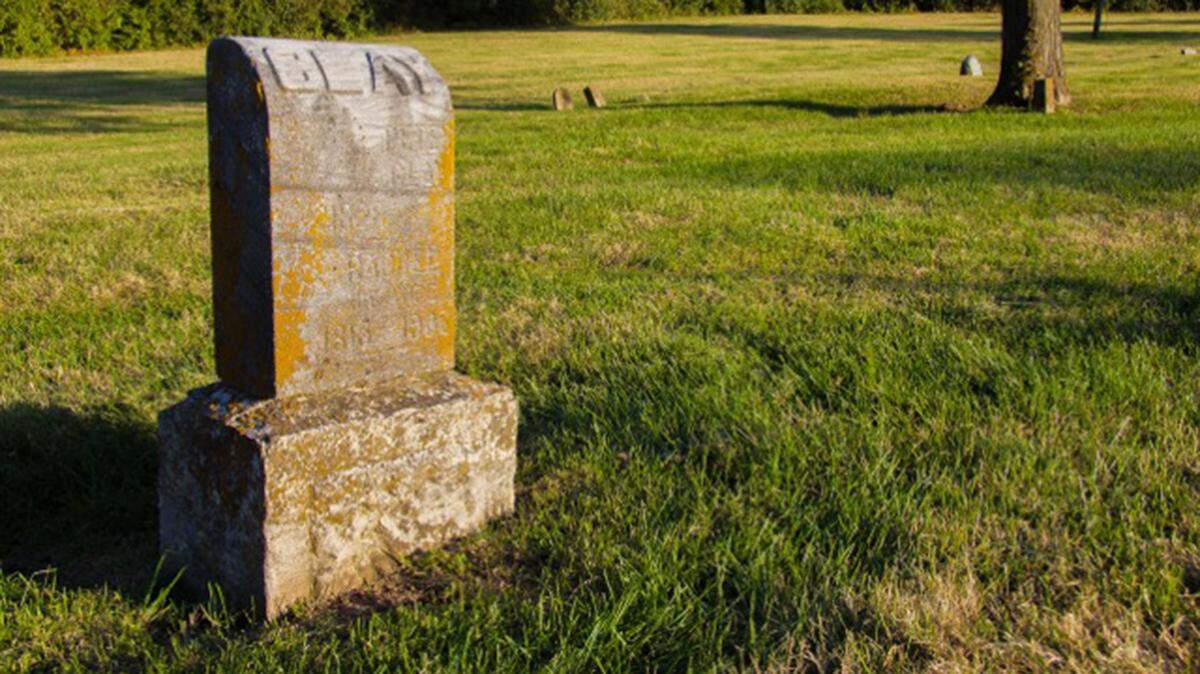
On the day William Dodd buried his brother in a low-lying area in Liberty’s Fairview Cemetery, custodians preparing the site uncovered remains of a person already interred there.
In this section, which was once segregated for Black people, there are so many unmarked graves that even a planned memorial honoring the unnamed dead there risks disturbing more unmarked burial sites.
The debate over Clay County African American Legacy Inc.’s desire to erect a memorial monument to honor the named and unnamed souls buried at Fairview has pitted the group against cemetery volunteers and a researcher who’s worked with the group for years, identifying names and chronicling the lives of the dead.
The group has worked on the project since 2018 and raised $160,000 to pay for it. The new granite monument would measure 4 feet tall, 10 feet long and weigh 7,000 pounds.
By all accounts, this is going to be a beautiful memorial that is intended to not only honor those buried there, but also to remind everyone who visits that Black people were very much a part of the development of Clay County, one of the seven Missouri counties that held the most slaves. During the Civil War, 1 in 4 people in the county was Black.
I understand that those buried here were disrespected in death as in life, and applaud the idea of a monument. But not if it means disrupting the graves of the very souls it’s intended to celebrate.
Everyone involved in this spat agrees that a memorial is needed. “The problem is where they want to put it,” said Krislin Fenner, who volunteers at the cemetery. “With the number of burials in that area, it makes it pretty logical that if you dig anywhere, you are going to hit someone.”
Michelle Cook, a local researcher, has found the names of hundreds of African Americans buried in the cemetery. She’s tried to convince the Legacy group to find an alternative spot. “It makes no sense to attempt to rectify historical wrongs by creating another wrong,” Cook said. Those committed to the memorial, like Shelton Ponder, Legacy co-chair, are confident they’re doing the right thing in the right way.
“That’s the only place to put it, the best place,” said Ponder, who is Black, a poet and playwright. His family has lived in Liberty for 200 years and his ancestors are buried at Fairview. To him it’s “a sacred place.” The group plans to install the memorial monument this summer for Missouri’s Bicentennial.
The six acres — known to some as “the potter’s field” and to others as “the Black section” — is a strip of land backing up to a creek on the far eastern part of the cemetery. An isolated and less desirable section of the graveyard, it was set aside for Black people 164 years ago when the city of Liberty established the cemetery in1858.
I walked across the soft cemetery earth and saw a field full of depressions which Cook, the researcher, believes is an indicator of sunken graves. You can see a few tiny headstones poking up randomly from the soggy, hallowed ground. The rest of the area holds unmarked graves.
Archival research shows the site was full by 1897, Cook said. But it’s clear from markers that people were still being buried there for many years after that.
Harold Phillips, co-chair of the Legacy group and a Liberty City Council member, says if workers installing the memorial encounter any remains, “We will just move the monument a bit,” until they find a clear spot.
And if they keep coming across remains, will they just keep moving it?
“This is not some flippant project,” Phillips said. “It has been one of the most significant things I’ve ever done.”
Yes, it’s significant. But it’s unsettling to think that graves are likely to be disturbed. Surely the project can find a place to put the monument that would not run that risk.