Kansas City artist, Black magazine and the Nelson-Atkins Museum need to build bridges
Last summer when my niece, an art student in New York City, came for a visit to Kansas City, she and I, along with her mother, spent a few hours strolling through “Testimony: African American Artists Collective,” a Nelson-Atkins Museum of Art exhibit featuring works by Black Kansas Citians. It’s the first in a new series highlighting local artists.
At the time, I had no idea that as we admired and discussed many of the extraordinary two- and three-dimensional pieces on display, that behind the scenes a squabble was beginning between one of my favorite spots in the city — the Nelson Atkins — and a Black-owned local magazine.
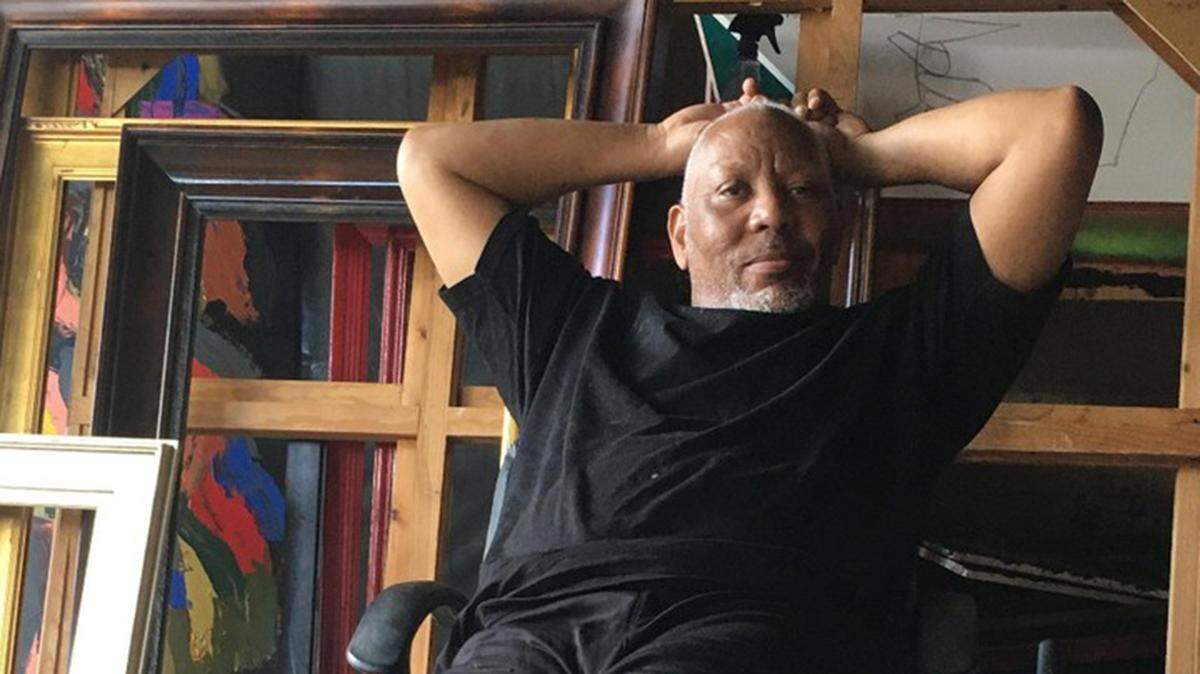
One of the artists whose work we fell in love with that afternoon, Harold Smith, wound up getting caught in the middle of it all. The issue? Whether the museum was truly supporting Black artists and Black businesses. And as such situations often do these days, much of it played out online.
The quarrel resurfaced over social media last week when Smith posted on Facebook that an article, “Shame on the Nelson Atkins Museum,” published in September, by Kansas City Black Magazine, used his art work without his permission. And if you know anything about artists, they are really particular about any unapproved altering of their work — as they should be.
Smith said in the post: “I did not give my consent. … I was not aware of the allegations being made. … I have no idea who wrote it. … I hope they would remove my artwork since it was altered and used without my permission.”
When Smith and I later talked, he said his work was “out of focus.” He was also annoyed that the magazine logo was embedded in an upper corner of the image posted with the article, which scolds the museum for not responding to the magazine after what the publication’s founder, Kareem Jackson, said were some 200 attempts to connect.
The Kansas City Black Magazine article did give big props to Smith and the more than 30 other Black artists shown in “Testimony,” which opened June 5, 2021, and runs through March 27. It also recognized that this first-ever Nelson-Atkins exhibit is a big deal for Kansas City artists and the community. And it plugged a few Black-owned local art galleries, because as Jackson told me, the magazine is all about promoting Black entrepreneurship. In fact, full disclosure: The Star partnered with Kansas City Black Magazine last year on a Black business directory during the holidays.
But the article also said, “Sadly, the Nelson has not engaged with any black KC media to celebrate, showcase, promote, and ADVERTISE this first-of-its-kind exhibit.”
But that’s not true, said museum spokeswoman Kathleen Leighton. The museum advertised the exhibit in Black newspapers in Kansas City and in community and regional news outlets, including radio. “We shared word in outlets we felt were strongly connected in the African American community,” she said.
The museum did communicate via LinkedIn with Jackson in August, but did not receive subsequent emails that Jackson said were later sent by the magazine to the museum. Leighton doesn’t think 200 messages were sent though because, she said, those messages weren’t sent to the right people, and the people who received the requests didn’t pass them on to the right people. If that’s true, it sounds like this is more likely a case of missed communication. The next time they communicated was the day the magazine piece published.
Jackson told me that the magazine had not intended harm to Smith. And he has promised to add a disclaimer that the commentary’s views may not be shared by the artist. That hasn’t happened yet. But it should, and soon, because Smith’s art is getting a lot of national attention now that it is featured along with the works of several other Black Kansas City artists in the show “Bel-Air,” a dramatic remake of the 1990s NBC sitcom “The Fresh Prince of Bel-Air.”
And Smith said he is “concerned” that using his art to take to task a museum that not only is exhibiting his work, but has also purchased a piece for its collection, could turn off other galleries and museums looking to showcase his art.
Jackson says his magazine was hurt because it seemed to him that museum officials ignored his business and missed the idea that promoting Black art can also help support Black businesses like his.
As for the museum, it wants to preserve and expand on work it’s done to strengthen its relationship with the local Black art and business communities.
“We just feel really strongly that ‘Testimony’ and what we did has been a remarkable experience” done with “the intention to be inclusive and to recognize connection with Black members of our community,” Leighton said.
Plus, while “Testimony’‘ is the museum’s first full exhibit of works by Black Kansas City artists, it definitely has shown historical African art and works by other Black artists, such as Nick Cave.
So I’m just hoping that all parties involved here can do the right thing and mend this fence. Because what is really clear is that Kansas City has some gems here in its museum, its Black businesses and its talented artists. They need one another and the city needs them. Just ask my niece. Being at the museum and viewing that exhibit enriched her life and mine. And I, for one, want to see more exhibits like this at the Nelson-Atkins and other spaces in Kansas City.
This story was originally published March 1, 2022 at 5:00 AM.
CORRECTION: This column has been updated to state that a representative for the Nelson-Atkins Museum of Art communicated with Kareem Jackson via LinkedIn.