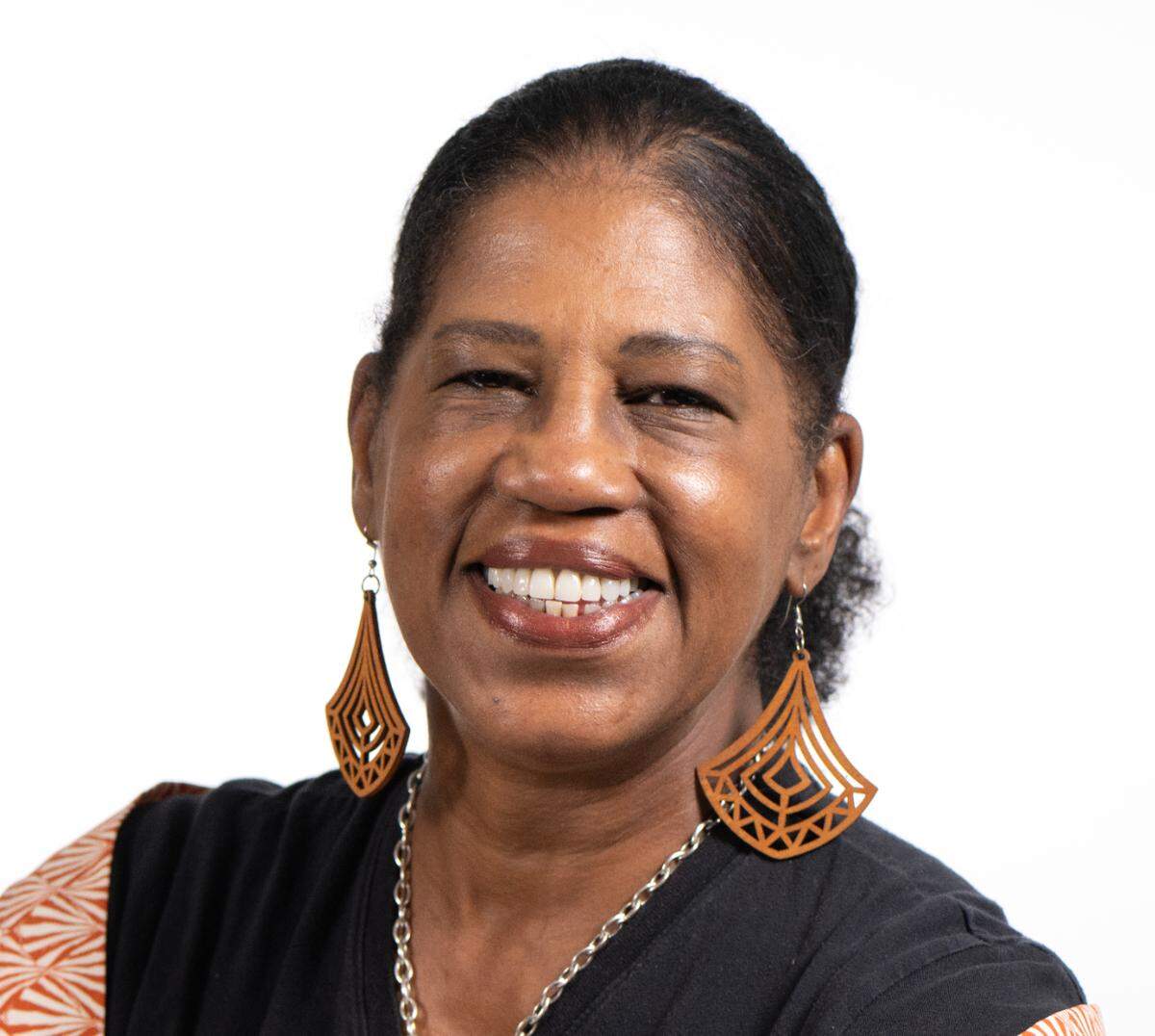
On Black joy: Rooted in the struggle, it is rebellion and the pursuit of life, love
READ MORE
What does Black joy mean? We asked Kansas City to tell us
For Black History Month, The Star sought to highlight Black joy. Here are the moments and the words you shared that illustrate what Black joy means to you.
Expand All
‘Black joy means everything’: Kansas Citians highlight moments that uplift them
On Black joy: Rooted in the struggle, it is rebellion and the pursuit of life, love
You shared moments of Black joy. Now tell us, what stories should The Star tell?
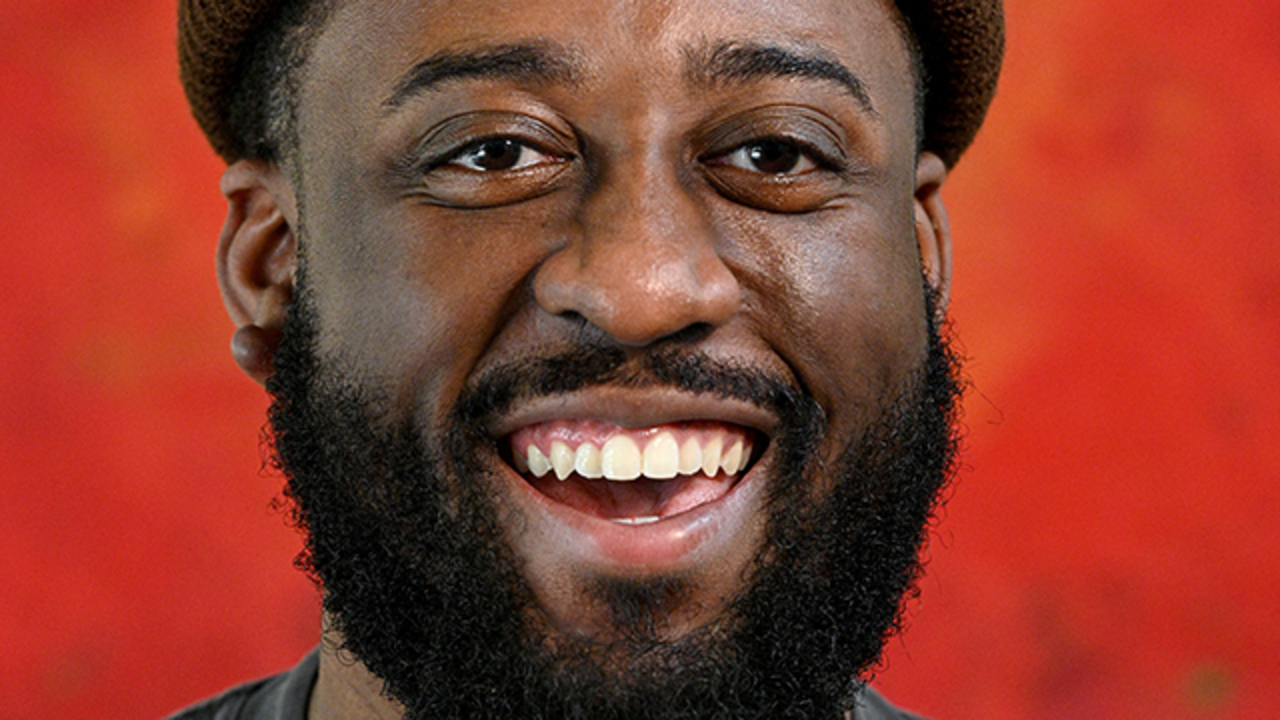
Why Black joy is important to me: Muenfua Lewis, creative professional
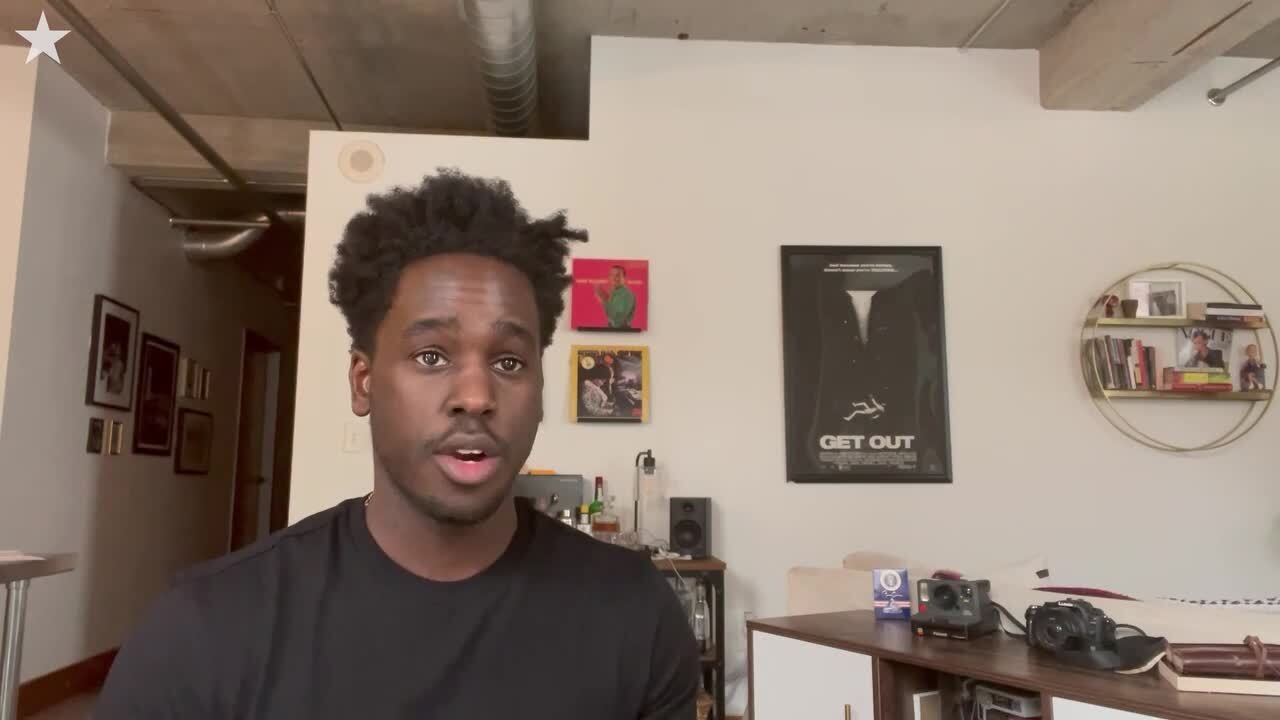
Kansas City Star editor explains the story behind the Black Joy project
As we ground ourselves in the middle of Black History Month — started nearly 50 years ago to observe and celebrate the Black diaspora — it is fitting to talk about the concept of Black joy. So let’s do that.
Taking up this topic reminded me of when I was a cub reporter on the East Coast. At that time, whenever there was an issue in Stamford, Connecticut, involving Black folks, from education to politics to crime, editors would assemble the “usual suspects” of Black leaders in the community and ask the question: “What’s the Black agenda?”
Because of course we hold weekly meetings to form, discuss and universally agree on our latest slate of issues. It made me laugh.
Black joy is a little different I’ve decided. No, it’s not one thing. Nor is it easily defined. That’s why this is challenging. There is, however, a common understanding of Black joy among us Black folks even if individually the way it manifests in our lives looks different.
The root of it is planted in the same place.
The current romanticism of Black joy is rooted in the struggle for Black Joy. Its value was accrued through the blood shed, and the bodies broken — from Reconstruction through the Jim Crow and Civil Rights eras. Black people have always understood the necessity of joy. It’s why for generations we created our own institutions and spaces — fraternities, churches, the likes of the NAACP, and Historically Black Colleges — where expression is safe.
Black joy takes so many forms. It is important for us to recognize the fabulousness of Black people, their gifts of music, art, scholarship, athleticism, innovation, creativity, service, philanthropy and more. It’s an expression of our humanity.
Some will certainly counter that everyone deserves joy and space, and I don’t disagree. But what I want you to understand here is that for Black people in this country the pursuit of joy and the promotion of its existence in our lives is profoundly vital — and always has been — to the well-being of the people and the health of our culture. That’s why we’re highlighting Black joy. It’s why we need to.
The Kansas City Star in 2020 acknowledged its participation in spreading a distorted narrative about people of color and published an apology for having misrepresented and ignored Black lives in Kansas City for decades.
In the midst of what is supposed to be this nation’s racial reckoning, ignited two years ago, after the unjust killings of too many of us by bad police and unhinged racists, I’ve been watching Black Millennials and Gen Zers flip the switch on Blackness. On social media they denounce the stereotypical image that white America for generations painted and promoted of Black people as poor, downtrodden, victims. Black Americans, the young affirm, are not a pathology. I celebrate that truth. And as a journalist I have sought to illustrate it.
Much is being said these days about Black joy. But this is not in an effort to erase stories of an oppressive past. Our history, all of it, belongs in classrooms and attempts to ban teaching children about race and the Black experience in America is more racism.
But, as Lindsey Stewart, author of “The Politics of Black Joy,” told me, “I think that maybe we just want different stories that are not tragic.” Celebrating our joy and promoting stories of triumph, family, and spirituality, she said, “is a way of being able to say white people don’t get to dictate our whole story.”
Because they can’t tell stories they have not lived. And Black joy is so deeply ingrained in Black life that most of white America knows nothing about it.
The laughter engulfing a heated game of spades at a backyard barbecue, two-stepping at a club in the Historic 18th and Vine District, or the familiar sound: “preach,” from an elder in the front pew at church. All are expressions of Black joy.
In some ways it is our defiance in a world that on every level has sought to crush our joy. “And Still I Rise,” poet Maya Angelou wrote in her 1978 poem by the same name about the beautiful resistance, resilience and strength of Black people. Because among marginalized people, acts of joy are not only a form of rebellion but also a deep acknowledgment of life, love and connectedness.
Affirming ourselves is an activist movement because Black lives do matter. And it’s healing. So we see Black women letting out our hair, loving our shapes and forms, the fullness of our lips and not expecting, or caring for that matter, whether the majority believes that’s beautiful, because we know it is. We donned Afrocentric garb and celebrated Chadwick Boesman’s Black Panther and the entourage of beautiful Black women that buttressed him. Oh yes, that was definitely Black Joy.
I discussed Black joy with a new friend, Randal Maurice Jelks, who teaches African and African American Studies at the University of Kansas. It took him back to boyhood. His grandfather, who from 1917 to 1957 was a railroad porter in New Orleans, carried other people’s luggage Monday through Saturday. But on Sunday his grandfather was ”spic and span,” in his Sunday-going-to-meeting clothes — suit pressed, shirt starched and shoes polished to a shine. The porter was what he did, but dapper is who he was. His joy and Jelks’s too.
In some ways today Black Americans still feel like they’re carrying the luggage, suppressing their truest selves in white spaces. Black joy is freedom. Freedom to exercise rights claimed without fight and struggle by the majority. The right to vote, the right to protest, the right to learn equitably.
I find joy in seeing my two sons living out their aspirations as successful professionals. Black joy is all of these things and so much more.
But if I had to choose an ultimate example it would be this; seeing the tears that welled in the eyes of old and young who together watched the first Black man sworn into the highest office in the land. Yes, most of the country celebrated Barack Obama in that moment. But that was Black joy too.
This story was originally published February 20, 2022 at 5:00 AM with the headline "On Black joy: Rooted in the struggle, it is rebellion and the pursuit of life, love."