
Driving in downtown Kansas City is a nightmare right now. That’s great | Opinion
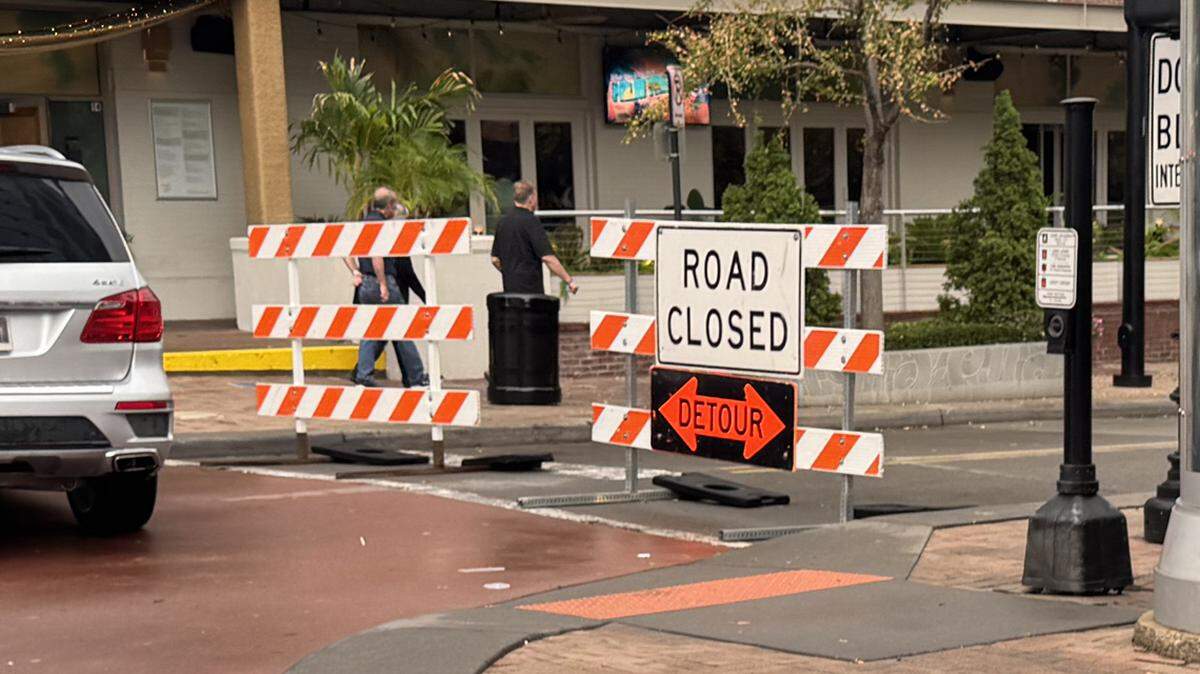
Navigating the streets in downtown Kansas City is more difficult than ever these days. Broadway Boulevard’s pavement is torn up for resurfacing from Southwest Boulevard to Seventh Street. Road closures interrupt traffic all around the long-overdue reworking of Barney Allis Plaza. During Thursday’s evening rush hour, it took one member of this board more than 20 minutes to drive Main Street from Pershing Road up to 12th.
That’s pretty fantastic, really.
Because those inconveniences for motor vehicles are a sign that things are moving into the future — and everyone in the region should be happy about that.
Those of us who’ve lived here for any significant amount of time remember all too well how our downtown seemed to be at death’s door not so long ago. In the 1990s, if you walked from The Star’s old brick building in what wasn’t yet known as the East Crossroads all the way to the north edge of what’s now the T-Mobile Center, you passed more shuttered storefronts than thriving businesses. There were plenty of empty spaces in crumbling parking lots, but no big apartment towers and few places to eat or otherwise spend your money.
In 2002, The Star commissioned a scientific poll of adults in the five-county Kansas City region about the city center. One of its questions asked how many times they’d been to the area from the Missouri River to Crown Center in the past year. A combined 53% answered they’d been a couple times or fewer. Why? “Nothing that interests you” also got 53%.
That’s hardly the case in 2025. The Kansas City Repertory Theatre’s Copaken Stage, The Truman, recordBar, T-Mobile Center and the stunning Kauffman Center for the Performing Arts have joined the stalwart Midland, Music Hall and the Folly to attract huge audiences for music, comedy and drama. An ever expanding number of restaurants draw diners to their tables, and the KC Live! Block in the Power & Light District has become a favorite place for sports fans to gather and watch our teams’ most important away games.
CPKC Stadium, riverfront housing
The expansion’s not over, by a long shot. There’s a renewed push to build a new 5.5-acre park, turning Interstate 670 into a tunnel from Grand Boulevard to Wyandotte Street. Developers are evaluating old properties in disrepair with an eye toward rehab or replacement. The new CPKC Stadium is on track to be joined by a whole neighborhood of mixed-use business and residential construction along the riverfront, along with an extension of the KC Streetcar line.
“When economic development is done the right way, it drives wealth,” said Bridgette Williams, executive director of the Heavy Constructors Association of Greater Kansas City. “It fuels prosperity and creates opportunities that flow back into our communities. People invest more, businesses grow and neighborhoods thrive. Look at what we’re seeing in infrastructure right now — the expansion of I-70, critical bridge repairs, the new Buck O’Neil Bridge, utility upgrades and the streetcar extension. Each of these projects is more than concrete and steel. They represent progress, jobs and a stronger foundation for the future of our region.”
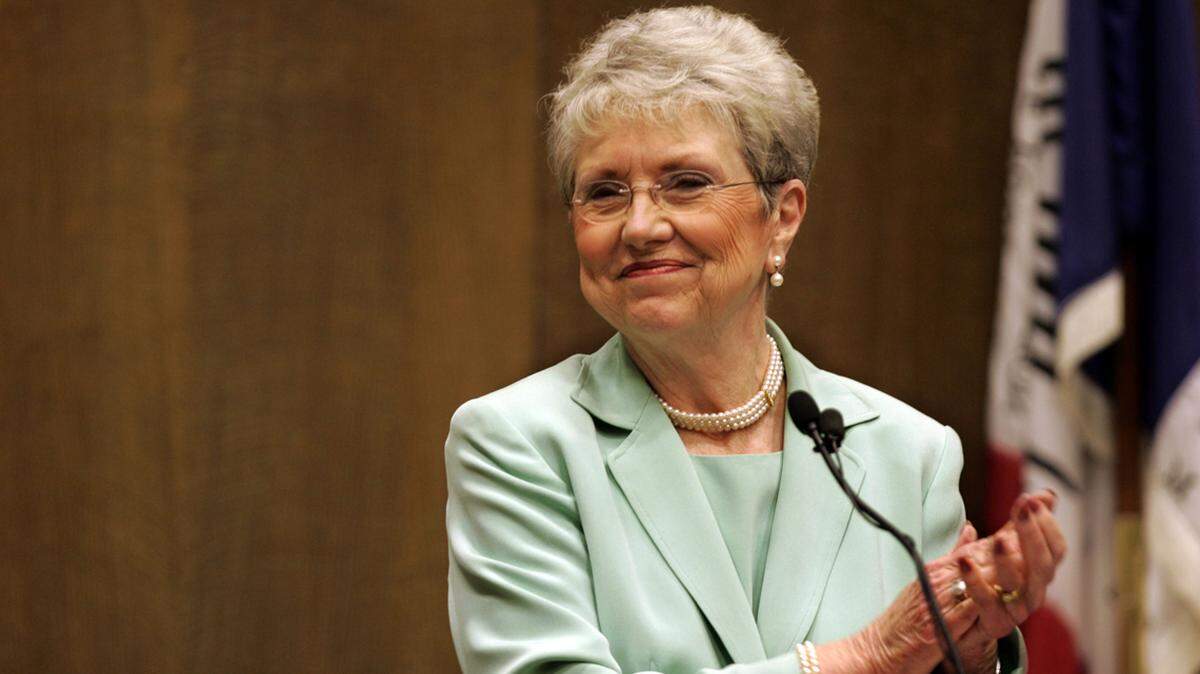
Like former Mayor Sly James, we tip our hat to the vision of one of his predecessors, Kay Barnes. Kansas City’s first woman mayor “wasn’t out for credit. She was out to get things done,” James told the Kansas City Economic Development Corporation. “She listened. She led with humility. And she never flinched.” The Power & Light District and Sprint Center would never have been built without her cheering them on.
It’s true that the P&L doesn’t turn a profit for the city — the bonds issued to build it still don’t cover its costs. However, we still believe wholeheartedly it’s a net positive to have transformed an ugly void at the heart of the city into an entertainment hub people leave the suburbs to visit. It was a primary catalyst for other new attractions nearby, and has brought a vast improvement in quality of life to everyone who lives and plays downtown. That matters.
Housing, transportation challenges
“Downtown is the heart of our region,” said Jon Stephens, president of Port KC, which is less port authority and more a primary guiding hand of economic development. “As we look to the next decade, we must continue to build density and residential population from the riverfront to Crown Center. We are well on the way, but our goals should be ambitious. I believe we should target 100,000 downtown population, which would help support a true 24/7 environment.”
Yes, ambitious is the right word. And no, we’re not Pollyanna about our challenges. Like almost every other metropolitan area in the West, Kansas City hasn’t found the answer to the chronic lack of quality affordable housing. Despite efforts to crack down, antisocial all-terrain vehicle and motorbike riders keep harassing and endangering pedestrians, especially on weekend nights. And vandalism, property crime and assault remain real-world threats — as they do anywhere human beings come together in large numbers.
We also have ongoing concerns about our leaders’ lack of foresight and urgency on public transportation. The metropolitan area’s epic sprawl in many directions isn’t conducive to comprehensive bus service, and the useful idea of light rail to Kansas City International Airport is an impossibility with our existing bridges. Extension of the streetcar into the underserved East Side is still a pipe dream. The World Cup host committee KC2026 announced 200 new buses to move the expected visiting 650,000 soccer fans to matches and hotels next summer. It’s a great step, but even that works out to 3,250 people per bus per trip — so clearly, we need some more creative problem solving.
We believe that’s possible. It’s corny to quote the old Rodgers and Hammerstein song, but if you could get an “idy of whut the modren world was comin’ to” here in the 1940s, we have a clearer vision today. Kansas City is on an upward trajectory, and we can still progress while we strive to perfect the path. So if you sometimes have to idle behind a line of cars for another cycle of red lights, or take a different route to avoid a street blocked off, remind yourself: That’s the price of living in the big city.