Missouri can’t put gates at every railroad crossing, but here’s how to reduce crashes
READ MORE
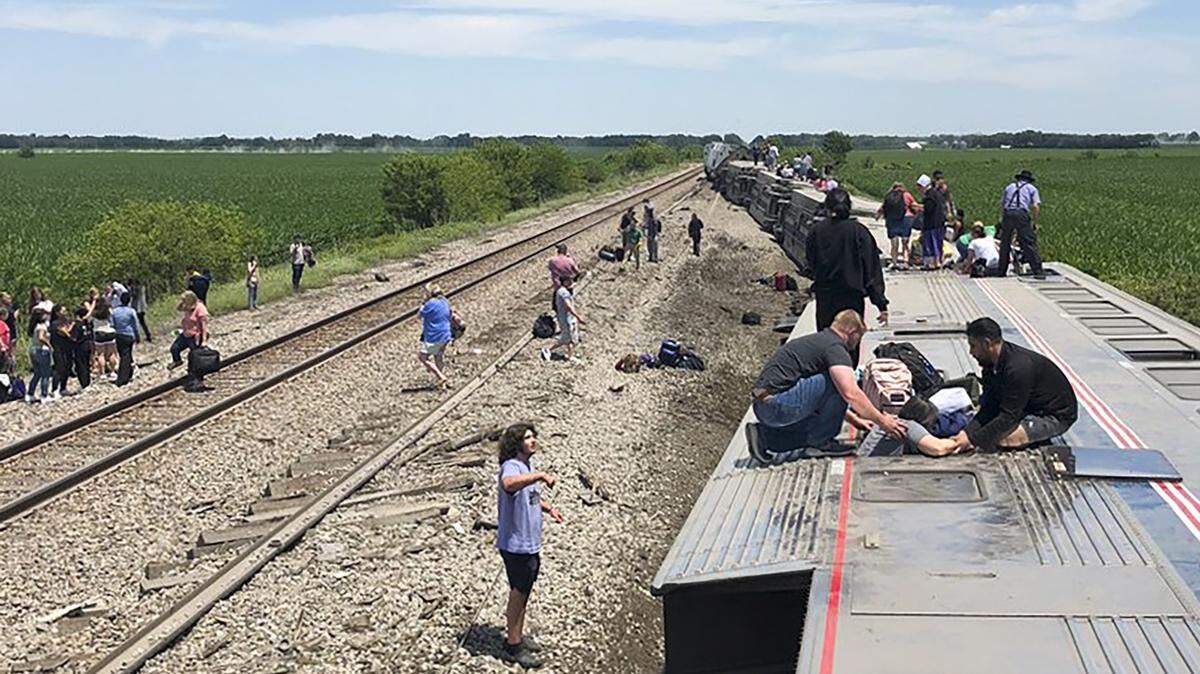
Amtrak train derailed in Missouri
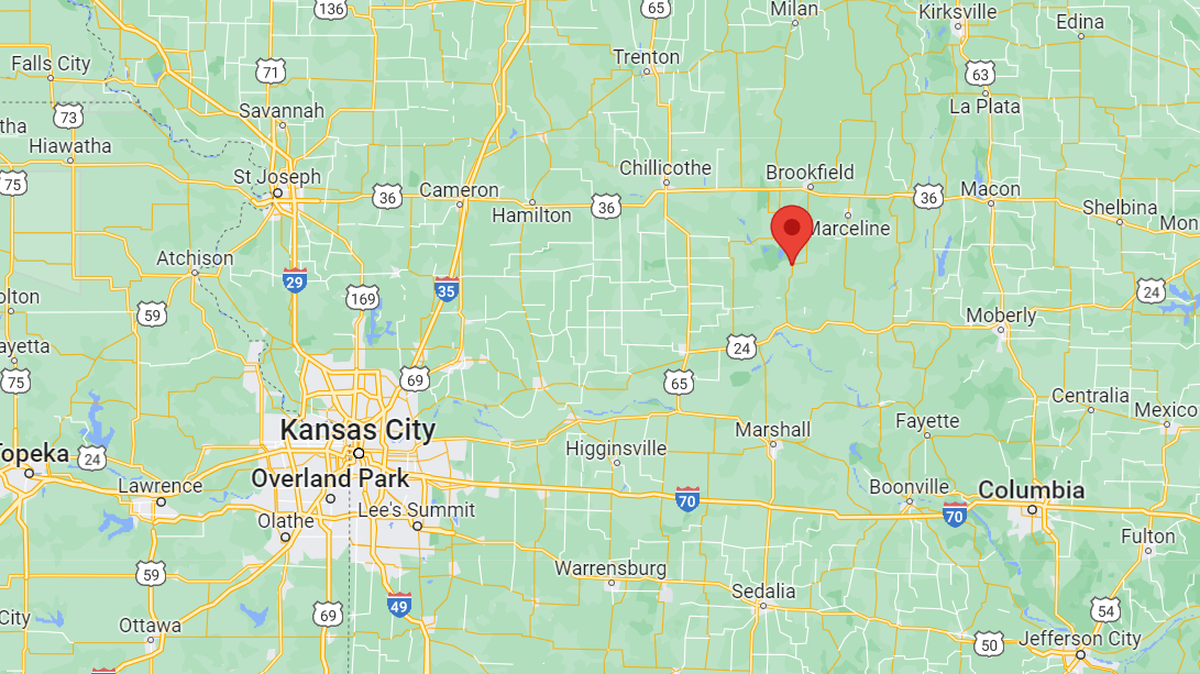
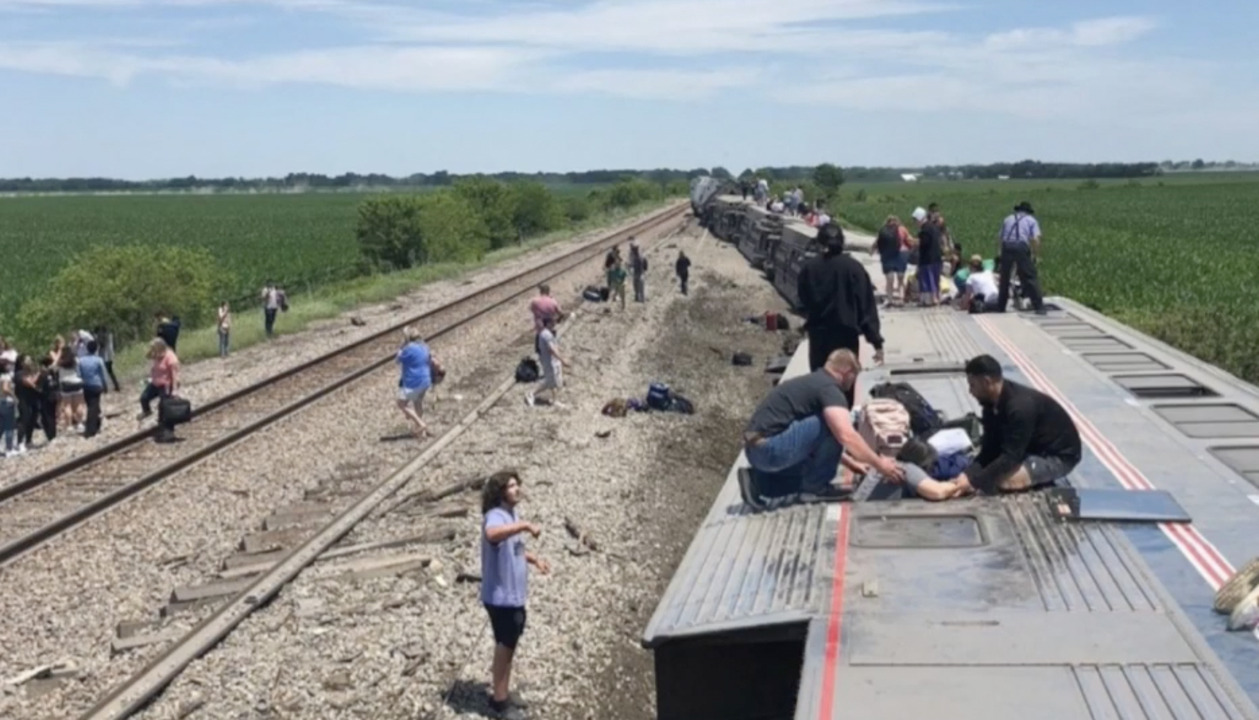
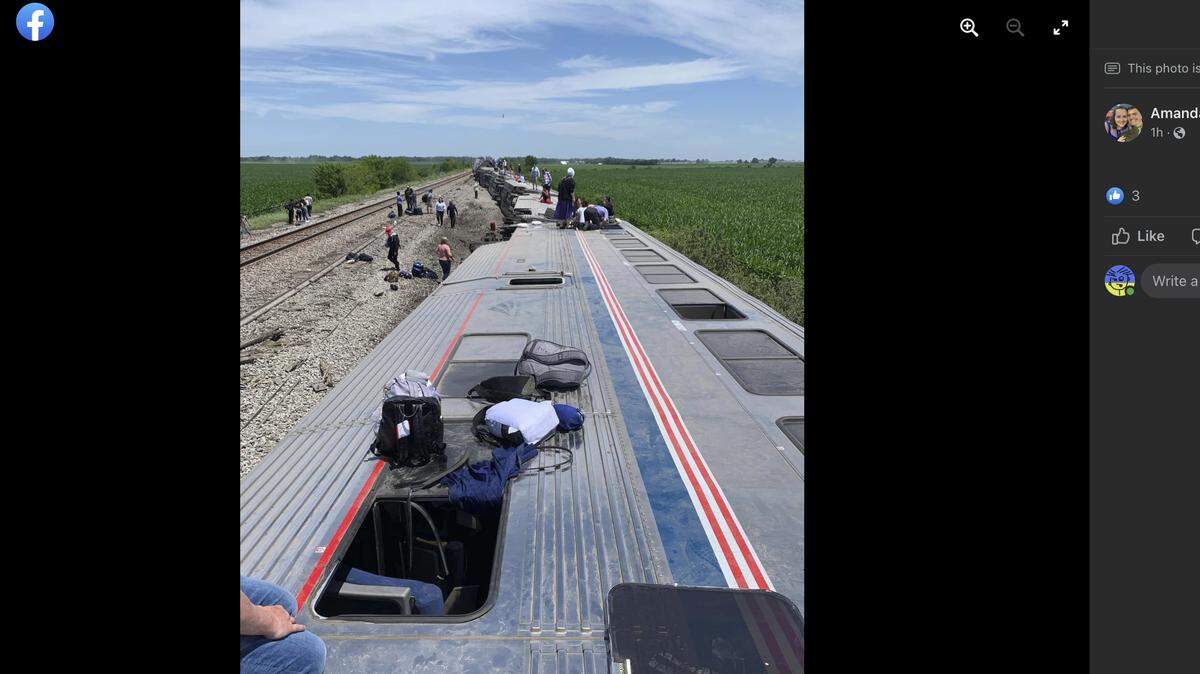
An Amtrak train traveling from Los Angeles to Chicago with more than 200 passengers onboard derailed Monday afternoon after it struck a dump truck at a crossing in northern Missouri.
Expand All
After at least four people were killed and approximately 150 injured in Mendon, Missouri, when an Amtrak train struck a dump truck at an uncontrolled rail crossing and derailed, folks might wonder how rare that kind of accident is. Not as rare as you might think: Half the rail crossings in Missouri and 80% across the country have no warning devices that could save lives. That’s a considerable challenge, but something needs to change.
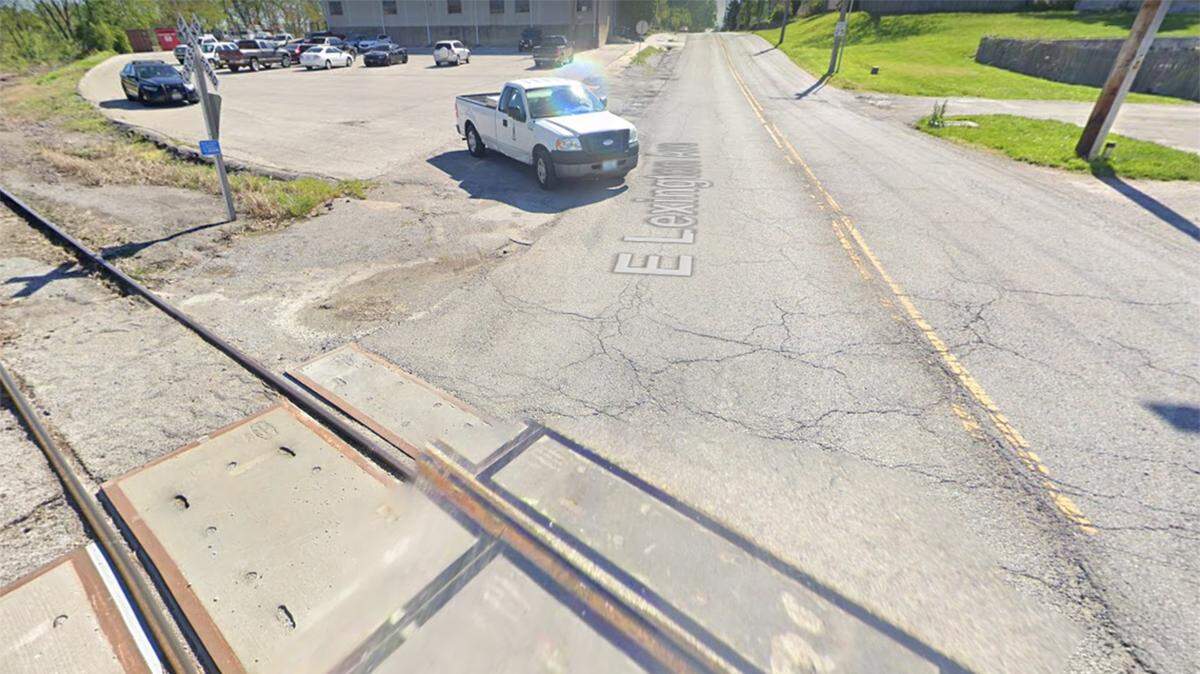
Most of the 4,381 public highway-rail crossings in Missouri are in rural areas, but surprisingly, there are crossings with no warning systems in the Kansas City area. One member of The Star Editorial Board travels past at least two of them three times a week at East Kansas Avenue and East Lexington Avenue in Independence. There are signs but no gates, no lights. At a larger crossing less than a block away at Noland Road and East Walnut Street, there is a warning light — but there’s also a traffic signal that often results in at least one car stopped directly on the tracks with cars lined up behind. Scary.
In the five-year period from 2016 to 2020, there have been more than 200 train-vehicle accidents in Missouri, including nearly 40 in the region composed of Jackson, Clay and Cass counties, according to a Missouri Department of Transportation report from this year.
If you were thinking the odds of getting hit by a train might be about the same as getting struck by lightning you’d be wrong. According to the federal National Transportation Safety Bureau, a person or vehicle is hit by a train nearly every two hours, and yet safety devices at road-level rail crossings remain sorely lacking.
Nearly 1,000 people are killed in train-related accidents across the country every year, and most of them at rail crossings. That statistic includes pedestrian deaths as well as those in vehicles.
So it makes sense that adding warning devices to alert motorists of an oncoming train saves lives. The numbers are alarming, especially this one: When train-vehicle accidents occur at night, half of the time it’s because a car ran into the train in the darkness.
Yes, it’s expensive to upgrade these rail crossings. In Missouri, each project would cost an average of $400,000. “Missouri only has $7.5 million annually to do these upgrades,” said Linda Wilson Horn, a MODOT spokeswoman. “We work on these but there is just very limited funding available for it.”
She’s right. Consider that there are more than 1,600 public crossings in Missouri without lights or gates. That’s several hundred million dollars worth of upgrades. But they don’t all have to be done at once. From 2017 to 2020, MODOT completed about 20 such projects each year.
In addition to $6 million in federal funds, Missouri pulls in $1.5 million each year from a 25-cent state motor vehicle licensing fee to improve crossings.
Nobody wants to see taxes or fees increased, and 25 cents is hardly all that much. Doubling that fee would allow the state to enhance about four more crossings a year. Repairs are costly and critical, and so are with increased education about the dangers of railroad crossings. Drivers need to remember that in the case of car versus train, the train always wins. Tougher enforcement is also necessary.
Making crossings safer would be money well spent.
This story was originally published June 28, 2022 at 3:37 PM.