
Kansas City schools can’t afford wishful thinking about student drug use. Get Narcan
Leaders at school districts who believe none of their students are using potentially deadly opioids, and so they don’t need to keep lifesaving doses of opioid-antagonist medication in stock, are just fooling themselves.
“Drugs in our schools are more of an issue than guns in our schools,” said Jason Roberts, president of the Kansas City Federation of Teachers. “A gun can be detected through a metal detector, but there is no drug detector.” He added: “This is not an urban problem; it is a national problem. And if anyone, anywhere thinks this is not an epidemic, they are wrong, because it is.”
We already know about an explosion of fatal opioid overdoses across the country, including among teens and young adults in the Kansas City area. Kansas City area law enforcement have warned teens, schools and communities about the role of fentanyl-laced pills in the rise in overdose deaths here
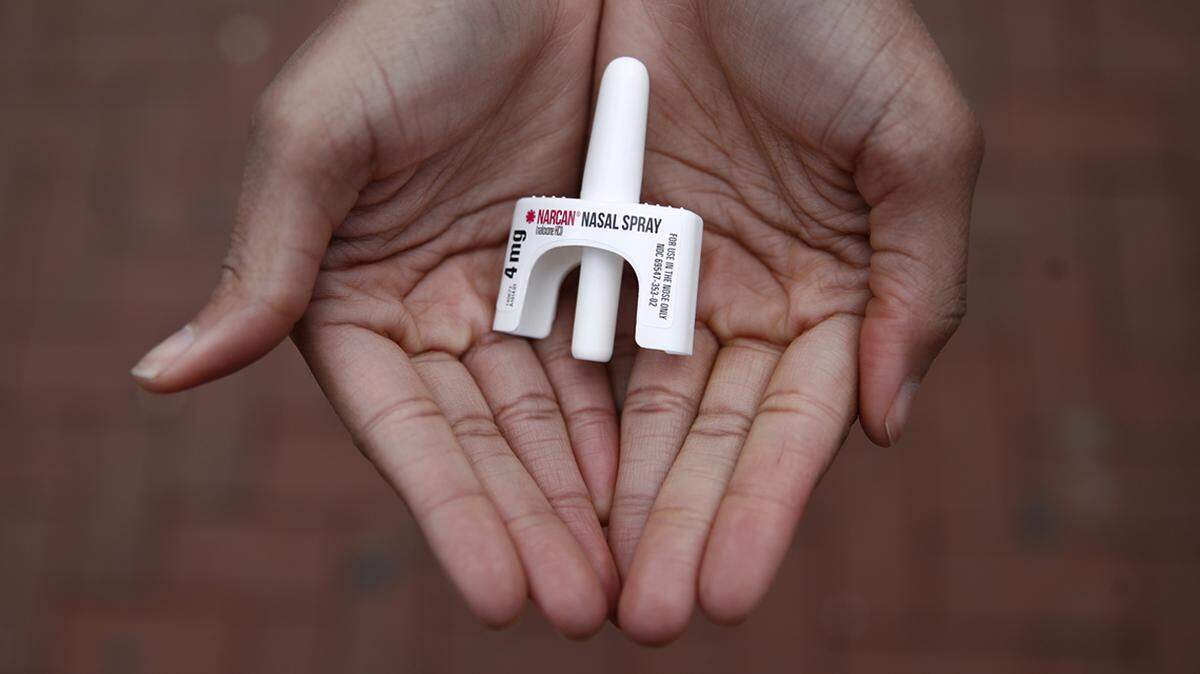
Given quickly, naloxone, commonly known as Narcan, can counter the effects of an opioid overdose within minutes. Relying on the arrival of emergency medical responders, even those with the best response times, could be too late to save the life of a child who has overdosed.
Many school districts in the Kansas City area keep Narcan on hand, according to an informal sampling and a news report by The Star. It should be common practice for all schools. The nasal spray is an FDA-approved form of naloxone for the emergency treatment of a known or suspected opioid overdose. If a school never needs to use it, that’s great. But it should be available — because time is of the essence.
Schools have defibrillators and stock epinephrine injector pens for emergency use, and Narcan should be no different.
Of course, having Narcan is not enough. Schools also need to be training all school staff to recognize the signs of drug overdose: pale or clammy skin, shallow breathing, unconsciousness or difficulty speaking, unresponsiveness, blue lips or fingertips, or pupils as tiny as pinpoints. Staff also should be taught how to administer the Narcan.
Roberts said teachers are pushing for districts to stock Narcan because “they know their students,” and see kids every day who they may suspect of using drugs. He said some teachers have gotten training on their own and dipped into their pockets to purchase Narcan. And he said he knows for certain a teacher has saved a child by administering the medication.
Similar cases have been reported to have happened in Northland schools, and school nurses in Johnson County have saved students using Narcan, too.
“No one wants to consider teachers as first responders, but they are,” Roberts said.
Schools are quick to say student safety is a top priority, and if that’s really true, then there is no reason to wait for a preventable tragic incident to happen before taking action — especially since a national program supplies schools with Narcan for free.
“Yes, schools need to be a place where kids are not only educated but where they also are taken care of,” Roberts said. We completely agree with that. Drug use by teens, even in school, is not a new occurrence, only with the influx of fentanyl-laced opioids, even a small amount can mean accidental overdose and death. But that doesn’t need to happen. Narcan in the hands of adults in our schools can change that.
This story was originally published May 9, 2022 at 12:34 PM.