
Cheers to new UMKC Kangaroo Pantry, but why do so many students lack food and housing?
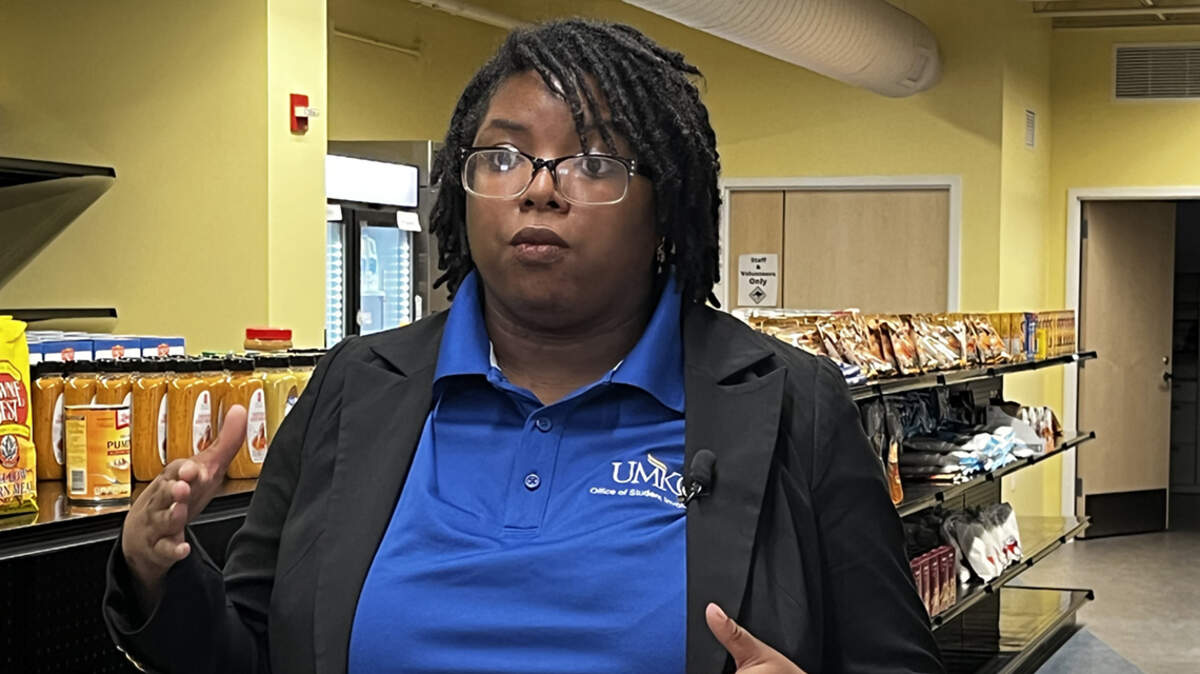
When Taylor Blackmon was a student at the University of Missouri-Kansas City, she sometimes struggled with housing and food insecurity. At the time she had no idea how common that experience was — and still is — on her campus and at colleges across the country.
It’s awful. Considering the cost for college these days, schools should make sure that isn’t happening. UMKC has been setting a great example toward that goal, and this week took steps to do even more with the May 4 opening of the Kangaroo Pantry, a new food pantry and student care center. We applaud that.
It’s shocking that even before the coronavirus pandemic pushed many to financial insecurity, challenging them to find new ways to make ends meet, roughly 30% of the nation’s college students had reported experiencing being without reliable access to affordable, nutritious food at some point in school. Unfortunately, food insecurity like this has gotten much worse since COVID-19. Nearly 3 in 5, or 60%, of college students lack adequate access to food or housing. Sometimes both.
As the basic needs coordinator for UMKC’s new care center and pantry, Blackmon knows better than most that a lot of college students do not come from a place of security.
UMKC went from helping about 20 students a week to now assisting sometimes nearly 50 students a day experiencing food and housing issues. Student volunteers at the pantry in April some days handed out close to 700 pounds of food a day.
Blackmon’s job is crucial to helping students “find their footing” as they struggle with hunger, homelessness and the stress on mental health that comes with those challenges, she said. It’s one thing that could mean the difference between making it to graduation or not.
Cheers to UMKC for establishing the care center named for Raj Bala Agrawal, the mother of Chancellor C. Mauli Agrawal. His mother, who died in 2020 at 90 years old, spent her life as an educator in service to others. It’s commendable that Agrawal and his wife Sue committed personal funds to start the center.
The care center grew from the pantry UMKC opened in 2015. A food security task force, formed by the chancellor in 2020, suggested the expansion and relocation of the pantry from a campus building on Troost Avenue to a more central location. It’s far more visible on the first floor of the Student Union, where all students have convenient, five-day-a-week access to the free food — nonperishables and fresh items — and guidance to other social services.
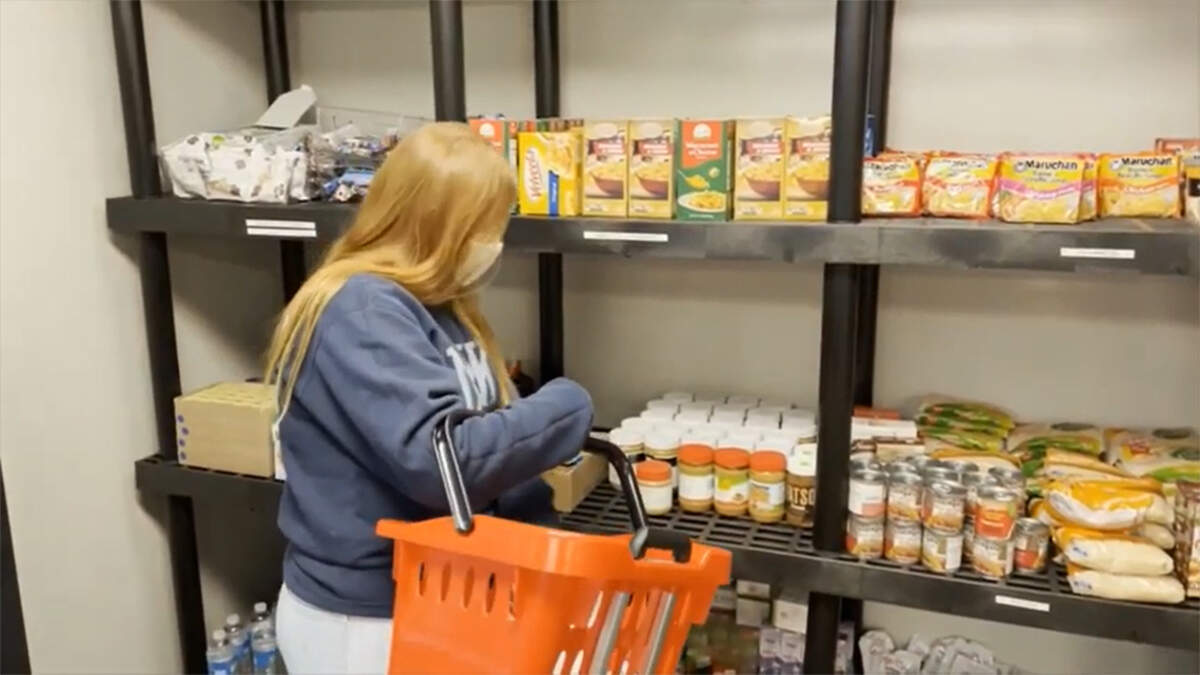
Food comes to the pantry in bulk from Harvesters Community Food Network and through a partnership with Whole Foods. But residents can help, too, with donations of food, money and volunteering.
Student volunteers help with outreach and getting students to understand that it’s OK to come through those glass doors. “We want to destigmatize needing to ask for help,” Blackmon said. “Sometimes it is hard for a student to come in and say, ‘I really don’t have any place to stay once the dorms close.’” And sometimes, she said, students don’t even realize that “sleeping on someone’s couch because you don’t have anywhere else to stay is homelessness.”
This was definitely the right move by the university, because UMKC and its students are a part of the Kansas City community. That students might go without food, housing, or any basic need on that campus should matter to everyone.
“What we do here is provide an opportunity to individual students, but we also develop human potential,” said John Martellaro, UMKC spokesman. “We have a lot of first-generation college students here, and a lot of Pell Grant-eligible students here. We are giving them an opportunity to tap into their full potential, graduate and contribute to the community.”
That is exactly what an urban university like UMKC should be doing — and it should be an example to more schools going forward.
This story was originally published May 5, 2022 at 10:53 AM.