Long before Main Street extension, he built streetcars to take KC southward
The KC Streetcar’s Main Street extension opens Friday, and Kansas Citians are once again thinking about transit.
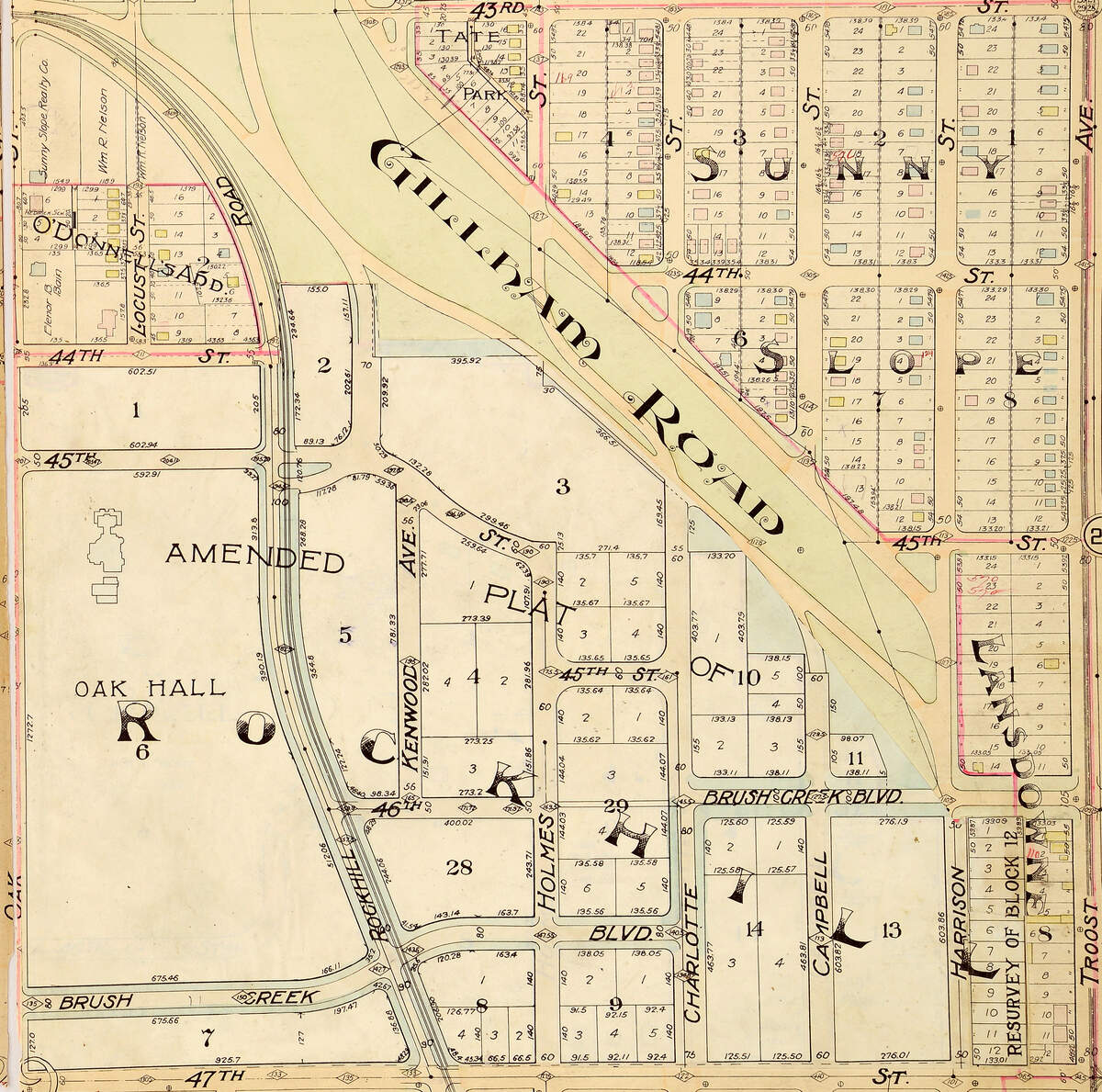
When a new midtown resident asked about the name “Gillham” on the park and road near her apartment, a neighbor explained that he had something to do with the city’s early streetcar system.
They asked KCQ to dig deeper into the story.
Indeed, Robert Gillham played a key role in developing Kansas City’s early street railways — though he wasn’t the first. That credit goes to Nehemiah Holmes, namesake of Holmes Street, who founded the Kansas City and Westport Horse Rail Road Company in 1869.
And Gillham thought he could do better.
In this first form of public transportation, horses pulled the cars — later mules, better suited to the city’s hills — and earned that mode of travel the nickname “hayburners.” The cars offered little comfort and frequently derailed, but they gave Kansas Citians their first dependable means of getting from one part of town to another.
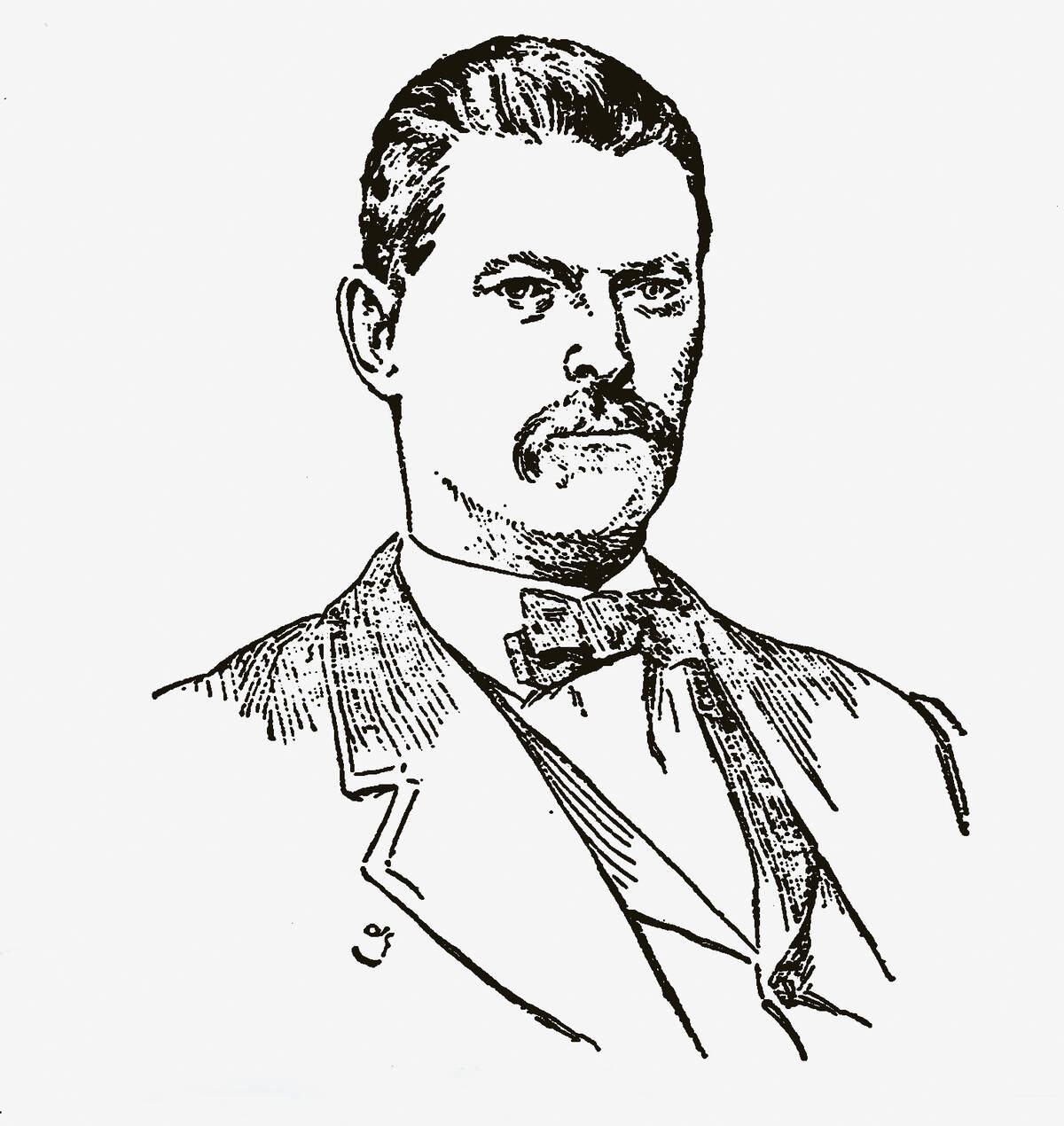
Who was Robert Gillham?
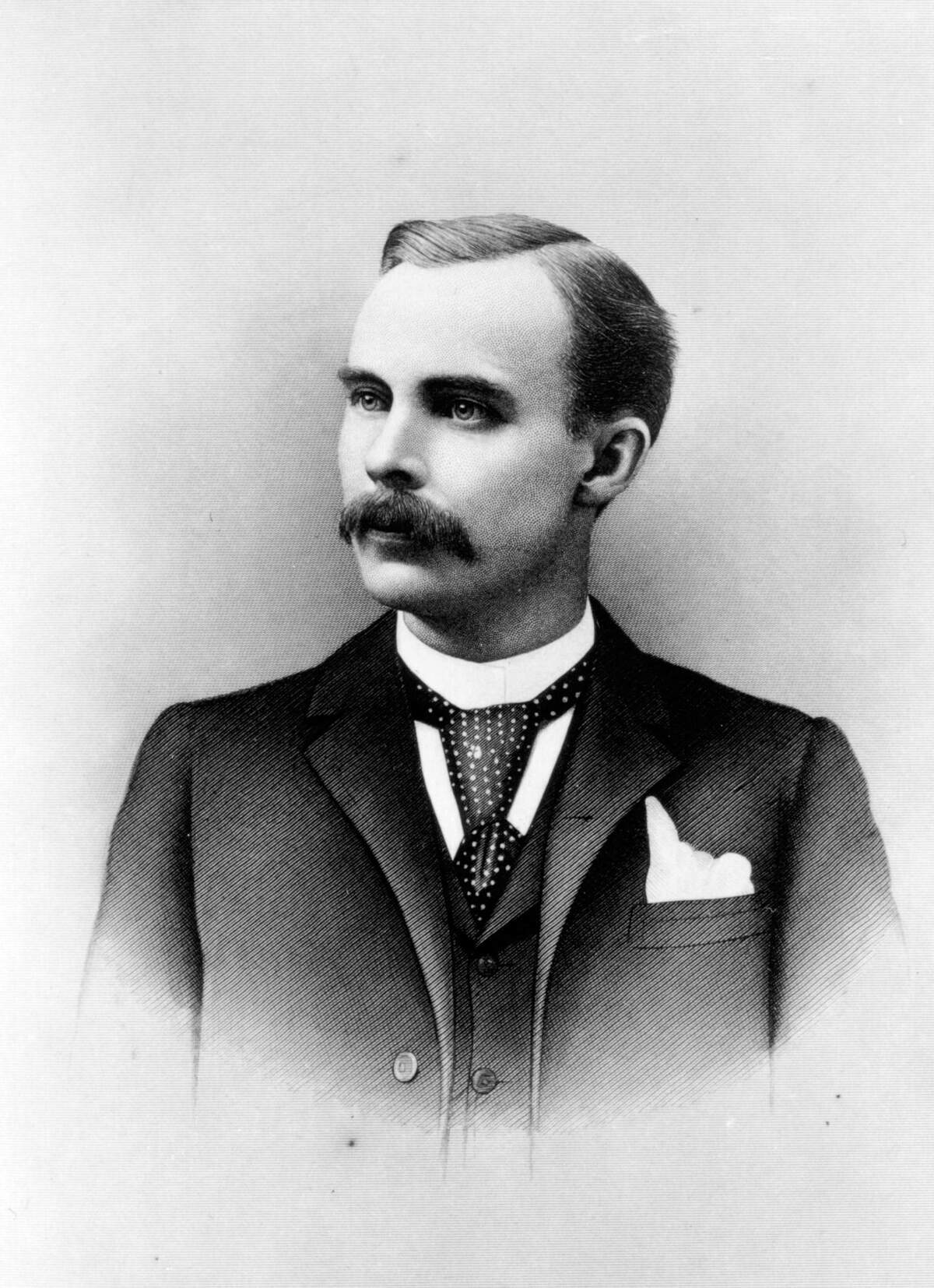
Born in New York in 1855 and trained as a civil engineer on the East Coast, like many ambitious young professionals of his time, he set his sights on the West.
On his way to settle in Denver in 1878, he stopped in Kansas City, changing the course of his career as well as the city’s future.
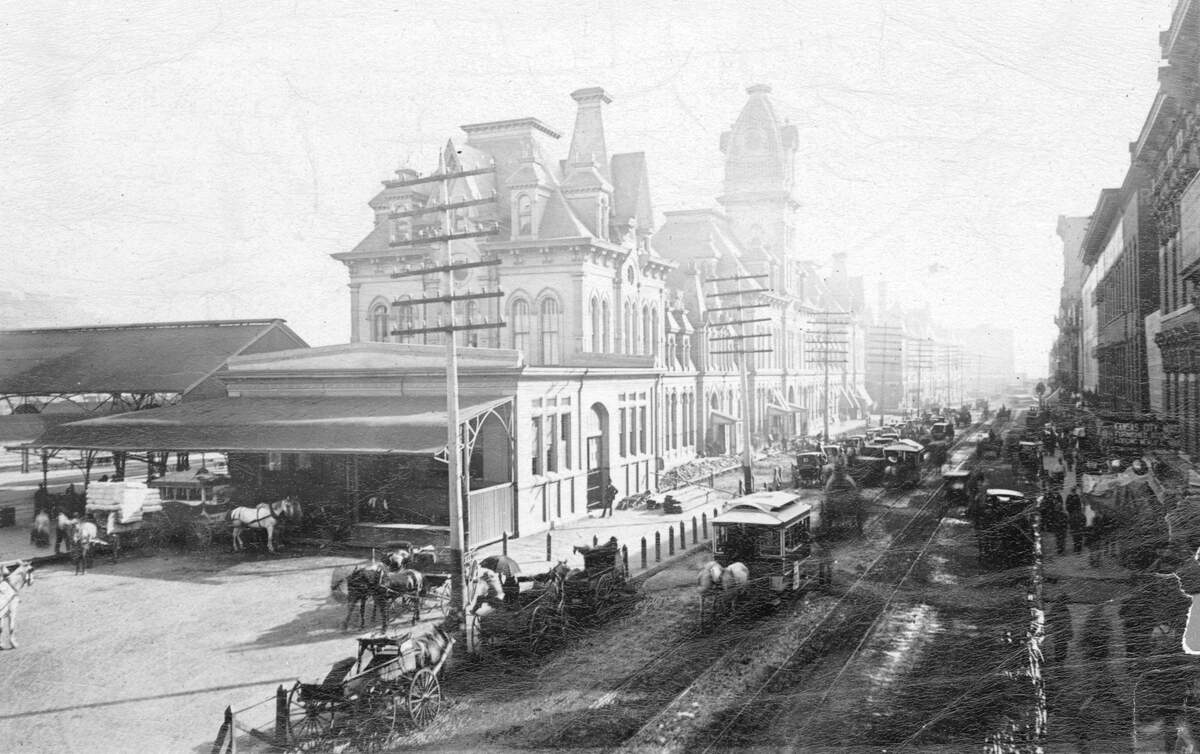
Stepping out of Union Depot in the West Bottoms, Gillham found himself amid a bustling industrial hub fueled by the livestock trade. Looking east, he saw an imposing bluff wall and naturally assumed the city couldn’t possibly lie in that direction, so he set out west instead, trudging toward the Kansas River.
Realizing his mistake, he eventually boarded a mule-drawn streetcar bound for the River Market, then the city’s civic and commercial center. The route he traveled roughly mirrored the path that Interstate 35 follows today as it winds around the bluffs toward downtown.
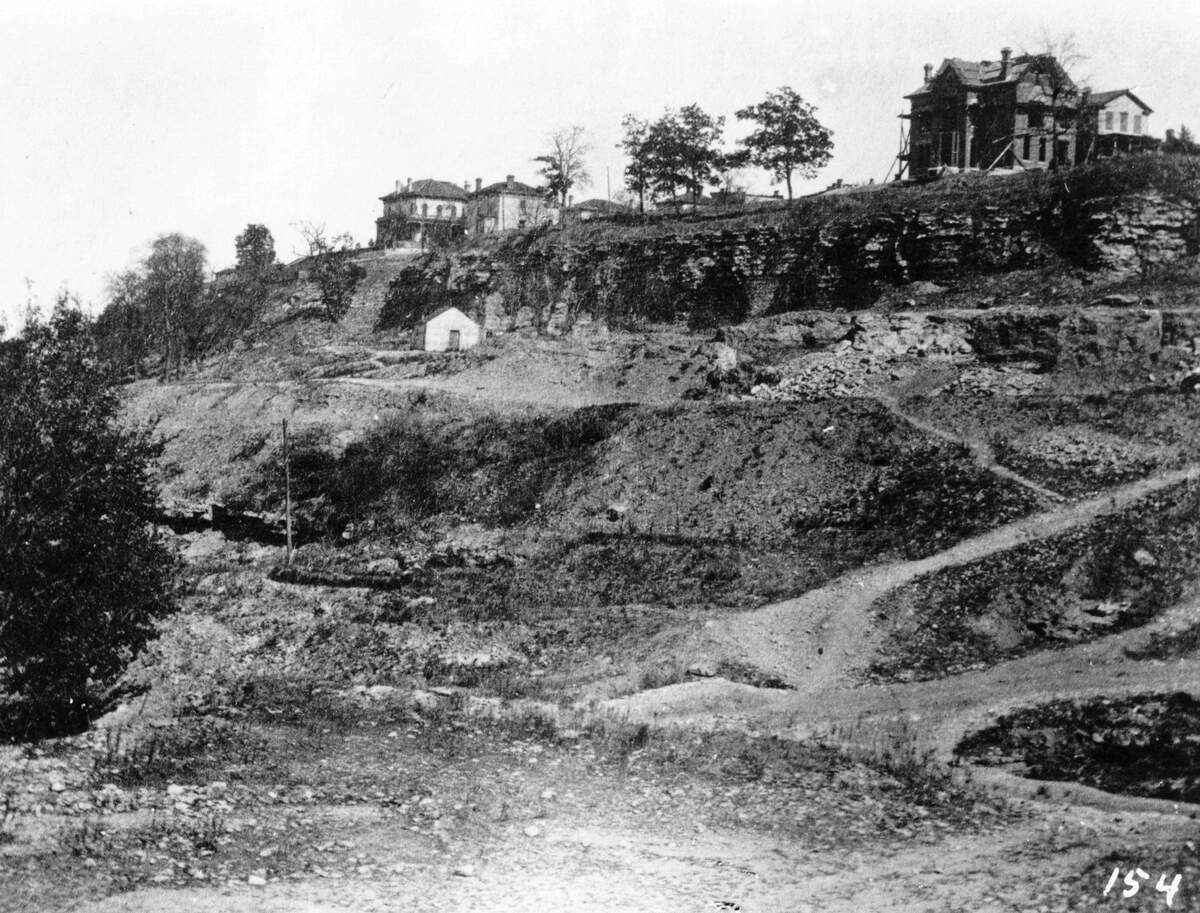
The tedious ride up the bluffs sparked an engineer’s curiosity: surely there was a better way to move people through such difficult terrain.
The beginning of KC’s streetcars
Kansas City’s hills made mule-drawn lines inefficient, and Gillham recalled hearing about a new transit technology — cable traction — which used underground cables to pull streetcars along steel tracks.
The bold plan he hatched called for an elevated steel trestle carrying cable cars between the West Bottoms and Quality Hill via Ninth Street. Later known as the Ninth Street Incline, the project hauled passengers up and down the bluff, where they transferred to mule-drawn cars for the rest of their trip. The design connected Kansas City’s working class to jobs in the industrial districts to the west.
However simple his plan sounded, executing it was anything but.
The debate over streetcars
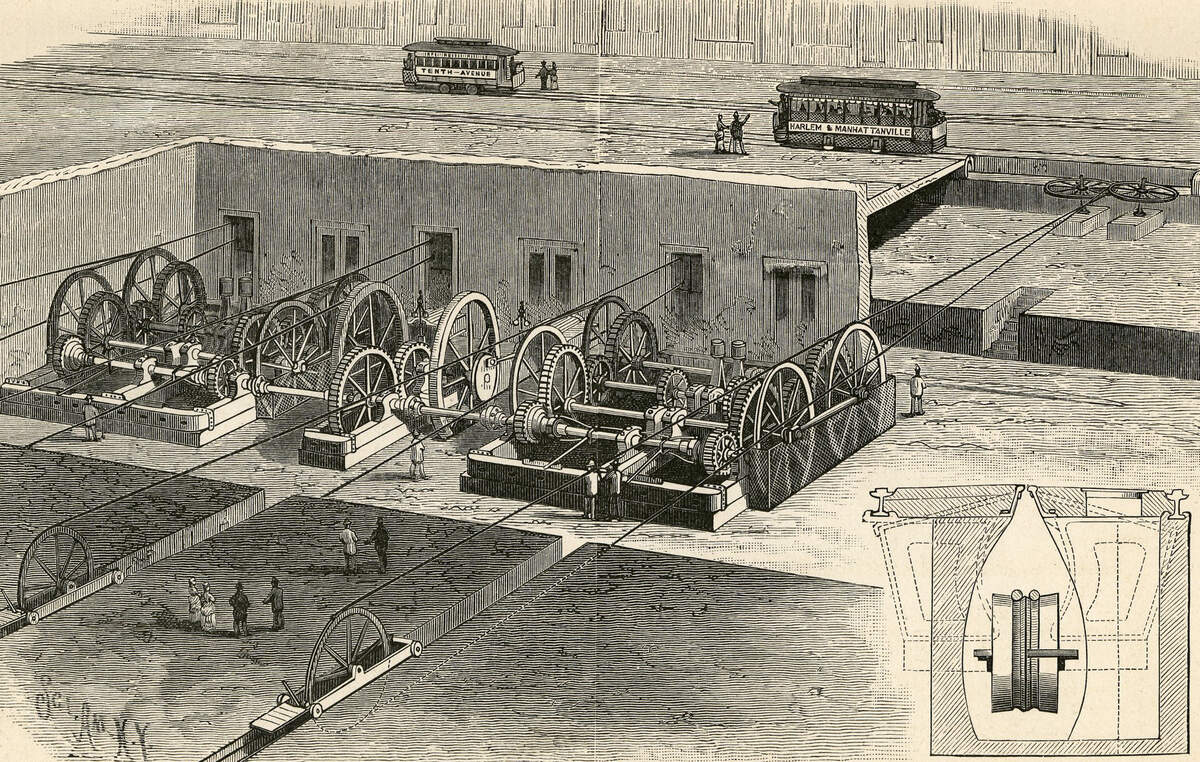
Gillham’s inspiration came from San Francisco inventor Andrew Hallidie, who had pioneered cable cars in 1873. After corresponding with Hallidie, Gillham invited him to Kansas City for a consultation in 1879. The two agreed that the city’s steep grades and rapid growth made it an ideal proving ground for cable car technology.
Before Gillham could begin, however, he faced an obstacle in the form of Thomas Corrigan, Kansas City’s existing street railway magnate.
Canadian-born Corrigan had worked his way up from laborer to contractor, building everything from streets to water mains. When the city’s early mule lines faltered, he bought them, improved their operation, and made them profitable. By the time Gillham arrived, Corrigan effectively controlled the city’s transit and was determined to keep it that way.
He saw Gillham’s cable proposal as a threat and used his influence to block it, dismissing the young engineer as a “boyish freak” and deriding his plan to build a “coal chute” at the end of every east-west street.
Gillham, however, had an ally with a booming voice — William Rockhill Nelson, founder of “The Kansas City Evening Star.” Nelson supported any cause he believed advanced the public good, and he viewed cable cars as vital to connecting workers with jobs and stimulating real estate development. With Nelson’s editorial backing, Gillham’s plan began to gain traction.
Political battles in Kansas City
Still, Corrigan wasn’t finished. He owned the Ninth Street tracks where Gillham wanted to build and used every bureaucratic trick to stall construction, like pushing ordinances to divert profits to the park system and requiring street widening votes along the route. When the measure passed, he bought property along Ninth Street to block the line. Gillham’s supporters responded in kind, purchasing nearby lots along the proposed line.
Gillham revised his plan for a counterattack: He’d extend his line east to Woodland Avenue to compete directly with Corrigan’s routes, committing to full cable traction and abandoning mule cars altogether.
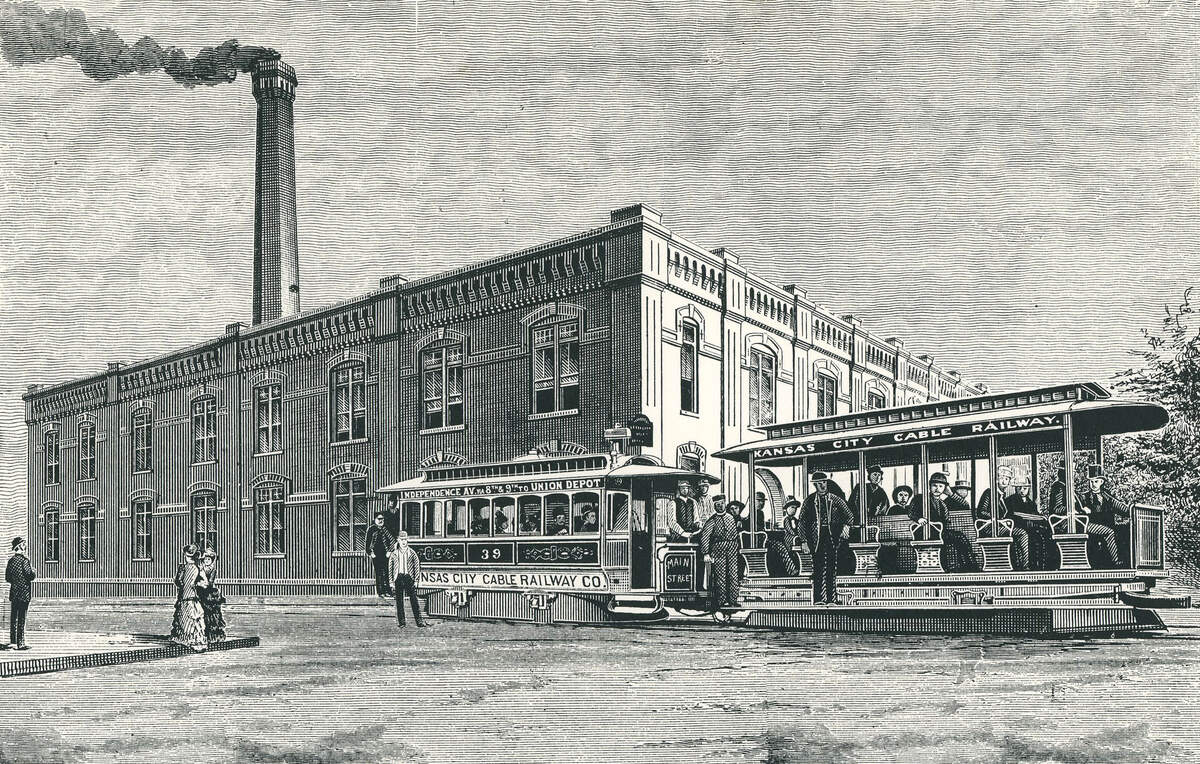
The political tide turned with the 1882 municipal election, which brought in leaders sympathetic to modern transit. The following year, the city granted the Kansas City Cable Railway Company a franchise and appointed Gillham chief engineer.
But Corrigan had one last trick. When his allies regained control of city government in 1883, he sought a 30-year exclusive franchise to operate all street railways, even requesting rights to build cable lines himself. The new council approved it, seemingly dooming Gillham’s project.
The public revolt was immediate.
Powerful civic leaders and citizens packed meeting halls, denouncing the aldermen who supported Corrigan as the “Shameless Eight.” The press reported demands for impeachment — and even hanging. City leaders, sensing the outrage, rescinded Corrigan’s monopoly. Defeated, he sold his lines and left the street railway business for good.
With political obstacles cleared, Gillham’s Ninth Street Incline began construction.
Difficult path to building urban railways
However, other types of obstacles presented themselves.
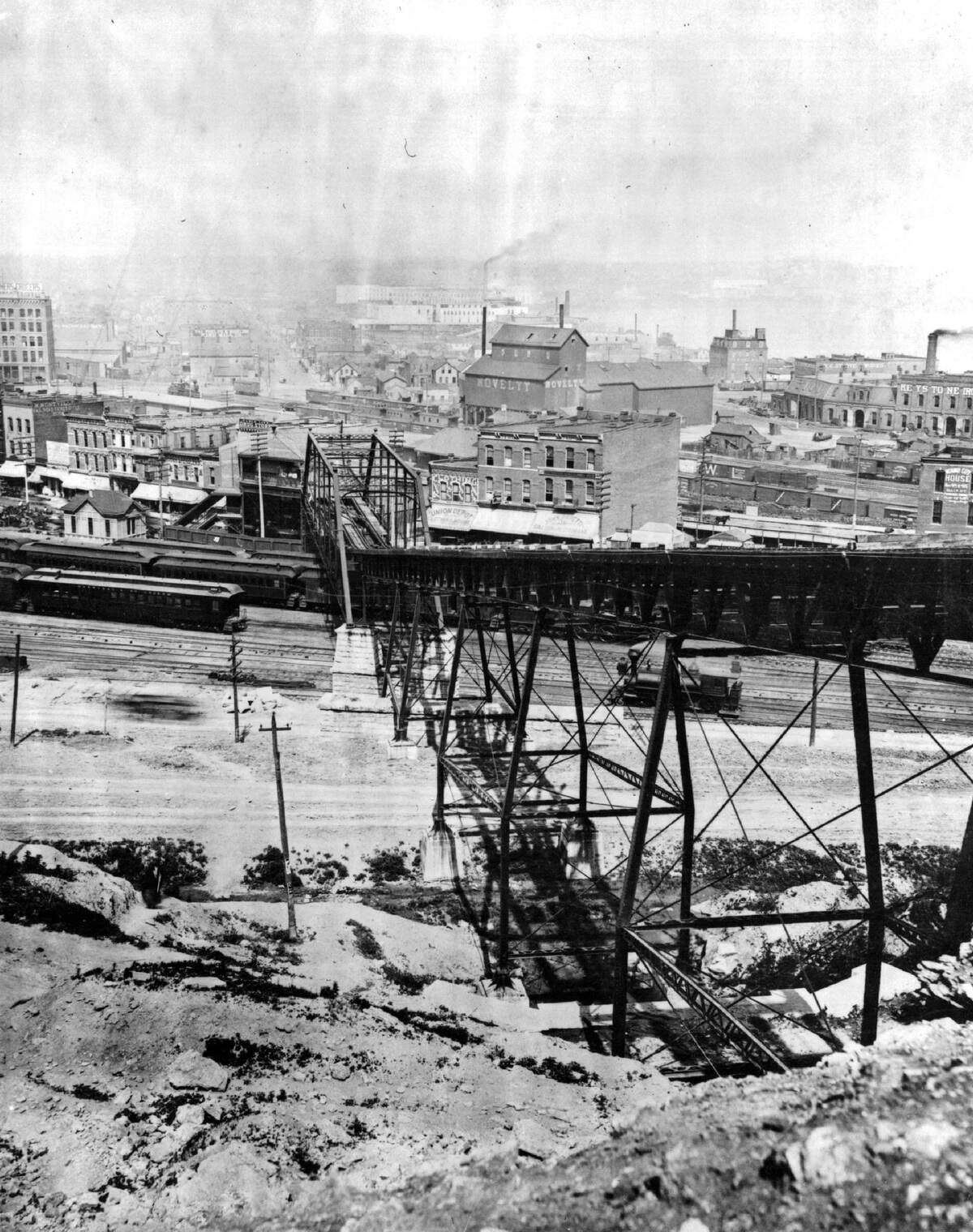
Crews discovered fissures in the bedrock that required repair and struggled to find grips strong enough to hold cars on the steep grade. As opening day approached in April 1885, engineers ordered the tracks reinstalled after realizing they were the wrong width.
Then came disaster.
On April 23, while adjusting a grip mechanism beneath a car during a test run, the nearly 400-pound device slipped from its rigging. Catching on a chain as it fell, the grip swung downward and struck Gillham in the head, knocking him unconscious. He required surgery to replace part of his skull with a metal plate and spent a year recovering.
A new era of public transportation
Despite the setbacks, the Incline opened in June and proved an engineering triumph — reliable, efficient, and profitable.
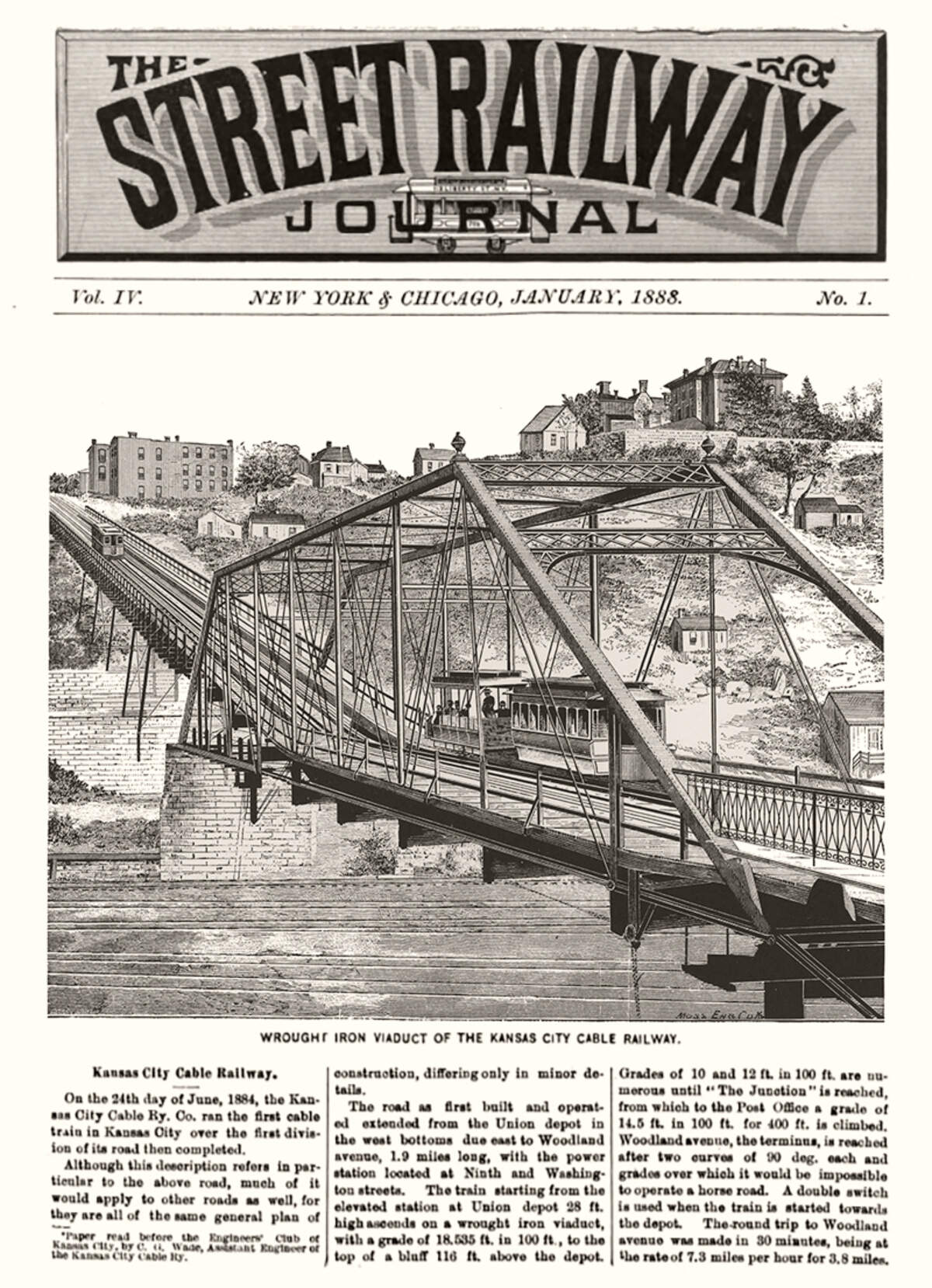
Cable traction soon replaced animal-drawn lines across the city, signaling the end of the “hayburner” era. Yet Gillham remained restless and was convinced he could further improve Kansas City transportation.
He proposed tunneling through the bluff rather than traveling over it. Work on the Eighth Street Tunnel began in 1887 and opened the following year. By the mid-1890s, the city ranked behind only San Francisco and Chicago in total miles of cable car track, a remarkable feat for a once topographically challenged frontier town.
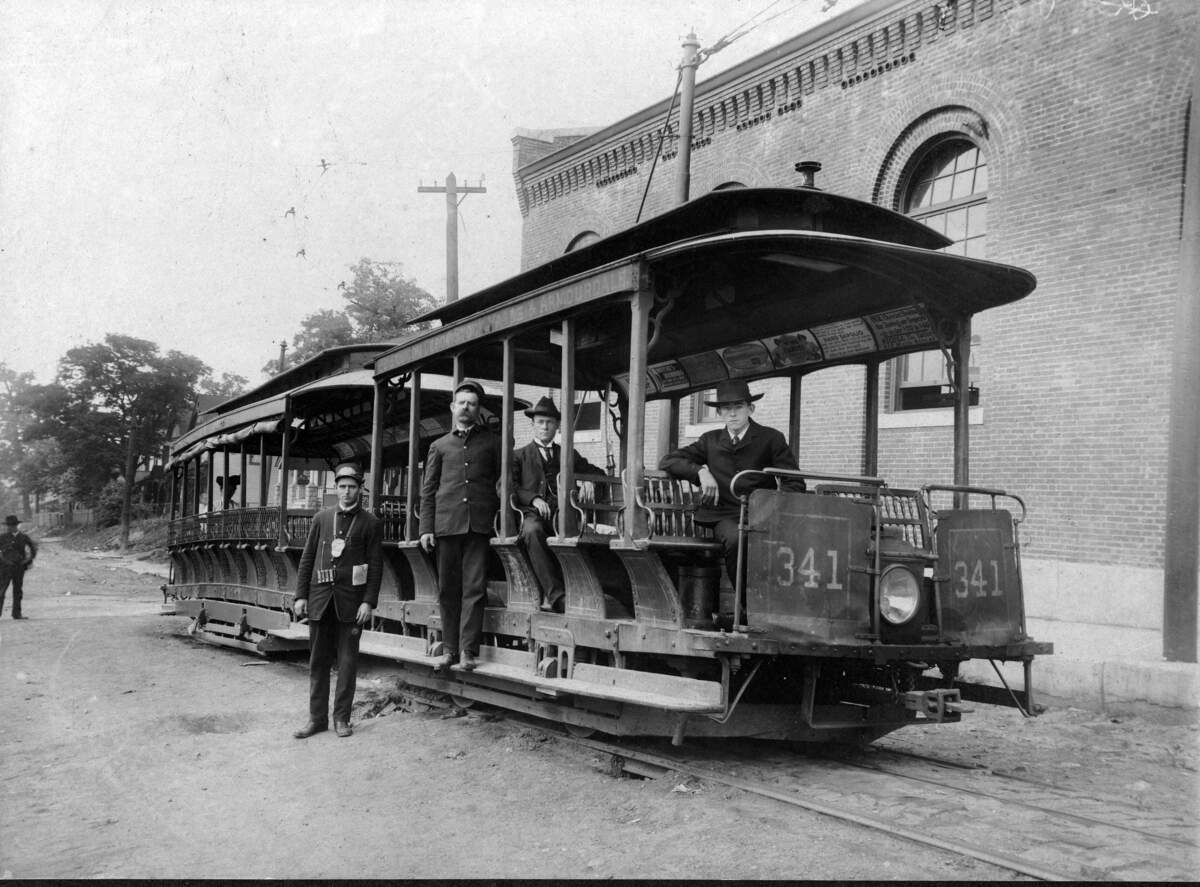
As technology evolved, in the 1890s electrified streetcars began replacing cable systems. Gillham, initially skeptical, lived to see their success.
Gillham remained active in local street railway development, but his attention soon expanded to other pursuits. He consulted on transportation projects in other cities, acquired a controlling interest in the Armourdale Foundry Company — a manufacturer of iron street railway components — and served on Kansas City’s Board of Park Commissioners, where he applied his design sensibilities to the city’s growing system of parks and boulevards.
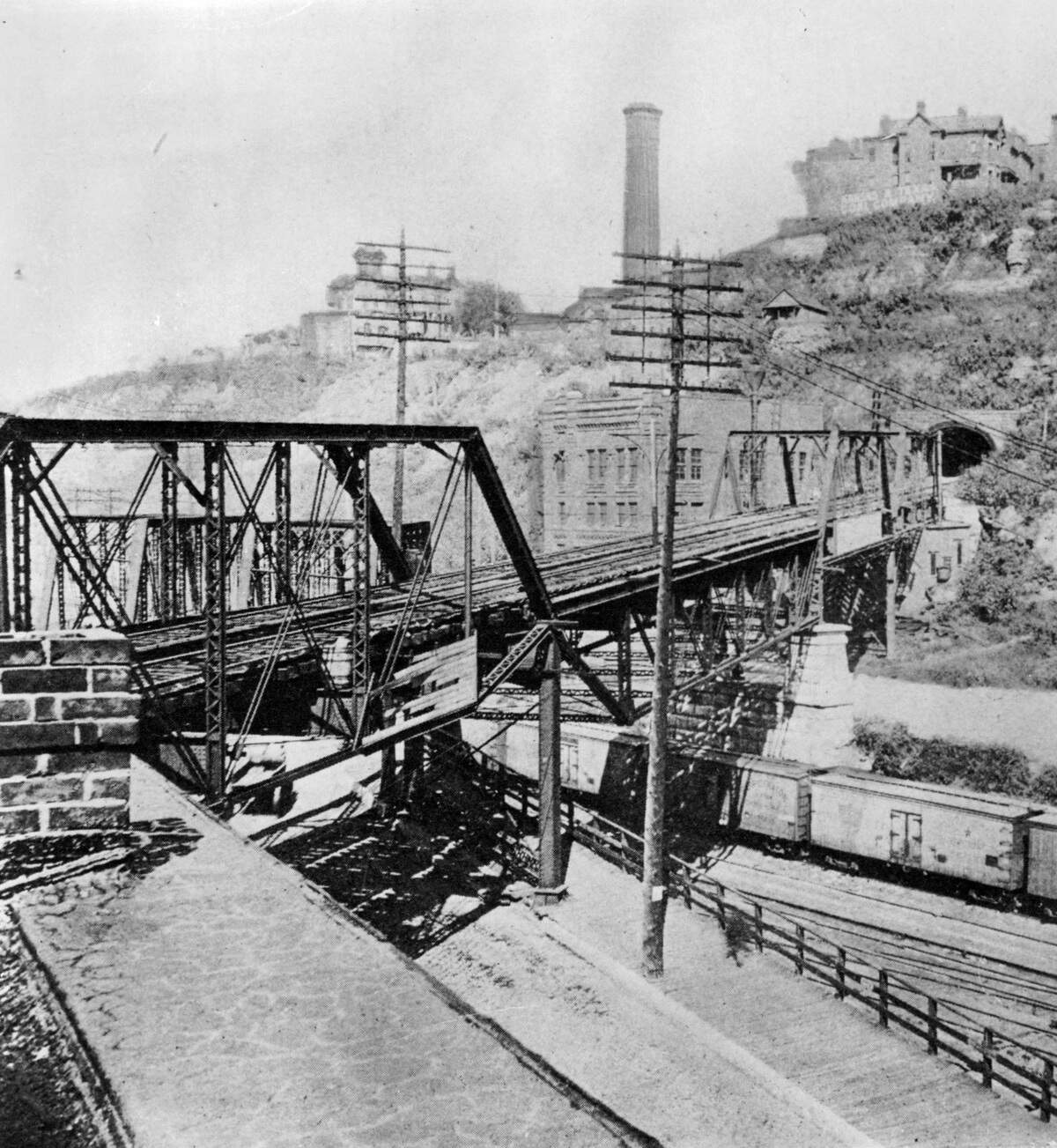
Then, in May 1899, after returning from surveying a railroad property, Gillham fell ill. What initially presented as a mild sickness soon worsened; he was diagnosed with pneumonia and appendicitis. Despite treatment, he died on May 19, 1899, at just 43 years old.
The birth of Gillham Parkway
In his short life, Gillham’s energy and vision reshaped Kansas City. His engineering ingenuity transformed public transportation, linking people across neighborhoods and fueling the city’s late 19th-century building boom. His civic service helped lay the groundwork for a parks and boulevards system that remains a defining feature of Kansas City’s identity.
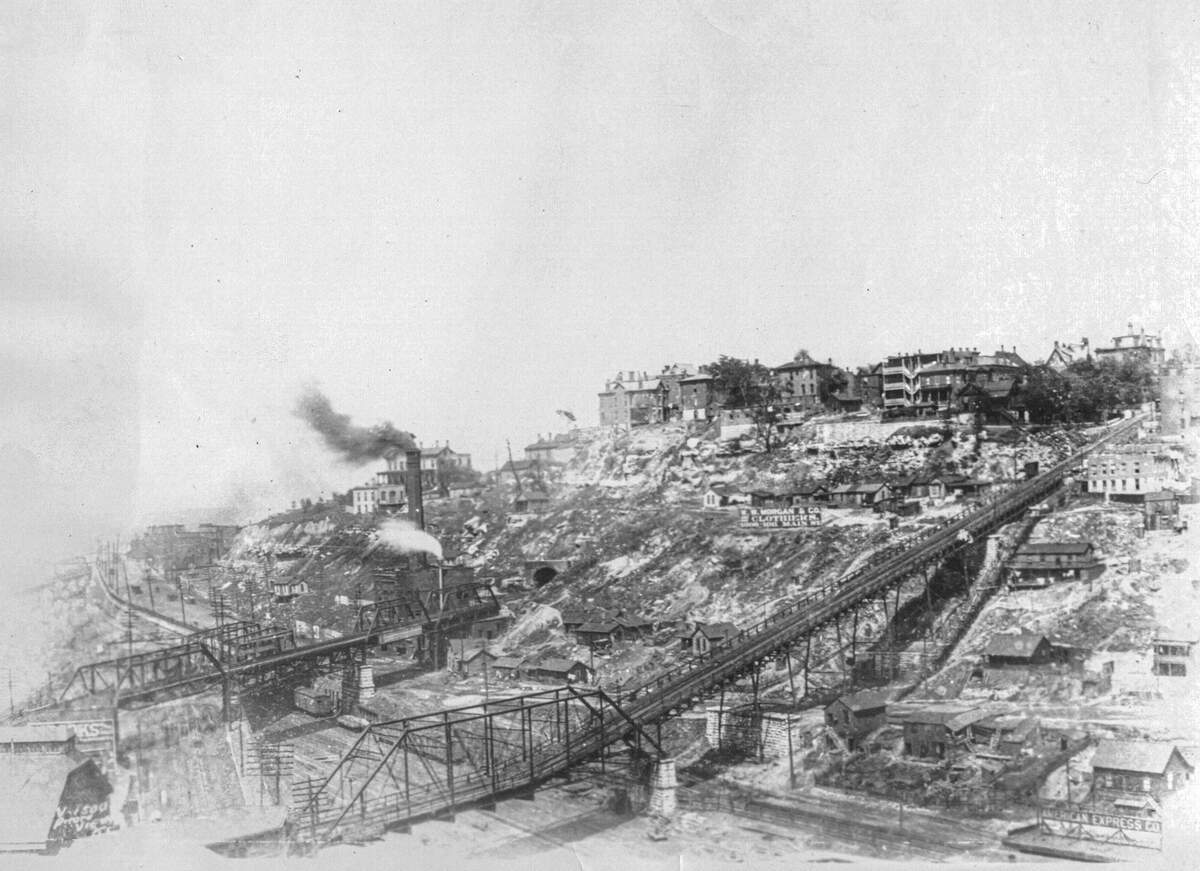
And his signature projects, the Ninth Street Incline and the Eighth Street Tunnel, became touchstones of local transit lore, reminding future generations of the ingenuity that tamed Kansas City’s hills.
So, it came as little surprise when, just months after his memorial service, the city began planning Gillham Parkway, a “handsome driveway for the south side,” envisioned as a chain of small parks.
After all, his introduction of cable cars had fueled the city’s expansion southward, connecting residents, through and over hills once considered impassable, to their places of employment and giving rise to many of Kansas City’s historic neighborhoods.
The parkway was a fitting tribute to a man whose engineering genius helped shape both the city’s movement and its map.
This story was originally published October 22, 2025 at 11:54 AM.