
Queen of the World: How this Kansas City hospital set standard for racial integration
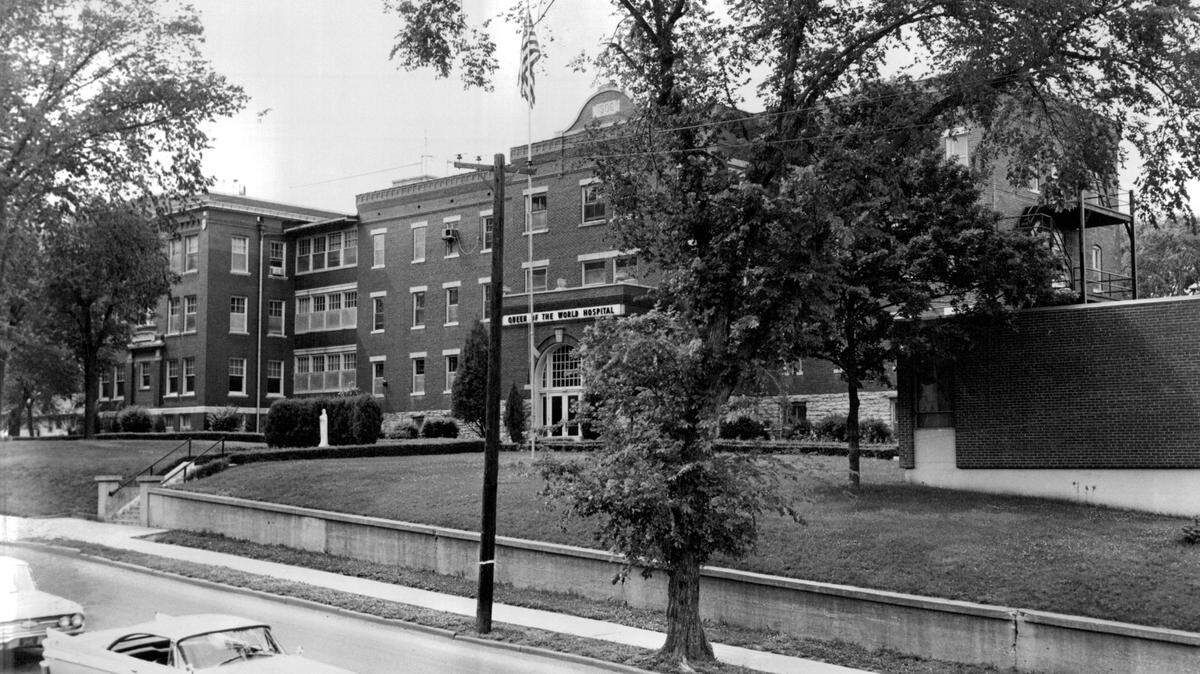
Hospitals are often named for specific reasons. Municipal hospitals, for example, might be named after their locality, while others are associated with universities or named after churches or religious figures. But when a KCQ reader heard a relative mention Queen of the World Hospital, she was intrigued by its unusual name and wanted to learn more.
The hospital’s story stretches back through Kansas City history, long before anyone thought of the name Queen of the World.
In the late 19th century, Kansas City lacked a facility to care for abandoned infants. In 1899, a group of concerned citizens, supported by the Catholic Diocese of Kansas City, addressed this need by purchasing a 3-acre tract at 23rd Street and College Avenue. The property included an eight-bedroom house, which became the site of St. Anthony’s Home for Infants.
Over the years, the management of the facility changed hands. The Sisters of St. Mary were initially assigned to the home in 1899 but were replaced by another Roman Catholic community, the Sisters of Charity, a year later. When the Sisters of Charity withdrew in 1908, the Daughters of Charity assumed responsibility the following year, offering steady leadership that would span more than four decades.
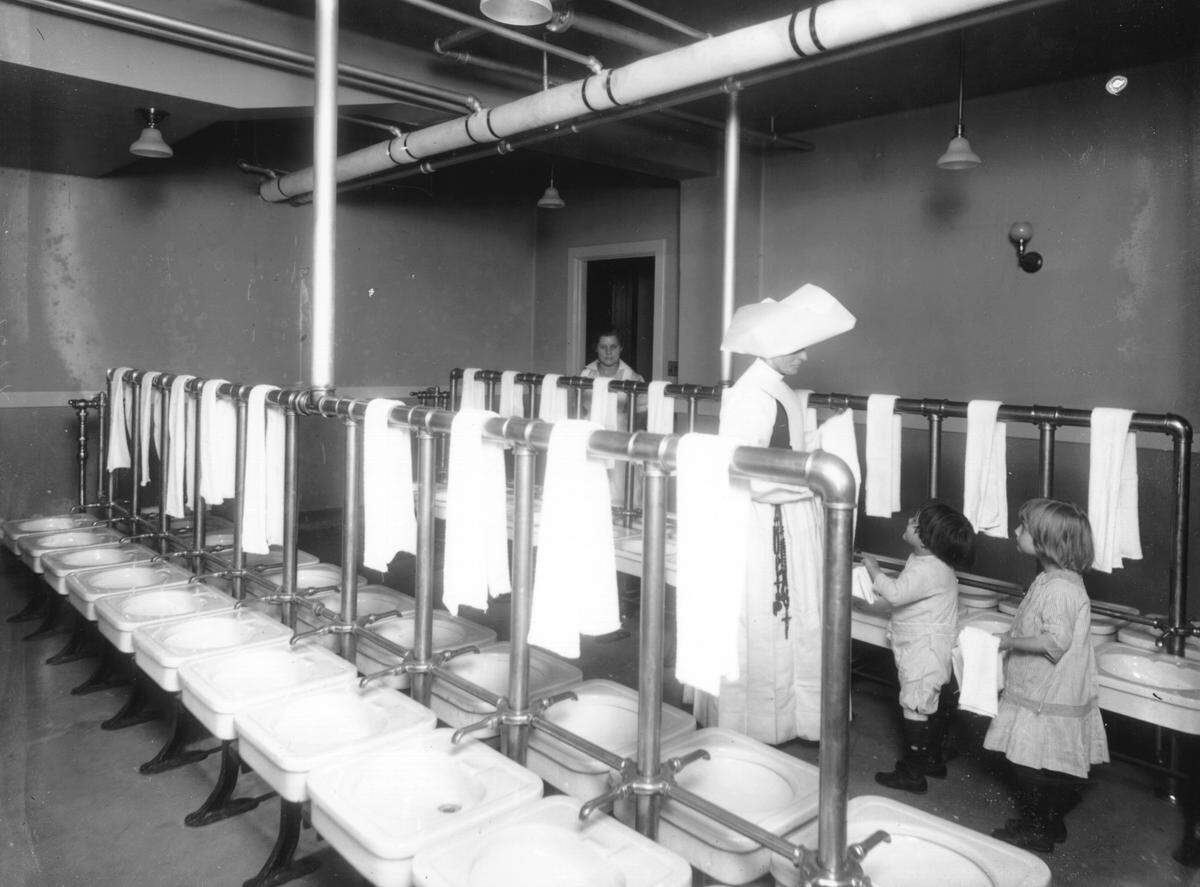
In 1915, St. Anthony’s moved into a newly constructed wing, while the older portion of the house was repurposed as a maternity hospital, St. Vincent’s. A few years later, the facility expanded again with the addition of a training school for nurses.
Integration at the hospital
The most significant change came in 1951 when it was announced that St. Vincent’s would begin accepting patients of all races. This was a groundbreaking decision in a city where the municipal hospital system was deeply segregated; at the time, General Hospital No. 1 served white patients and General Hospital No. 2 served Black patients.
“Separate but equal” may have been the law, but in practice, Black health care professionals at General Hospital No. 2 faced significant challenges. They inherited outdated equipment whenever the white hospital upgraded, struggled with insufficient supplies and were denied access to specialized training available only through white doctors. Many Black medical professionals were forced to leave Kansas City to gain the training they needed, leaving Black patients to suffer from inadequate care.
Unlike the municipal hospital system, which relied on local officials to implement desegregation, a Catholic hospital required only the decision of the local bishop.
Catholic diocese challenges racial divides
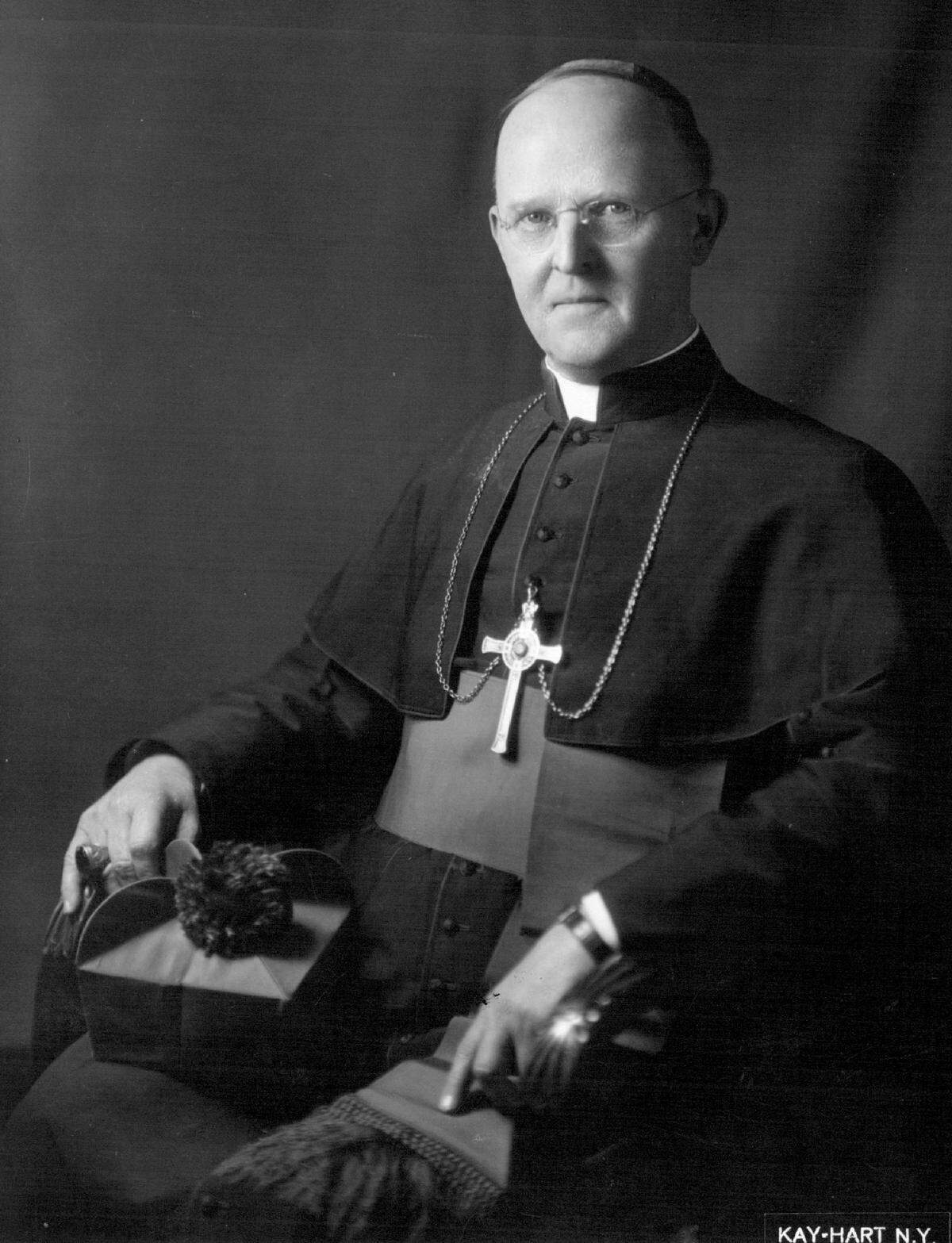
Edwin V. O’Hara served as Bishop of Great Falls, Montana, during the 1930s, a period when the city was thriving and home to the largest Black population in the state. He was widely recognized for his sense of purpose, love of learning, and conviction that the Catholic Church should uphold the principles it preached on Sundays. An early supporter of the Civil Rights Movement, O’Hara believed that the church should not shy away from social issues but actively engage with them.
In 1939, O’Hara was appointed to lead the Diocese of Kansas City. He recognized the city’s deeply entrenched segregation as a challenge that needed to be addressed. Although he joined the Urban League of Greater Kansas City and the local chapter of the National Association for the Advancement of Colored People (NAACP), meaningful change did not happen overnight. Confronting long-standing racial barriers required both a willingness to make potentially unpopular decisions and the right moment to push forward.
That moment arrived in 1947. While the city’s Catholic schools were theoretically open to students of all races, in practice, they were as segregated as public schools. At the time, only one Catholic high school in the city accepted Black students.
When a Black parishioner sought permission for his stepdaughter, Carmen Forte, to enroll at Loretto Academy at 39th Street and Roanoke Road, O’Hara issued a considered and direct response: The Church’s schools were open to all Catholic children, regardless of race. He asked the Sisters of Loretto to admit Forte and assured them of his unwavering support.
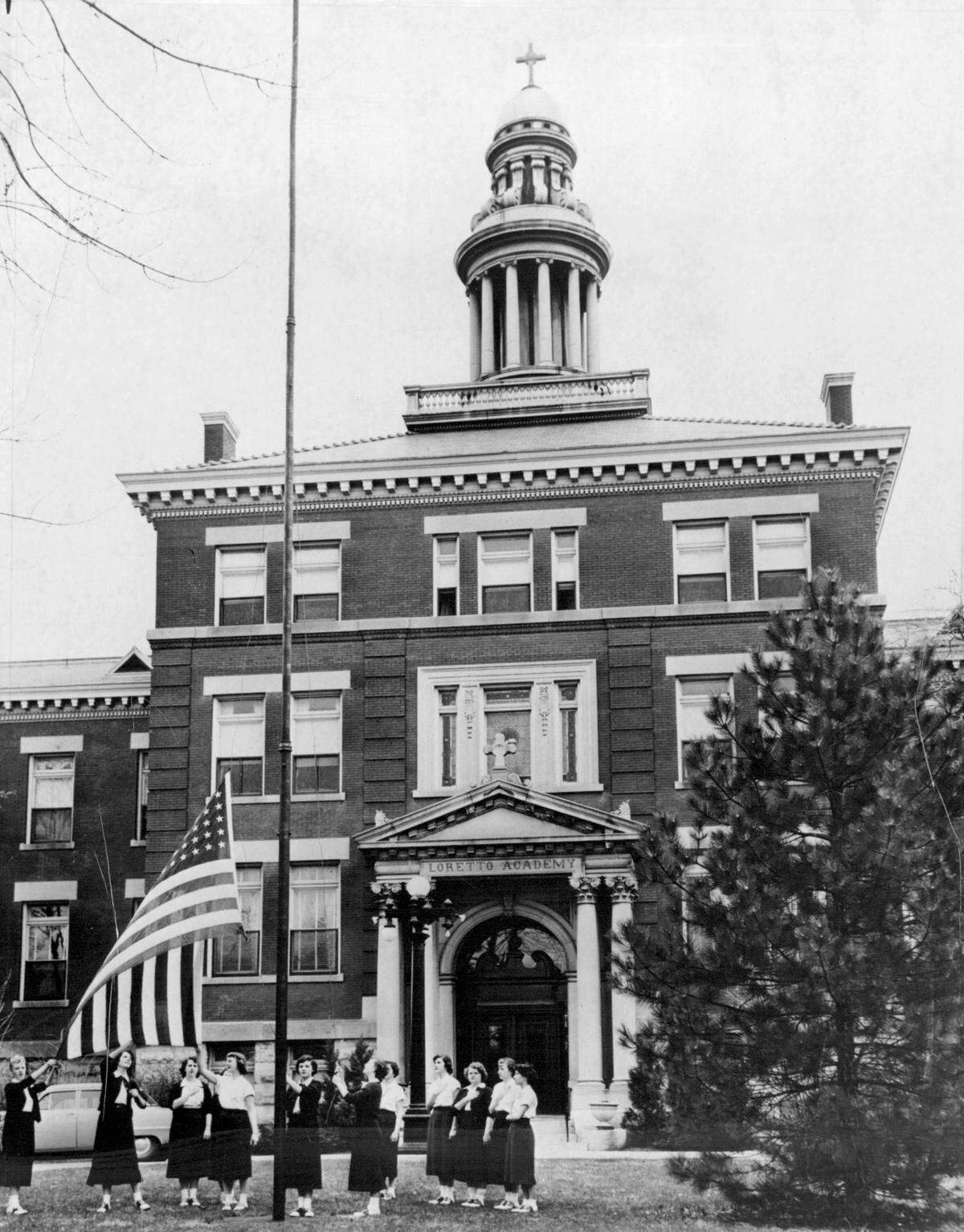
The decision sparked controversy. A group of parents offered to fund Forte’s education at any other school, while some gathered near the entrance of Loretto Academy on the first day of classes to protest. Undeterred, O’Hara stood by his decision, and she was admitted without incident. In 1949, Forte became the first Black student to graduate from an integrated high school in Kansas City.
That same year, the city’s other Catholic high schools began accepting Black students. By the early 1950s, all grade levels in Kansas City’s parochial schools were integrated — well before the landmark Brown v. Board of Education decision mandated public school desegregation in 1954.
Hospital welcomes Black and white patients
O’Hara’s commitment to equality extended to health care as well. When St. Vincent’s temporarily closed for renovations in 1951, he ensured it reopened as a maternity hospital that served both white and Black mothers while employing Black health care workers. An important first step toward integrated health care, it did little to address the ongoing medical brain drain caused by white hospitals’ refusal to train Black doctors.
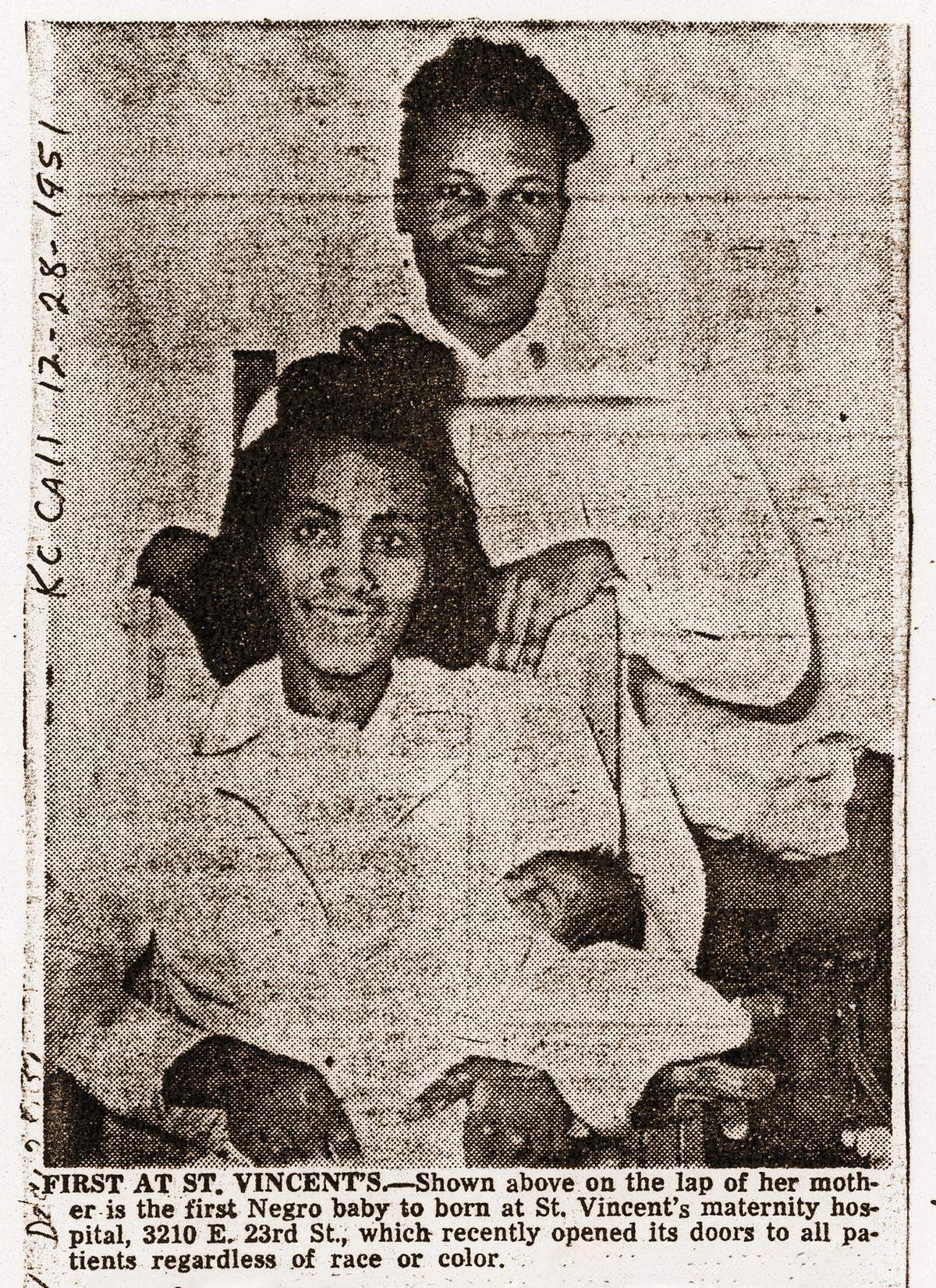
When a group of Black doctors and local religious leaders urged O’Hara to open a new Black hospital, he rejected the idea of creating another segregated institution. Instead, he proposed transforming St. Vincent’s into Kansas City’s first integrated general hospital.
O’Hara launched a campaign to raise $300,000 for the facility, personally knocking on doors to solicit donations. Meanwhile, the Daughters of Charity, who had managed St. Vincent’s since 1909, chose to relocate and oversee the infants’ home at a new location.
The opening of Queen of the World
The Maryknoll Sisters accepted O’Hara’s invitation to manage the hospital. Traveling from Busan, South Korea, where they had operated a clinic, the sisters brought their expertise to Kansas City. They renamed the hospital Queen of the World in honor of Saint Mary.
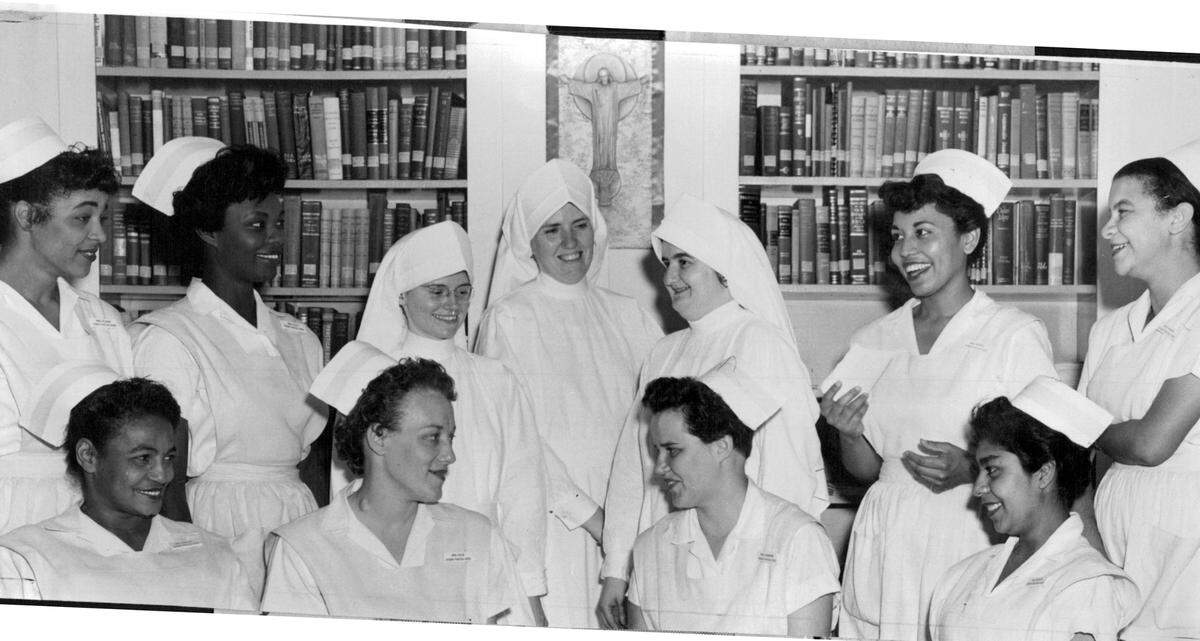
The new Queen of the World facility was dedicated on May 22, 1955, and former U.S. President Harry S. Truman was the featured speaker. Truman praised the hospital and expressed hope that its example would ripple through the health care community “like a rock thrown into a lake.”
In its first year, Queen of the World served a patient population that was 90% Black, rising to 97% by 1957. While these statistics may have caused some to question its success as an integrated institution, the hospital’s true impact lay in providing Black doctors and nurses with first-class training. This paved the way for their employment at other hospitals and left a lasting mark on Kansas City’s health care landscape.
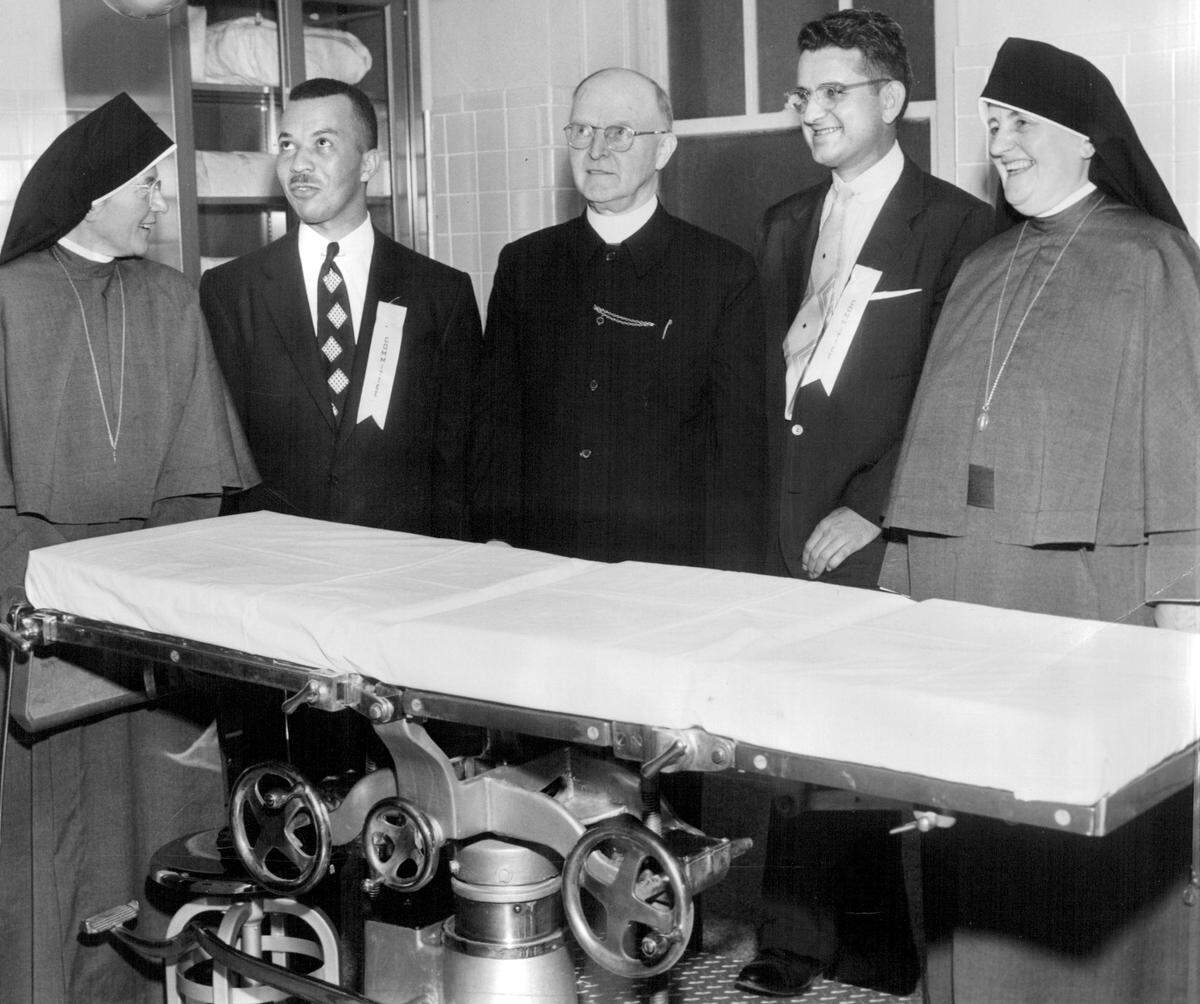
O’Hara argued that, with Black doctors and nurses now receiving first-class training at Queen of the World, they were well-qualified to be hired by other Catholic health care institutions in the city. He called on St. Joseph’s and St. Mary’s hospitals to take the lead in this effort.
What happened next?
The hospital’s transformation was remarkably swift compared to Kansas City’s municipal hospitals, which took three years to complete their integration process after plans were announced in 1956.
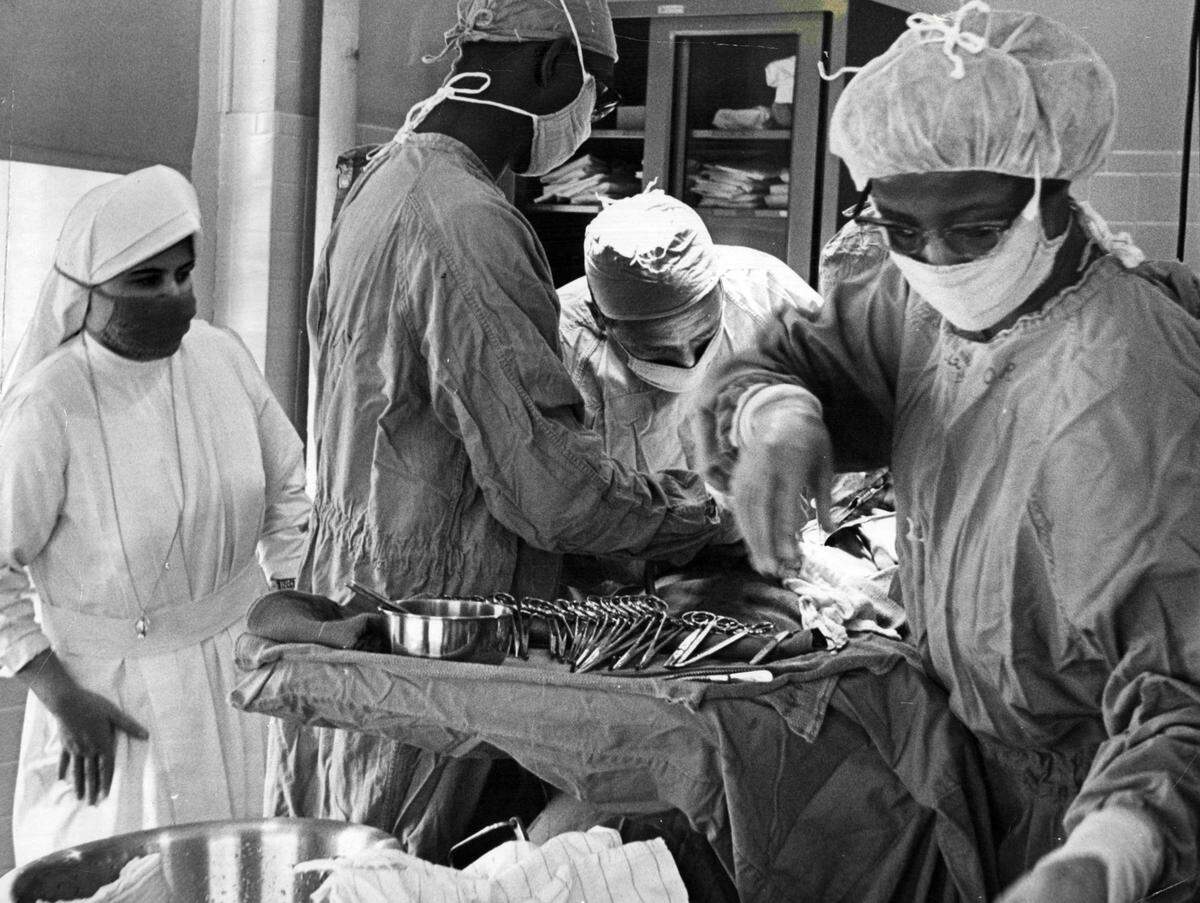
Despite its significance, Queen of the World was in operation for just under a decade. At its peak, the hospital treated 3,000 patients annually, but this number declined rapidly as more hospitals began accepting Black patients. With a steady drop in patient numbers, the hospital ultimately closed its doors on Dec. 31, 1965.
O’Hara was elevated to archbishop in 1954 during a ceremony at the Cathedral of the Immaculate Conception. Tragically, he did not live to witness the full extent of Queen of the World’s successes. On Sept. 11, 1956, while on a European tour, he died at the age of 75.
One by one, the Maryknoll Sisters left Kansas City for new assignments. Before their departure, the sisters were honored with a framed decorative scroll recognizing their service and celebrating the hospital’s achievement: “integration on all levels within its walls, and initiating such integration in other hospitals in this area.”
This story was originally published February 21, 2025 at 5:00 AM.