KC doctor starts effort encouraging more Black students to seek careers in medicine
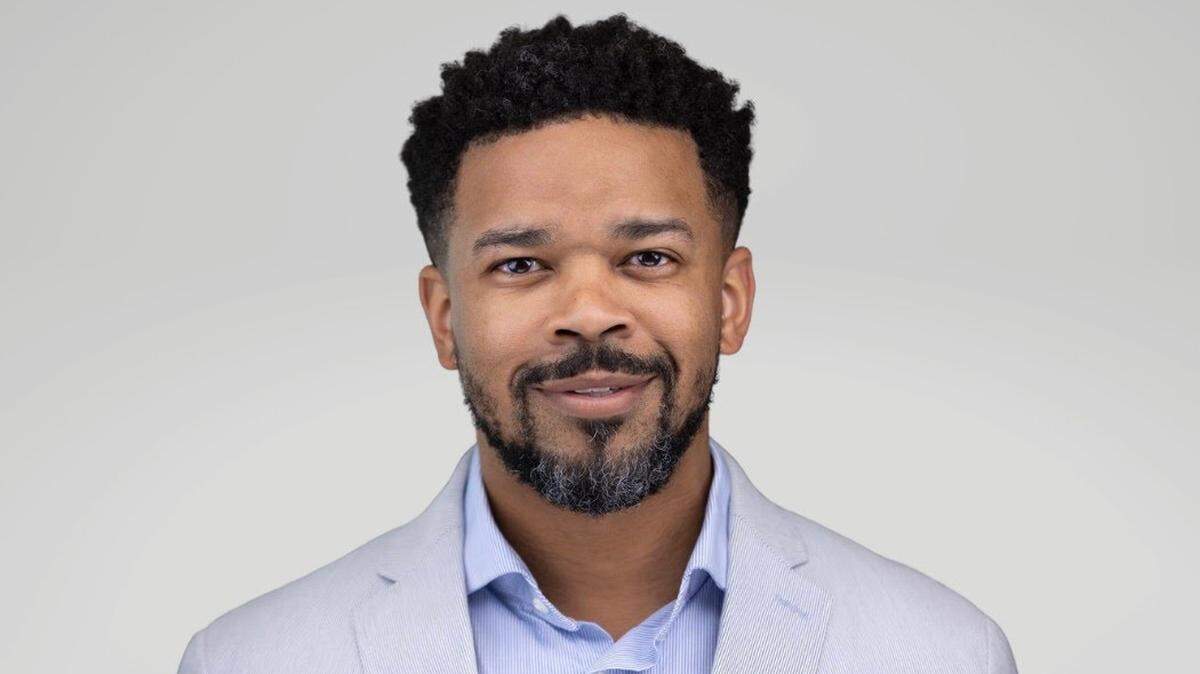
When Dr. Nathan Gause began his first year of medical school, he was stunned to discover he was the only Black male student in the entire program at University of South Alabama. As he progressed through his education and entered the field of orthopedics, he realized that this specialty was among the least diverse in all of medicine.
Originally from Cincinnati, Ohio, Dr. Gause, has called Kansas City home for the past five years, and it’s where he has dedicated himself to inspiring young Black students to explore careers in orthopedics. As the vice-chair of orthopedics at University Health, he has worked hard to show students that a career in the orthopedic field is within their grasp.
After launching his “Bridging the Gap” event for high school students in 2021 at the University of Missouri, Gause decided Kansas City could use an effort encouraging Black students to pursue jobs in the medical field. He brought “Bridging the Gap,” to Kansas City.
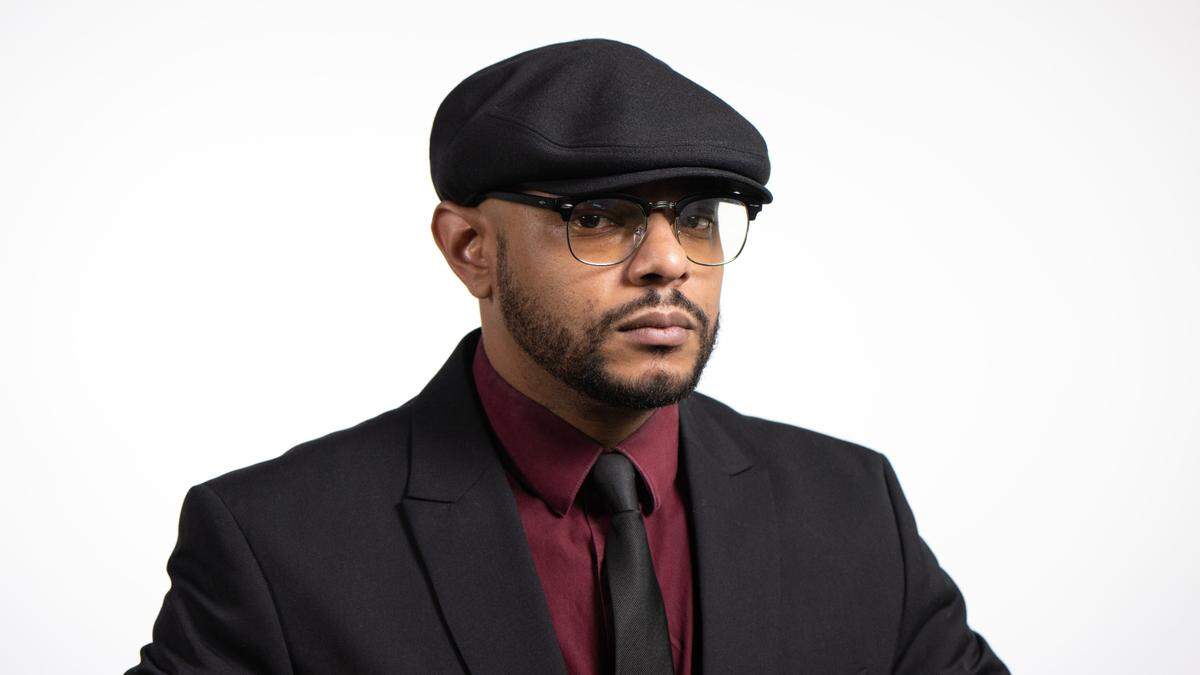
Recently Gause sat down with The Kansas City Star’s culture and identity reporter, J.M. Banks, and talked about the importance of finding mentorship early, diversity in the medical field and expanding his efforts to reach more students.
Banks: Can you share your personal journey into orthopedics?
Gause: I decided to become a physician when I was a senior in high school. I didn’t know the type of physician but just knew that that was the life and career that I wanted to do. I was in a summer program at the Environmental Protection Agency in Cincinnati and in that program, we would do a career highlight. and one of the days happen to be a physician. I thought that it was interesting, I can apply science and I could also be a person who is public facing because I enjoy talking to people. It is exhausting, but I enjoy it.
My parents connected me with a mentor midway through college who happened to be an orthopedic surgeon and he looked like me. He was beautifully melanated like myself. He was instantly like an uncle to me and took me under his wing and taught me what he knew in terms of here is what you need to navigate these waters. I didn’t have anyone in my family who ever got into medicine. He helped me and guided me through. I decided I want to be just like him.
When I give my talks, I always tell them you can’t be what you can”t see, and it was seeing him that helped me see that I could be something greater than I already anticipated.
When did you begin to notice a disparity and diversity within your medical field?
For me, I wasn’t really conscious of it or I didn’t think about it. Living with this skin you kind of assume you are going to be a minority in any space you walk in.
When I got to medical school being the only Black male in my class really hit me then. I went to school in Mobile, Alabama at the University of South Alabama. There were a total of 10 persons that would identify as Black to start with and there was one black male, being me.
By the time I graduated there was one black female and one black male, being myself and another person. So we were the only two to get through all four years consecutively and the other students did graduate eventually but it took them a little more time.
It was then that I began to understand that in medicine the disparity in the work force is very reflective of how our patients are treated because you don’t have adequate representation. When I started to get into the trail of medicine in terms of becoming an orthopedic surgeon, I began to see it more and more. I got into residency spot in Orthopedics in Cincinnati It had been about 15 years since they had anyone melanated in the program. Which leads to the disparities of orthopedics, which is why we’re holding these events in sessions, trying to change and bridge that gap.
Are there any specific challenges in the orthopedic field that prevents doctors of color from taking up that particular field?
There are inadequate pathways that provide opportunity for underrepresented, marginalized communities. Six percent of orthopedic surgeons are women, 2% are Latin X or Hispanic and just under 2% are African American. We are the least diverse specialty in medicine and have been for many years.
Can you share with us what inspired you to start the “Bridging The Gap” event?
Before I began to work for University Health in 2023, I worked for the University of Missouri in Columbia or Mizzou. I never lived in Columbia and I moved to Kansas City in 2020. I worked at Liberty Hospital where Mizzou has a professional service agreement PSA with Liberty Hospital. The program started there. A young medical student who was a first-generation American, and his parents were from Gambia, noticed some disparities in his career and wanted to get into the field because there wasn’t a lot of people who looked like him. We reconnected and I began to mentor him and he originated the idea of starting a mentoring program at Columbia.
The first iteration of this program, I want to say in 2021, I drove down there, performed the keynote and I was around to guide and be a mentor for the medical students that are craving this program. I have been going back subsequently ever since then even after I stopped working at Mizzou.
I decided I lived in Kansas City and this would be a fantastic program for Kansas City. That came to fruition as I moved down to University Health, recognizing the disparity that exists in our inner city and this place could really benefit from a program like this.
Can you walk me through the “Bridging the Gap” event and what participants can expect?
This event will be a day long immersive event that allows high school students the opportunity to see what an orthopedic surgeon does, to get a better understanding of what we treat, and how we treat it.
It allows them to get hands on experience in the operating room where they’re able to see the tools that we use, they are able to dress up like a surgeon. We have various stations, the operating room is one. Another station we have is splinting so they learn how to put on a splint and what that entails. Another station we allow them to use bones, fake bones, where they will be able to put plates and screws in bones and learn how to fix fractures. We have x-ray reading and interpreting, understanding what you are looking at on a film whether it is an x-ray or MRI or CT. We’ll have lectures from orthopedic residents and also a panel of medical students so these high school students can ask questions. There will be representation from the undergraduate school as well as the medical school and minority groups.
How was that first year doing the event and what have been some of your biggest takeaways from it?
The biggest impact I noted during the pre and post-surveys is a lot of young people didn’t know what an orthopedic surgeon was. So seeing them get a taste of that was encouraging to me. Another take away for me was the level of engagement. These are kids that would prefer to do anything on a Saturday that came and gave us their time and they were engaged and hungry for more. For them, based on the post survey, that they thought it was not an insurmountable feat to become an orthopedic surgeon is all I needed to hear and see and they embraced it. It was very encouraging. I want to continue to do it.
How do you plan on growing and evolving the event?
What I think we will end up doing for the orthopedic space, is doing it annually. Our goal ultimately is to expand this into different specialties, so OB/GYN, internal medicine, dermatology.
What is the most important step in fostering diversity in the orthopedic field?
Early intervention. If you can spark interest early enough folks are less likely to be deterred.
What advice would you give to a young Black student thinking about the orthopedic field but who feels discouraged by the statistics?
My advice would be not to get caught up in the numbers. The numbers are what they are and not going to change unless folks in these specific demographics pursue a career in these spaces.
What do you think is the most rewarding aspect of your endeavor?
For me it’s creating a legacy knowing that I’m leaving this place better than how I found it.
For more stories about culture and identity sign up for our free On The Vine newsletter at http://KansasCity.com/newsletters.