
A ‘heat dome’ is headed for Kansas City this week. What does that mean for you?
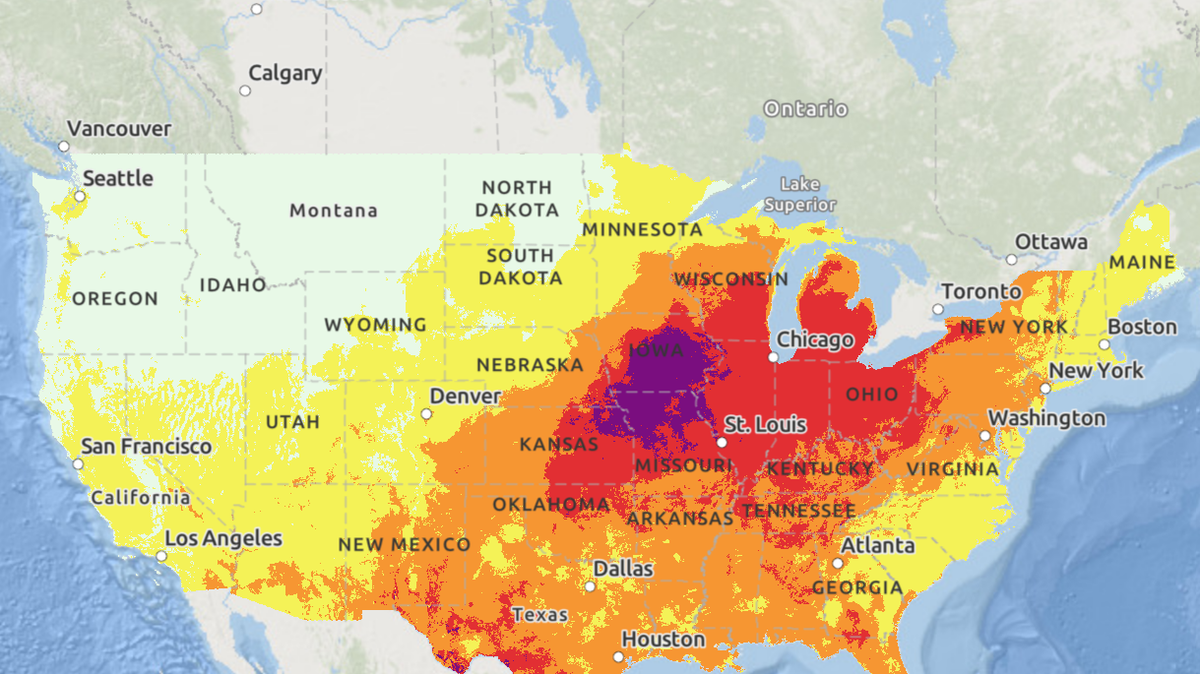
Sweltering heat is on its way to Kansas City and could hit the metro later this week.
An atmospheric feature called a “heat dome” is lingering over the southwestern U.S. and is expected to start moving east in the coming days.
As of Tuesday, forecasts from the National Weather Service predict temperatures will rise into the upper 90s in the Kansas City area over the next week.
The agency’s HeatRisk forecast map shows areas of “major” heat on Thursday, Saturday and Sunday, rising to “extreme” heat on Monday, June 17. The map defines this maximum level of heat as “rare and/or long-duration extreme heat with little to no overnight relief affects anyone without effective cooling and/or adequate hydration. Impacts likely in most health systems, heat-sensitive industries and infrastructure.”
But what causes the phenomenon bringing high temperatures to Kansas and Missouri? Here’s a closer look at what heat domes are and how they impact people on the ground.
What is a heat dome?
A heat dome is a high-pressure system that holds hot air in place while blocking cool wind from moving through a particular area. These high-pressure systems form in the atmosphere and trap hot air in a “dome” that raises temperatures on the ground.
The pressure of heat domes also prevents clouds from forming, offering no relief from rain or overcast skies.
Heat domes are becoming more common around the globe due to human-driven climate change. There’s not much that people trapped under a heat dome can do, aside from staying as cool as possible and waiting for the high pressure system to move on.
What impacts do heat domes have on daily life?
Heat domes create a perfect storm of conditions that can cause a variety of human impacts. One that appeared in Kansas City last summer were high-ozone days, when a grayish haze hung over downtown.
Ground-level ozone, also known as smog, forms when nitrous oxides from machinery emissions interact with sunlight. The combination of clear skies and low wind can cause this ozone to hang around and build up in the air, creating the haze many saw last summer.
Mid-America Regional Council, which issues ozone alerts for the metro area on high-ozone days, hasn’t issued an alert yet this year. Last year, it issued 16 — the highest number in more than a decade prior. Experts don’t expect quite as much smog this year, but only time will tell what levels the summer will bring.
Heat domes also affect infrastructure and machinery. An extreme 2021 heat dome in the Pacific Northwest caused roads to buckle in Washington and trains to shut down in Oregon when power lines melted. Extreme heat is also correlated with human health impacts like an increased risk of heart attack and stroke.
To stay safe from the heat this weekend, minimize time outside and drink plenty of water. If you don’t have access to air conditioning at home, find a local cooling center like a community center, public library or other climate-controlled location.
Do you have more questions about extreme weather in Kansas or Missouri? Ask the Service Journalism team at kcq@kcstar.com.
This story was originally published June 11, 2024 at 3:17 PM.
.jpg)