What is a wind chill warning? What to know before extreme cold hits Kansas City
READ MORE
Winter storm hits Kansas City
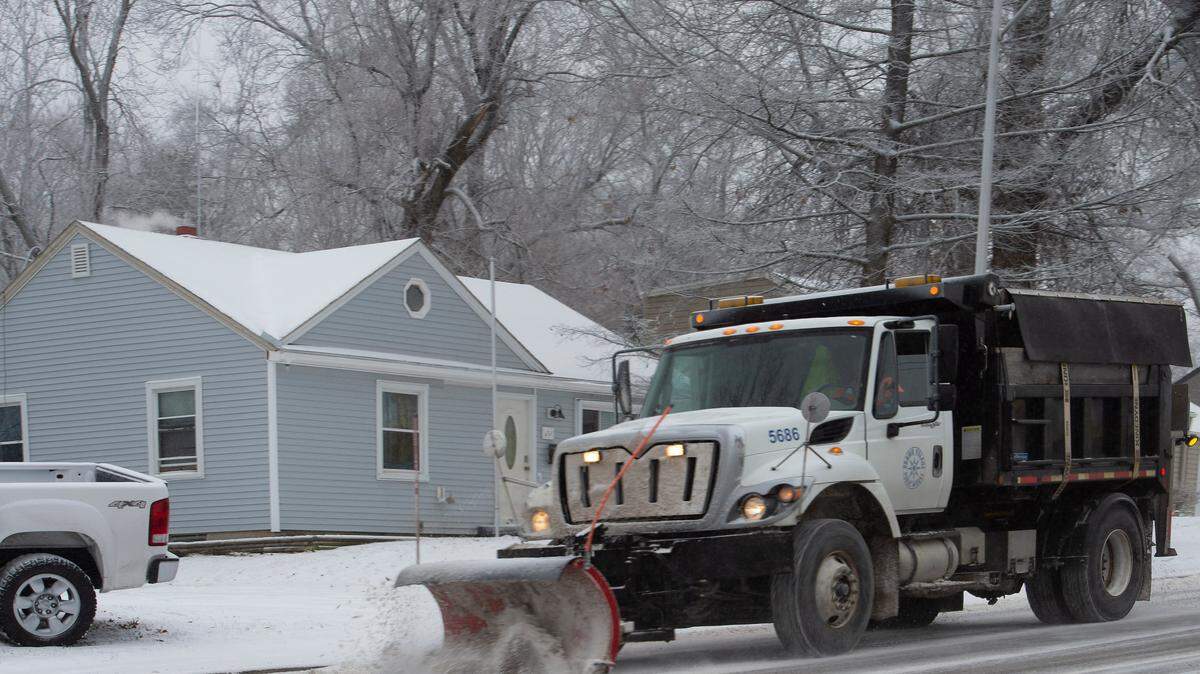
A winter storm hit Kansas City on Thursday, Dec. 22, bringing bitter cold temperatures, freezing drizzle and snow. Blizzard-like conditions are expected to make travel treacherous for a few days. Here’s the latest:
Expand All
Stay inside if you can. Winter storms are coming through Kansas City, and the area is under a wind chill warning from Thursday to Saturday.
The National Weather Service predicts that the highest temperature for the rest of the week will be 36 degrees on Wednesday. After that, the city will be at single-digit temperatures until the afternoon on Christmas Eve, with wind chills below zero.
Meanwhile, white-out and near blizzard-like conditions are possible and could make driving hazardous. Travel is “strongly discouraged” for Thursday and Friday, the National Weather Service said.
Keep yourself warm and safe with these tips.
WHAT IS A “WIND CHILL WARNING?”
The NWS has issued a wind chill warning from Thursday to Saturday morning for the Kansas City area. Dangerously cold wind chills will hit the city, with wind chill temperatures dropping to 35 degrees below zero.
This temperature is the “feels like” temperature you see on your weather apps, and it factors in other elements, such as wind speeds. Higher wind speeds will speed up the body heat lost due to exposed skin, which lowers the body’s temperature.
Wind gusts can reach up to 50 mph during this winter storm, so be careful if you have to step outside, even if it’s for a few minutes.
PREPARE FOR COLD WEATHER
Tips for you, your pets and your neighbors
Because of the extreme cold, NWS is encouraging people to plan ahead. If you have to go outside, bundle up and wear layers on top of your layers. These extreme temperatures can cause frostbite.
The NWS is also urging people to keep their pets’ safety in mind. Those with pets outside should provide them with some kind of heat source or bring them inside because of extreme conditions.
If you know someone who lives alone or you have an elderly relative who lives by themselves, check in on them if possible. Help them make sure their heating systems work properly.
Tips for your home
People who tend to get frozen pipes should make sure they leave their cabinets open to expose the pipes to warmer air, and leave their faucets running a bit.
Tips for your car
If you’re driving somewhere else for the holidays, you should check to make sure your fluids are full and that you have a full tank of gas. Those also headed out into the cold need to make sure they are appropriately dressed for the weather, including having a way to cover their face.
Pack some non-perishable food items, blankets, gloves, hats and other tools in an emergency kit if you end up stranded because of the impending snow. The U.S. Department of Homeland Security said in a statement that you should have:
- A three-day supply of food and water for each person along with items for any pets
- Personal essentials such as medicine and clothing
- A battery-powered or hand-crank radio
- Extra flashlights and batteries
- First-aid supplies
Look for signs of frostbite or hypothermia
If you have to go outside during the extreme cold, American Red Cross asks that you be on the lookout for symptoms of either frostbite or hypothermia. Frostbite is a condition that causes the skin to freeze when it’s exposed to extreme cold for too long, and hypothermia is a medical emergency that happens when you lose body heat faster than you can replace it.
Symptoms of frostbite include:
- Numbness
- Flushed gray, white, blue or yellow skin discoloration
- Waxy feeling skin.
Most cases of frostbite can be treated at home by warming up, but severe instance may need medical attention.
Symptoms of hypothermia include:
- Confusion
- Dizziness
- Exhaustion
- Severe shivering
If you or someone you know is showing these symptoms, Red Cross said you should seek treatment immediately.
FIRE SAFETY WHEN KEEPING WARM
Be careful using space heaters. According to the Missouri Department of Public Safety, the appliance is the leading cause of home fires and home deaths from December through February.
Each year, space heaters account for about one-third of home heating fires and 80% of heating fire deaths.
Missouri state fire marshal Tim Bean stressed two key factors leading to heating fires: not using space heaters and other heating sources as they are designed to be used, and not having smoke alarms in their homes.
“Space heaters are designed to be used to supplement primary heating sources; that’s where the name comes from; they’re meant to help heat limited spaces in a residence that do not warm sufficiently from the primary heating source.” Bean said in a statement. “Also, people need to think of space heaters and smoke alarms as working together. Smoke alarms are essential in the home.”
Bean shared these tips:
Turn off portable heaters whenever leaving the room or going to bed.
Keep anything that can burn at least three feet away from heating equipment. The three-foot safety zone includes anything that can burn, such as furniture, drapes, Christmas trees and electronics.
Have a three-foot “kid-free zone” around open fires and space heaters.
Do not overload extension cords or outlets. Many extension cords and power strips are not designed to handle the load of an electric heater.
Don’t place an electrical cord under a rug, to prevent the cord from overheating and causing a fire.
Never use an oven or other cooking devices to heat your home.
Don’t use an outdoor propane heater indoors. By testing them monthly, ensure your home has working smoke and carbon monoxide alarms.
This story was originally published December 20, 2022 at 1:15 PM.