Heavy rains, stormy weather expected as slow moving front crawls across Kansas City
The Kansas City area is looking like it will get soaked to start off the Labor Day weekend, according to the National Weather Service in Pleasant Hill.
A slow moving cold front is expected to crawl across the region, bringing the chance of several rounds of thunderstorm and heavy rainfall for some areas. Some of the storms may be strong to severe, with the heaviest rains coming Friday night.
Kansas City falls within the area at greatest risk for excessive rainfall on Friday night. That area is roughly bounded by U.S. 36 near St. Joseph to the north and U.S. 54 near Nevada, Missouri, to the south.
Rainfall totals are expected to average between one and two inches by Saturday evening. The Kansas City area, however, could see more than two inches of rain, according to the weather service. Exact rainfall totals are uncertain at this time.
Before the storms move in, however, Thursday is looking nice with temperatures in the mid-80s. Clouds, however will gradually increase throughout the day as the cold front approaches.
The front is expected to move into the region Thursday night, bringing showers and thunderstorms, the weather service said. Gusty winds and heavy rainfall could be possible with these storms.
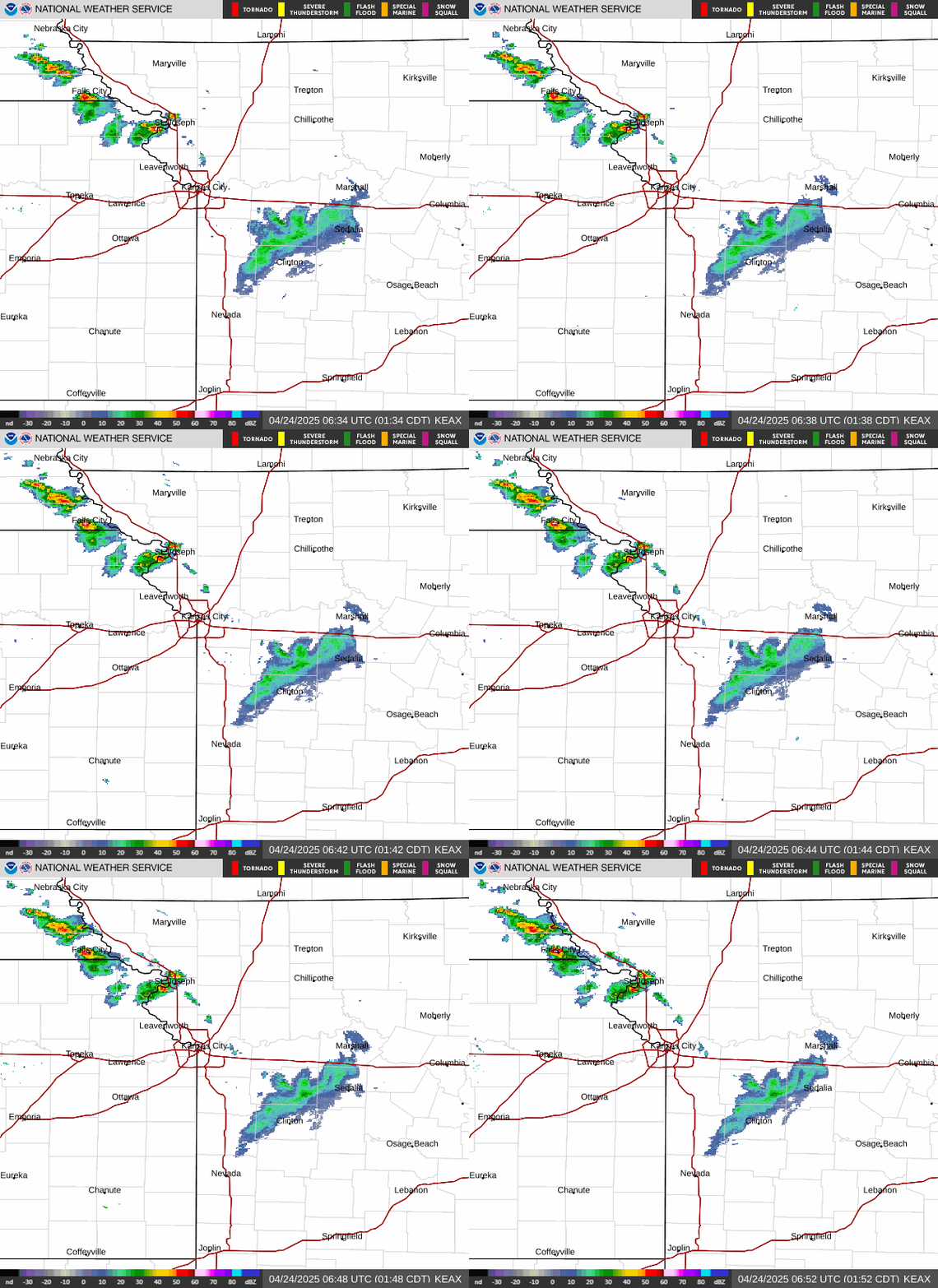
The front will slow to a crawl as it moves through the area Friday, resulting in widespread showers and thunderstorms across eastern Kansas and Missouri, the weather service said.
There is some uncertainty in the forecast where the front might stall out, but there’s increasing confidence that storms will produce multiple bouts of heavy rains which could bring flash flooding to some areas, according to the weather service. The storms could also produce gusty winds and hail.
Because of the possibility of flash flooding, people who live near areas that are prone to flooding are urged to be weather aware.
Once the storms move out of the area, the rest of the Labor Day weekend is looking beautiful with sunny skies returning with temperatures in the mid- to upper 80s.