Missouri farmers to get millions from new grant. The mission? Fight climate change
READ MORE
Regenerative agriculture
In Kansas and Missouri, farmers are using regenerative agriculture to do better business and mitigate climate change.
Expand All
A $25 million grant awarded to the University of Missouri will help about 3,000 farmers implement practices to combat climate change.
The U.S. Department of Agriculture grant is the largest federal grant MU has received in its history. The project will span five years and will focus on expanding regenerative agriculture across the state.
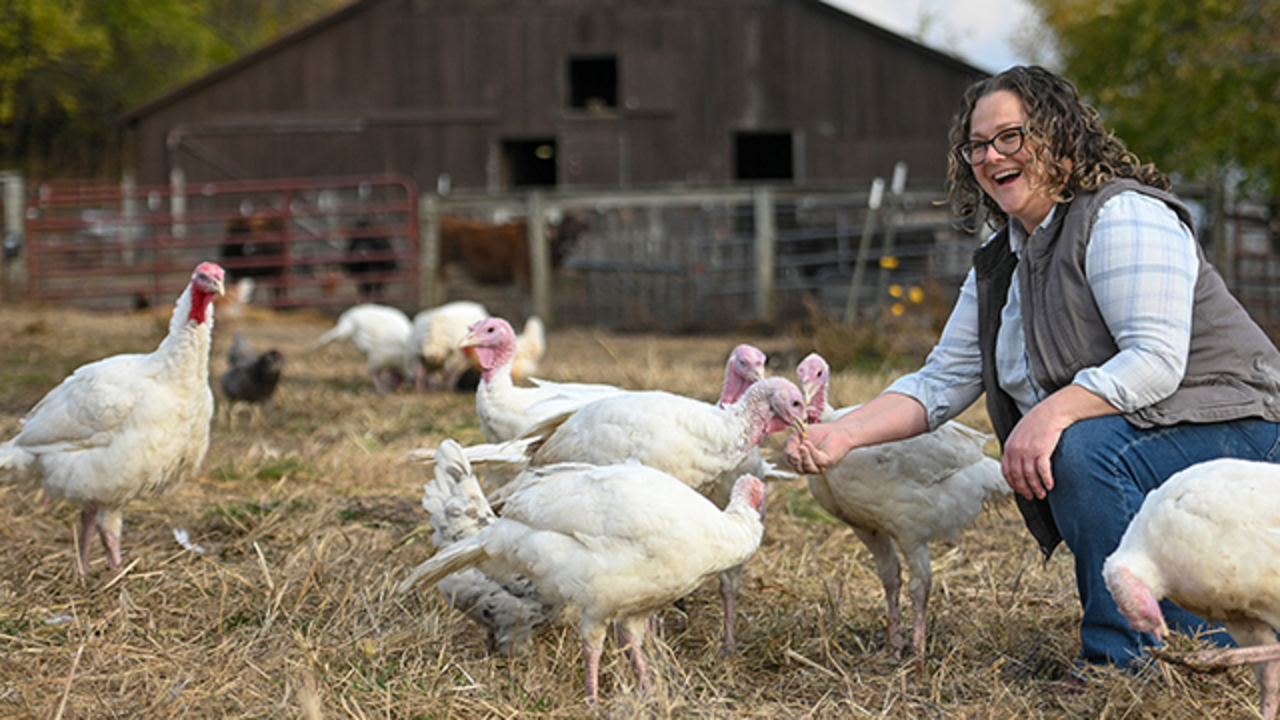
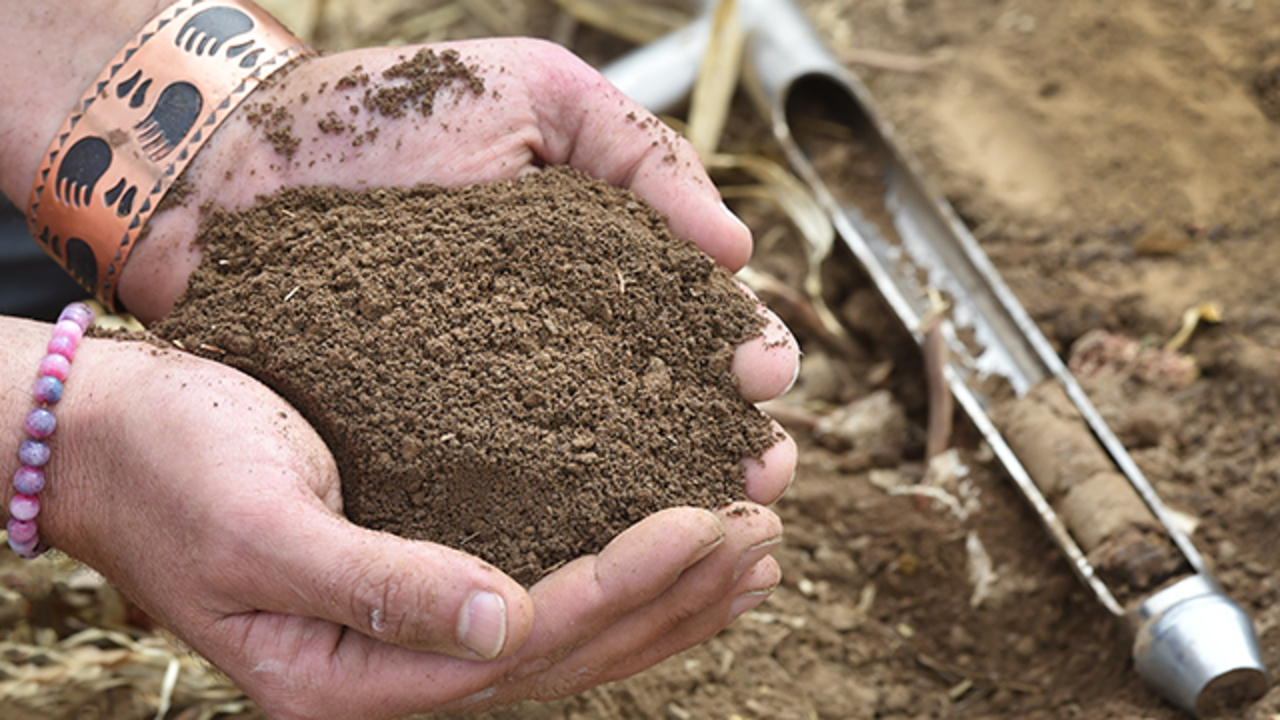
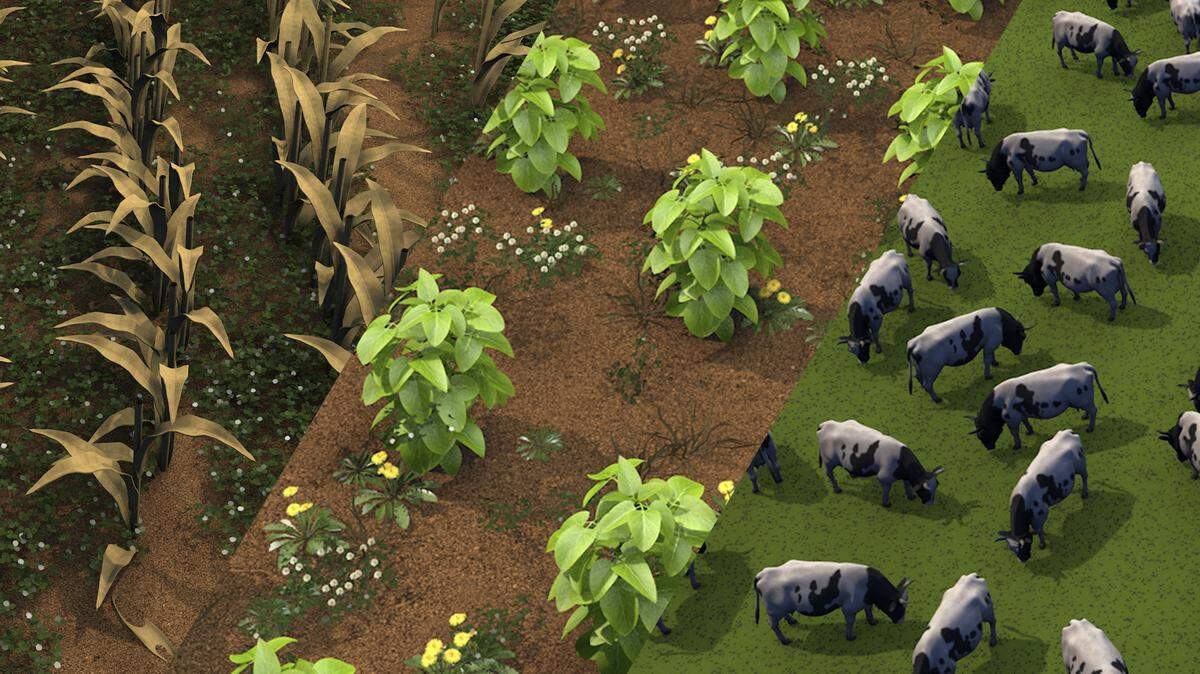
Regenerative agriculture includes methods like rotating grazing areas, diversifying crops and reducing or eliminating tilling. Those practices result in better soil and more roots in the ground, which in turn helps sequester more carbon from the atmosphere.
“Our particular project is focused specifically on Missouri and it will be aimed at helping farmers with a variety of practices to help them deal with a changing climate,” said Rob Myers, director of Mizzou’s Center for Regenerative Agriculture.
Up to 3,000 farmers will receive direct financial assistance to support planting cover crops, regenerative grazing, agroforestry and nutrient management. Other goals of the grant include providing training, reaching small farmers and broadening the markets farmers sell to.
An estimated 500,000 acres of farmland will see changes. Myers said that will offset emissions from at least 200,000 vehicles.
In a news release, UM President Mun Choi said the school is committed to addressing local and global challenges to improve society.
“This grant demonstrates the confidence the nation has in MU scientists who continually seek answers on some of society’s toughest issues,” he said. “We expect that the discoveries made during this transformational project will be expanded to address similar challenges throughout the nation and world.”
Farmers in Missouri and beyond have felt the effects of climate change. Rainstorms have been more intense, leading to flooding and erosion, Myers said. On the flip side, there have also been more prolonged periods of drought.
“So whether it’s too dry or too much rain at one time, those create real challenges for farmers,” he said.
Companies like Wrangler and General Mills have supported regenerative agriculture efforts in Missouri.
“I hope by the end of the project we’ll have really helped move the needle in Missouri in terms of helping farmers to come up with ways of farming that make their soils more resilient and make them better able to deal with some of these climate challenges,” Myers said, adding that implementing regenerative practices will help sustain the food system in the long term.
More information can be found at cra.missouri.edu.
This story was originally published September 27, 2022 at 2:01 PM.