Your last-minute guide to voting in the Kansas City area: Hours, rules, ID requirements
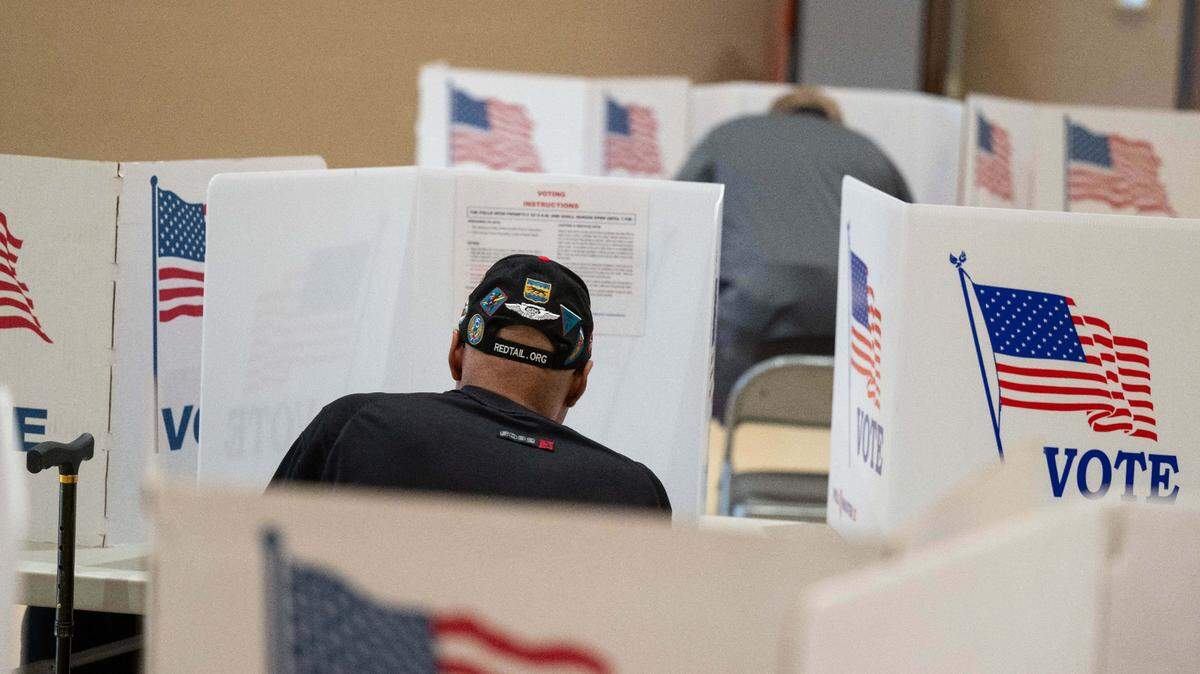
After a massive start to early voting and months of anticipation, 2024’s Election Day is here.
In addition to voting in the presidential election for Kamala Harris or Donald Trump, Kansas and Missouri voters have many state and local issues on the ballot. They will choose Kansas legislators, Missouri’s next governor, and the future of abortion and minimum wage in the Show Me State.
Around Kansas City, more than 400,000 have already cast their ballot by mail and using in-person absentee voting. But you can still cast your ballot on Tuesday, Nov. 5, on both sides of the KC metro area.
Here’s what Missouri and Kansas voters should know about where and when to vote, what they need to cast their ballot, how to research the options and lots more.
When can I vote on Election Day?
All polling places in Kansas are required to be open at least 7 a.m. to 7 p.m. Tuesday, Nov. 5, but some begin welcoming voters as early as 6 a.m. or stay open as late as 8 p.m.
In Missouri, polling places are open 6 a.m. to 7 p.m.
As in all elections, if you’re in line when the polls close in the evening, you still have a right to vote, so stay in line until you’re able to cast a ballot.
How do I find my polling place in Missouri or Kansas?
Missouri voters should check with the state’s voter information search tool at voteroutreach.sos.mo.gov. You can also check directly with your local election board.
Kansas voters should use the state’s VoterView tool at myvoteinfo.voteks.org, or consult with their local election board.
Keep in mind: Some polling locations may have changed, so it’s important to make sure you double check your polling location before heading out to vote on Election Day.
Can I still vote early in person?
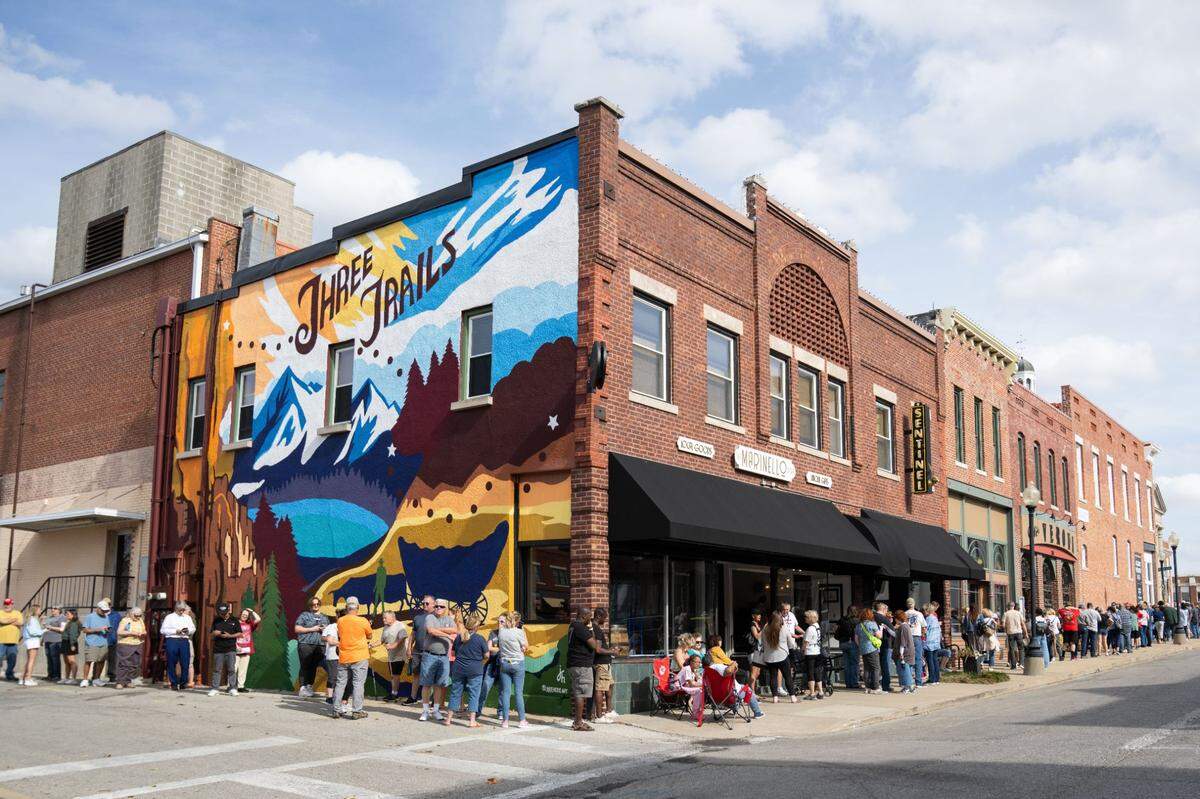
No, early voting ended Monday, Nov. 4, in all Kansas and Missouri counties.
Can I still vote by mail?
You can still return your mail ballot if you have one, but it’s too late to request an absentee ballot be sent to you.
Missouri requires absentee ballots arrive at election boards by 7 p.m. on Election Day, whether mailed or dropped off at your local election board. So if you’re cutting it close, you’re probably better off taking it in person rather than mailing. Note that Missouri doesn’t allow ballot drop boxes, so you’ll have to go during election offices’ hours. Many election boards do offer curbside assistance.
Kansas is a little more flexible with mail ballots, accepting them through Friday, Nov. 8, as long as they were mailed and postmarked by Election Day. And many counties do have drop boxes, including Johnson and Wyandotte counties.
But be careful if you’re just putting it in the mailbox now: Kansas and Missouri have had problems with delayed mail, and in Kansas, some primary ballots did not come early enough to be counted in August. Kansas does offer ballot tracking so you can follow your ballot’s progress, but many Missouri counties do not.
What ID do I need in Missouri?
2024 is the first presidential election since Missouri changed its ID requirements in 2022, so make sure you take note if it’s been a while since you voted.
Registered Missouri voters will need a current or recently expired photo ID issued by the federal or Missouri governments. IDs from other states are not accepted. Usable forms of photo ID for Missouri include:
▪ A Missouri driver’s license or a state ID that is current or expired after Nov. 8, 2022
▪ A non-expired military ID, including a veteran ID card that is current or expired after Nov. 8, 2022
▪ A U.S. passport or another form of photo ID issued by the U.S. government or the state of Missouri that is current or expired after Nov. 8, 2022
If you don’t have one of these forms of identification but registered to vote in Missouri in time, you can cast a provisional ballot. Your provisional ballot will count if the signature on your provisional ballot envelope is determined by your local election authority to match the signature on your voter registration record or you return to your polling place on Election Day with a photo ID.
What ID do I need in Kansas?
Kansas has more options for acceptable photo IDs. Only voters 65 and older can use expired identification.
▪ Driver’s license or ID card issued by Kansas or another state
▪ Military ID
▪ U.S. passport
▪ ID card issued by a Native American tribe
▪ Employee badge or ID issued by a government office
▪ Student ID card from an accredited postsecondary education institution in Kansas
▪ Concealed carry license issued by Kansas or another state
▪ Public assistance ID card issued by a government office
How can I learn about KS and MO candidates?
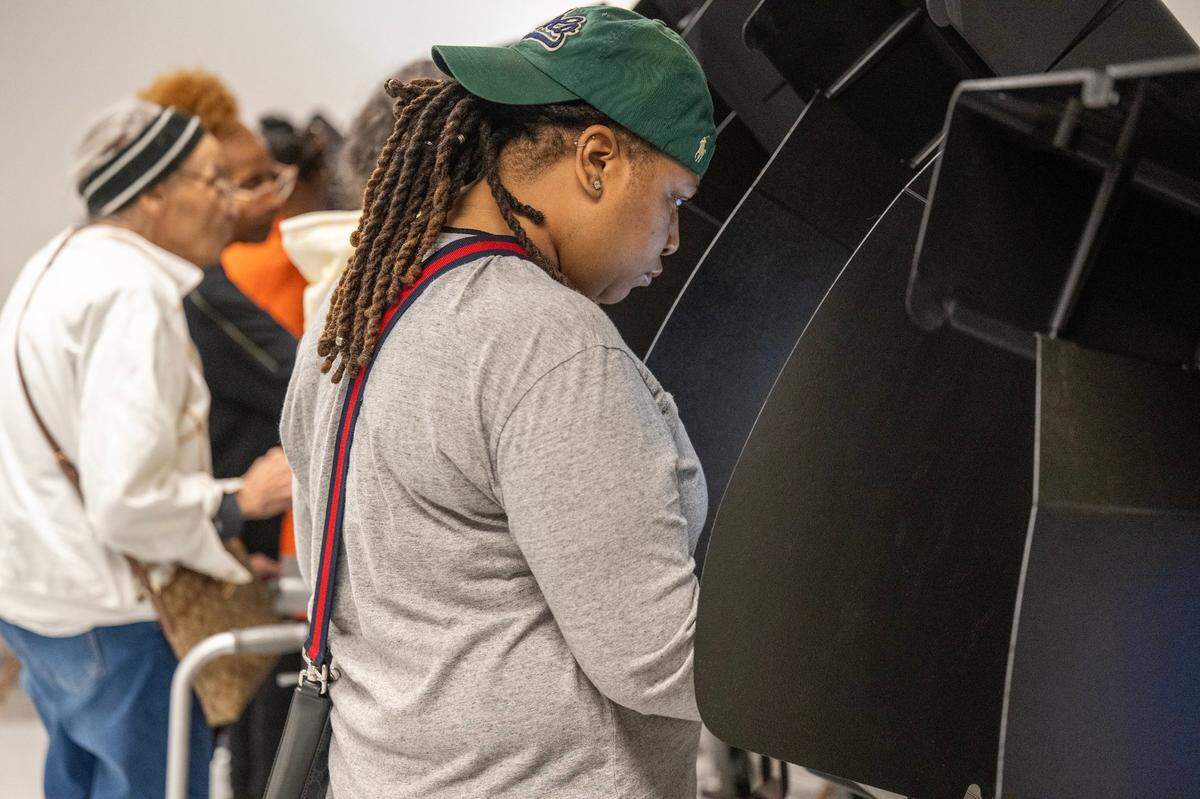
You can see what your ballot will look like on Kansas’ VoterView tool or Missouri’s voter lookup system.
There’s a lot more detailed information about candidates on Kansas City area ballots on voter guides put together by The Star and the nonprofit KC Media Collective at kcvoterguide.org. It features races on the Missouri side, including local Jackson, Clay and Platte county offices, and the Kansas side, including Johnson and Wyandotte counties’ info.
How do I learn about ballot issues?
Missouri also has a packed list of ballot issues — five amendments and one proposition, most of which The Star has covered extensively:
▪ Amendment 2, which would legalize sports betting on professional and collegiate teams.
▪ Amendment 3, which would overturn Missouri’s abortion ban and enshrine reproductive rights in the state constitution.
▪ Amendment 5, which would allow a gambling boat to operate on the Osage River near the Lake of the Ozarks.
▪ Amendment 6, which would charge criminal defendants additional court fees for sheriffs’ and prosecuting attorneys’ pensions.
▪ Amendment 7, which would specify that ranked-choice voting, open primaries and non-citizen voting are not allowed in Missouri.
▪ Proposition A, which would increase the minimum wage in Missouri to $15 an hour by 2026 and require sick leave for more workers.
Other ballot issues apply to specific local areas:
▪ Jackson County will decide whether to raise property taxes slightly to fund senior services in the county.
▪ Kansas City, Kansas will decide on a school bond issue, which would raise taxes to rebuild some schools and consolidate others.
▪ Platte County will decide on a sales tax increase to fund children’s services in the county.
What should and shouldn’t I bring to the polls?
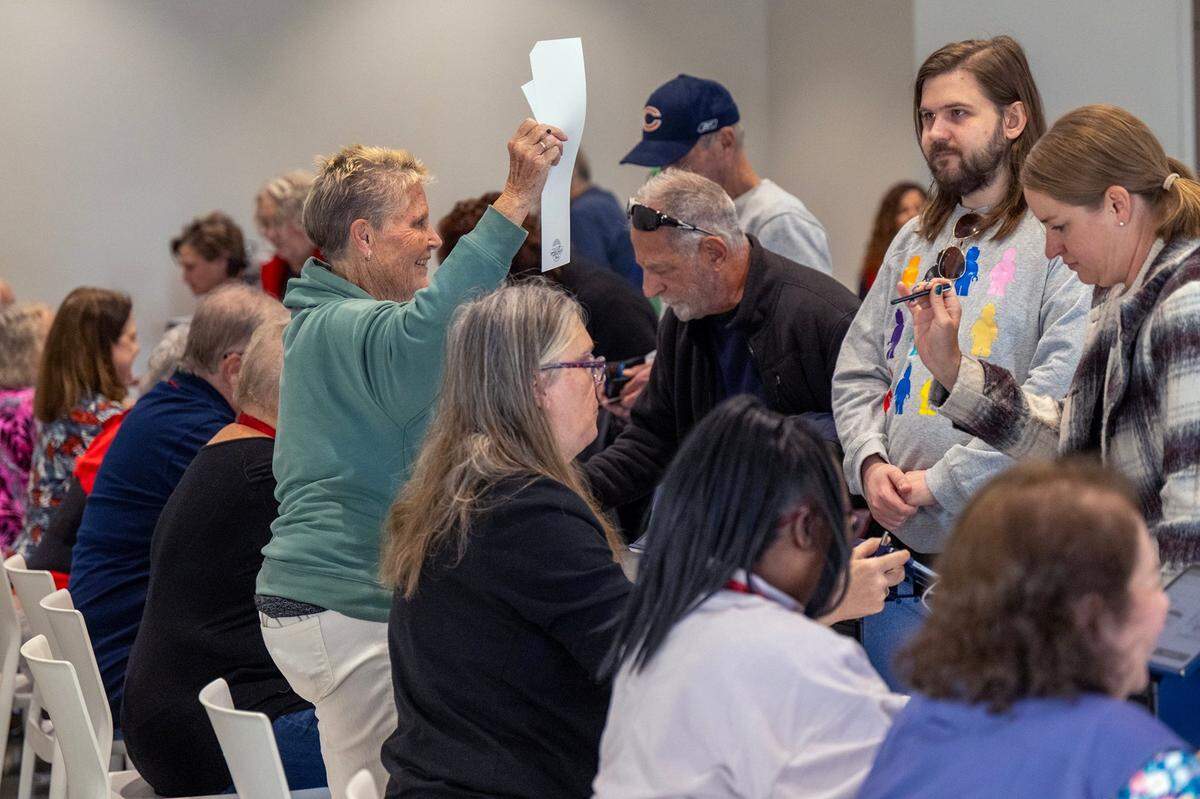
You should bring your phone, sample ballot or paper notes so you know who and what you want to vote for. But leave any campaign materials or mailers from political groups at home (take a picture of it if you need it to refer to), because that can be considered electioneering, which is illegal inside polling places.
You should also not wear any political shirts, hats, buttons, etc., including those representing campaigns or issues. That again can be considered electioneering, and you’ll be asked to remove or hide it as you enter the polling place.
What’s the Election Day weather like?
It’ll be a cloudy day, with some rain possible during the day. Expect a high of 59 degrees and a low of 42.
How do I reach my election office?
If you have questions about voting eligibility, accessibility, registration or locations, contact your local election board.
Missouri
▪ Kansas City Election Board (Kansas City residents in Jackson County): 816-842-4820
▪ Jackson County Election Board (rest of Jackson County, like Raytown or Independence): 816-325-4600
▪ Clay County Board of Election Commissioners (all of Clay County): 816-415-8683
▪ Platte County Board of Elections: 816-858-4400
Kansas
▪ Johnson County Election Office: 913-715-6800
▪ Wyandotte County Election Office: 913-573-8500
Where can I get results following Election Day?
Results from national, state and local races will be posted on KansasCity.com as they come in Tuesday night.
If you have issues voting, let The Star know via our tip sheet at kansascity.com/submit-news.
Have more questions about how to vote? Email the Service Journalism team at kcq@kcstar.com.
This story was originally published November 1, 2024 at 5:00 AM.