Missouri governor cut millions for KC projects & programs. Who lost funding?
AI-generated summary reviewed by our newsroom.
- Kehoe signed the budget and vetoed or restricted $493.3 million.
- At least 12 Kansas City-area projects had nearly $13 million cut or restricted.
- Cuts included $7 million for a UMKC dental satellite and $500,000 for the WWI Museum.
Kansas City’s annual Juneteenth celebration. Millions of dollars for a local dental program. Funding for the National WWI Museum and Memorial and a police training facility in Lee’s Summit.
All received cuts.
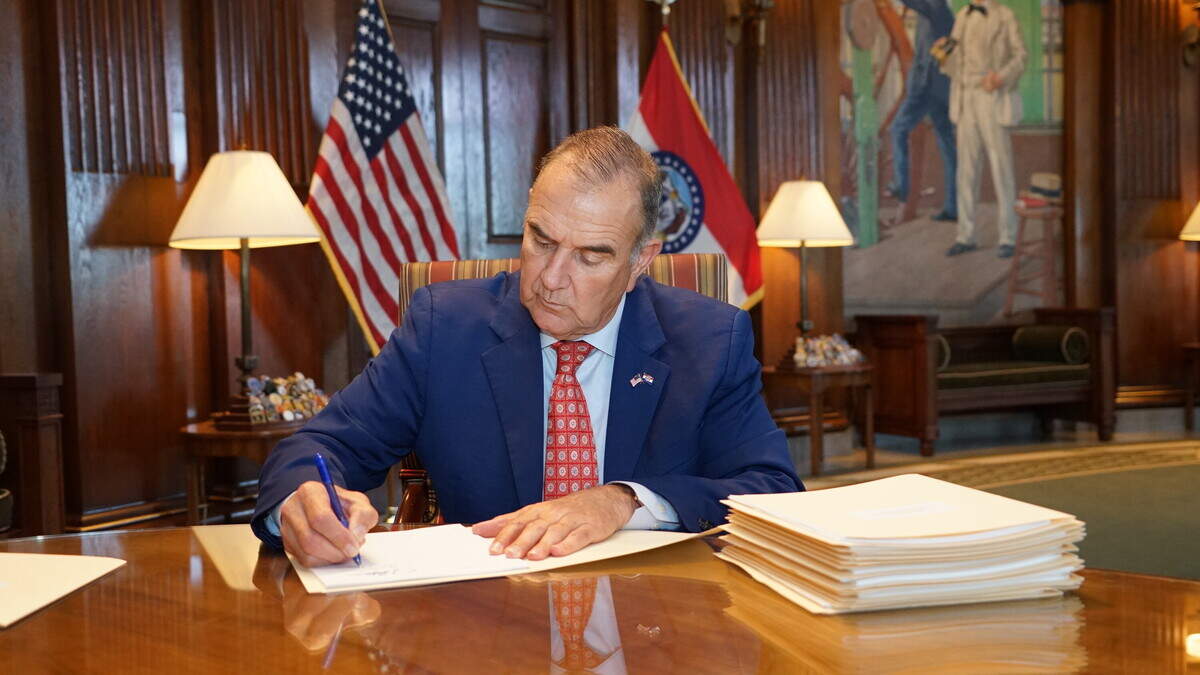
When Gov. Mike Kehoe on Tuesday unveiled sweeping budget cuts for the next fiscal year, the Republican governor slashed millions for Kansas City-area projects and organizations. The cuts have left some groups scrambling and frustrated some lawmakers who approved the funding.
Kehoe signed the state’s roughly $50 billion budget for the next fiscal year on Tuesday. But he also vetoed or restricted $493.3 million for projects approved by lawmakers, citing a need to cut spending ahead of a massive revenue shortfall.
In the Kansas City area, the cuts touched a wide array of projects. The Star identified at least 12 local organizations or projects that lost funding, totaling nearly $13 million in cuts. Those figures are based on a review of Kehoe’s budget veto notes and could be higher.
One of the cuts targeted Kansas City’s Bruce R. Watkins Center, which provides exhibits and programs to highlight African-American history. The center received a $100,000 cut.
“It hurts,” said Gayle Hill-Suber, president of the center’s board of directors. “It’s quite unfortunate that the governor chose to deprive the Bruce Watkins Center and the citizens of Kansas City of this funding. Instead of being cut, the funding should be tripled, in my opinion.”
Inside the cuts
The Republican governor vetoed money intended for the following Kansas City-area projects or organizations:
- Workforce Pre-Apprenticeship Kansas City: $625,000
- Bruce R. Watkins Center: $100,000
- Juneteenth Kansas City: $100,000
- WWI Museum: $500,000
Kehoe also restricted — or froze — money that lawmakers approved for the following Kansas City-area projects or organizations:
- Sugar Creek Road Improvements: $700,000
- Ronald McDonald House of Kansas City: $1 million
- Lee’s Summit Tactical and K-9 Training Facility: $250,000
- Missouri Western/University of Missouri-Kansas City Dental School Satellite Program: $7 million
- Kansas City Current practice facility: $1.5 million
- American Jazz Museum: $500,000
- Samuel U. Rodgers Health Center: $700,000
The cuts came as Kehoe and top statewide officials have long predicted that Missouri would face a grim financial situation after years of being propped up by federal pandemic aid. A wave of recent tax cuts and an extraordinary plan to eliminate the state’s income tax are poised to compound the more sober financial reality.
Kehoe pointed to the state’s bleak finances in a statement explaining his cuts on Tuesday.
“State government doesn’t have a revenue problem; we have a spending problem, and continuing to spend faster than we grow our economy is not a sustainable path forward,” Kehoe said.
The top-ranking Democrat on the Missouri House Budget Committee warned in an interview that organizations on the restricted list were not likely to receive the funding this year, pointing to the state’s financial situation.
“Any cuts to the budget at this point are going to have significant impacts to people across the state of Missouri,” said Rep. Betsy Fogle, a Springfield Democrat. “The programs that were cut and the governor vetoed were meaningful programs.”
WWI Museum & Juneteenth
One of the most noteworthy cuts in the budget was $500,000 intended to boost the National WWI Museum and Memorial, which has attracted visitors from across the globe as Kansas City plays host to the World Cup this summer.
Museum President Matthew Naylor, in a statement, emphasized that Missouri lawmakers had made substantial contributions to the museum in recent years and suggested that the museum would continue its operations despite the funding cut.
“While we’re disappointed this year’s $500,000 appropriation didn’t survive the Governor’s final review, we remain deeply grateful for the state’s sustained investment in this national treasure,” Naylor said. “We remain committed to honoring those who served and learning from their sacrifice. We look forward to an ongoing partnership in the years ahead.”
Meanwhile, Kehoe also slashed $100,000 intended for the annual Juneteenth celebration in Kansas City’s 18th and Vine Historic Jazz District.
“We’re definitely shocked and really disappointed,” said Makeda Peterson, the celebration’s program director. “It’ll significantly hurt the Juneteenth celebrations here in Kansas City.”
Another pillar of Kansas City’s 18th and Vine District, the American Jazz Museum, also had $500,000 of its funding restricted. Niki Lee, the vice chair of the museum’s board of directors, said the museum recognized the state’s “significant fiscal challenges” and understood that leaders had to make difficult financial decisions.
“We continue to respectfully encourage (state) leaders to view arts and cultural investment not as discretionary spending, but as strategic economic development,” Lee said.
Tourism, Lee said, is one of Kansas City’s “most important economic sectors.”
The Ronald McDonald House Charities of Kansas City provides families with free lodging and support while their children with serious illness receive care. Kehoe’s administration restricted another $1 million that lawmakers had approved for the organization.
It remains unclear how the frozen funds might impact the organization. Officials said Wednesday they could not comment on the decision.
Another project that had its funding restricted would have repaired a road in Sugar Creek that has been shut down due to “sinking,” according to the Republican lawmaker who requested the funding.
Rep. Mike Steinmeyer, a Sugar Creek Republican, said he’s twice requested state money to fix the road. Both times, Kehoe has restricted the money from being used immediately, he said.
The closure of the road — Courtney Road — has created a “public safety issue,” said Steinmeyer. He said he was frustrated by the decision, but understood that the Republican governor simply looks at certain projects as line items on a budget.
“It’s frustrating, because it is a public safety concern that the city has had to deal with and we need to get that road properly repaired,” he said. “Sugar Creek doesn’t have an extra $700,000 laying around.”
For Hill-Suber, the Bruce R. Watkins Center’s educational and cultural programs help connect people, especially young people, to African-American history in Kansas City.
“We reach out and strive to educate, empower and enrich the lives of all the visitors who engage with the Bruce Watkins Center,” Hill-Suber said. “This should be a priority for our governor, not something on the chopping block.”
The Star’s Matthew Kelly, Jack Harvel, Dylan Lysen and Cuyler Dunn contributed reporting.