Missouri AG threatens legal action against clerks who don’t use gerrymandered map
A Missouri Supreme Court ruling this week on the state’s gerrymandered congressional map has upended the looming August primaries, leaving local election officials scrambling to decide which map to use.
In the immediate aftermath of the ruling, election officials in Jackson and Ray counties said they were stuck in limbo. One GOP election official in Kansas City, however, said the city’s election board planned to press forward with the new map until they heard otherwise.
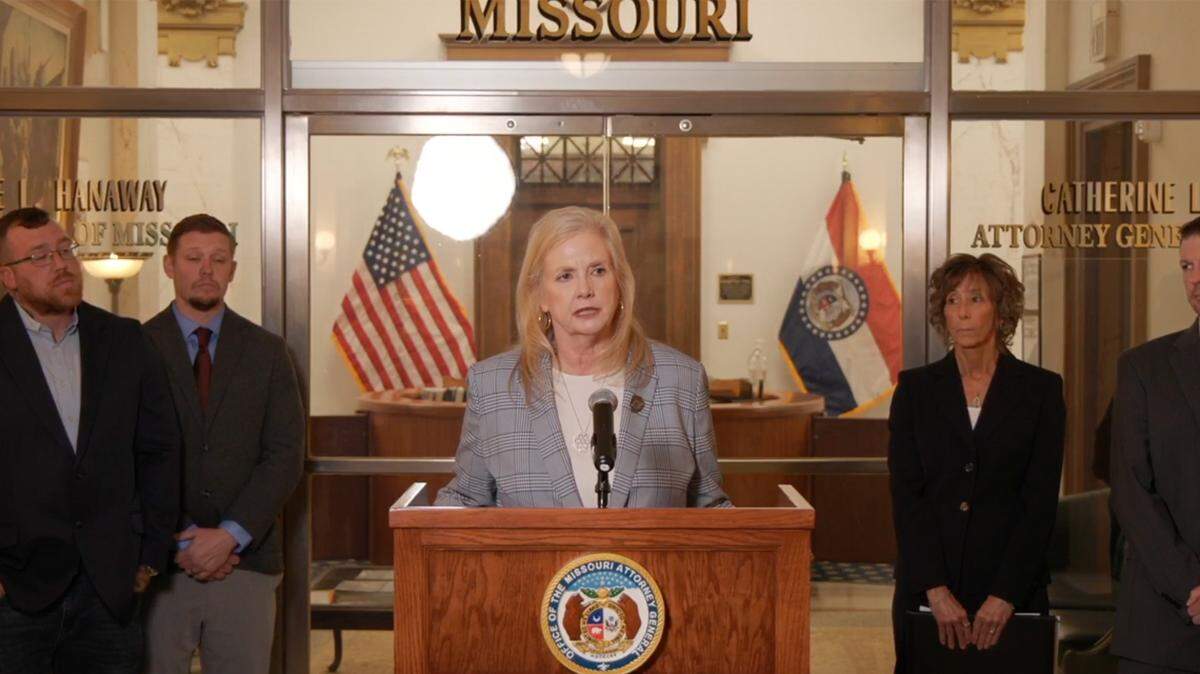
And then on Thursday, Republican Attorney General Catherine Hanaway issued a legal opinion stating that failure to use the new map in the Aug. 4 primaries “is a clear violation of the law.”
The state Supreme Court’s ruling on Tuesday upheld the map as legal, but also ushered in a chaotic moment in Kansas City and across Missouri. Voters, and even some election officials, are gearing up for the August primaries unsure of which district they live in and whether the election itself might eventually be overturned.
Hanaway, however, argues the map is clearly in effect for the Aug. 4 primaries and has threatened legal action against at least one local election official.
At the center of the chaos is the state’s new map, which Republican lawmakers approved last year under pressure from President Donald Trump. The map carved Kansas City into three GOP-leaning districts, forcing the city into a bitter fight for U.S. House seats across the country.
The most recent turmoil stems from the second of two rulings from the state’s highest court that focused on a referendum campaign, called People Not Politicians, that last year turned in more than 305,000 signatures to force a November statewide vote on the map.
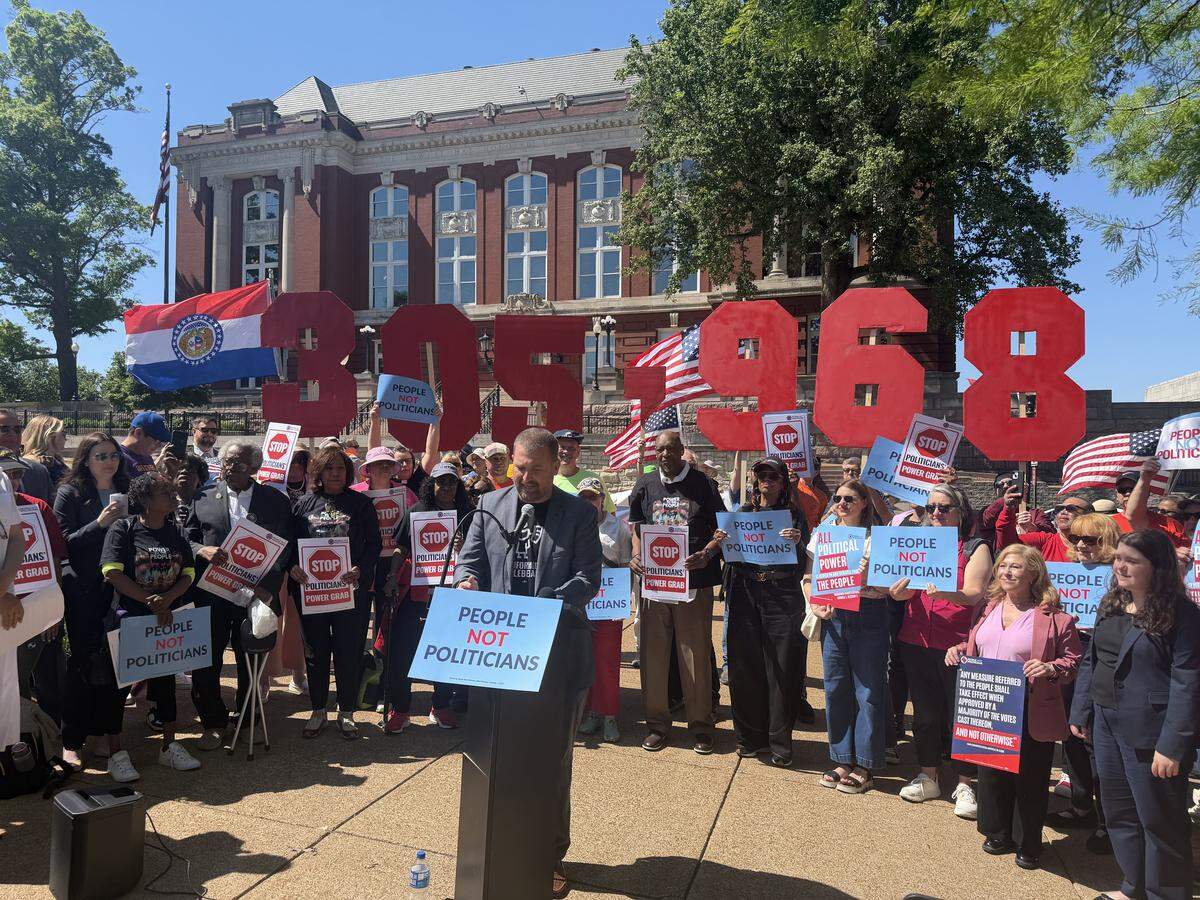
The referendum, a quirk in Missouri law, allows citizens to challenge most bills passed by state lawmakers through a statewide vote. The campaign seeks to strike down the map at the ballot box, which would revert the state’s congressional districts back to the map lawmakers approved in 2022.
The Supreme Court found that when the campaign turned in signatures, that action alone did not block the new map. Instead, the court ruled that it was “impossible to say” whether the map was in effect until Secretary of State Denny Hoskins decided whether to certify the referendum for the ballot.
That acknowledgement scrambled the upcoming primaries as election officials prepare to finalize ballots by May 26. Pressure is mounting for Hoskins, a Republican and staunch supporter of the new map, to decide whether the campaign can reach the ballot, a decision that would also effectively block or enact the new map for the upcoming elections.
Missouri vs. election clerks
The controversy has now reached a fever pitch. On Wednesday, the top election official in Boone County, home to Columbia and the University of Missouri, vowed not to implement the new map until Hoskins decides on the referendum.
“I am caught in the untenable position of trying to predict when and how you will issue a determination about the sufficiency of the petition,” Brianna Lennon, the Boone County clerk, wrote in a letter to Hoskins on Wednesday.
“Until that time,” Lennon wrote, “I have no actionable legal information as to what congressional map is in effect, so I will not be making any changes to the map that was in place prior to the enactment of (the new map).”
Republicans, who contend that the new map is in effect, have seized on Lennon’s comments, framing her as an obstructionist. Hanaway, the Republican attorney general whose office defended the map in court, accused Lennon of “defying the law.”
“I have lots of thoughts about what the civil and criminal penalties are for a clerk who doesn’t use the appropriate congressional maps,” Hanaway said during a conservative talk show interview Thursday. “And I think we’ll be having some communications with her about that.”
Hours later, Hanaway’s office released her opinion stating that the new map, called HB 1, was in effect and would be used in the August primaries unless Hoskins made a decision on the referendum prior to the election.
“State and local election officials must take all appropriate steps to ensure the HB 1 map is fully implemented in advance of the 2026 primary elections,” Hanaway wrote. “Failure to do so is a clear violation of the law.”
Hoskins, the secretary of state, forwarded the legal opinion in a letter to local election officials on Thursday. In the letter, he wrote that the new map “remains in full force.”
Map opponents contend that Hanway’s opinion did not override the Supreme Court’s ruling, which declared that it was “impossible to say” whether the map was in effect. They point to a 1975 Missouri Supreme Court ruling that states “an opinion of the Attorney General is not binding upon the courts or the citizenry.”
And Lennon hasn’t been the only local election official with questions.
KC clerks weigh in
Before the opinion, Tammy Brown, the Republican director of the Jackson County Election Board, appeared to echo Lennon’s argument in an interview with The Star on Wednesday, saying her county’s election board would not finalize the map for the upcoming August primaries until Hoskins makes a decision.
“All of the LEAs (local election offices) are in the same boat,” Brown said. “I think everybody is just waiting.”
Heather Maulsby, the clerk in Ray County, also reiterated Lennon’s argument in an email to The Star on Thursday.
“Ray County is doing the same as Boone County,” Maulsby said. “We are waiting to implement until SOS Denny Hoskins decides on the referendum campaign.”
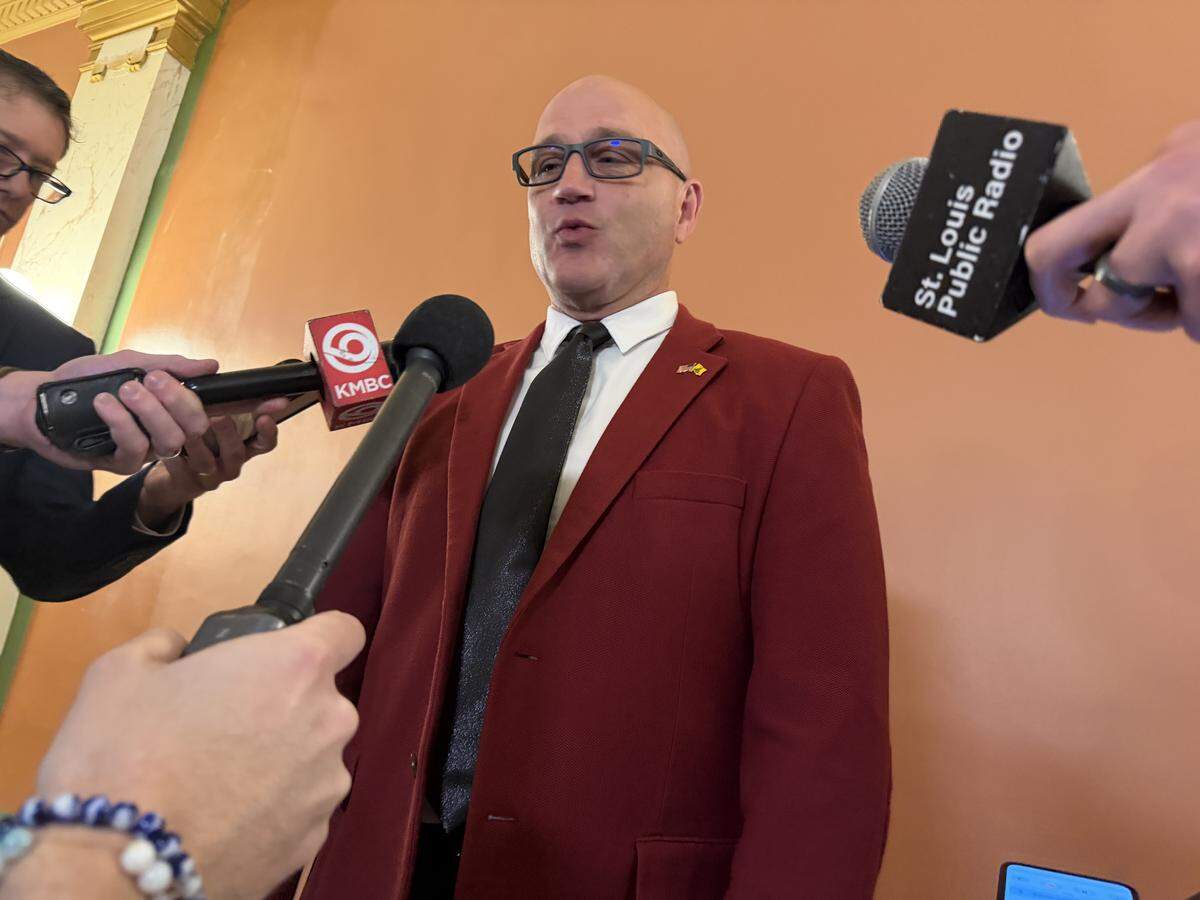
Meanwhile, Shawn Kieffer, the Republican director of the Kansas City Election Board, took a different position in an interview with The Star Thursday morning and said the board was planning to move forward under the new map and just needed guidance from Hoskins.
“That’s what we’re anticipating,” Kieffer said when asked about using the new map. “We are waiting for a directive from the Secretary of State’s Office to go ahead and go forward with it.”
Kieffer acknowledged, however, that the board’s attorneys were looking into the flurry of legal questions regarding the referendum and the map.
“They really don’t know how things are going to work out at the end,” he said. “But they’re very aware of Brianna Lennon’s letter and they’ll be monitoring that situation closely.”
Tiffany Ellison, the Democratic director of the Clay County Board of Election Commissioners, said the board had not met to discuss its next move.
“Consequently, no official position has been established at this time,” Ellison said.
All eyes on Hoskins
That waiting period could spark further chaos and lawsuits. Hoskins has until Aug. 4 — the same day as the August primaries — to determine whether the referendum campaign is sufficient and can reach the Nov. 3 ballot.
Hoskins told reporters on Tuesday he planned to complete his certification process “by Aug. 4,” comments that suggested he might wait until the final day to determine whether the referendum qualifies for the ballot.
The state’s top election official then went a step further and said he had questions about the legality of the referendum itself, a remarkable admission that he might try to determine the referendum is insufficient for the ballot, even though the campaign submitted enough valid signatures.
At the core of the controversy is the looming uncertainty surrounding the legality of the upcoming election itself. The mid-decade redistricting effort, legal fights and serious questions about the map have thrust Kansas City and Missouri into uncharted waters.
“Missouri law did not really envision where we are exactly,” Chuck Hatfield, an attorney for a referendum campaign, said earlier this week.
The Star’s Ilana Arougheti, Jenna Ebbers and Eleanor Nash contributed reporting.
This story was originally published May 14, 2026 at 3:51 PM.