Local hemp shops have boomed in KC. Now they’re grappling with new federal ban
AI-generated summary reviewed by our newsroom.
- Federal .4 mg THC cap will effectively ban most hemp products nationwide.
- Kansas City shops face closures unless Missouri or Congress adopt new rules.
- Industry groups push state regulation and federal fixes to save jobs and market.
Emmitt Monslow’s hemp shops in the Kansas City metro are his version of the American dream.
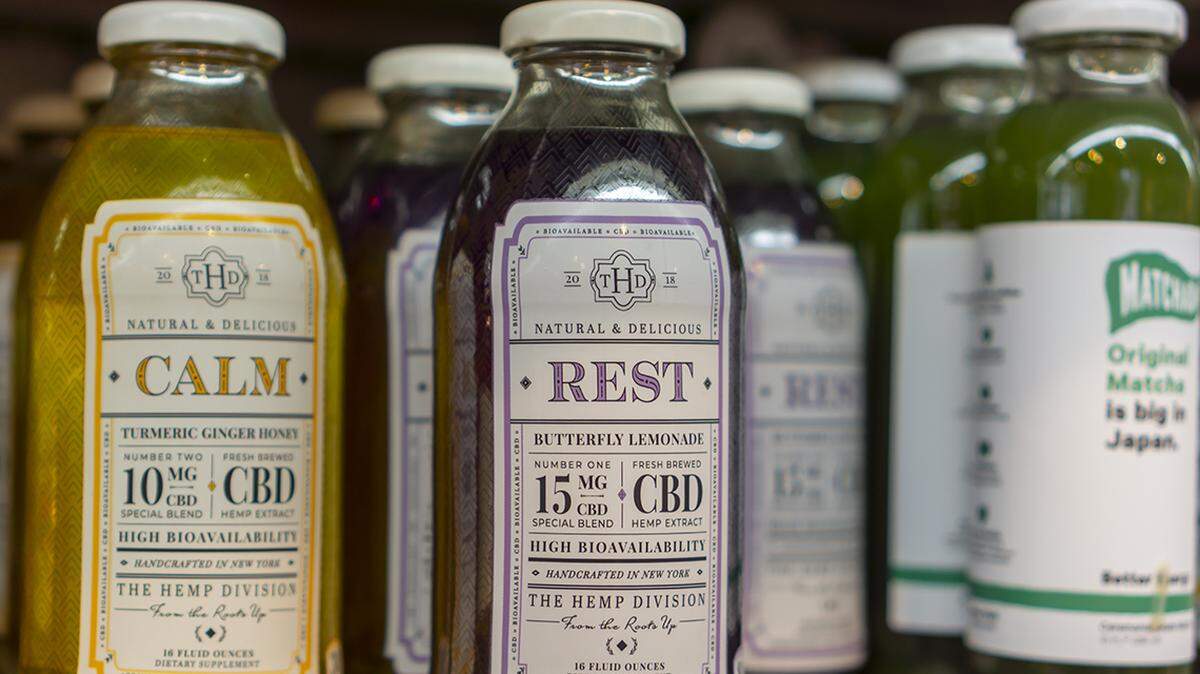
The two locations, one in the Westport area and the other in Independence, called Sacred Leaf KC, sell a wide array of hemp-derived products such as CBD and variations of THC.
They’ve helped pull him out of poverty. Monslow, a U.S. Army veteran, said he’s the first male in his family to avoid being sent to prison. He’s also the first to graduate from high school.
But that dream is at risk of collapsing.
A new federal law signed by President Donald Trump would effectively ban nearly all hemp products across the country. The provision, which bars hemp products from having more than .4 milligrams of THC, was tucked into legislation to end the federal government shutdown.
The sweeping ban, which takes effect in a year, has sent shockwaves across Kansas and Missouri as the booming hemp industry grapples with the abrupt legislative change. It could mark the end for businesses like Monslow’s if additional legislation is not passed.
“I just feel like the government keeps disenfranchising me as a young minority,” said Monslow, who is of Native American descent.
The federal legislation marks another salvo in a protracted fight over the industry. In Missouri, where hemp is unregulated, business has both boomed and faced an onslaught of criticism from state officials and the state’s recreational marijuana industry.
Missouri health officials estimated that roughly 40,000 food establishments and 1,800 food manufacturers would have been affected by a similar ban at the state level. Those estimates were part of a review of a previous attempt to ban hemp products last year from former Gov. Mike Parson, a Republican.
“If the states were to implement (the federal ban), I mean, that shuts down everyone, everything,” said Brooklyn Hill, president of the Missouri Hemp Trade Association. “You’re talking about economic downturn — there’d certainly be job loss.”
The yearslong battle over whether hemp should be regulated — or even eradicated — has largely been waged between the hemp industry and the legal marijuana industry.
Monslow’s Sacred Leaf and a roster of other hemp shops, for example, face a new lawsuit from the legal weed industry for allegedly skirting the state’s marijuana regulations.
But major players in both industries have also criticized a rise in black-market marijuana products that have proliferated across the region, from gas stations to smoke shops.
Black-market sellers
The lack of regulations, critics argue, has allowed bad actors to market intoxicating products to children. State officials have often pointed to products they say are designed to target kids with colorful designs and packaging resembling popular candy, such as Lifesavers.
“I will always use every tool at my disposal to halt the sale of dangerous, illicit products that harm Missouri consumers, especially children,” former Attorney General Andrew Bailey, a Republican, said in a statement regarding a proposed statewide ban last year.
But hemp proponents feel there could still be hope to save the industry in a way that would both target black-market sellers and allow current hemp shops, distributors and farmers to keep their businesses afloat.
That life vest would come in the form of new regulations. However, industry insiders who spoke with The Star appeared divided on how that might happen — and when.
Hill, the hemp association president, framed the federal legislation as a “365-day shot clock” that allows the industry to push for regulations at the state level. Her association is crafting legislation that she hopes will be filed in the next legislative session, which begins in January.
“I want people to know that we have 365 days — this isn’t definite,” Hill said. “We have an opportunity to really pass something in the Missouri legislature this year that is going to regulate our industry instead of eradicate our industry.”
If additional legislation is not passed at the state level, Hill said hemp businesses will likely have to sell out of all of their products and close their shops by next year.
Other businesses across the Kansas City metro would also be affected. Companies such as Boulevard Brewing Company have recently started selling hemp-derived beverages.
A spokesperson for Boulevard told The Star the company plans to continue making and selling its Quirk THC Seltzer Berry Jane.
Hemp regulations
Missouri House Speaker Jonathan Patterson, a Lee’s Summit Republican, suggested in an interview that hemp regulation could be on the horizon in the next session.
“I think it will certainly spur the industry on toward being regulated,” said Patterson, who said there will be a debate over whether hemp products should be regulated through the Missouri Constitution, similar to the state’s legal weed industry.
One of the lawmakers who has tried to regulate the industry is Rep. Dave Hinman, an O’Fallon Republican. Hinman said he had planned to file legislation for next year, but was still grappling with how the new federal law might affect the state’s response.
“I’m just trying to figure out where we’re going to go,” Hinman said.
Meanwhile, another proponent of the hemp industry has his eyes set on additional federal changes as opposed to state regulations.
Eapen Thampy, a lobbyist who represents several hemp businesses, said in an interview that Missouri could enact additional rules, but federal legislation would make it easier for all elements of the hemp supply chain, from farmers to sellers.
“I would rather deal with one uniform federal regulation than patchwork regulations,” Thampy said.
Thampy’s argument echoed a letter from leaders of the Veterans of Foreign Wars of the United States, or VFW, sent Wednesday to top officials in Congress that criticized the federal ban and called for a “balanced approach” to regulations.
“A blanket ban on hemp cannabinoids would make it nearly impossible for researchers and VA hospitals to study these compounds legally,” said the letter from the VFW, which is based in Kansas City.
As lawmakers and industry groups deliberate over the immediate effect of the federal legislation, hemp shops across the sprawling Kansas City area are now left to wonder what will happen next.
For Monslow, with Sacred Leaf, the new law was a wake-up call for his business. But he said he also was disgusted by the attempts to curtail his industry — which he framed as “un-American.”
“It’s just devastating when you invest so much and, you know, you work within the parameters of what the law is,” he said.
The Star’s Jenna Thompson contributed reporting.