Unlicensed Kansas City marijuana dealers sued over ’THCa two-step’
A confusing dance has been playing out in Kansas City’s cannabis community in recent years. Now it has a name: the “THCa two-step.”
That’s what a lawsuit filed in Jackson County on Thursday calls the ritual in which unlicensed shops spring up overnight, sell a chemical cousin of marijuana, and insist they’re exempt from every rule the state applies to real dispensaries.
The compound, THCa, is a non-intoxicating precursor to THC that only produces a high when heated or “decarboxylated,” which happens when it’s smoked, vaped, or cooked. Their argument hinges on this technicality, and the ambiguity has allowed these shops to operate in the open.
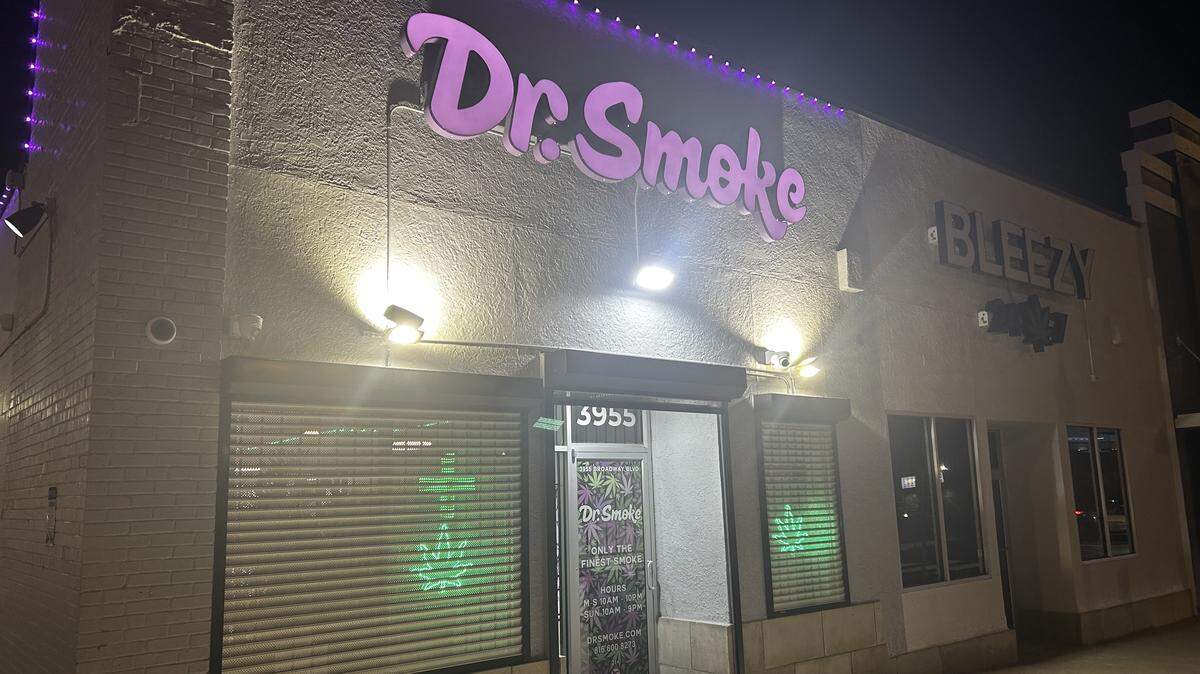
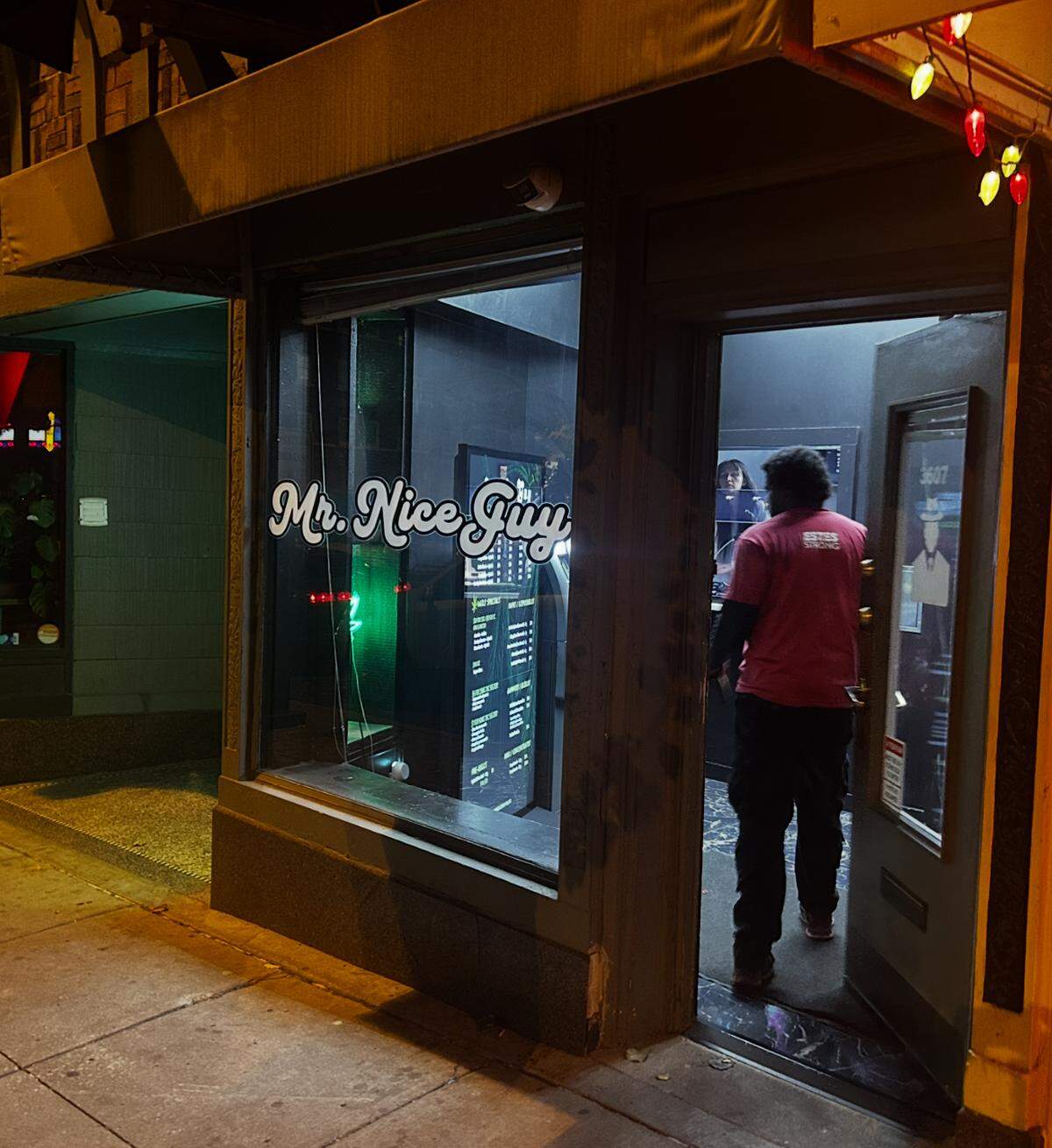
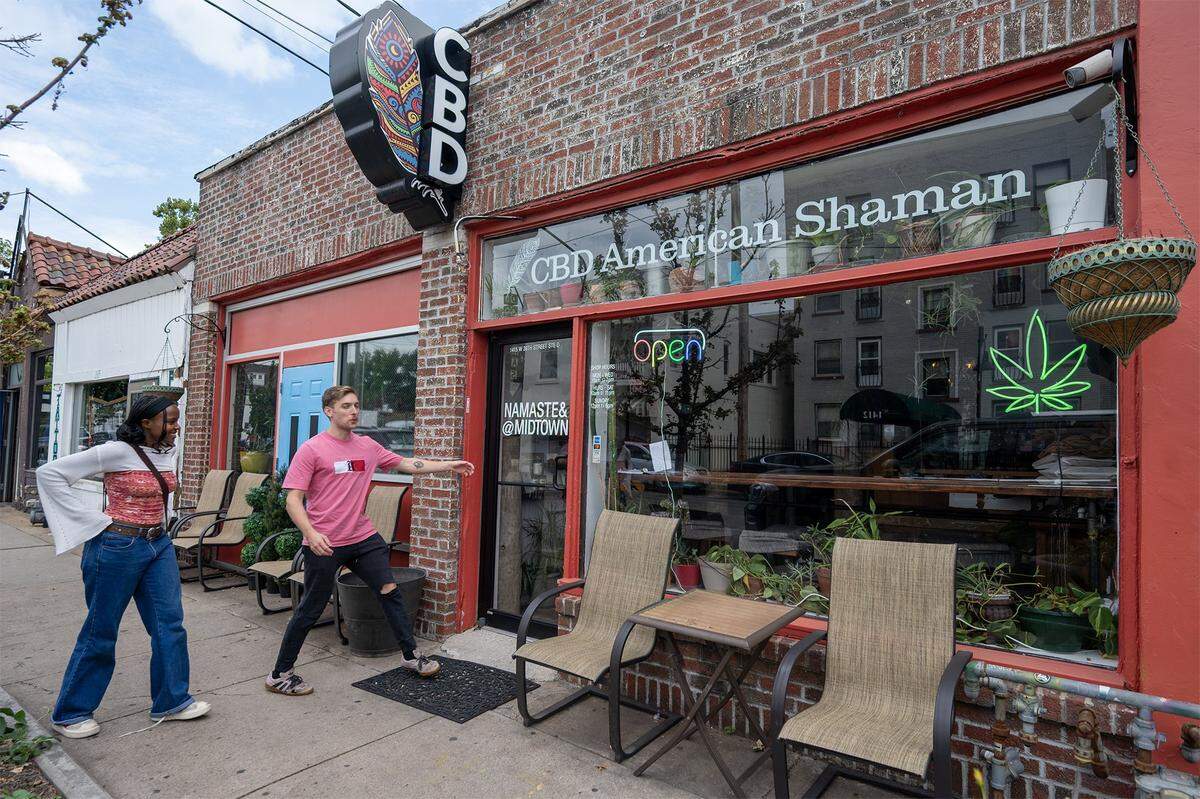
The suit comes from the licensed side of the industry — the LLCs behind Proper Cannabis, Sunrise Dispensary, Local Cannabis, The Forest and others operating in the Kansas City area. They’ve filed civil claims against a roster of unlicensed KC-area sellers, including American Shaman, The Hub KC, Dr. Smoke, Motion City and Sacred Leaf, accusing them of skirting Missouri law.
They’re asking a judge to finally sort out what the gray market has muddied. The plaintiffs want damages and a permanent injunction barring the defendants from selling marijuana products — including high-THCa flower — anywhere in Missouri.
“Licensed dispensaries are following Missouri’s rules and regulations — they’re paying taxes, paying licensing fees, testing their products, age-gating,” Chris McHugh, attorney for the plaintiffs, told The Star. “Meanwhile, these totally unlicensed Temu versions of dispensaries are making millions by saying what they’re selling isn’t marijuana.”
He added: “The legal dispensaries are entitled to recover the money they lost from these guys selling the same stuff and not having to abide by any of the rules.”
Asked if the licensed dispensaries had a dollar amount in mind in terms of damages, McHugh said it would likely be in the “tens of millions of dollars.”
As alleged in the lawsuit, the “THCa two-step” works like this: defendants advertise products as hemp, which under federal law can contain up to 0.3 percent THC. In reality, the products are high-THCa cannabis that converts into psychoactive THC when heated.
American Shaman, for example, advertises THCa flower with levels up to 36 percent — more than ten times the legal hemp limit once it’s heated and turns into THC.
“The DEA, the Missouri Attorney General’s Office, and even the U.S. Department of Agriculture have all recognized that this is not just hemp,” McHugh said. “But it can seem confusing to police officers, judges, and police. And the sellers of this stuff have taken advantage of the confusion insisting, ‘No, it’s hemp. It’s just hemp.’ But it’s actually just marijuana.”
Vince Sanders, CEO of American Shaman, did not respond to a request for comment.
McHugh said plaintiffs are asking for an expedited court schedule, hoping for a preliminary injunction before the trial.
He also said the legal action will expand next to St. Louis and Springfield, targeting unlicensed sellers in those regions.
The lawsuit arrives against a backdrop of federal action on hemp. Earlier this week, President Trump signed a measure banning most consumable hemp-derived THC products nationwide, closing the loophole in the 2018 Farm Bill that allowed high-THC edibles, vapes, and drinks.
Under the new law, businesses have one year from enactment to comply with the restrictions — including a cap of just 0.4 mg of THC per container. The new limits mark a major shift for the gray-area cannabis market that is the subject of the Jackson County dispute.
This story was originally published November 14, 2025 at 2:18 PM.