Inside a Missouri proposal to keep Chiefs, Royals stadiums — with assist from KC mayor
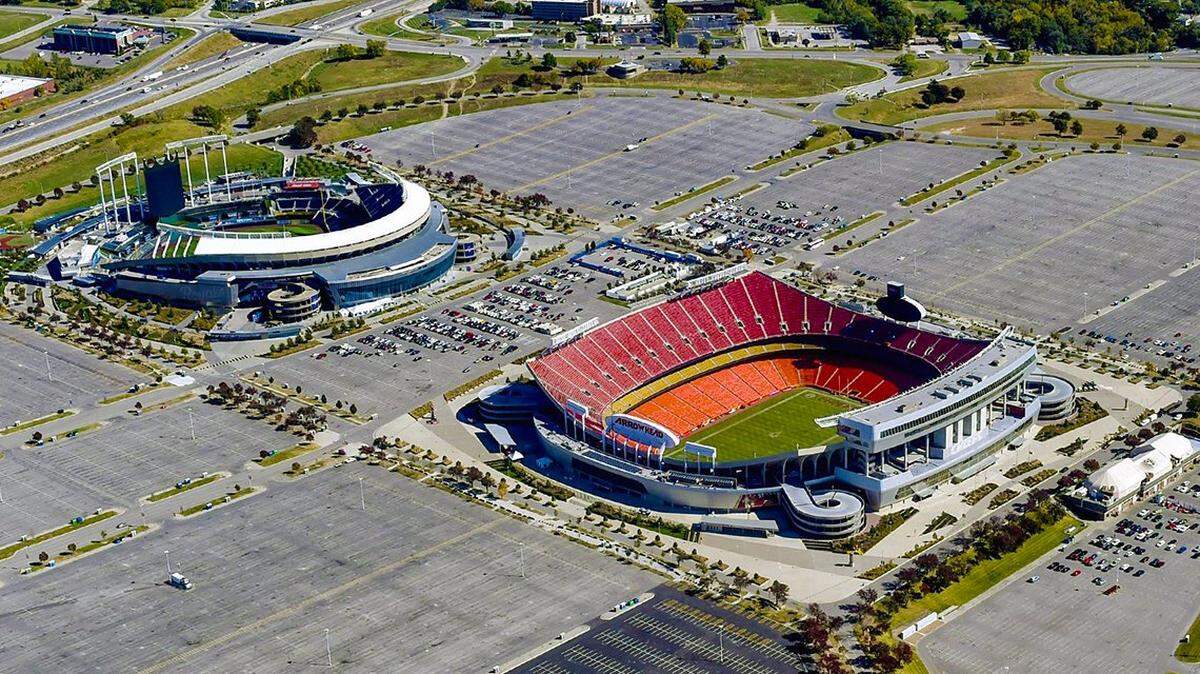
Three Kansas City-area lawmakers on Thursday filed legislation to create a new stadium funding program, opening a path for Missouri to offer incentives to keep the Kansas City Chiefs and Royals in the state.
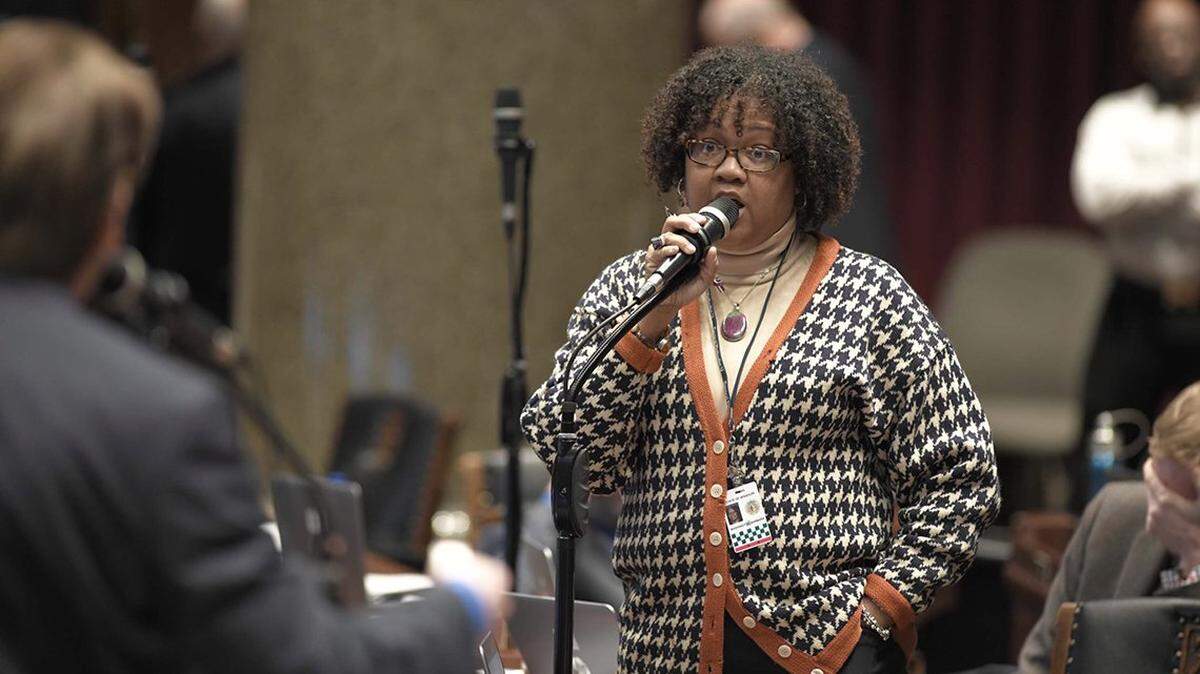
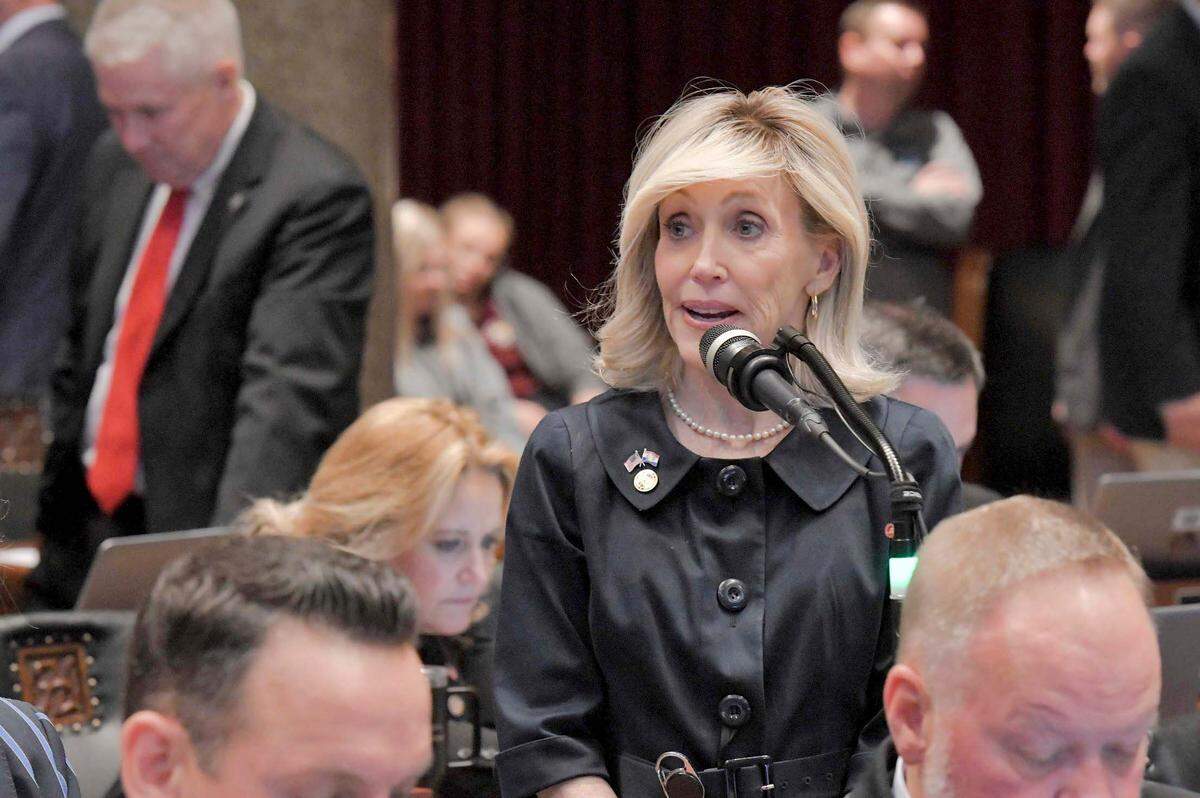
The bills were filed by Sen. Barbara Washington, a Kansas City Democrat; Rep. Sherri Gallick, a Belton Republican; and Rep. Mark Sharp, a Kansas City Democrat. And Kansas City Mayor Quinton Lucas’ office told The Star he was involved in discussions about the measures before the lawmakers introduced the bills Thursday.
“For me personally, (I filed) the bill just to kind of do everything I can to try to protect the teams and hopefully keep them here,” Washington said in an interview with The Star. “But I would like to see a tri-fold effort between the city, the county, and the state before we really move forward with financing this.”
The proposals would allow Missouri to create an entertainment facility capital assistance program. As of Thursday afternoon, the text of Washington’s legislation was the only one available online.
Under her bill, the state would be able to offer millions of dollars in incentives to fund future stadium projects.
If this sounds familiar, it is an intentional response to the neighbors to the west. Last June, the Kansas Legislature passed its own supercharged financing plan aimed toward one of the teams moving across the state line, relying on billions in Sales Tax and Revenue, or STAR bonds.
The Missouri response has been slower to develop — until this week. Washington’s legislation comes amid newfound energy among Missouri officials. State and county leaders have engaged in a string of meetings this week to discuss the teams’ futures.
Kansas City officials, including Lucas, have held regular meetings with the Royals in particular about a downtown stadium.
Lucas said he was proud to partner with lawmakers of both major parties on the legislation.
“(The bills are) giving Missouri cities the tools we need to keep our professional franchises and maintain world-class entertainment venues,” Lucas said in a statement to The Star. “
“The balanced approach in the legislation that responsibly unlocks public support exceeding current competitive offers elsewhere ensures taxpayers are protected while providing a transformative opportunity for Kansas City and communities across Missouri,” he said.
Washington emphasized in an interview that any funding package would also have to rely on team owners as well as the city and Jackson County.
“I don’t think that it should be on us to finance a billionaire’s stadium,” she said.
What’s in the Missouri plan
There are some important differences between the Kansas legislation and the latest proposals in Missouri. Kansas lawmakers authorized state officials to approve public financing up to 70% of the cost of a new stadium for one or both teams.
Washington’s proposal in Missouri would cap the total amount of funding the state can provide at 33% of the total project costs. It would also limit funding from all public sources, including local governments, at 75% of the total project costs.
Kansas launched its effort after Jackson County voters rejected a stadium tax that would have effectively guaranteed the teams would stay in Missouri after their leases expire in 2031.
While similar to the Kansas proposal, the new legislation would allow Missouri to offer financial assistance for stadium projects through tax increment financing and other mechanisms. For example, funding could come from state sales and income tax revenue generated from stadium projects.
The bills would establish a program, officially called the “Missouri Entertainment Facility Capital Assistance Program.”
To qualify, stadium projects would have to meet certain criteria, such as costs of at least $250 million, private funding that covers at least 33% of the costs, local government support and a binding commitment from any professional sports team that will occupy the stadium.
Research over several decades has regularly found that stadiums and arenas are not major drivers of economic development. A 2022 review of 130 studies over 30 years found that nearly all empirical studies found “little to no tangible impacts of sports teams and facilities on local economic activity” and that the level of subsidies typically provided for stadiums “far exceeds any observed economic benefits.”
The Missouri legislation came just before the key deadline for lawmakers to file bills this legislative session. It remains unclear how much support the bills will receive from other legislators in the GOP-controlled General Assembly, particularly lawmakers from outside the Kansas City area.
In an interview at the state Capitol the day before she filed the bill, Washington said the teams help bolster businesses in the metro.
“Let’s keep those entities in our city and in our county, in my district, that are bringing in revenue,” she said on Wednesday. “I know there’s a ton of studies that say professional teams don’t bring in revenue, but I do not agree with that.”