Missouri-Kansas ‘border war’ truce expires soon. Will Chiefs, Royals fight derail deal?
AMC Entertainment, a top movie theater chain, moved its headquarters from Kansas City to Leawood and received tens of millions in incentives. A Leawood accounting firm scored incentives worth up to $25 million when it relocated to Missouri.
Kansas and Missouri put a stop to this kind of back-and-forth business poaching more than five years ago when officials in both states agreed to a ceasefire in the so-called economic border war. The conflict had devoured millions in taxpayer-backed incentives just so both states could move existing businesses from one side of State Line Road to the other.
But Missouri lawmakers must now vote to keep the agreement alive – even as Kansas mounts an aggressive effort to lure the Kansas City Chiefs and Royals across the border.
The Missouri state law that allowed officials in that state to enter into the 2019 agreement is set to expire in August. Unless the General Assembly acts, the conflict could reignite, a prospect economic experts say offers no real benefit to either state.
Kansas, Missouri and local leaders who spoke with The Star are divided on whether Kansas courting the teams violates the anti-poaching agreement. While nearly every official touted the importance of maintaining the ceasefire, some question whether it can survive the fight over the region’s biggest professional sports teams.
One notable skeptic is Kansas City Mayor Quinton Lucas. The mayor “has serious questions about the survival of the truce,” said spokesperson Megan Strickland.
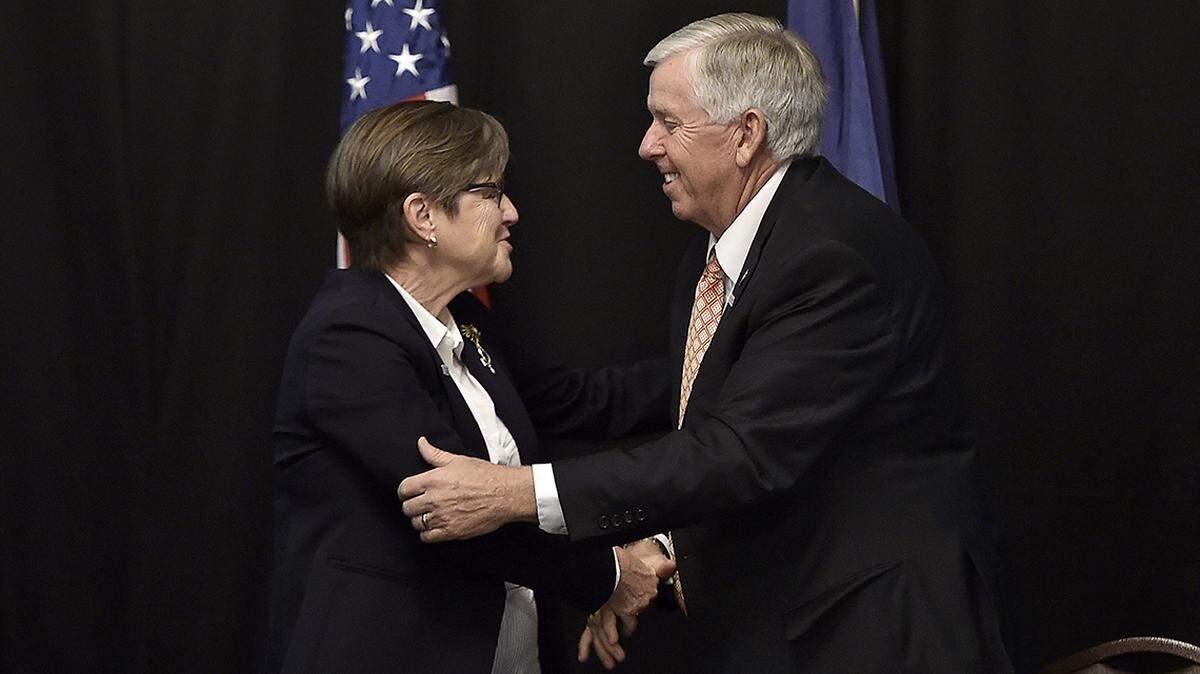
The mayor’s office in a statement championed the work of Kansas Gov. Laura Kelly, a Democrat, and then-Missouri Gov. Mike Parson, a Republican, to secure the agreement in 2019. But Strickland also pointed to comments by Kansas lawmakers, including Kansas Senate President Ty Masterson, an Andover Republican who inflamed tensions last June by stating that he “didn’t sign anything” related to a border truce.
Top Missouri lawmakers of both major parties remain committed to extending the law this year, even as some argue that Kansas violated the agreement. In comments to The Star, most expressed a desire to keep the fight over the teams separate from the broader economic border war.
“I think that they are going back on the commitments they made to Missouri,” said Missouri Senate Majority Leader Tony Luetkemeyer, a Parkville Republican, referring to Kansas’ bid for the Chiefs and Royals.
However, Luetkemeyer cautioned that it was inappropriate for either state to use incentives to lure companies across the state line, saying it “does nothing to promote the economic well-being of the Kansas City region.”
Missouri’s perception of — and willingness to look past — Kansas’ actions will likely prove key to whether the agreement holds. While Kansas entered its side of the deal with an executive order from Kelly, Missouri lawmakers enacted a law.
The agreement severely limits Kansas and Missouri lawmakers — and the states’ governors — from using incentives for companies in the core of the Kansas City metro. That’s Jackson, Clay, Platte and Cass counties in Missouri and Johnson, Wyandotte and Miami counties in Kansas.
In Kansas, the agreement limits the use of the PEAK (Promoting Employment Across Kansas) program, the Kansas Industrial Training and Retraining program, the Job Creation Fund, state loan funds and other state-administered discretionary incentive programs.
In Missouri, lawmakers are curbed from using the Missouri Works program, the BUILD (Building Use Incentives for Large-Scale Development) program and the new or expanded business facility tax credit, along with other state discretionary programs.
Taxpayer-backed incentives were originally designed to help businesses operate in disadvantaged or depressed areas, said Frank Lenk, an economist at the Mid-America Regional Council. But they’ve often instead been used for competition between states.
“There was a lot of concern that taxes were being given away for no net benefit, either in terms of the number of jobs being created or in terms of tax revenue that could have gone to schools and things like that,” Lenk said.
That’s the overall sentiment among local leaders, such as Jackson County Executive Frank White Jr., and Missouri lawmakers. State lawmakers are pushing this year to pass bills filed by state Sen. Mike Cierpiot, a Lee’s Summit Republican, and state Rep. Jeff Coleman, a Grain Valley Republican. The bills would remove the agreement’s August expiration date.
“I would hate to blow up the border war bill because of the Chiefs,” Cierpiot said in an interview. “Because it’s more related to businesses moving across the state line and not generating anything.”
‘Kansas has a lot to offer.’
While Missouri lawmakers are poised to extend the truce, the biggest question appears to be whether Kansas will hold up its end of the deal.
Kansas City Councilman Kevin O’Neill said he supports Missouri’s push to maintain the truce. Still, he questioned the timing.
“I am a fan of the bill and why it was submitted,” said O’Neill, the at-large 1st District councilmember, which covers the northern swath of the city. “However, renewing it under the current circumstances seems illogical at this time.”
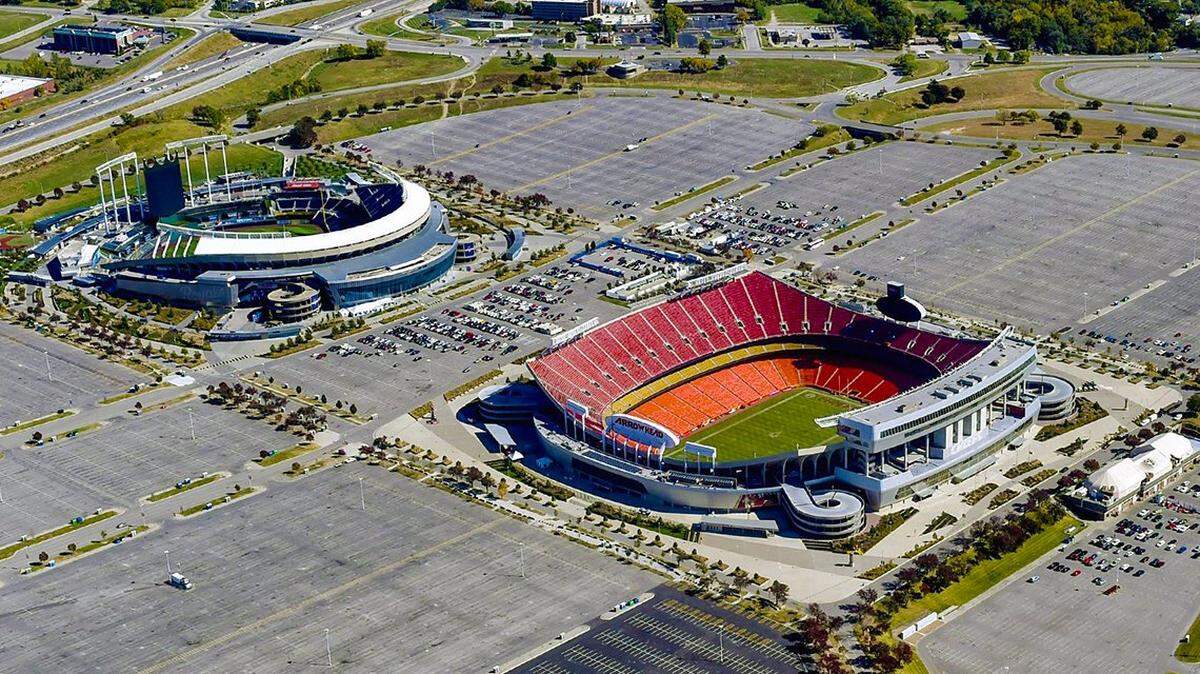
Those current circumstances center on Kansas. Last year, lawmakers in that state approved a plan to use Sales Tax and Revenue, or STAR, bonds to help finance a new Chiefs or Royals stadium in Kansas. The law authorizes Kansas to potentially issue STAR bonds to pay for up to 70% of the cost of stadiums for one or both teams – an incentive worth billions.
Kansas officials, for their part, have appeared largely unconcerned about whether that ongoing effort violates the broader border war truce with Missouri. Kelly, the Kansas governor, said last week that she supports an extension of the truce — while also defending the push to lure the teams.
“I think Missouri has every opportunity to hold onto the Chiefs and the Royals and I don’t think it necessarily precludes us from being considered,” Kelly told reporters after signing an executive order recognizing the Chiefs’ Super Bowl appearance.
Others have framed the STAR bonds plan as a measure intended to ensure the teams stay in the Kansas City metro area, whether that’s Kansas or Missouri, and less as a competition between the two states.
Johnson County Commission Chair Mike Kelly called retaining the teams crucial to the metro region’s culture, community and “everybody’s economic success.” The Star has previously reported that the Royals are considering the former Sprint campus in Overland Park as a possible stadium site.
Masterson, the Senate president who is widely expected to run for governor in 2026, refused to quell concerns over his remark last summer that he “didn’t sign anything” that would prevent the Legislature from making an offer to lure pro teams across the border.
Whoever becomes the next Kansas governor will have the power to keep Kelly’s executive order in place or rescind it and effectively withdraw the state from the agreement.
“My primary interest is in keeping our beloved franchises in the region and promoting prosperity for Kansas citizens,” Masterson said on Monday. “I would never agree to anything that would essentially surrender the ability to promote economic growth or keep the Chiefs and Royals in the Kansas City area. I love my Missouri friends, but Kansas has a lot to offer any business that wants to set up shop within our borders.”
A spokesperson for Missouri Gov. Mike Kehoe did not respond to questions asking whether the Republican governor supported extending the law.
Cierpiot, the Missouri state senator, said he would be open to amending his bill to include a ban on Kansas using the STAR bonds plan to attract the Chiefs and Royals. But he said local leaders haven’t asked for that.
As long as Kelly doesn’t rescind Kansas’ side of the agreement, “I think we’re OK,” Cierpiot said.
But Missouri’s side of the truce will also be contingent on future actions by the Kansas Legislature. If Kansas lawmakers do “something different,” there will be a response from Missouri, he said.
“I guess we would scrap the border war bill, depending on what they try to do,” Cierpiot said. “So we will see.”
This story was originally published February 11, 2025 at 6:00 AM.