Soaring costs delay Kansas City streetcar riverfront extension. When could it be done?
READ MORE
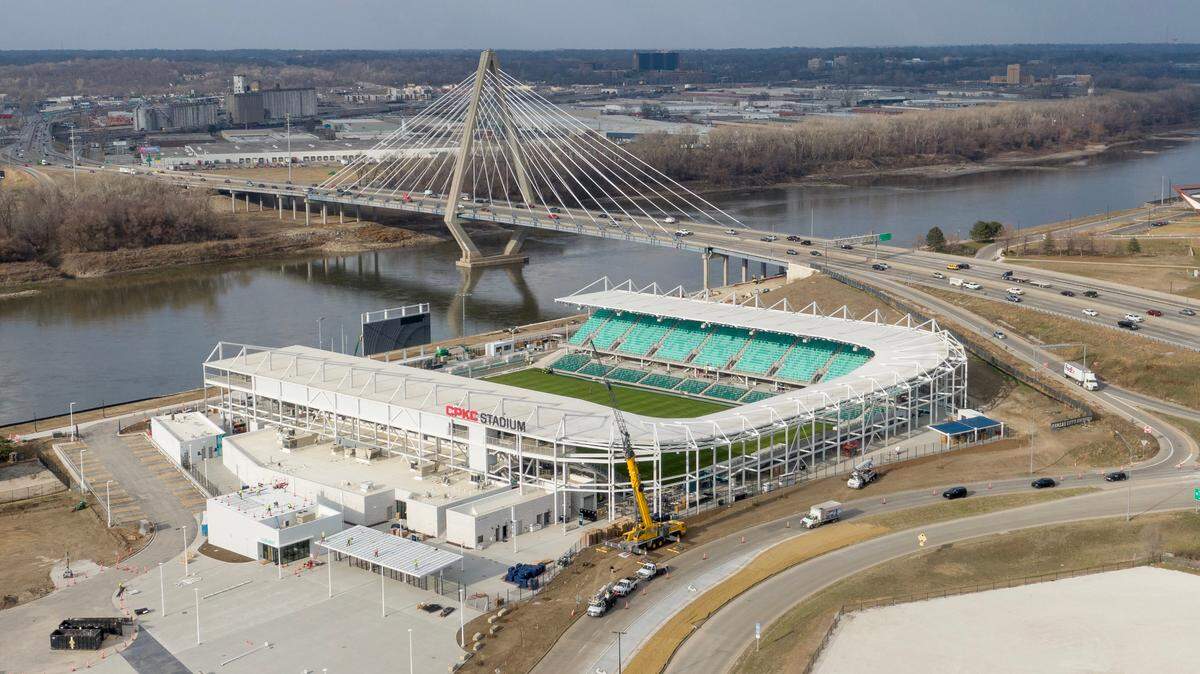
KC Current’s new stadium
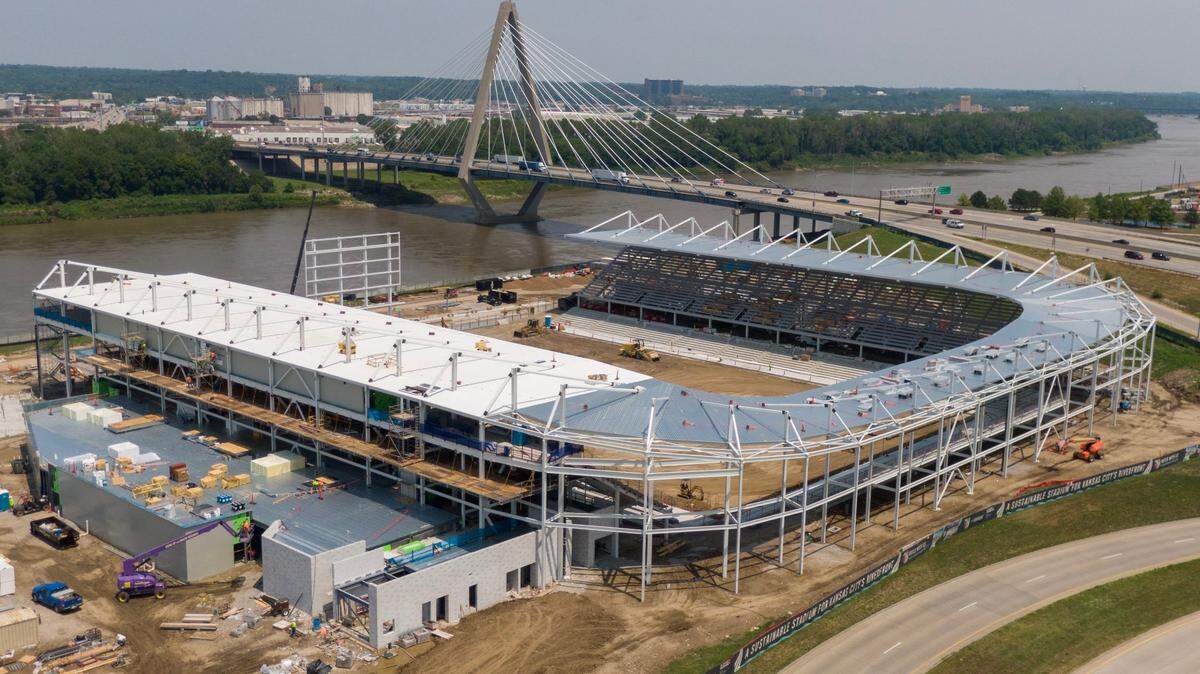
Here’s what to know about CPKC Stadium, the first U.S. stadium built for a women’s pro team. It’s been touted as a ground-breaking project in its design, features, funding and more.
Expand All
Reality Check is a Star series holding those in power to account and shining a light on their decisions. Have a suggestion for a future story? Email tips@kcstar.com.
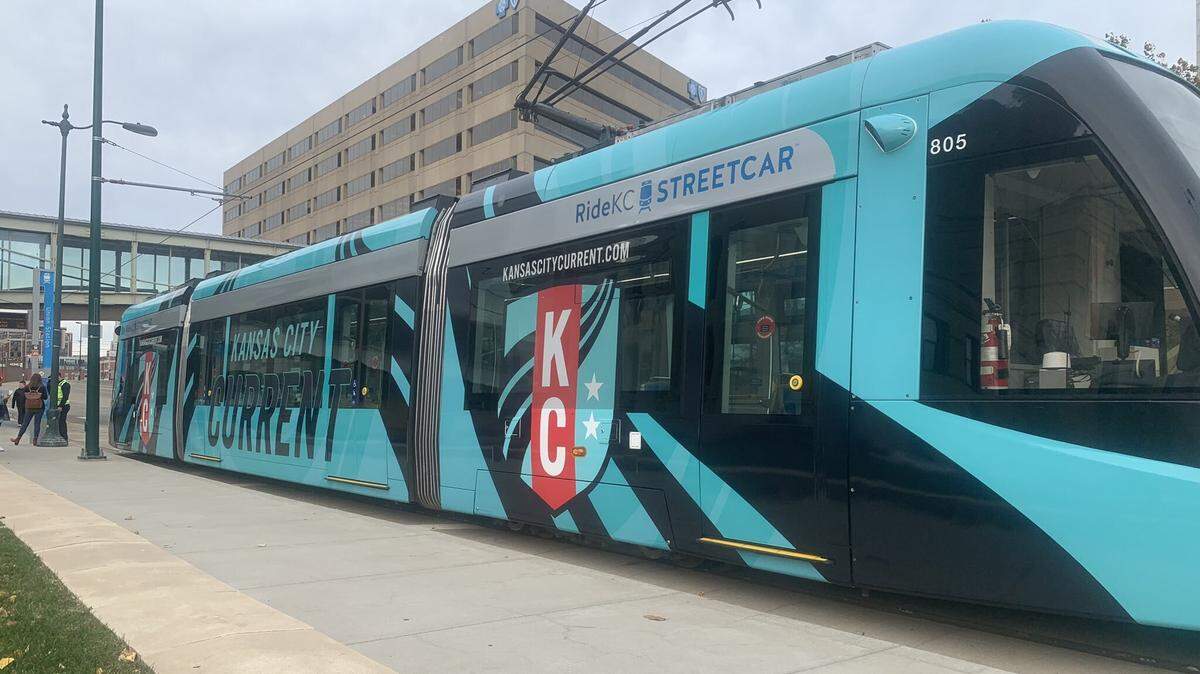
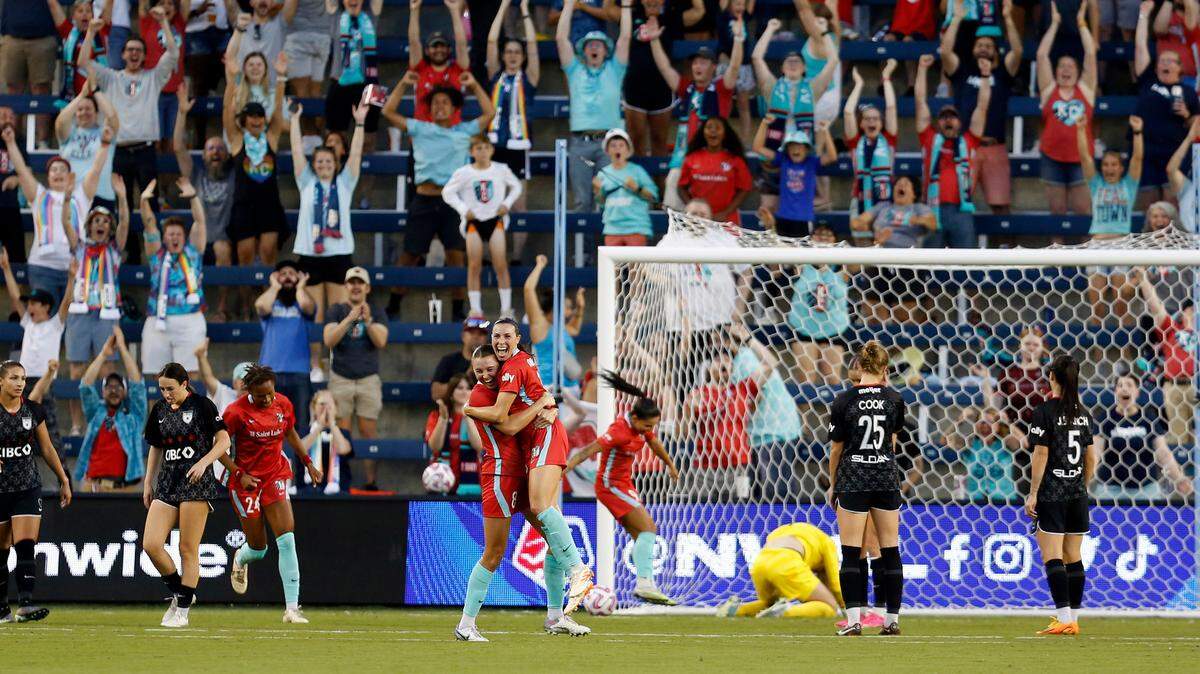
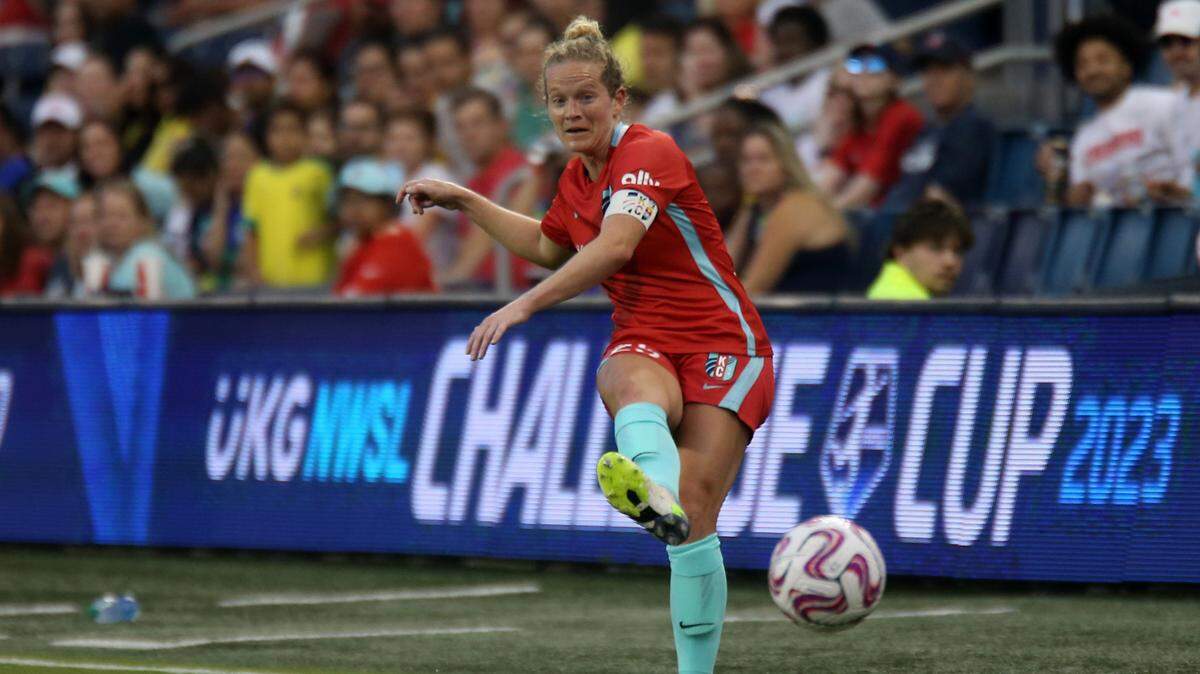
KC Current fans almost certainly won’t be taking the streetcar to the team’s new soccer stadium until 2026. Soaring costs have delayed construction of an extension of the streetcar line to Kansas City’s burgeoning riverfront.
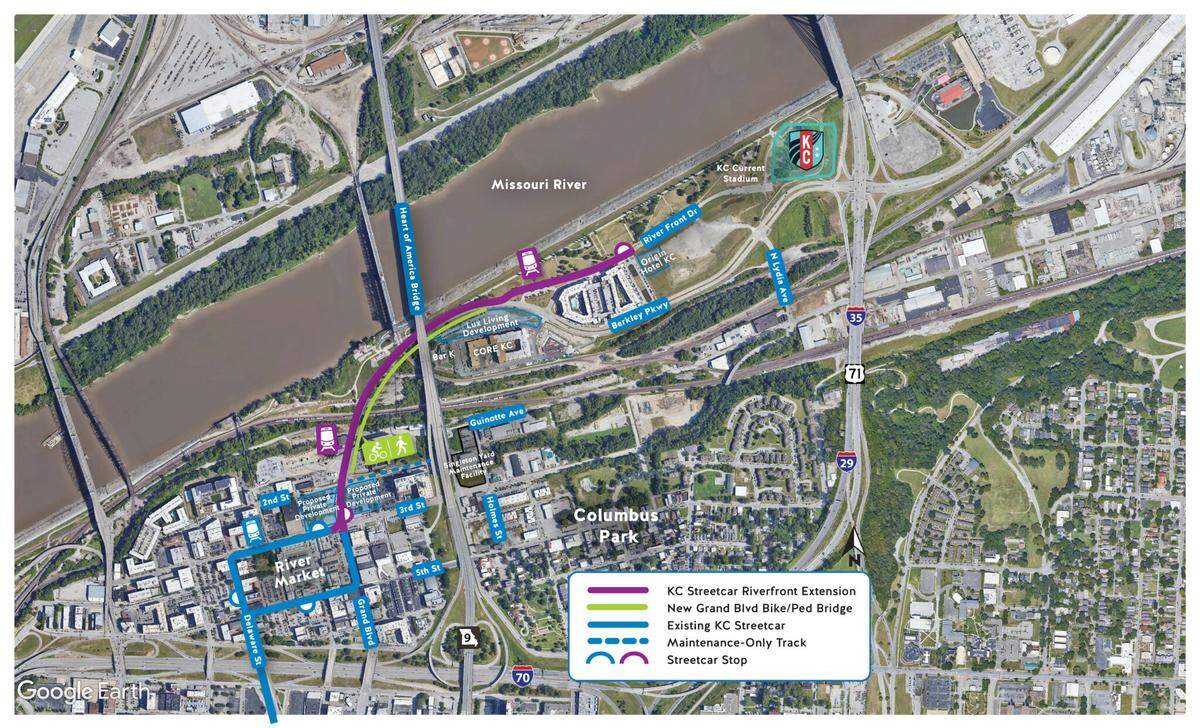
Project planners had hoped to begin work months ago on that three-quarter mile stretch from the River Market to within walking distance of newly branded CPKC Stadium.
The line never was going to be rolling by the time the new, 11,500-seat stadium opens next spring, but the 2025 season seemed likely.
“The project team has been planning this extension since 2016 and we can’t wait to welcome riders and soccer fans to ride in 2025,” KC Streetcar’s marketing director is still quoted as saying on the team’s website.
But contractor proposals came in “significantly” higher after the project was put out for bid last spring, according to the Kansas City Area Transportation Authority, which is the lead partner in the project.
Proposals for the extension came in roughly 35% over budget, The Star has learned, which set off a scramble over the summer to find more money and look for ways to cut costs.
KCATA officials now believe they have secured most of the money needed to make up the funding difference. And the head of KC Streetcar, which is separate from the transportation authority, is hopeful that construction can begin early next year and be finished by the end of 2025, in time for the 2026 season.
“It’s gonna happen,” said Tom Gerend, executive director of the Kansas City Streetcar Authority. “It’s just these big projects – if it was easy, we would have been done a long time ago.”
The original 2-mile streetcar starter line downtown opened in 2016. Work on extending the line south from Union Station to the University of Missouri-Kansas City is about 60% complete and should be operational in early 2025, Gerend said.
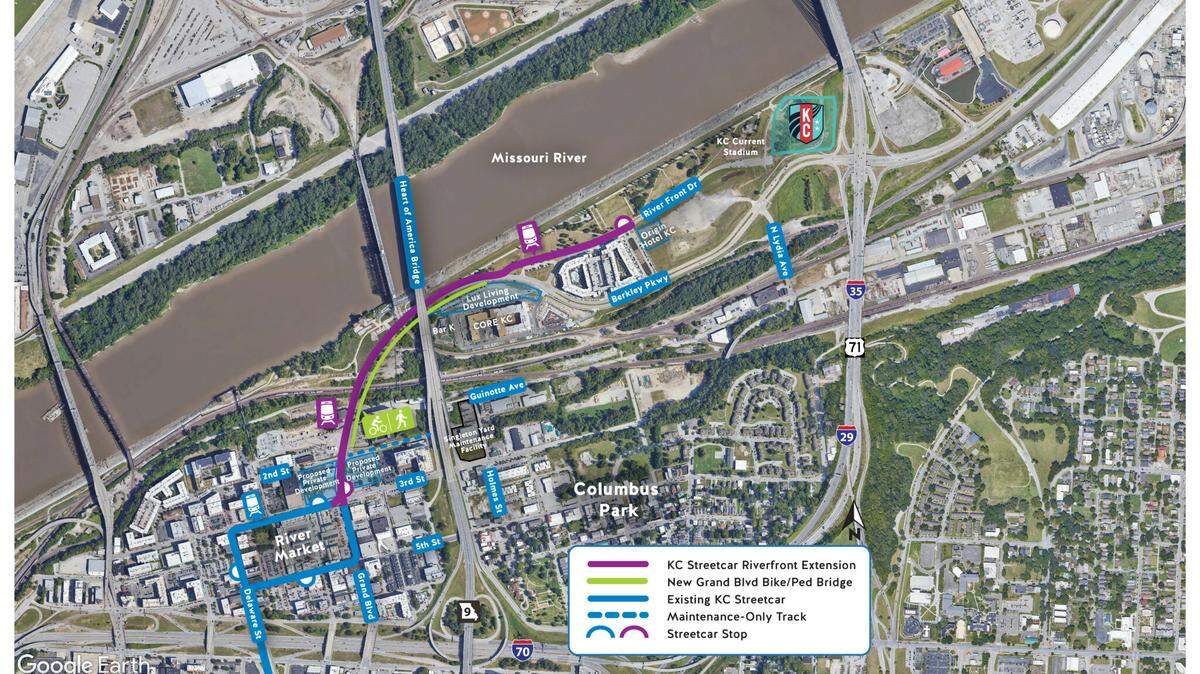
Planning for the riverfront extension started in 2017. Originally budgeted at $34.9 million, that leg will jut off the starter line at Third Street and Grand Boulevard in the River Market, then head north over the Grand Boulevard viaduct and east to within a five-minute walk of the stadium, stopping at the midpoint of Berkley Riverfront Park.
Scrambling to pay for the streetcar
While the planned route hasn’t changed, the price of the project has as a result of the pandemic and the inflation that followed. Costs for all types of construction work and materials shot up.
KCATA officials declined to discuss details of the two proposals that met their requirements. But in a report to members of the authority’s finance committee last month, it was clear “that the cost of the project will exceed the current funding.”
The original budget included $20.7 million from the federal government and $14.2 million from local sources. The Kansas City Port Authority, now known as PortKC, pledged to contribute $8.5 million of that from special taxes levied to pay for the extension. The streetcar authority promised to kick in $4.75 million, and the KCATA another $1 million.
That’s not nearly enough to build it now. It will cost at least $12 million more, based on documents in the public record.
When the proposals came in above budget, the transportation authority shaved some project costs by what they called a “value engineering effort.” Those reductions included fewer and lower-cost poles to support the electrical wires that power the streetcars, eliminating some spare parts and the overhead shelter at new station stops, according to a PowerPoint presentation that can be found in the minutes of last month’s KCATA finance committee meeting.
The project team also sought more federal money, and got a promise of $10.6 million more from two grant programs, according to a report prepared by Dick Jarrold, the KCATA’s deputy CEO, and senior project manager Linda Clark.
Jarrold confirmed those numbers in an interview last week and said the agency is at work trying to find the matching local dollars the grant rules require, about $2.5 million.
Half of that could come from the transportation authority’s share of the sale of a parking lot that the KCATA owns at Third and Grand, the report said.
“It’s certainly something we’re taking a look at it as a possibility,” Jarrold told The Star.
Growth along KC’s riverfront
Gerend is confident all will work out. He says the riverfront extension will be an important asset to the people who live and work in that area, which has seen growth in the more than six years since planning for the project began.
“When we started this conversation around the idea of a riverfront extension, there wasn’t a single building on the riverfront,” he said.
Now there’s more than $1 billion in ongoing or planned development in that general area, he said.
“So, let’s get this project over the finish line and move it forward,” he said.
And maybe by the start of the 2026 soccer season, Current fans will be able to ride — rather than drive —to see a match, watch the river flow and the downtown skyline light up.
This story was originally published October 24, 2023 at 6:00 AM.