Kansas is poised to legalize sports betting. Missouri is still divided on details.
READ MORE
Money on the line
Sports betting is illegal in both Kansas and Missouri, although legislators in both states have pushed to change that for years. But lawmakers in Kansas think this might be the year. And in Missouri, professional teams are pursuing two tracks of legalizing gambling.
Expand All
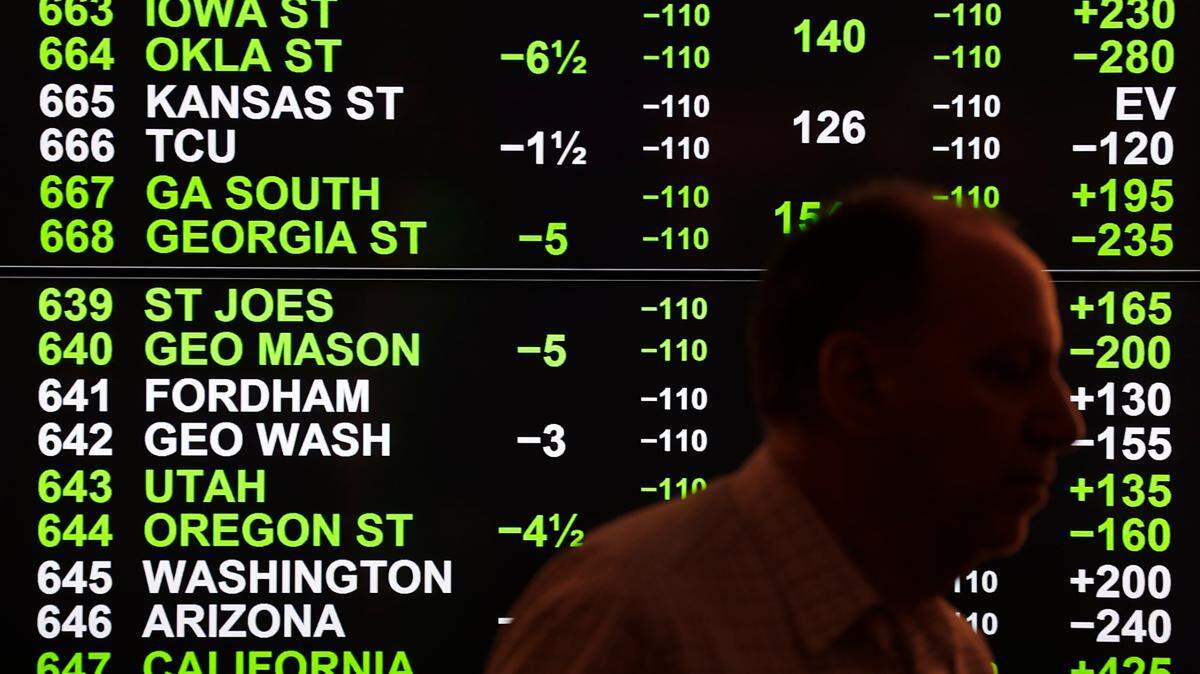
Chiefs, Royals and Sporting KC want sports betting. Will Kansas, Missouri make it legal?
Spread, moneyline, props, the vig? Here are terms to know in sports betting
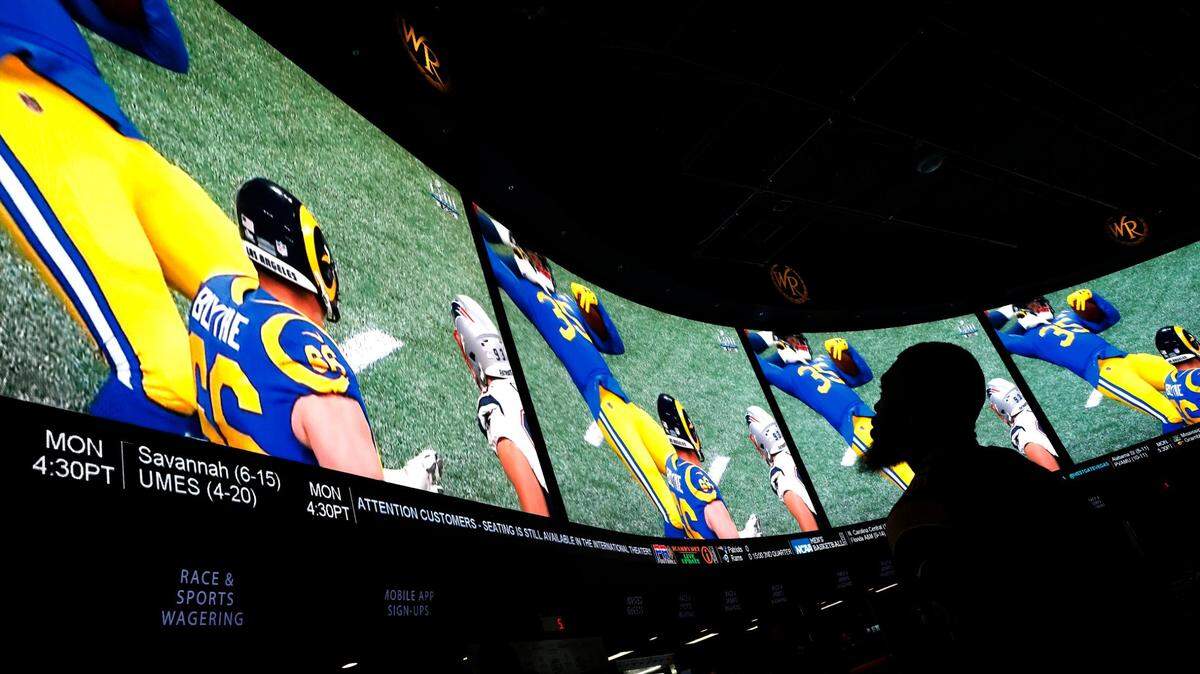
Betting on the Super Bowl? Here are the odds - and some wacky prop bets on offer
What is sports betting? It’s not legal in Kansas but we’ll explain anyway
Kansas is poised to become the next state to legalize sports betting, as the Legislature nears final approval of a deal four years in the making.
In Missouri, lawmakers remain at odds over details like how much in taxes casinos should have to pay. But the House last week passed a bill, the furthest any sports gambling proposal has ever gotten in the state.
Kansas and Missouri are among 16 latecomer states that have yet to provide residents a legal path to place wagers on NFL, MLB, NBA games and other sporting events. The U.S. Supreme Court paved the way for nationwide betting in 2018.
Right now, sports fans in the Kansas City area who want to place a bet must either make the drive to Iowa or, with a little computer knowledge, bypass the geographic restrictions on online betting.
Officials in both states are well aware of each other’s efforts. It has sparked a competitive spirit to accomplish in the next few days or weeks what has eluded lawmakers for several years to the chagrin of sports fans and betting enthusiasts. Kansas lawmakers were negotiating the final details of their measure on Thursday in hopes of approving it as early as Friday.
If one state legalizes this year but the other doesn’t, it raises the prospect of gamblers in the Kansas City metro flowing across State Line Road so they can pull out their phone and place a legal bet.
“If Missouri does it first, we don’t want folks in Kansas City to go to Missouri,” said Kansas Rep. John Barker, an Abilene Republican who has played a key role in sports betting discussions.
Kansas lawmakers were closer than they’ve ever been Thursday with Senate and House leaders meeting to work out the differences between their bills. The negotiations, however, had slowed down by late in the day — caught up in legislative horse trading over unrelated election legislation – and appeared likely to extend into Friday.
The final bargaining follows House passage of its version of the proposal Wednesday by an 88-36 vote.
While Kansas Gov. Laura Kelly often doesn’t say in advance whether she will sign legislation, she voiced no concerns on Thursday.
“I do think we ought to have some sort of sports betting here in the state of Kansas,” she told reporters after an event in Roeland Park. “I know so many people who go to Iowa every weekend. I’d like for them to stay here and spend their money in the state of Kansas.”
Nearly every state surrounding Kansas and Missouri has legalized some form of sports betting according to the Kansas Legislative Research Department. States imposed taxes of between 5% and 23% on bets, with resulting annual revenues as high as $49.4 million in New Jersey.
Projections for Kansas and Missouri range anywhere from $10 million to $163 million
‘Let’s get ahead of this’
In past years, efforts to pass bills in Kansas and Missouri became bogged down in disputes between sports leagues, casinos and legislators over arcane details. Both states have experienced breakthroughs this year, however, as more and more states move to legalize. Voters in California, the nation’s most populous state, will decide in November whether to allow sports betting.
The proposals in Kansas and Missouri share basic components. Both would allow betting on smartphone apps — the way most bets would likely be placed — and at casinos. Both have provisions to combat problem gambling. And both states would impose a wagering tax on the adjusted gross receipts of gambling operators.
But there are possible differences on just how high that tax should be.
The measure approved last week by the Missouri House would impose a tax rate of 8%. The rate was set at 10%, but the chamber voted to lower it in direct response to Kansas, where the proposed rate at the time was roughly 10%.
“Missouri is a better state than Kansas in every possible way. Our tax rate should be lower, let’s get ahead of this,” said Missouri Rep. Wes Rogers, a Kansas City Democrat.
As Kansas House and Senate leaders negotiate the tax rate, the Senate proposal is 5.5% for in-person bets and 8% for online platforms. The House proposed a higher rate of 14% in-person and 20% online.
Barker said he didn’t expect Missouri to come up in their rate negotiations.
The tax is imposed upon the gambling operators, so it’s unclear exactly how consumers would be affected if Kansas and Missouri have different rates. But a significantly lower tax rate in one state could make it a more lucrative market for operators. Jeff Morris, vice president of public affairs at Penn National Gaming, which owns casinos in Kansas and Missouri, said the rate impacts how profitable operators can be.
“Sports betting actually has incredibly thin margins,” Morris said. “There’s a certain inflection point on the data where it just becomes unprofitable.”
Problem gambling
Perhaps more than any other reason, lawmakers want sports betting because it generates revenue. It has become conventional wisdom, even among lawmakers skeptical of gambling, that residents in both states are already placing a significant number of bets through third-party sites. Only a small amount of technical know-how is needed to bypass geographic restrictions on online betting sites.
If the betting is happening anyway, they argue, both states might as well make some money off of it.
“Missourians can gamble … what we’ve done is denied us the right to collect that revenue,” said Missouri Rep. Jim Murphy, a St. Louis Republican whose district borders the Mississippi River. “We instead give it to the communist state of Illinois.”
But some Missouri senators are wary of the House proposal. Sen. Denny Hoskins, a Warrensburg Republican who is sponsoring a sports betting bill, called the 8% tax rate a “giveaway” for casinos.
“If we want to make sure that casinos have more profits, then obviously the House bill would be the way to go,” Hoskins said. “If we want to make sure we protect taxpayers and that increased revenue goes toward education or veterans’ homes, then obviously my bill would be a better solution.”
Under the House proposal, Missouri would bring in roughly $20 million in new revenue every year once the bill is fully implemented, according to legislative fiscal analysis. Hoskins’ plan could generate upwards of $163 million.
In Kansas, sports betting is likely to produce $10 million each year in the House version and up to $6 million in the senate version according to estimates from the Kansas Budget Office.
“I don’t like Missouri but I want to beat them and I want to make sure that we’re not doing something that would hurt our ability to compete with them,” said Rep. Stephanie Clayton, an Overland Park Democrat.
Only a few legislators have spoken out against legalization. They usually raise concerns about unhealthy gambling.
The proposals in both states contain provisions to bolster efforts to address problem gambling. The Missouri bill requires at least $500,000 to be placed each year into a fund to help compulsive gamblers. Kansas would increase the state’s existing problem gambling and addictions grant fund from $80,000 to $100,000.
“There’s a fiscal and a social impact to gambling,” Rep. Brenda Landwehr, a Wichita Republican, said. “When you’re putting money into problem gambling but you’re promoting gambling. It’s kind of an oxymoron.”
Morris said he was optimistic both states could pass a policy this year.
“The inaction doesn’t stop the sports betting from happening,” Morris said. “It just doesn’t provide any protections nor does it create any sort of connection to identify new customers in the market.”
This story was originally published April 1, 2022 at 12:00 AM.