Chiefs, Royals and Sporting KC want sports betting. Will Kansas, Missouri make it legal?
READ MORE
Money on the line
Sports betting is illegal in both Kansas and Missouri, although legislators in both states have pushed to change that for years. But lawmakers in Kansas think this might be the year. And in Missouri, professional teams are pursuing two tracks of legalizing gambling.
Expand All
Chiefs, Royals and Sporting KC want sports betting. Will Kansas, Missouri make it legal?
Spread, moneyline, props, the vig? Here are terms to know in sports betting
Betting on the Super Bowl? Here are the odds - and some wacky prop bets on offer
What is sports betting? It’s not legal in Kansas but we’ll explain anyway
Even without the Chiefs in the game, you might have a lot riding on the Super Bowl next Sunday if you’ve laid down a bet on the Rams or Bengals.
But if you did it in Kansas or Missouri, chances are you broke the law.
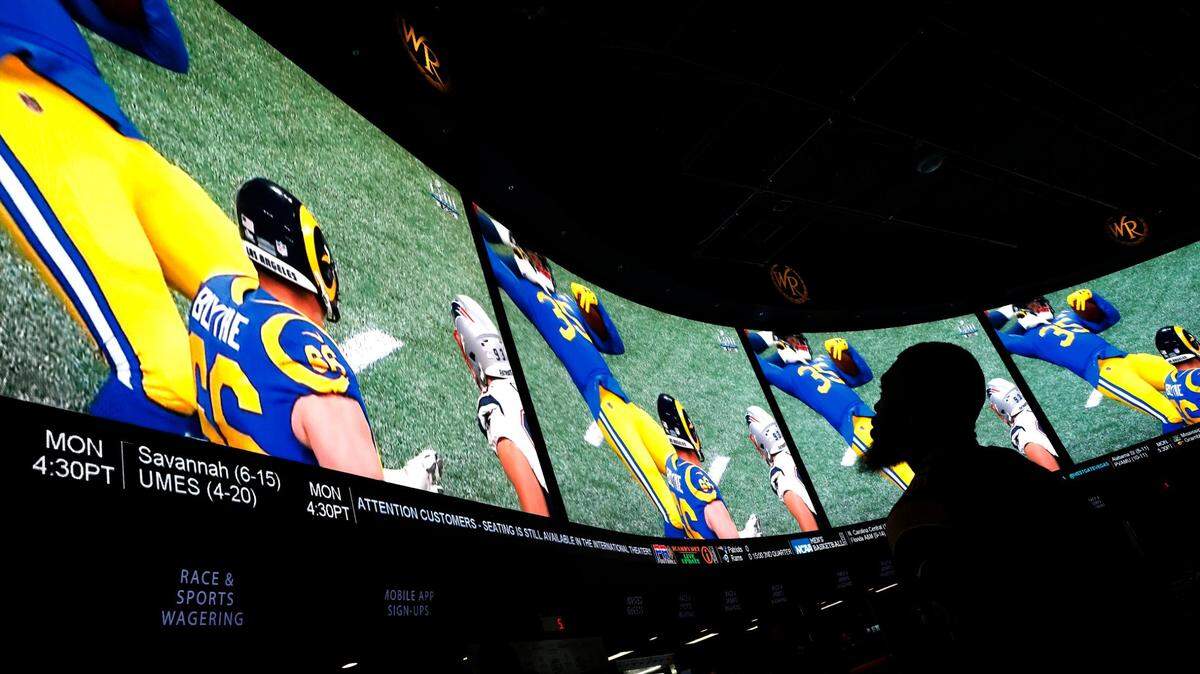
There are 25 casinos across Kansas and Missouri, not to mention two state lotteries. But there’s no place and no means to legally bet on the Super Bowl — or on the Chiefs, Royals, KU, K-State or Mizzou.
Legislators in both states have pushed to change that for years. But lawmakers in Kansas think this might be the year. And in Missouri, professional teams are pursuing two tracks to legalize gambling. They’re backing a renewed effort to pass legislation after four years of inaction. And if that fails, they may try a ballot initiative that would allow voters across the Show Me State to change the law, rather than waiting on officials in Jefferson City.
“We’ve got to figure out a way to get this across the line,” said Republican Sen. Rob Olson of Olathe, chairman of the Kansas Senate’s Federal and State Affairs Committee, which handles bills involving gambling. “This is definitely going to be a focus.”
Proponents in both states say current bans on sports betting are leaving millions of dollars of tax revenue on the table, particularly now that fans can bet online. And other states, including neighbors like Colorado and Iowa, have legalized betting on college and professional athletics.
Bills to legalize sports gambling have been floated for years in Topeka and Jefferson City with little success. That lack of movement in Missouri pushed a coalition of major league teams to float a ballot initiative. Such efforts have allowed advocates to bring medical marijuana, Medicaid expansion and ethics reforms to Missouri without legislative approval.
That effort is being backed by the Kansas City Royals, St. Louis Cardinals, St Louis Blues and St. Louis City soccer club. A lawyer representing those teams declined to comment, but pointed to previous statements about how those organizations believe legal betting will improve engagement with fans and “provide a fun and exciting new way to enjoy sports and root for our teams.”
And just last month, the Cardinals announced that a majority of Missouri casino operators and every professional sports team in the state — including the Kansas City Chiefs — had reached an agreement on proposed sports gambling legislation.
For now, the teams are banking on the General Assembly to change the law.
“The priority right now is the legislation,” said Adam Sachs, senior vice president for the Royals.
With more than 30 states already legalizing sports betting, he said the major league teams believe it’s only a matter of time before Missouri approves a change.
“We’re all about enhancing the fan experience,” Sachs said. “We know that we need to connect with all demographics in order to continue to be an exciting sport and this is one way of engaging our fans in new and different ways.”
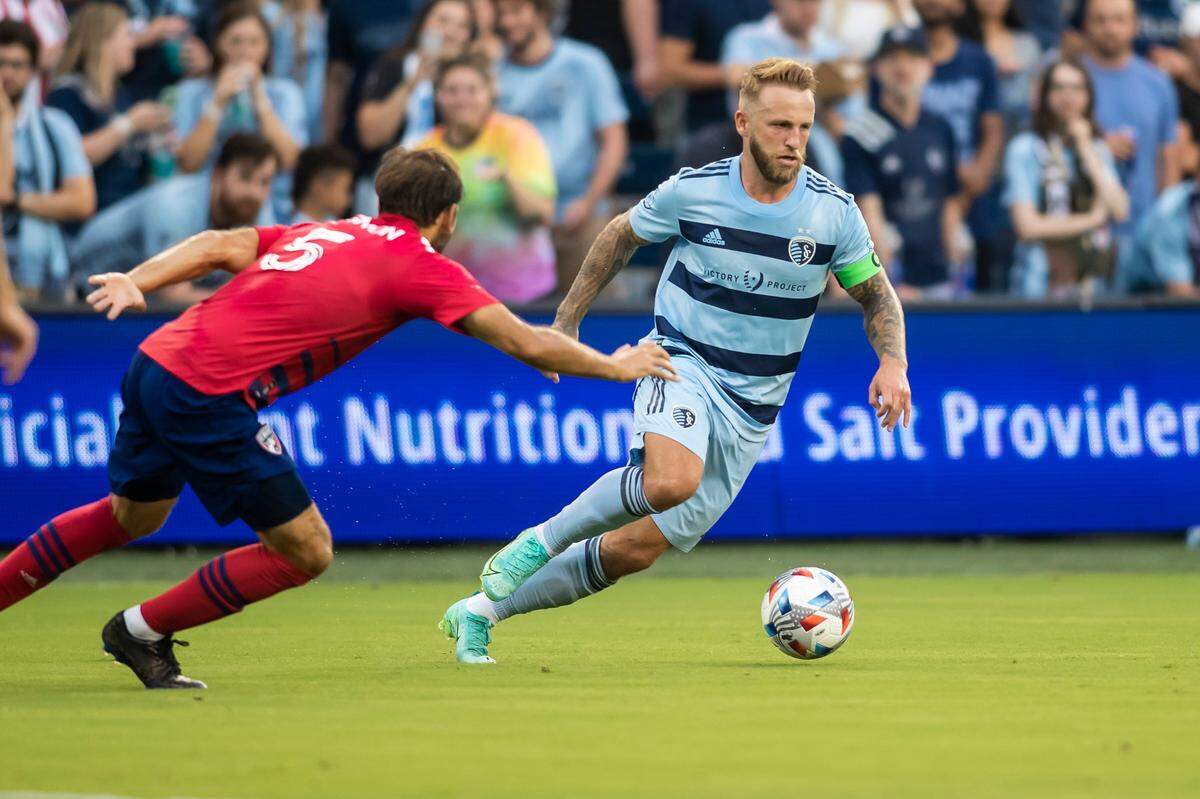
On the other side of the state line, Sporting KC is also pushing for legalization.
Jake Reid, Sporting’s president and CEO, said the soccer club believes legal betting could enhance the opportunities for fans to be engaged in sports in the way that fantasy sports gave fans a new outlet.
Reid envisions the nearby Hollywood Casino, already a partner of Sporting, creating a sports betting lounge at the soccer team’s Children’s Mercy Park in Wyandotte County. He previously worked at a soccer club in England where fans were permitted to wager and said it operated without any problems.
The CEO says he’s supportive of efforts to legalize in both Kansas and Missouri, but the club has most closely watched legislative efforts in Topeka. Reid wasn’t sure what revenue opportunities may exist for Sporting. That, he says, depends on how the legislature crafts a sports betting law.
“For us, this is all about fan experience. If done under the proper legal structure we believe this can have a significant impact on how fans consume all sports.”
Betting illegally
Nobody knows for sure how much people bet illegally on sports, but it’s common knowledge that they are.
Illegal sports betting was once the sole province of shady back-room bookies. But in the internet age, overseas sportsbooks that are outside the reach of state laws will happily book bets online.
Derek Hein, a lobbyist for two of the nation’s largest online sportsbooks — DraftKings and FanDuel — said illegal betting is a major industry and a major problem in Kansas, where he submitted written testimony on a sports betting bill last year.
“Kansans without ready access to a legal market in a neighboring state can easily bet using the thriving illegal network of offshore websites that are happy to cash in on customers looking for convenience but lacking legal options,” he said.
“According to a study by Oxford Economics and the American Gaming Association, Kansans bet approximately $1.3 billion on sports each year through these illegal channels. But the offshore market offers no consumer protections or responsible gaming guardrails, and pays no taxes to the state.”
That reality changed the mind of Rep. John Carmichael, D-Wichita, who served on a special committee in 2018 to consider sports betting.
He opposed it then.
“There were folks, quite frankly like me, who feel that expansion of gambling on a societal basis is not necessarily a good idea even though it does generate additional revenue for the state,” Carmichael said.
But his position has evolved given the easy access to sports wagering through overseas sites and the fact that 33 other states have so far either implemented or approved sports gambling.
“I think it’s becoming increasingly clear that online gambling is here to stay,” Carmichael said. “So the end result is despite the bad consequences for mental health and other societal issues … it’s going to be available in other states, it’s going to be available via the internet.
“I think it’s rapidly becoming consensus in the Legislature that we need to go ahead and regulate the activity in Kansas and attempt to garner some tax revenue from it to hopefully offset some of the consequences.”
Sports betting wasn’t a statehouse issue before 2018. That’s when the U.S. Supreme Court overturned the Professional and Amateur Sports Protection Act, a 1992 federal law that limited sports gambling to the state of Nevada, the only state that had it when the law passed.
New Jersey challenged the law as an unconstitutional infringement on states’ rights. In a 6-3 decision, the Supreme Court agreed.
“Congress can regulate sports gambling directly, but if it elects not to do so, each State is free to act on its own,” Justice Samuel Alito wrote for the majority.
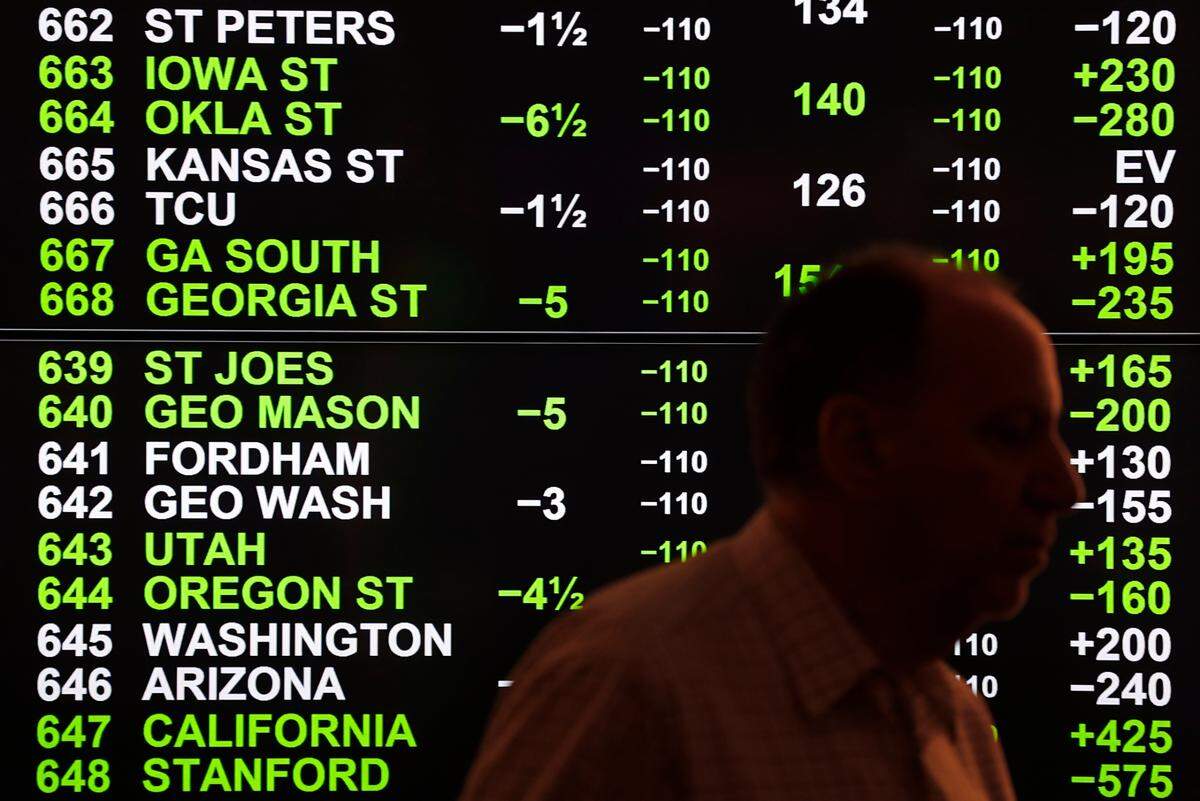
Overseas online sites and even some industry publications on the internet will tell you that it’s legal for Kansans and Missourians to bet on sporting events.
It’s not.
Gambling in general remains illegal, other than a few exceptions that have either been approved by voters or carved out by legislators through the years.
What’s the holdup?
In Kansas and Missouri, debate has centered less on the merits of sports betting and more on the particular details of how it’s implemented.
Lawmakers in Topeka have pointed fingers at Kansas casino operators for holding up legislation.
Kansas Rep. John Barker said a bill passed by the Senate in 2021 was too favorable toward casinos. It would have charged a 5.5% state tax on bets made at casinos and 8% on online bets. The House sports betting bill proposes a tax of 14% on money bet at casinos and 20% on bets made at lottery retail outlets and online.
Barker chairs the House Federal and State Affairs committee, which reviewed a sports betting law last year. He said his committee may reexamine the issue as casinos appear more amenable to negotiating with lawmakers this year.
“My leadership wants to get it done this year if it’s a good deal for the state of Kansas,” said Barker, an Abilene Republican. “But if it’s not, we won’t.”
In Jefferson City, lawmakers have introduced at least four bills that would legalize sports betting in Missouri.
But the issue has been complicated by a parallel attempt to revise other parts of state gambling laws, particularly proposed regulations of video gaming machines in gas stations, veteran halls and fraternal organizations that some prosecutors consider illegal.
The companies making the unregulated machines have lobbied hard against the change. Last year, a bill that included both sports betting and the video lottery regulations fell apart in the state Senate. The sponsor, Republican Sen. Denny Hoskins of Warrenton, blamed casinos and the machine operators.
Rep. Dan Shaul, an Imperial Republican, has filed similar legislation in the House for the past three years but his bills have not made it to the floor for consideration. He said he hopes the proposed ballot initiative prompts the House to more seriously consider sports betting before it passes by popular vote on the ballot without lawmakers’ involvement.
“I think the people involved with that initiative petition are frustrated with the General Assembly not having a serious discussion on it,” he said. “I would like to see us have that discussion. The assurance of initiative petitions out there also adds some energy around the conversation.”
His legislation includes both sports betting and video gaming regulations. A different bill that only focuses on sports betting has been referred to a committee.
“I’d like to see them go together,” Shaul said. “But if they can’t, we need to move on these things or we’re going to fall behind the states around us.”
Years of inaction pushed the professional teams to explore the ballot initiative.
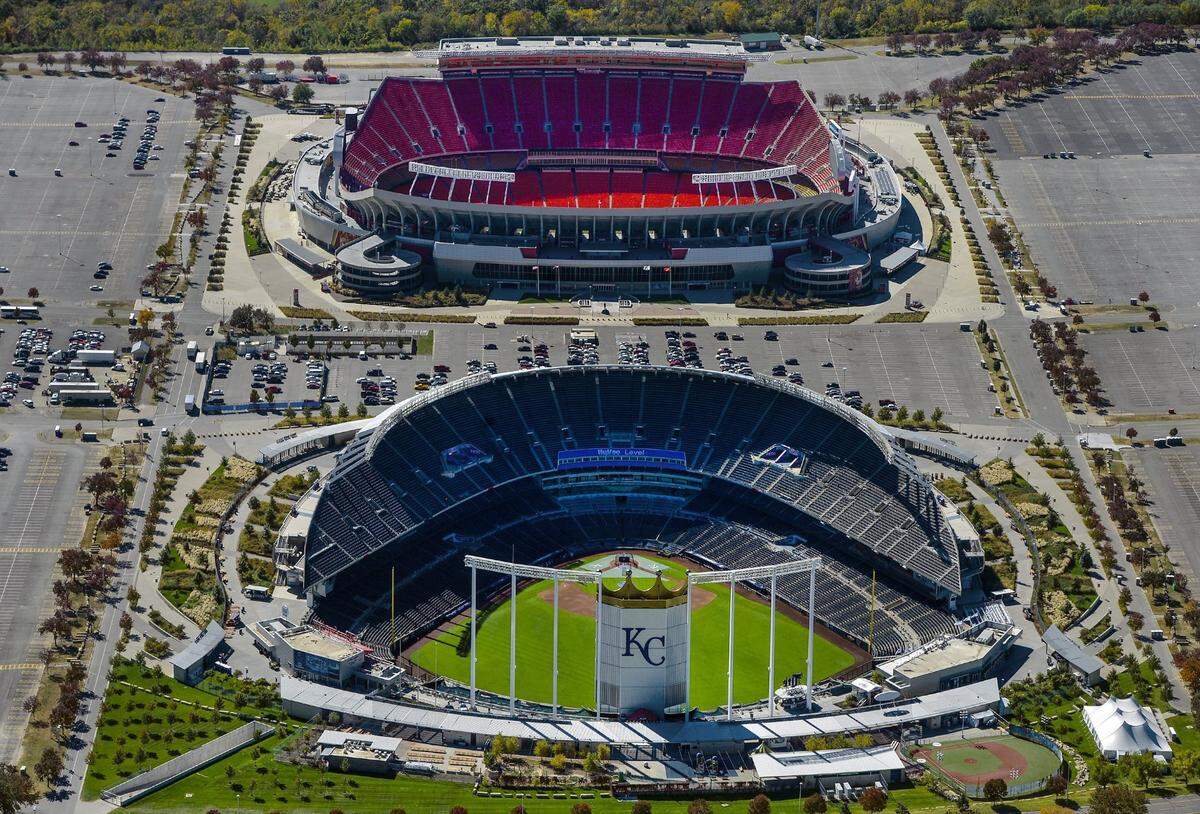
In October, a lawyer representing the Royals, Cardinals, Blues and St. Louis City soccer filed nine draft ballot measures on the matter. While the details of each proposal were slightly different, all would use sports betting revenues to fund Missouri schools and roads.
Those petitions have not yet been circulated for signatures.
While a statewide vote remains an option, the professional teams believe they may not have to go to such lengths.
Late last month, top leaders with the St. Louis Cardinals visited Jefferson City, announcing they had reached an agreement on proposed legislation that was amenable to all the state’s professional teams, the sportsbook companies and a majority of Missouri casino operators.
At that time, lawmakers expressed confidence in passing a standalone sports betting law if the issue was decoupled from the push to address concerns about video gambling.
“All of the professional sports teams in Missouri support legislation that will allow wagering to occur in a responsible way in the appropriate setting,” St. Louis Cardinals President Bill DeWitt III told the St. Louis Post-Dispatch on Jan. 20.
Fantasy sports OK
In 2015, the Kansas Legislature cracked open a door into the sports betting world by passing a bill allowing Kansans to play fantasy sports. It was signed into law by then-Gov. Sam Brownback.
But that law explicitly prohibits betting on real teams and real games, although winning and losing in fantasy sports is based on the individual statistical performance of real players in actual games.
Fantasy sports can be played out over entire seasons, or on a daily basis using online platforms such as DraftKings and FanDuel, which advertise heavily on sports telecasts.
Lawmakers accomplished an end run around the constitutional gambling ban by excluding the money that changes hands in fantasy sports from the legal definition of a “bet,” and defining it as a game of skill rather than chance.
It was the latest in the gradual erosion of the Kansas constitutional ban on gambling that’s played out over decades. Voters in 1986 approved the state lottery, along with wagering on dog and horse races. And the legislature in 2007 changed the law to allow four destination casinos across the state.
To get around the constitution, the four casinos — the Hollywood Casino in Kansas City, Kansas; Kansas Star in Mulvane; Boot Hill in Dodge City and Kansas Crossing in Pittsburg — are technically owned and operated by the state lottery, although they are actually run by casino companies under contract with the state.
Kansas is also home to seven tribal casinos, which are authorized under federal law through compacts negotiated with the state. Their compacts specifically prohibit them from engaging in sports betting and would have to be renegotiated to allow it.
Where could you bet?
Sports betting would also rely on the Kansas Lottery to avoid constitutionality issues.
Senate Bill 84, which passed the Senate last year but was stymied in the House, would put sports betting in the hands of the four state-sponsored casinos.
The House substitute for it envisions a system that would be more like playing the lottery, allowing players to bet on sports in person at hundreds of locations.
Each of the state casinos would be allowed to operate in partnership with up to three national online sports betting systems, called “skins” in the industry.
Some of the more well-known skins are FanDuel, DraftKings, FOXbet, Bally Bet and Caesars Sportsbook.
Bally’s, a titan in the casino and sports media industries, has already announced a deal to partner with the Boot Hill Casino to offer Bally Bet as soon as the law allows. It also operates the former Isle of Capri casino in Kansas City.
Anyone using the Kansas casino skins would be required to be physically present in the state when they place bets.
Both the House and Senate bills would allow for sports betting sites at professional sports facilities. The only facilities that would potentially qualify are the Kansas Speedway and Children’s Mercy Park, both in Kansas City, Kansas.
Both the Senate and House proposals would allow “Tier 2” betting, but only inside casinos or through their authorized online platforms. Also called “prop bets,” Tier 2 are more high-risk, high-reward wagers on particular occurrences that might happen in a given game. You can make prop bets before or during a game using a mobile app.
Some of the simpler and more popular prop bets are things like how many points a player might score in a basketball game, or how many passing yards a quarterback will throw for, or which team will score the first touchdown.
But those just scratch the surface.
For major events like the Super Bowl, sportsbooks offer props not only based on what happens on the field, but extraneous matters such as who will win the pregame coin flip, how long it will take to sing the national anthem, whether Snoop Dogg will smoke onstage during the halftime show, or even the color of Gatorade that will be dumped on the winning coach in celebration — this year’s early favorite is orange.
DraftKings, which operates a major online sportsbook in addition to hosting fantasy sports, has already announced it will offer more than 700 prop betting opportunities before and during next week’s Super Bowl.
Making money for states
One of the biggest issues to be resolved is the amount of money the states would take from its gamblers.
In Missouri, professional teams originally proposed sports betting tax rates between 6.75% and 21% on their ballot petitions. But the teams last month pitched a 10% rate on gaming, according to the Post-Dispatch.
Under the Kansas plans under consideration, the rates range from 5.5% to 14% for the state’s cut on money bet at casinos, and 8% to 20% from bets made online or at lottery retail outlets.
Olson said he’s ready to deal on most details to get a bill passed. But he’s adamant that the final plan include online wagering to maximize the state’s income.
“I’m going to try to work out some of these differences, but it’s obvious mobile is the way to go,” he said. “I want to find that happy medium where we get this passed and it’s working and we see this revenue like Iowa’s.”
Iowa collected $3.1 million in taxes on sports betting last year, up from $1.8 million in 2020.
That state taxes online gambling at 6.5%, according to a report compiled by the Kansas Legislative Research Department.
In Colorado, the first bets were taken in May 2020. From November 2020 to November 2021, the state’s legal sportsbooks handled nearly $4 billion in bets and the state took in more than $12.2 million in taxes.
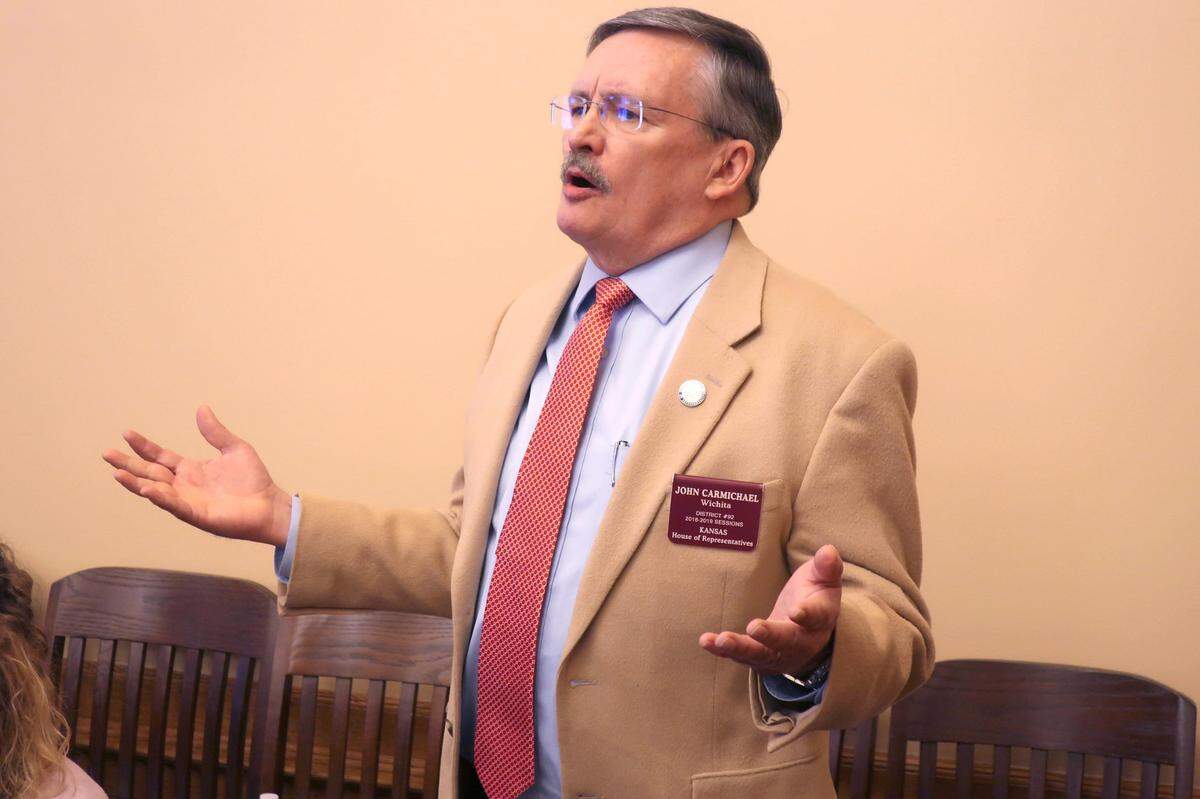
Carmichael, the one-time opponent turned reluctant supporter of sports betting, said he favors the Senate plan that would limit it to the four casinos and their online skins.
“I recognize that bars, restaurants, convenience stores, they all would like to also get into this wagering business,” he said. But, he added “in a place people drink more than they probably should, their judgment becomes impaired, they get into it with their friends, they’re in essence betting on their credit cards one way or another, that can lead to very bad consequences.”
He also said he’s concerned that having up to 1,200 sports betting stations would make it too hard to enforce a minimum age limit of 21, which is in both the Senate and House bills.
Even with that limitation, he said he still worries that younger people will access their parents’ betting accounts online. But putting age verification in the hands of the casinos is probably the best way that can be done, he said.
“In a perfect world, we would limit it to the brick and mortar establishments, but that approach is probably not competitive with the other online offerings that are rapidly evolving throughout the country,” he said.
Whatever passes, one thing seems clear: gambling on sports is here to stay.
Editor’s note: Anyone who needs help with a gambling problem can call or text a national hotline at 1-800-522-4700 or go to www.ksproblemgambling.org, the website of the Kansas Coalition on Problem Gambling. Missouri’s Problem Gambling Helpline is 888-BETS-OFF (888-238-7633). It is available 24 hours a day, seven days a week.
The Star’s Jeanne Kuang and Katie Bernard contributed to this report.
This story was originally published February 6, 2022 at 5:00 AM.