‘The worst I’ve ever seen.’ Two workers on why they left Missouri child welfare agency
READ MORE
‘We’re in crisis’
A critical shortage of Missouri child welfare workers is putting children’s lives at risk.
Expand All

‘We need help’: Missouri child welfare crisis puts children’s lives at risk, workers say
Missouri child abuse investigators sounded the alarm early about a statewide staffing crisis
‘The worst I’ve ever seen.’ Two workers on why they left Missouri child welfare agency
‘I could never do your job.’ Why some work in child welfare. And why they are quitting

Want to foster a child in Missouri? Here’s what you need to know
Staffing shortages have hit Missouri’s entire child welfare agency, but one department has been hurting more than the others.
For more than two years, the state’s Children’s Division has been running with too few investigators — those on the front line who work to rescue children from abusive homes.
But because of the stress of the job, climbing caseloads and morale that plummeted after layoffs in the summer of 2020, many have left their jobs in circuits across Missouri.
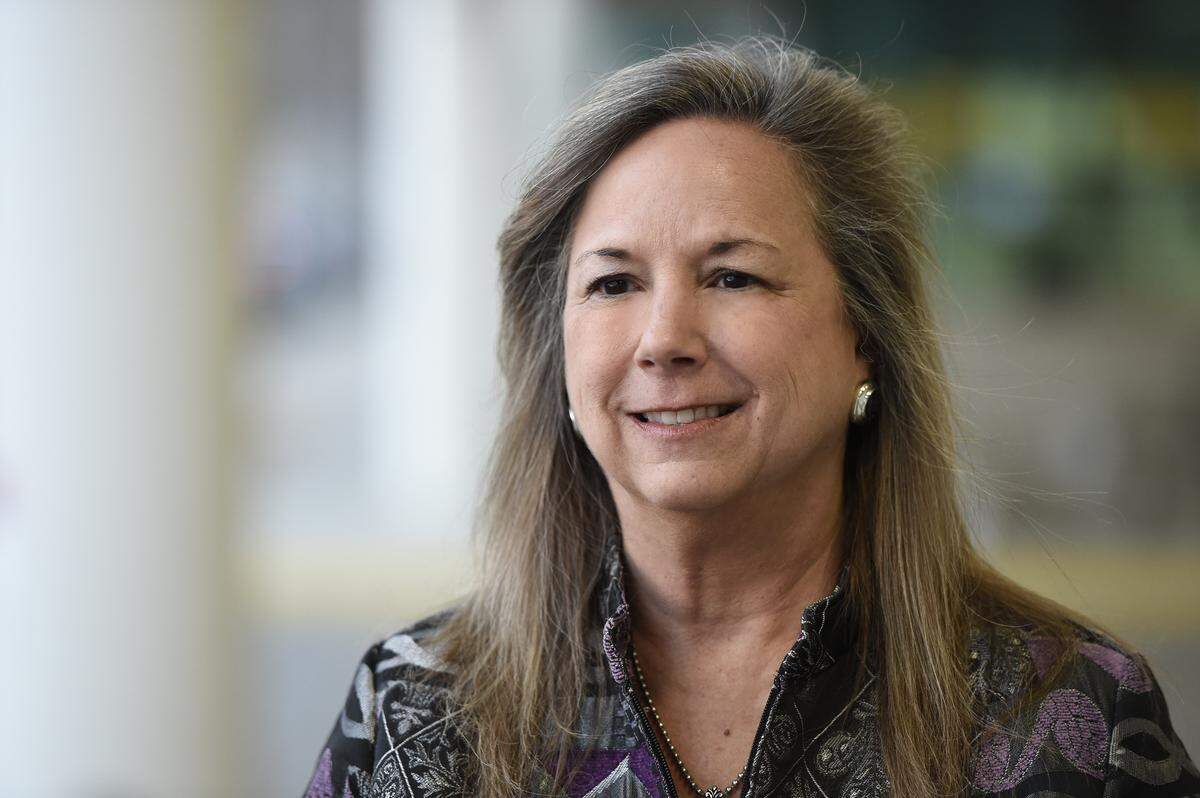
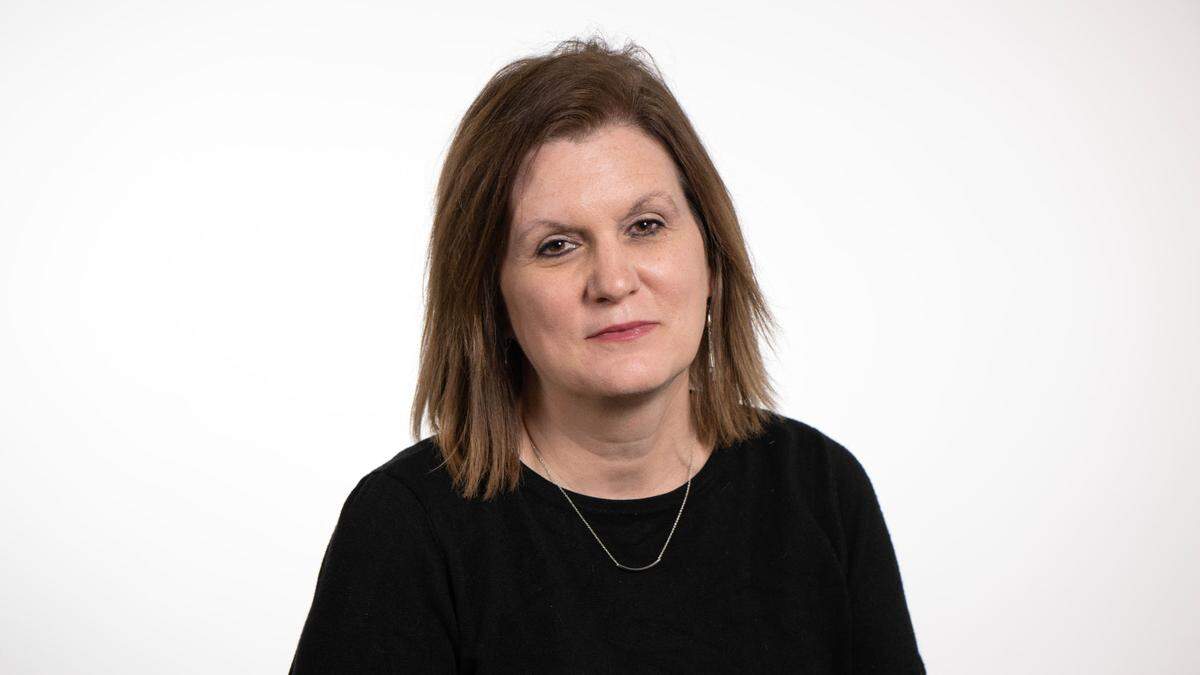
Two former abuse investigators — one who worked as a supervisor — spoke to The Star about how hard it was to leave but why they felt they had to. Both worked in St. Louis County, where lawmakers were alerted in November that their office had only six investigators though it was allotted for 54.
Kadika Pajazetovic: ‘I feel like I let those kids down’
As a newly hired investigator for the Missouri Children’s Division in 2015, Kadika Pajazetovic was told she’d be working 18 to 20 child abuse and neglect cases a week.
Though above the standard of 15, she figured that was doable and would give her the time needed to occasionally work the more difficult cases that required extra attention.
Instead, she said, her caseload was more than 30 a week right from the start — sometimes up to 36.
“And I was like, ‘What is happening? How come I have 36?’ And they’re like, ‘Oh, we’re just busy right now. It’s gonna go down.’”
It never did. When she left the St. Louis County Children’s Division office out of exhaustion and exasperation in late 2020, Pajazetovic said, her weekly caseload was more than triple what it should have been.
“I loved the job,” she told The Star. “It was not sustainable. It’s like you were carrying caseloads for three people and getting paid for one.”
With such a high caseload, Pajazetovic said, she couldn’t always ensure that a child was safe. Scrambling from one visit to the next to check on a child, she said, “It’s just like, ‘Oh, you’re here, you have bones and your head is on top of your shoulders. And I’ll catch up with you in two, three days.’”
The work was endless, she said. She would spend her evenings typing up reports or completing home visits, sometimes until 11 p.m. If she didn’t, she said, her reports would be overdue and she’d be put on probation.
“I’m really organized, but I was also overwhelmed, exhausted,” she said. “It’s like a nightmare...because if something happens, you’re responsible. They tell you, ‘Don’t take it personal.’ But how can you not take it personal, you know? A kid’s life depends on you.”

Pajazetovic lived in constant fear that a child would be severely injured or even die.
“Especially kids that are suicidal,” she said. “That worried me the worst. Sometimes teenagers, you know, they say things — ‘I’ll kill myself’ — and parents don’t take that serious. And you need to have time to talk to people. And if it’s false, you know, great, but sometimes you don’t have time, because you have to leave that residence and go to another one. And while you’re driving, you’re like, ‘Oh, my God, is she really going to kill herself?’”
Sexual abuse cases also kept her awake at night, she said.
“If you don’t have time to do what you’re supposed to do, you’re leaving those kids and they’re like, ‘I’m not going to talk anymore, because guess what? I just told her and she hasn’t done anything, so why even bother?’
“I feel like we fail a lot of them, but it’s not because we weren’t passionate about our job. It’s because people that make policy have no idea.”
Workers are afraid to speak out, she said, fearful of retaliation.
“I was one time told you gotta be careful what you’re saying,” she said. “Because people are listening to you when you speak.”
Pajazetovic, who now works as a probation officer, said that as much as she hated leaving the Children’s Division, it’s a relief to be gone.
“I miss talking to children, I miss taking them out of that environment,” she said. “I know they depend on us. But I’m a human being. And if you don’t have any support, it’s like, what do I do? It was tearing me apart.”
Sometimes, she said, she feels guilty for leaving.
“I feel like I let those kids down,” she said. “But at the same time, it’s like I’m destroying myself. And if I’m not well, if my well-being is not there, I can’t help you, either.”
Zanetta Peterson: ‘like a heavy load is lifted’
In the nearly two decades she worked for the Children’s Division, Zanetta Peterson served in several roles. She even left for a couple of years, but came back.
From family-centered services worker to investigations supervisor, she’s seen the agency go through some rough patches. But nothing compared to what’s happening now.
“It’s the worst I’ve ever seen and ever heard,” said Peterson, who retired from the St. Louis County office at the end of August. Because of the critical worker shortage, she said, “You can’t fully give the families or the children true service. There’s no way. You just cannot.”
When she first became an investigator years ago, Peterson said, things were starkly different.
“Work was fun,” she said. “There was a lot of camaraderie. Everybody helped everyone. It was just a family kind of thing. We had enough staff…we had a lot of assistance back then.”
But now, she said, the staff is so decimated that investigators are being assigned five, even six, abuse and neglect reports a day.
“There was a time when investigators were only getting one, maybe two reports in a day,” Peterson told The Star. “And even when I started as an investigative supervisor, workers were getting two reports a day, maybe three.”
When they started getting more, she said, the investigators couldn’t meet the deadlines for handling them.
“If there was an investigation where a child needs to be removed, OK, you remove that child, you place them in a foster home,” she said. “You’re trying to get them the services that they need, meet with them. But how can you when you’re getting three to five reports a day? You can probably see them for like 10 minutes, if you get to see them.”
Not only does that put kids in danger, Peterson said, it puts tremendous stress on the workers.
“In your mind, you’re thinking, ‘I’m going to get written up. I won’t be able to take vacation, I won’t be able to have a day off,’” she said. And even if workers finally take a day off just to get a breather, she said, “they come back just as exhausted, because you’ve got all these phone calls and more and more work to do.”
Peterson said things further deteriorated after the 2020 layoffs, in which nearly 100 Children’s Division employees were let go, most of them program managers and supervisors.
“We were really devastated,” she said. “We were like, ‘What the hell is going on?’ They had to reapply for a position if they wanted, and it was lower pay. Some people, they accepted other positions, but a lot of people just left. And those that did accept some other positions, they stayed for a little while and then they eventually left.”
The first thing Children’s Division leaders need to do to fix the problem, Peterson said, is raise the pay so they can attract and hire more workers.
“The pay is horrible,” she said. “I had a worker who is single. She has no children. But I remember her coming into my office feeling so overwhelmed and saying that she could barely feed her dog, that this work is too much for the pay and what they’re asking.
“And she said, ‘I don’t understand how people get by on the salary that we make.’ And there are a lot of people that have to work this job but also work another job.”
Peterson said though she’s concerned about the children and the workers who remain, it’s a blessing to be retired.
“It’s just like a heavy load is lifted.”
This story was originally published March 16, 2022 at 5:00 AM.