Lawmakers urge broadening Missouri’s paltry compensation to the wrongly convicted
Missouri Rep. Ron Hicks asked other lawmakers at a hearing Tuesday to imagine they have been released from prison after serving 15 years for a crime they did not commit.
“They just let you out. That’s it. You’re going to be pretty pissed,” said Hicks, a Republican from St. Charles, as he urged his colleagues to support legislation that would broaden compensation to the wrongly convicted.
Hicks and Rep. Shamed Dogan, a Ballwin Republican, discussed before a House committee their identical bills that would expand eligibility for payments to people exonerated by the state. Currently, only prisoners freed through a specific DNA testing statute can receive money, though Dogan noted few prisoners prove their innocence that way. Their proposals would change that.
Their bills are similar to one introduced by Rep. Mark Sharp, a Kansas City Democrat, but are not as expansive as the measure sponsored by Rep. LaKeySha Bosley, a St. Louis Democrat whose legislation would nearly double the amount paid to exonerees to $65,000 a year. Hicks and Dogan, though, said they are open to changes that would provide additional benefits under their bills.
Lawmakers on both sides of the aisle were moved to act following the November release of Kevin Strickland, a Kansas City man who spent more than 42 years in Missouri prisons for a triple murder that he did not commit. He did not qualify for compensation under state law. Legislators mentioned his “horrible” situation several times during the hearing Tuesday.
“This, I believe ... can be the most single, positive piece we push out of this body,” Hicks told members of the House’s Emerging Issues Committee. “I think everybody in here can understand the fact that if you lock someone up for a crime they did not commit and then we let them go, we should make them whole again, of some way, somehow. And right now we do not.”
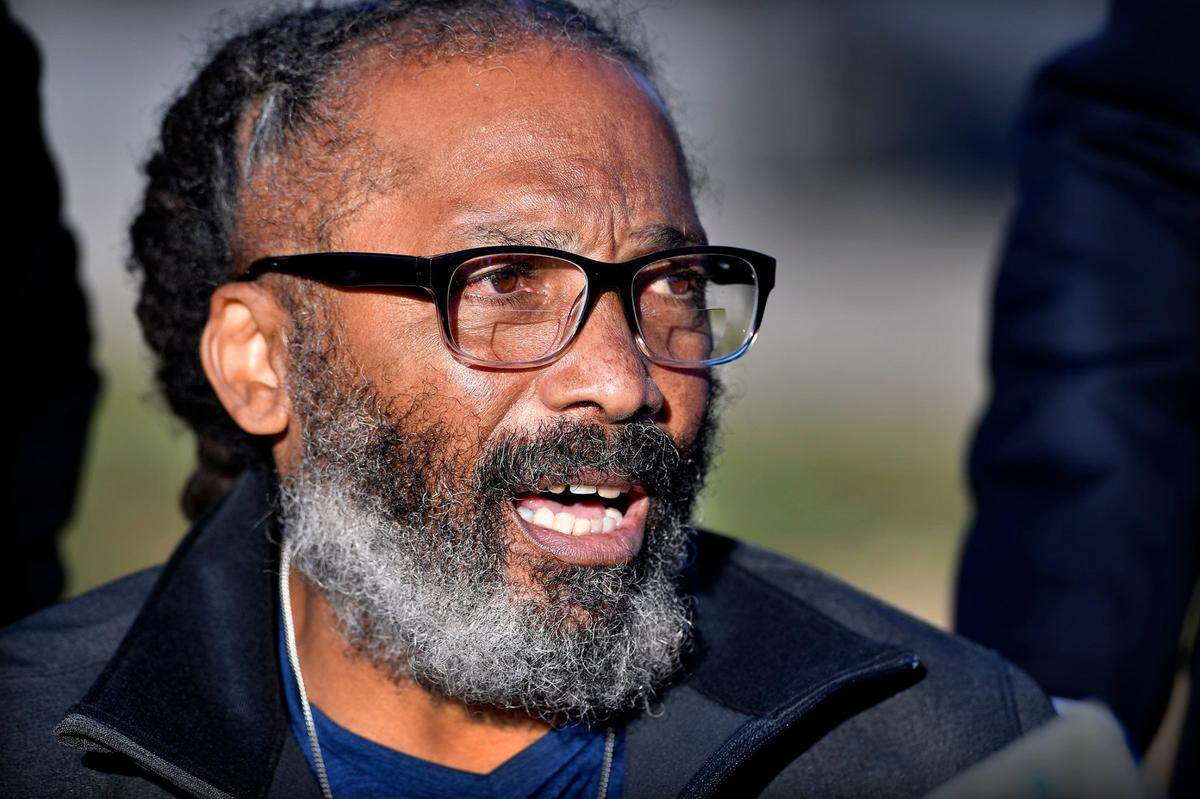
While Missouri has a compensation law, unlike about a dozen other states, most exonerees never see a dime.
Under state law, the few eligible exonerees are entitled to $100 for each day they were wrongly imprisoned, which legal experts say is less than what other states pay. The federal standard for compensation is $50,000 for each year of imprisonment. The majority of states with a compensation law, including Indiana and Alabama, provide that or more. Texas’ is $80,000 per year.
Missouri caps the payments at $36,500 a year, so if a person was imprisoned for 10 years and proved their innocence through the DNA statute, the $365,000 they are owed would be spread out over 10 years.
Hicks’ and Dogan’s bills as written would keep the payments at the same level, though several lawmakers expressed interest in increasing that amount. Dogan proposed raising it to $52,000, Missouri’s per capita income.
Tricia Rojo Bushnell, executive director of the Midwest Innocence Project, suggested it be increased to $65,000 a year, which would match what Kansas pays. She said many states that provide compensation also look to pay those who wrongly spent years on probation, parole or the sex offender registry. Kansas pays $25,000 each year for those.
Rojo Bushnell also noted the bills bar exonerees from receiving payments if they are also serving time for an unrelated crime. Only one other state, Florida, does that, and lawmakers there are working to change it. Some innocent prisoners, she noted, can pick up assault charges when they are forced to fight for their lives in self-defense.
Among the groups that support the legislation is the Missouri Association of Prosecuting Attorneys and the Missouri Association of Criminal Defense Lawyers. Randy Scherr, executive director of the defense attorney association, joked that it’s a “very rare occasion” when his group is in agreement with the prosecutor’s association.
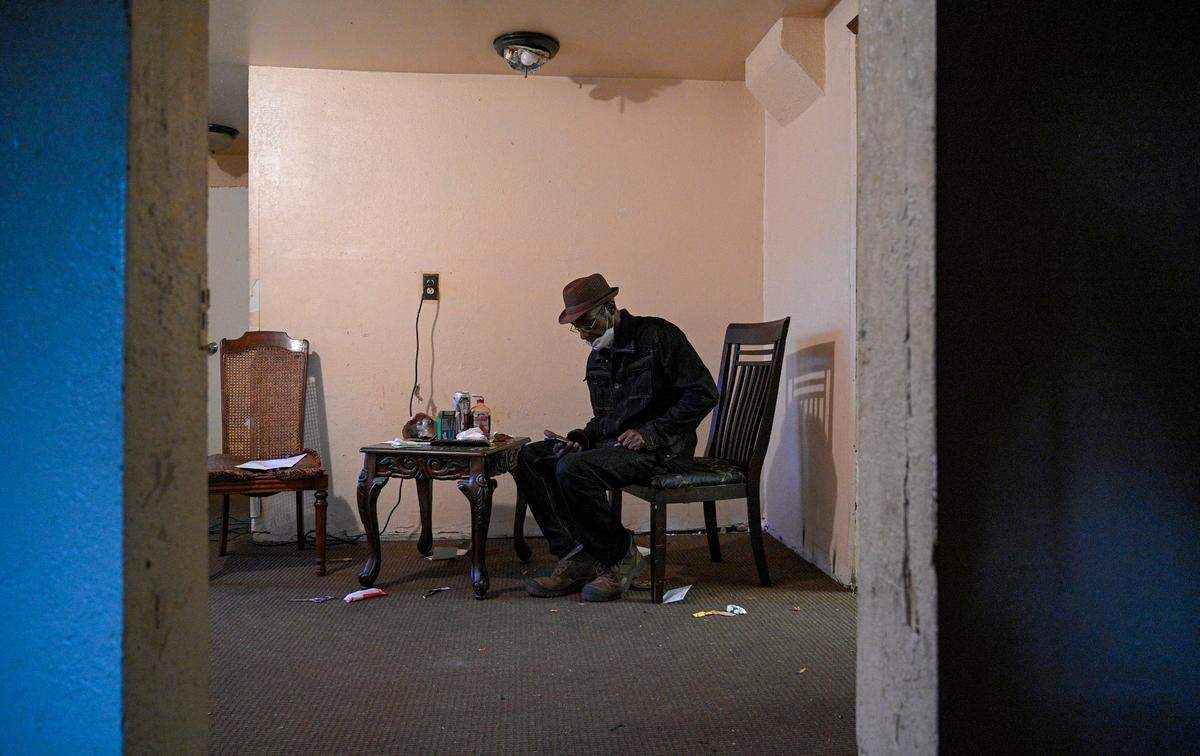
The legislation is also supported by the Missouri NAACP. Its president, Nimrod Chapel, pointed out that if a Missouri Department of Transportation vehicle careened into a car carrying a family, the state would pay them restitution.
“We ought to do the same thing for these people that have been wrongfully convicted,” Chapel said. “It’s the least we can do.”
Lauren Sobchak, an organizer with Missourians for Alternatives to the Death Penalty, said none of the four people exonerated since 1976 from Missouri’s death row received state compensation. That included Reggie Griffin, who was exonerated after spending more than two decades behind bars. Sobchak read a statement from him to lawmakers.
“What I went through and the pain I endured is going to affect me for the rest of my life,” Griffin wrote. “Coming so close to being executed has given me nightmares and created enormous problems with adjusting back into society.”
In November, five Missouri exonerees, including Griffin, told The Star that while there are programs set up for the guilty upon release, such as those on parole, the innocent are spit out of the system with nothing. Several are in dire financial situations.
Rep. Ashley Aune, a Democrat from Kansas City, said she would like to see the state also provide exonerees with housing and healthcare services, something other lawmakers agreed with. Other states, like Kansas, provide those benefits.
“Missouri cannot be a state that treats its parolees better than its exonerees,” Aune said.
This story was originally published February 1, 2022 at 6:03 PM.