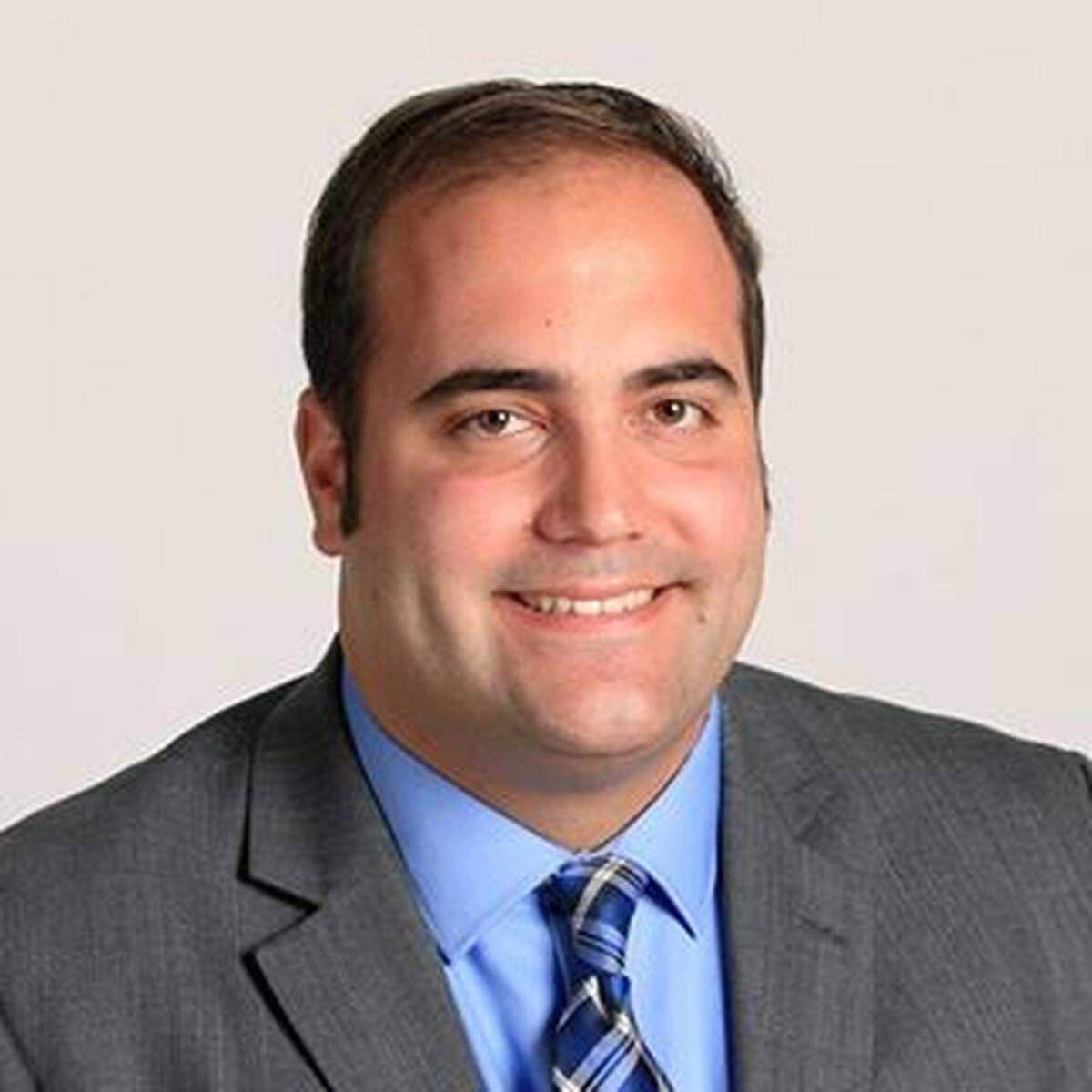
Davids and Adkins spar on COVID-19, health care policy in final 3rd District debate
Democratic Rep. Sharice Davids and her Republican challenger Amanda Adkins clashed over the COVID-19 pandemic during their final debate Monday afternoon.
Adkins, a former Kansas Republican chair who is challenging Davids in the Kansas 3rd Congressional District, said that she has had family friends who have died from the virus and that her “heart goes out to people who have suffered in the crisis.”
But Adkins accused Davids and Democratic Gov. Laura Kelly of having “pushed a shutdown culture” by favoring efforts to curb the spread with restrictions on businesses and a shift toward virtual education.
“It’s unfortunate that leaders in this region have ignored the fact that there are very significant secondary implications to shutting down business, the economy and kids not being able to return to school,” Adkins said during the debate, which was co-hosted by The Kansas City Star’s editorial board and Fox 4 KC.
The comments reflect a deep divide between the two candidates’ approach to the pandemic.
Davids has shifted her campaign to a mostly virtual operation, relying on phone banking and online outreach as she runs for re-election. Adkins has continued with door-to-door canvassing and in-person campaign events during the pandemic.
Davids said Adkins and President Donald Trump have disregarded the advice of public health experts.
“We can’t have a healthy economy if we don’t have healthy people. And there’s a couple of ways we get to that,” Davids said.
“One is by making sure we’re following public health guidelines. I know the President and Ms. Adkins have flouted oftentimes the public health guidelines when it comes to masks, but that’s one way that we can help get our economy back up going is to slow down the virus and stop the virus.”
Adkins, an executive at the health care IT company Cerner who has taken a leave of absence during the campaign, suggested that the Kansas City metro has not faced a surge of cases.
“I do want to thank our health care providers,” Adkins said. “I think they’ve done a fantastic job in making sure that they’re prepared for what could’ve been a surge, but our numbers here have not been huge.”
Davids said she disagreed with Adkins’ characterization of the situation in the region.
“I disagree that the numbers haven’t been huge,” Davids said. “I think the numbers have been alarming. The people who have passed away, the seniors in our nursing care and long-term care facilities, have really been devastated by this pandemic.”
The director of St. Luke’s Health System’s COVID-19 response team told The Star earlier this month that local hospitals “bursting at the seams in the metropolitan area.”
Local health authorities on both sides of the state line have reported 81 deaths in the Kansas City metro since October 20. The metro has had 735 deaths from the virus since the start of the pandemic and more than 49,600 cases as of Monday.
The University of Kansas Health System last week reported 309 hospitalizations for COVID-19 in September and October, a figure more than double the rate of hospitalizations the hospital system had for April and March.
In response to a question on health care policy, Adkins criticized Davids’ support for Medicare-for-all during the 2018 primary. Adkins accused Davids of lying about her past statements about the proposal.
Davids has disavowed support for Medicare-for-all since her election to Congress and responded that Adkins was “talking about a proposal that’s not actually on the table.” Neither former Vice President Joe Biden, nor Pelosi support Medicare-for-all, a proposal championed by Vermont Sen. Bernie Sanders.
Davids reasserted her support for the Affordable Care Act, which allows states to expand Medicaid to provide health insurance to low income workers. Kansas is one of just 12 states that has not yet approved expansion, which would insure an estimated 130,000 Kansans.
“I think she must’ve forgotten that there are thousands upon thousands of people in this state who don’t have a physician because they don’t have access to health care, and that is a huge oversight by my opponent,” Davids said.
Adkins said both Medicare-for-all and Medicaid expansion would lead to increased taxes for Kansans.
“At some point when you expand health care and you expand government-run health care, that means increased taxes in this country. I deeply care about vulnerable populations gaining access to care. However, Medicaid expansion, Medicare-for-all, getting a government run insurance card does not equate to getting access to care,” Adkins said.
The Star’s Katie Moore contributed to this report.