5,000-year-old sacrificial site stuns archaeologists in Sweden. ‘Extremely unusual’
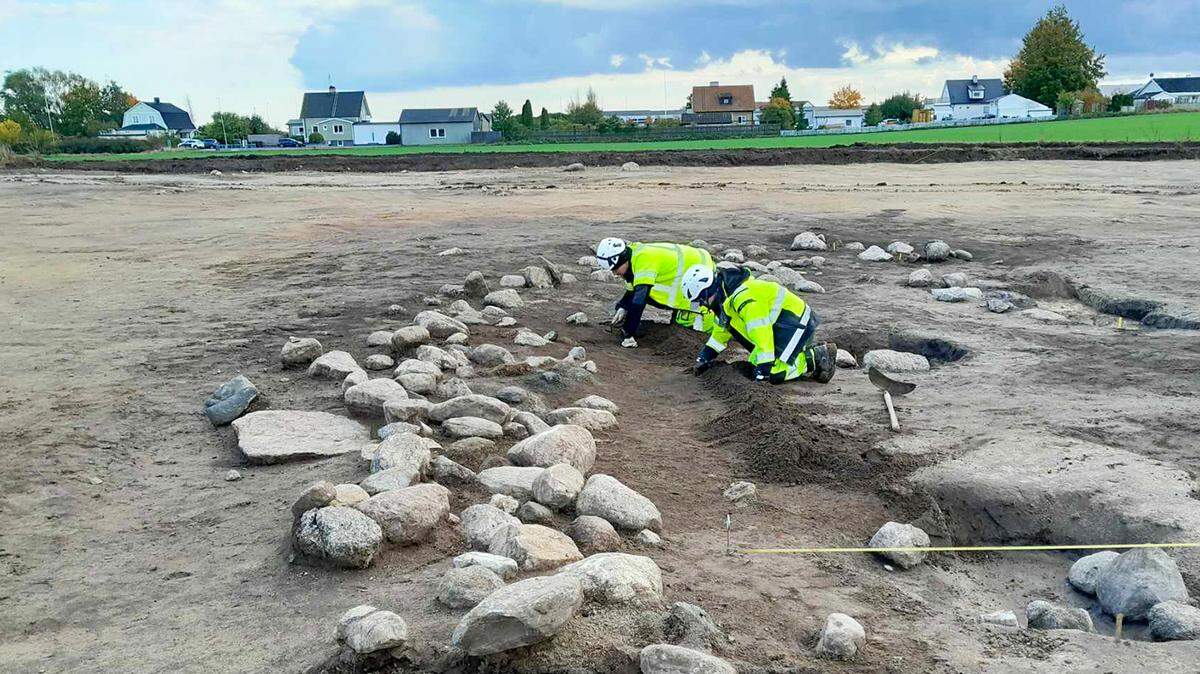
Digging into the damp ground of southern Sweden, archaeologists expected to find traces of ancient life. But what reemerged left them stunned.
Archaeologists excavating in Hammar found a 5,000-year-old sacrificial site complete with a stone walkway and countless offerings, Arkeologerna, an agency of Sweden’s National Historical Museums, said in a Nov. 8 news release.
The ancient stone walkway stretched about 160 feet across and had a semicircular shape, archaeologists said. During the Neolithic period, the structure sat on the edge of a marshy wetland where people left offerings.
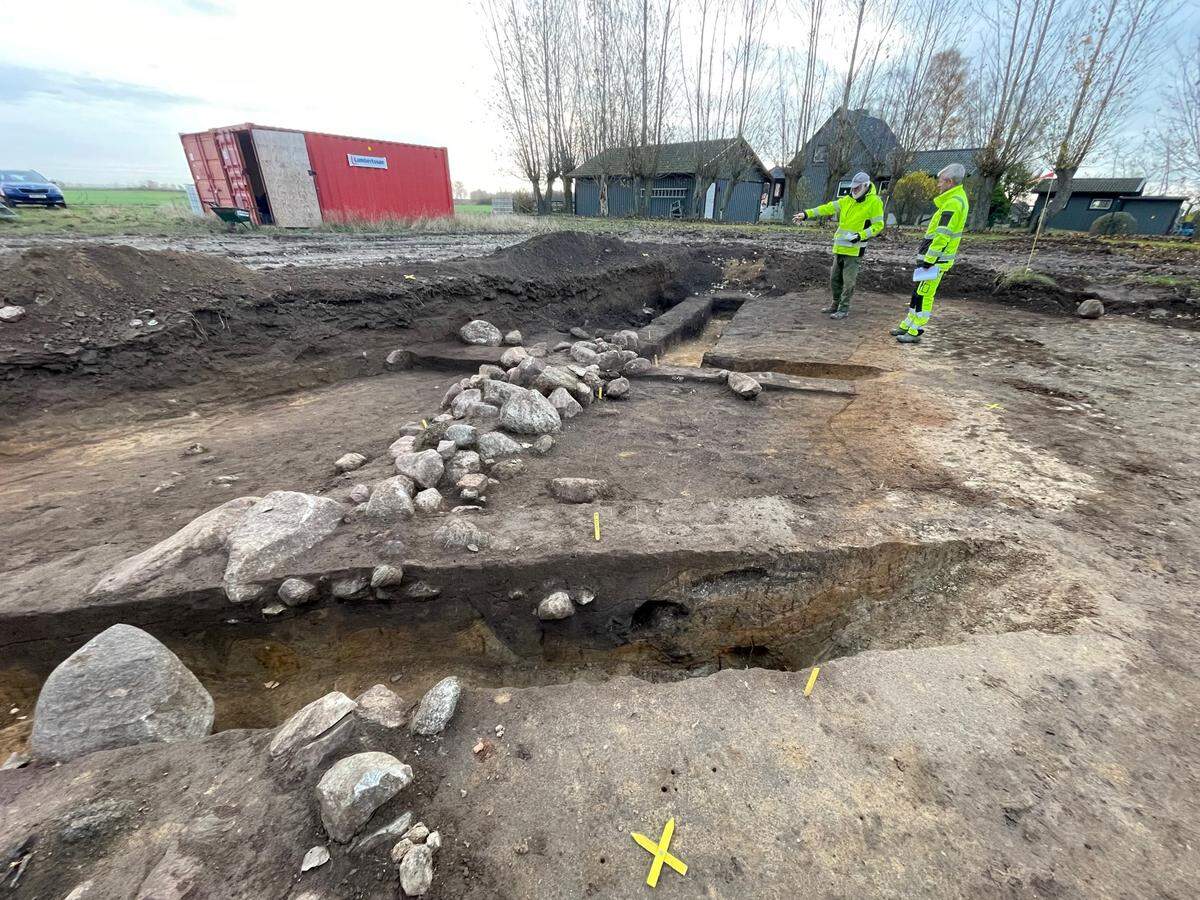
The gifts sacrificed to the wetland ranged from pottery fragments and wood items to shaped flint tools and animal bones, archaeologists said. Excavations unearthed “large quantities” of these artifacts.
“The (organic) remains and artifacts are very well preserved, which is extremely unusual for a site from this period,” Magnus Artursson, a project manager with Arkeologerna, said in the release.
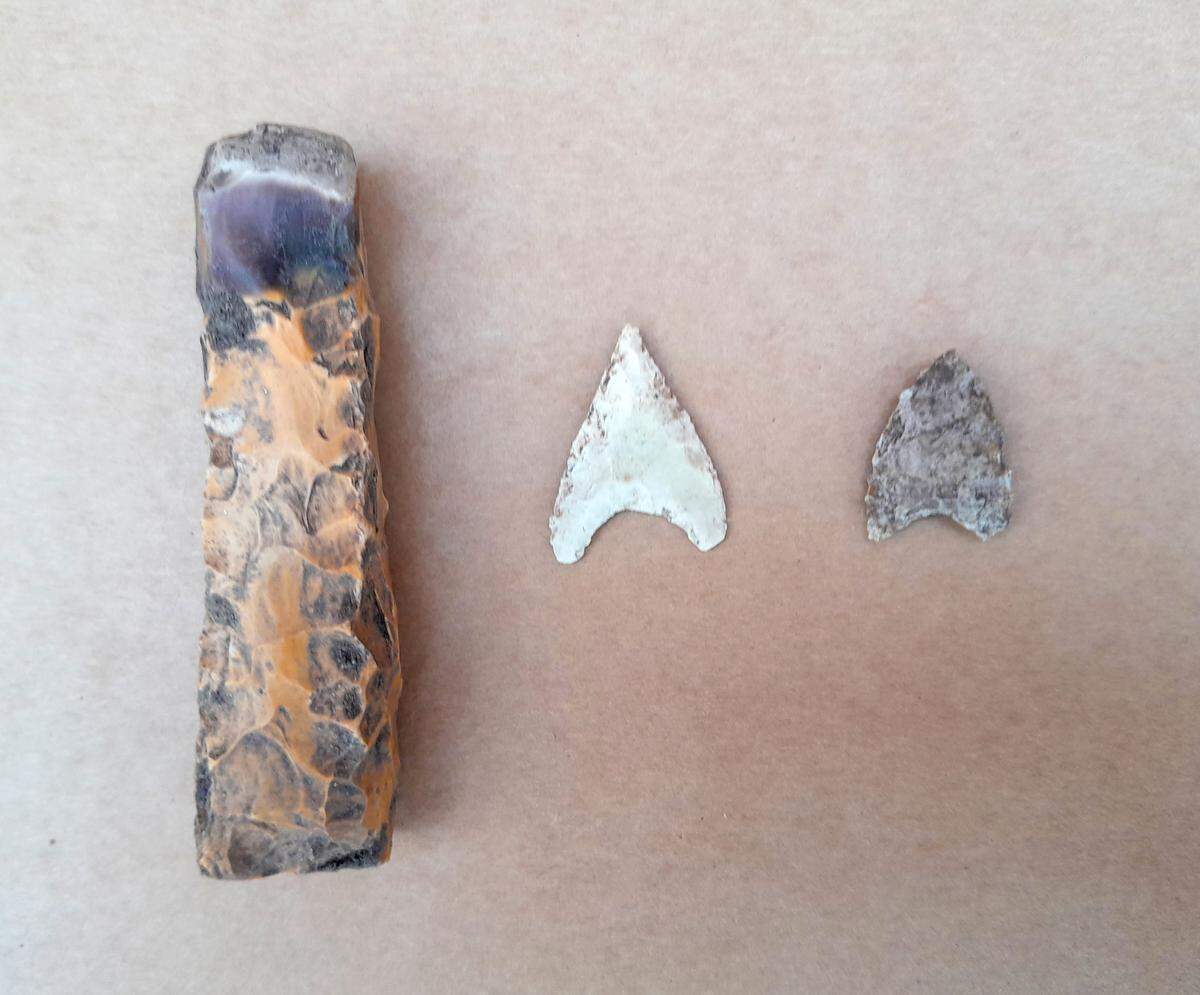
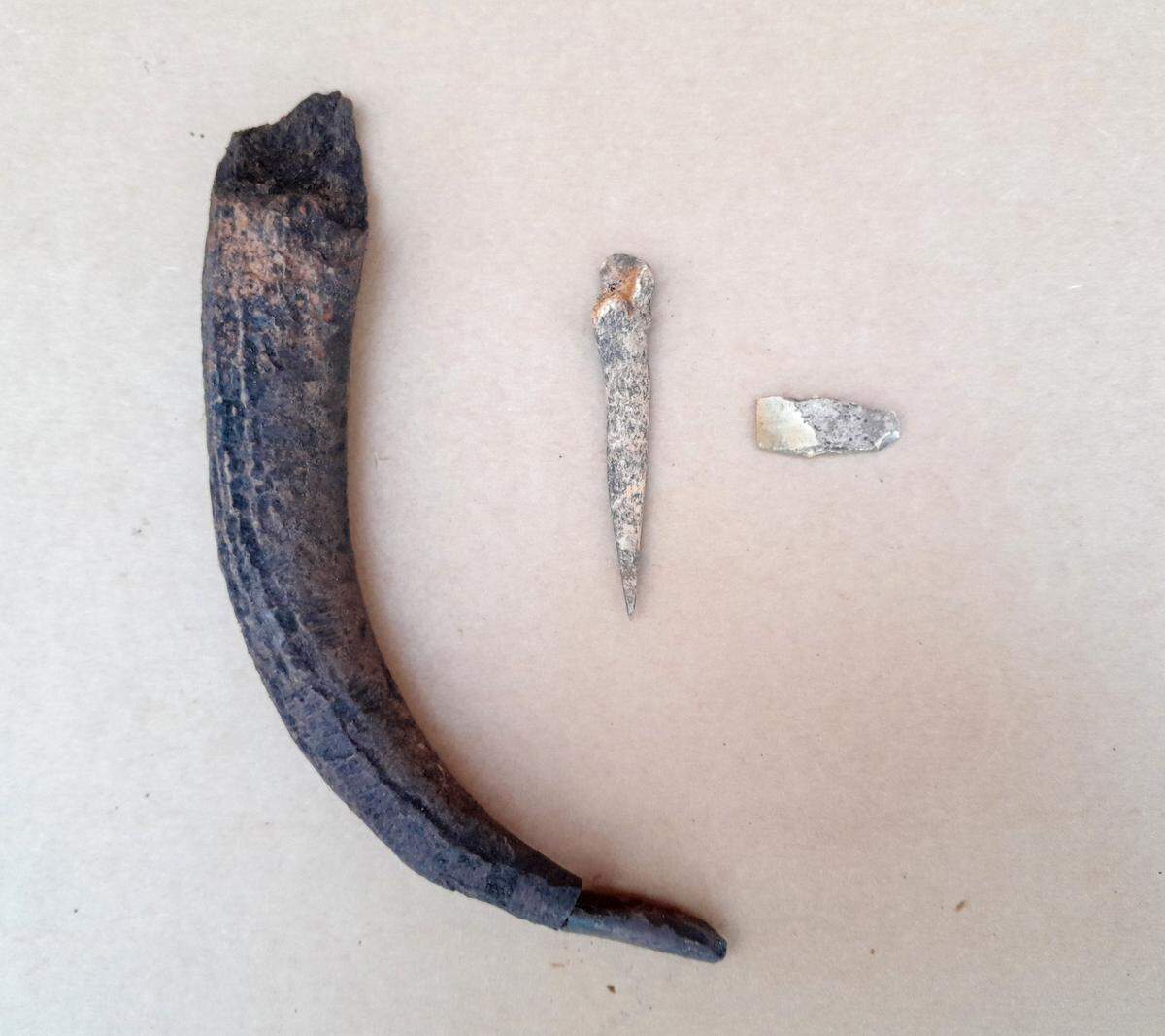
Photos show a few of the “astonishing” finds. Archaeologists identified a few of the bone artifacts as “an antler billet for flint knapping, a fishing hook and a stylus for leatherwork.”
“We have discovered a ceremonial complex where people gathered at a certain time or at certain times during the year to celebrate religious festivals,” Artursson said. “The finds suggest feasts with ritual butchering and deposition of offerings both in the wetland and in the open pits of the enclosure.”
People likely began gathering at the wetland and leaving offerings between 3500 and 3000 B.C., archaeologists said.
The site was “unique for the Neolithic period in this country,” Artursson said.
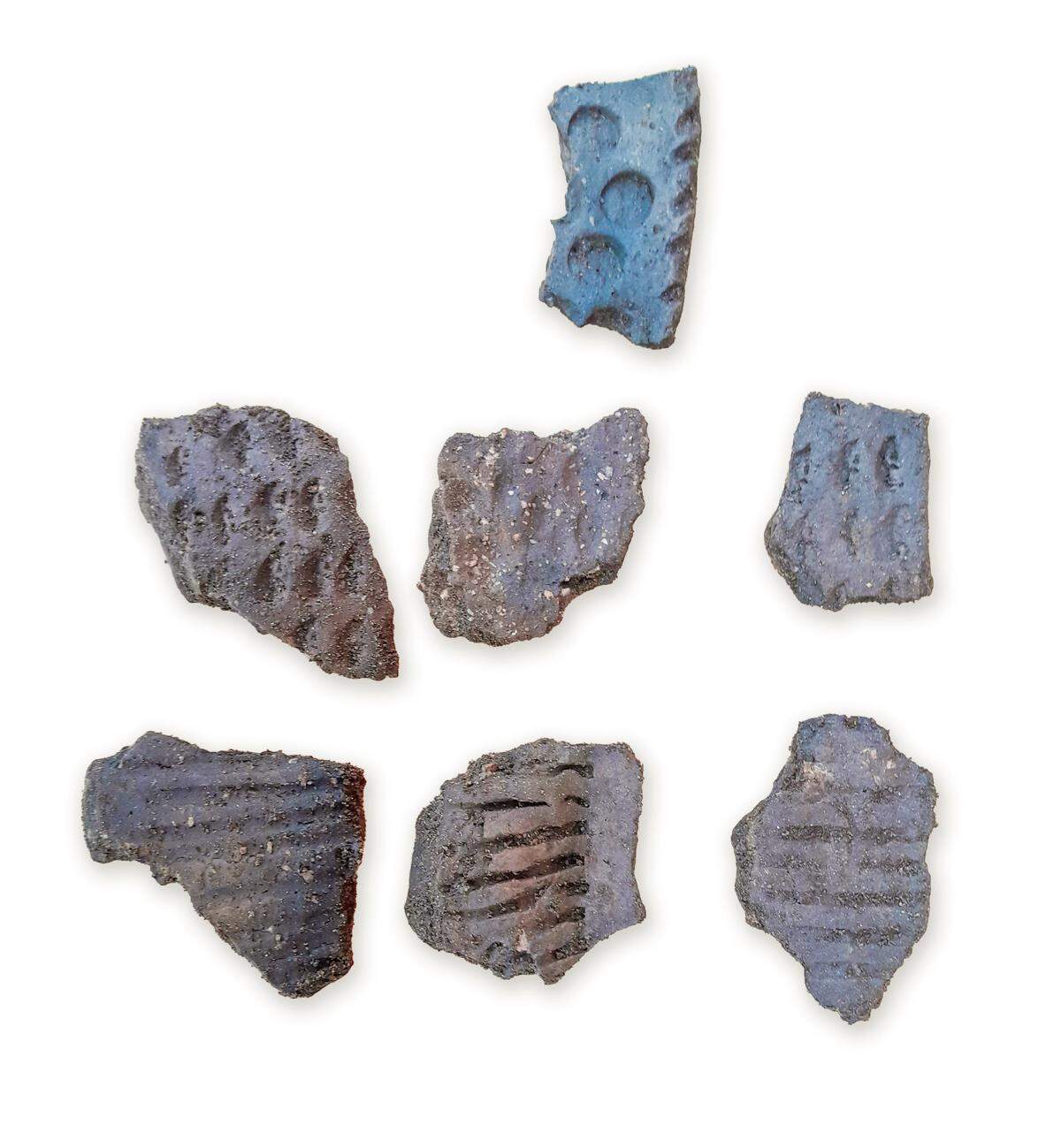
Officials hope to continue excavations at the Hammar site but are waiting for funding. Work at the site began ahead of a home construction project, the museum said.
Hammar is a small village in southern Sweden and a roughly 340-mile drive southwest from Stockholm.
This story was originally published November 13, 2024 at 8:23 AM with the headline "5,000-year-old sacrificial site stuns archaeologists in Sweden. ‘Extremely unusual’."