Roman road cutting through London eluded experts — until now. See ‘remarkable’ find
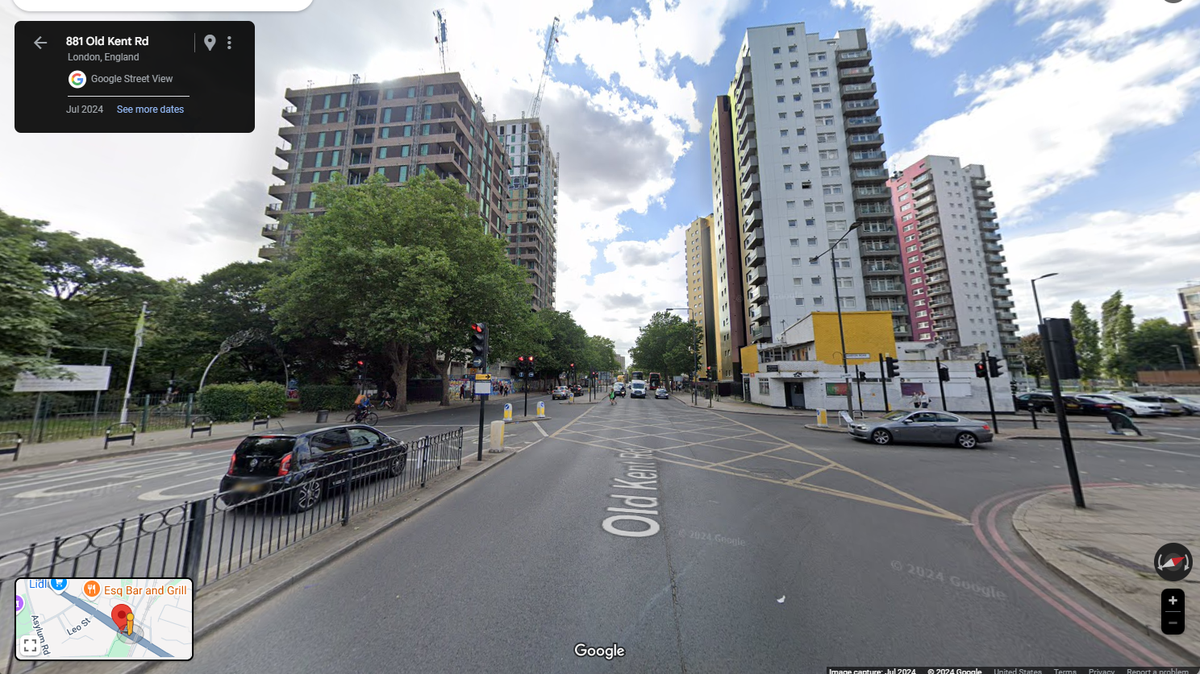
Archaeologists long suspected an ancient Roman road cut through modern-day London, but its exact route remained a mystery — until now.
The 2,000-year-old route known as Roman Watling Street began in modern-day Dover on the southeastern tip of the United Kingdom, ran through London and continued northwest toward modern-day Birmingham.
Because “Roman roads are characteristically straight,” archaeologists thought they knew where the London section of road should be, but finding its ruins “proved very difficult,” the Southwark Council said in a Nov. 11 news release shared with McClatchy News.
When road construction began in Southwark, London, experts hoped they’d finally have some answers — but what reemerged exceeded their expectations.
While digging under Old Kent Road, workers uncovered a “well-preserved” chunk of Roman Watling Street, officials said. Photos show the “amazing” 2,000-year-old road.
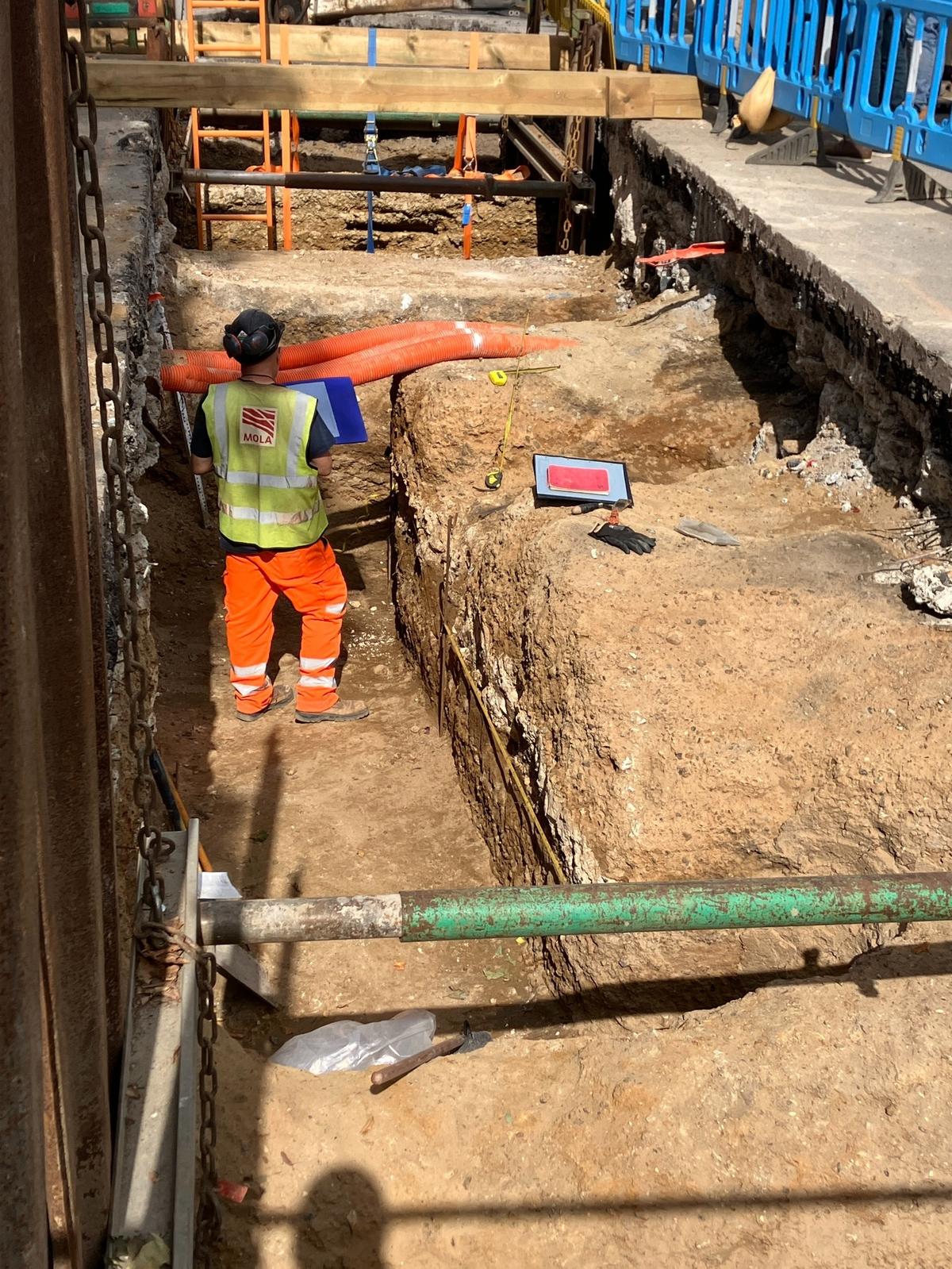
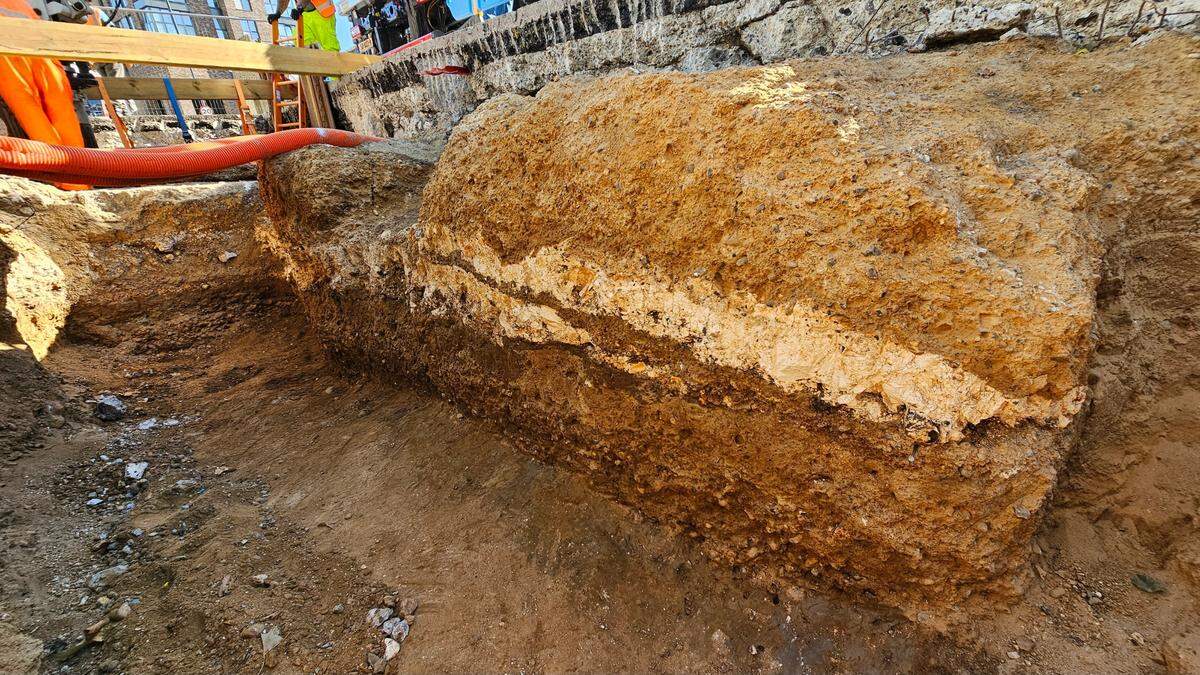
The road ruins measured about 20 feet wide and about 4.5 feet tall with “distinct layers” of “compacted gravel,” chalk and sand, the council said.
“It’s amazing this section of road has survived for almost 2,000 years,” Dave Taylor, a project manager with the Museum of London Archaeology, said in the release.
“There has been so much activity here over the past few hundred years, from sewers to power cables, tramlines and of course the building of the modern road,” Taylor said, “so we’re really excited to find such a substantial chunk of Roman material remaining.”
“I’m pleased this project has answered our questions over the course of the Roman road,” Chris Constable, an archaeology official with the council, said in the release. “In the planning for this project, we’d expected to solve this question but the extent of survival of the road is remarkable.”
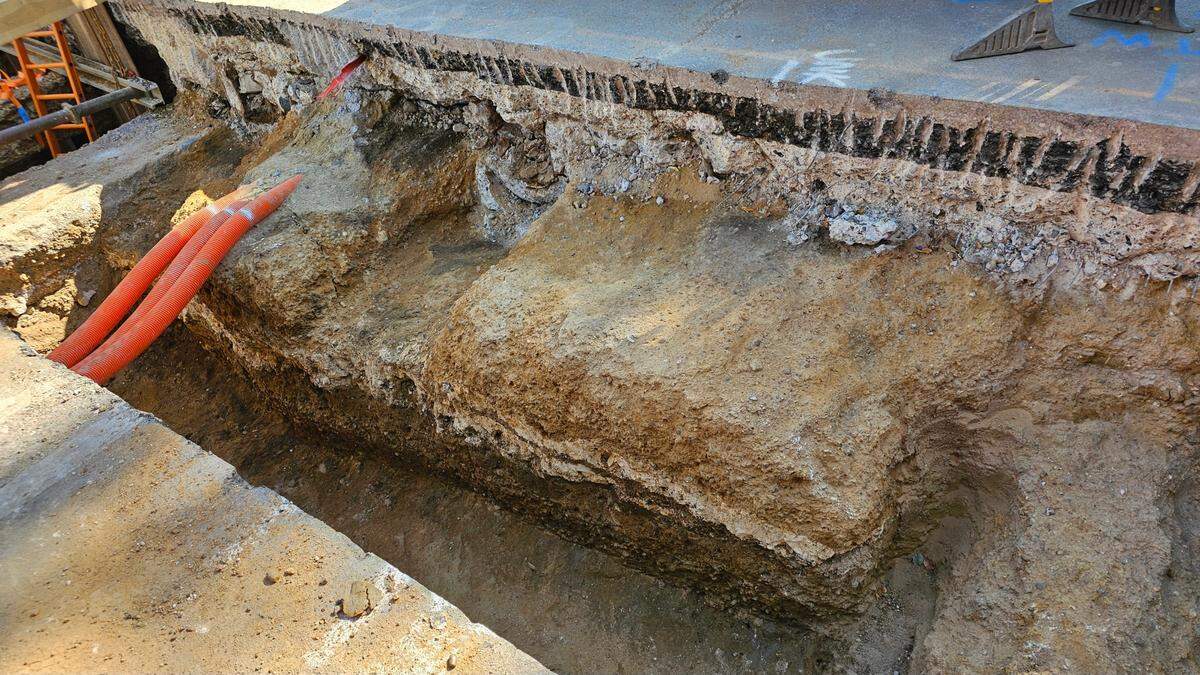
The ruins in Southwark are “the first physical proof that sections of the 2000-year-old route survive directly beneath its modern counterpart Old Kent Road,” officials said. The modern road sat “directly” on the Roman structure.
Construction in Southwark is ongoing and will expand the heating network.
This story was originally published November 12, 2024 at 10:03 AM with the headline "Roman road cutting through London eluded experts — until now. See ‘remarkable’ find."