Rare ancient Roman ruins in France hid exceptional structure — until now. See it
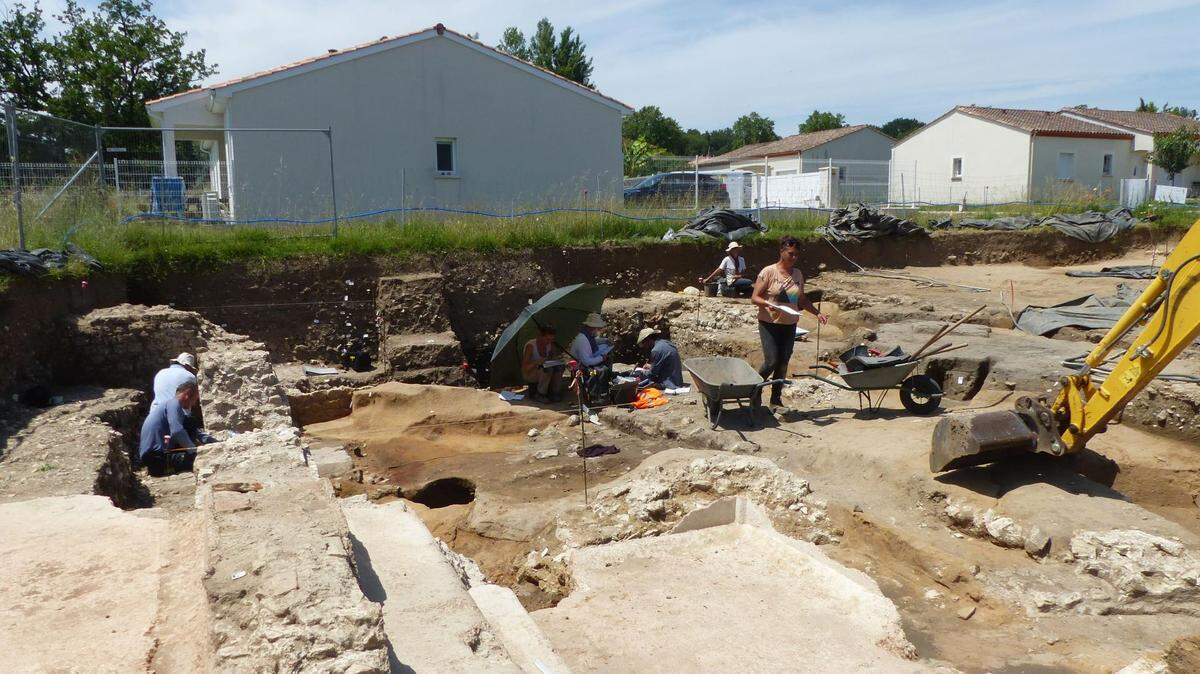
Digging into the pale brown dirt of southern France, archaeologists painstakingly revealed more and more of a rare ancient Roman site. One structure in particular caught their attention — and for good reason.
It turned out to be a roughly 1,900-year-old bathhouse.
Archaeologists began excavating a site in Villeneuve-sur-Lot in 2017 ahead of home construction. They expected to find something because of the area’s proximity to Excisum, a prosperous ancient Roman town, the French National Institute for Preventive Archaeological Research said in a Nov. 5 news release.
To the team’s surprise, the excavation unearthed a permanent Roman military camp. Such camps were prevalent in coastal regions of Gaul, the Roman name for modern-day France, but rare for inland places, such as Excisum.
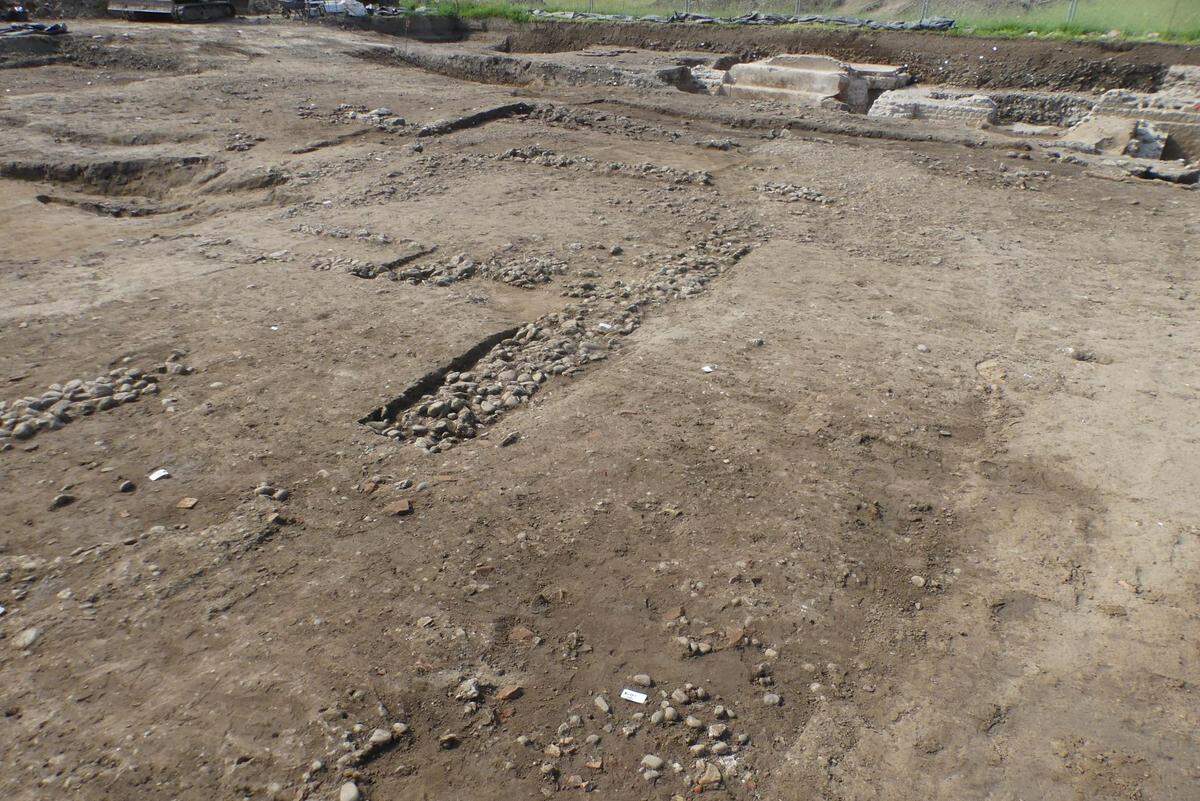
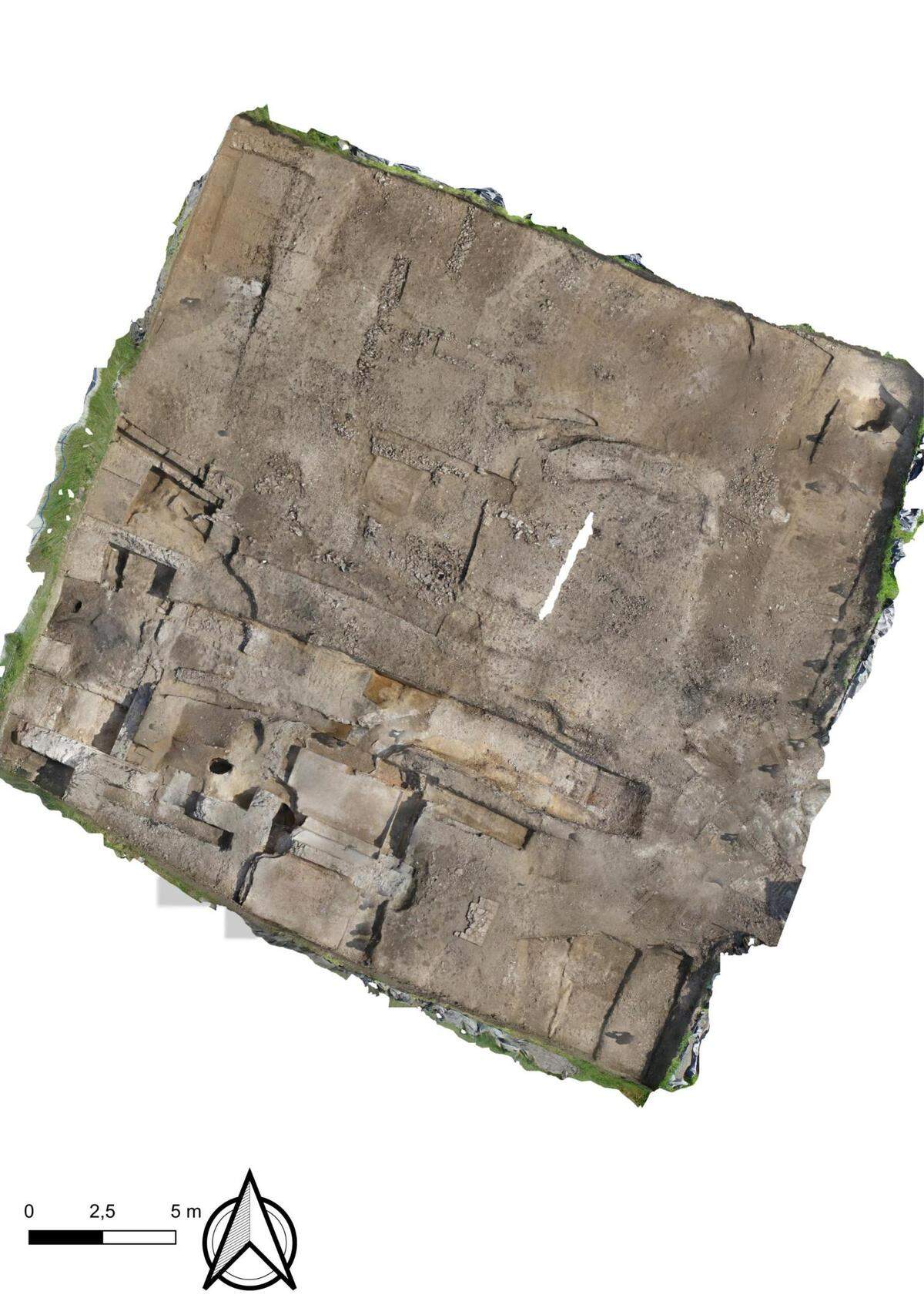
Construction at the Excisum camp, as archaeologists nicknamed it, began in the first century A.D. with a series of wood and dirt buildings. A photo shows an aerial view of the ruins.
The military camp also had a thermal bath complex, archaeologists said. The monumental stone structure had at least six rooms, including a cold pool, boiler room and two service rooms.
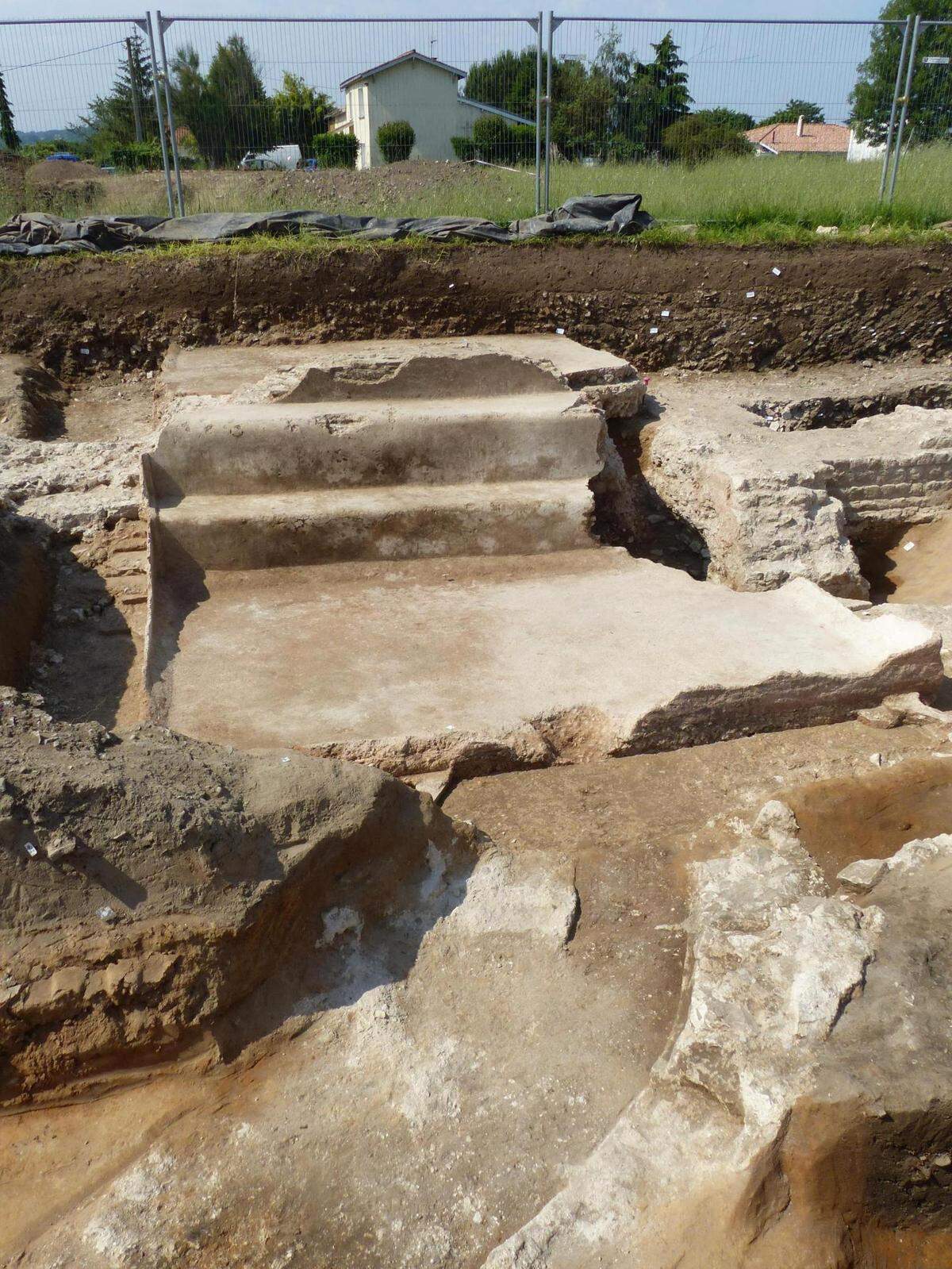
Archaeologists described the baths as an exceptional discovery.
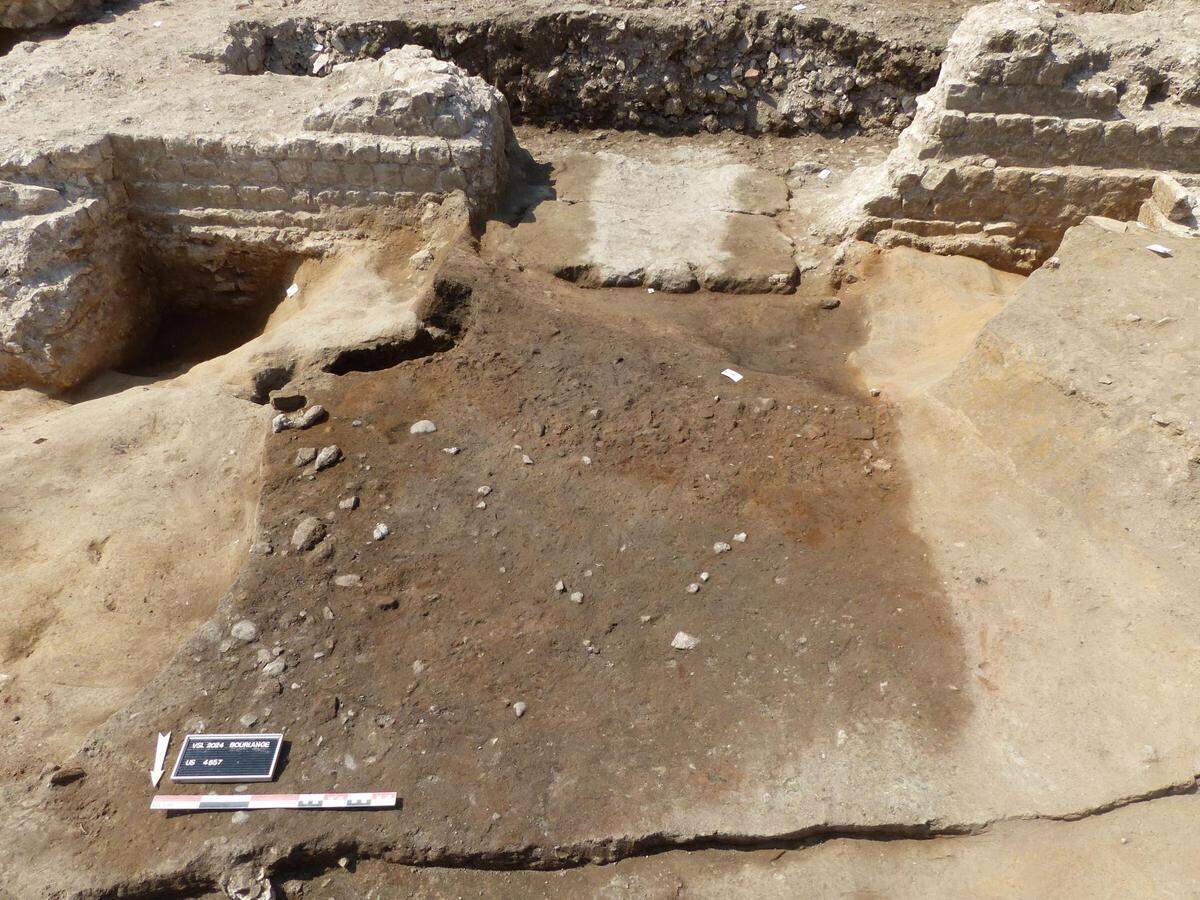
Photos show what remains of the ancient structure. The service rooms survived more intact than other spaces due to being built partially underground, the institute said.
One photo shows the steps leading down into the ancient pool, which measured about 130 square feet across and about 5 feet deep.
Ancient Roman bathhouses, also known as thermae, were relatively large, standardized complexes where people bathed, relaxed and socialized, according to Britannica. The complex usually had three different types of pools: hot, warm and cold pools. Although the exact order is debated, thermae visitors would likely undress and exercise before moving through the different pools in decreasing temperature.
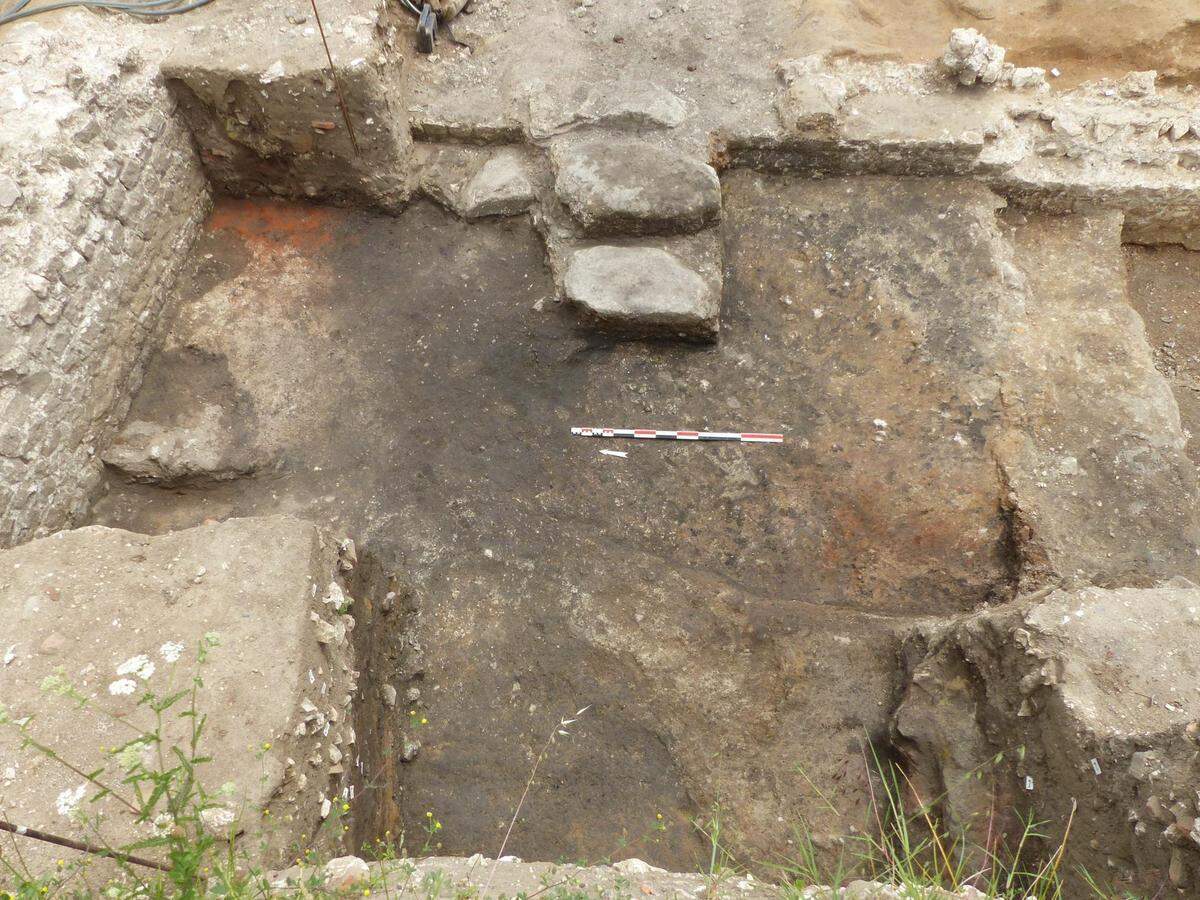
Excavations at the bathhouse in Villeneuve-sur-Lot revealed traces of the complex’s heating system and sewage system, archaeologists said.
Villeneuve-sur-Lot is a town in southwestern France and a roughly 360-mile drive southwest from Paris.
Google Translate was used to translate the news release from the French National Institute for Preventive Archaeological Research (Inrap).
This story was originally published November 6, 2024 at 2:17 PM with the headline "Rare ancient Roman ruins in France hid exceptional structure — until now. See it."