
2,000-year-old colorful mosaic — depicting aquatic creatures — found in the UK. See it
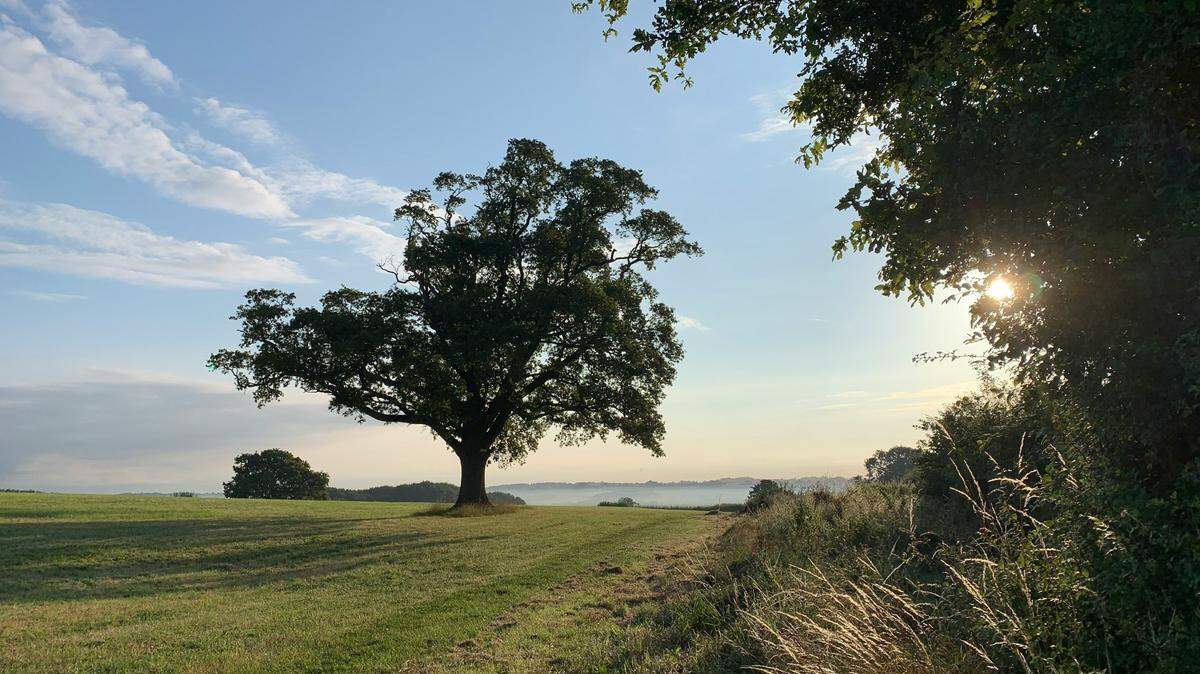
When the Romans invaded the United Kingdom during the first century, a group of invaders made their way to the rolling hills of Shropshire in the West Midlands of England.
Here, they built what would become one of the largest Roman cities ever established in Britain, according to English Heritage.
The city was named Wroxeter and was comprised of more than 200 houses, a civic bath house, a county hall and judicial center, English Heritage said.
In the nearly 2,000 years since its establishment, ruins of the city have remained relatively well preserved, thanks to its remote location and lack of modern development.
Now, excavations in the city have uncovered art from the city’s earliest days — an aquatic mosaic floor.
In a collaborative project among Historic England, the University of Birmingham, Vianova Archaeology & Heritage Services and Albion Archaeology, researchers began excavations on what is believed to be a previously unexplored townhouse.
A video of the floor was posted by English Heritage on Aug. 13.
The mosaic depicts swimming fish and dolphins, English Heritage said, and was likely built in the second century.
The artwork would have been commissioned by someone wealthy or important in the city, researchers said.
Notably, the mosaic is in incredible condition and still bears the original paint plaster that was used to put the pieces in place, something researchers said was “an extremely rare survival.”
“The mosaic survives because the building was later remodeled, probably in the later 3rd or 4th centuries, when the room was filled in with building debris to raise up the interior of the house (possibly to match the increased height of the adjacent streets),” English Heritage said.
Peter Guest, project manager and co-director of collaborator Vianova Archaeology, said it was like looking at an “aquarium frozen in stone,” and the excavation season as a whole exceeded all expectations.
Among the other finds were a potential shrine, a roadside civic building and “tantalizing hints” of another temple, according to a news release from Vianova Archaeology.
“(The mosaic), alongside a large number of small finds such as coins, will go a long way in helping us to date the various phases of the city and indicate the kinds of activities that were taking place,” Win Scutt, the senior properties curator for English Heritage, said in the release. “It’s always an astonishing moment when you uncover a fragment of beauty hiding just below the ground.”
The site has been reburied to protect the mosaic as excavations continue, English Heritage said.
Shropshire is in western England, near the border with Wales.
This story was originally published August 13, 2024 at 4:29 PM with the headline "2,000-year-old colorful mosaic — depicting aquatic creatures — found in the UK. See it."
