Campsites from the Middle Ages — with ancient rock art — studied in Kazakhstan. See it
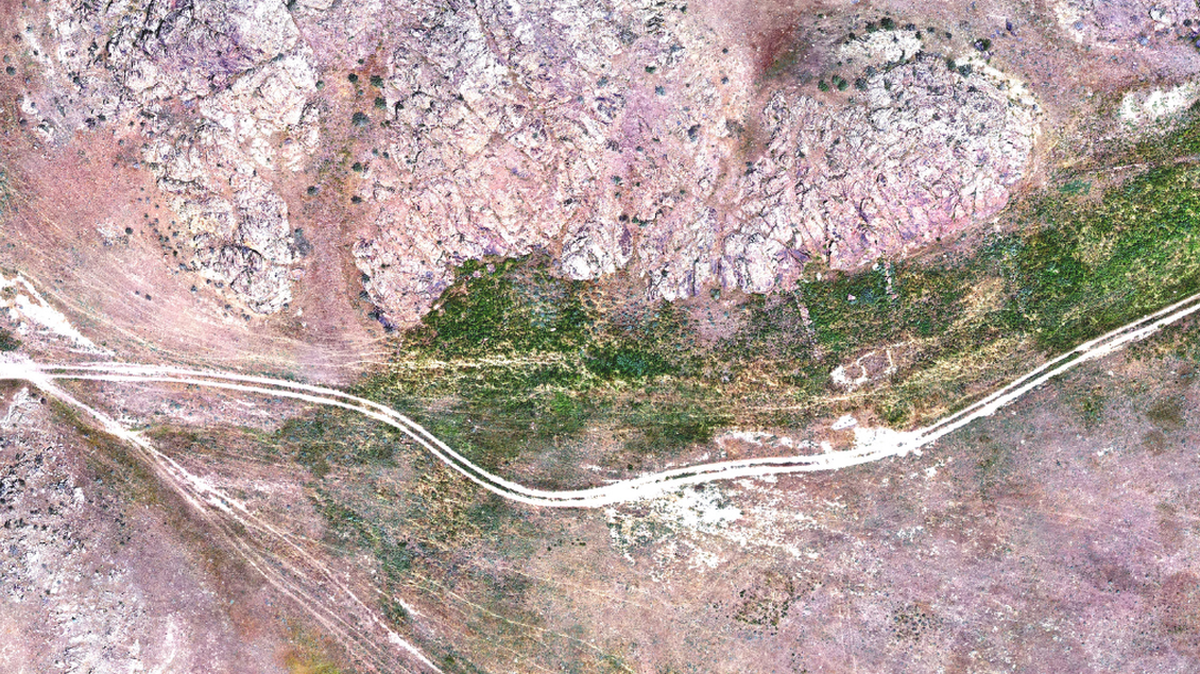
In the foothills of southern Kazakhstan, remnants of an ancient settlement sit nestled in the mouth of the Serektas River gorges.
The site is well known, researchers from the Margulan Institute of Archaeology who are exploring and excavating it said in an Aug. 1 news release.
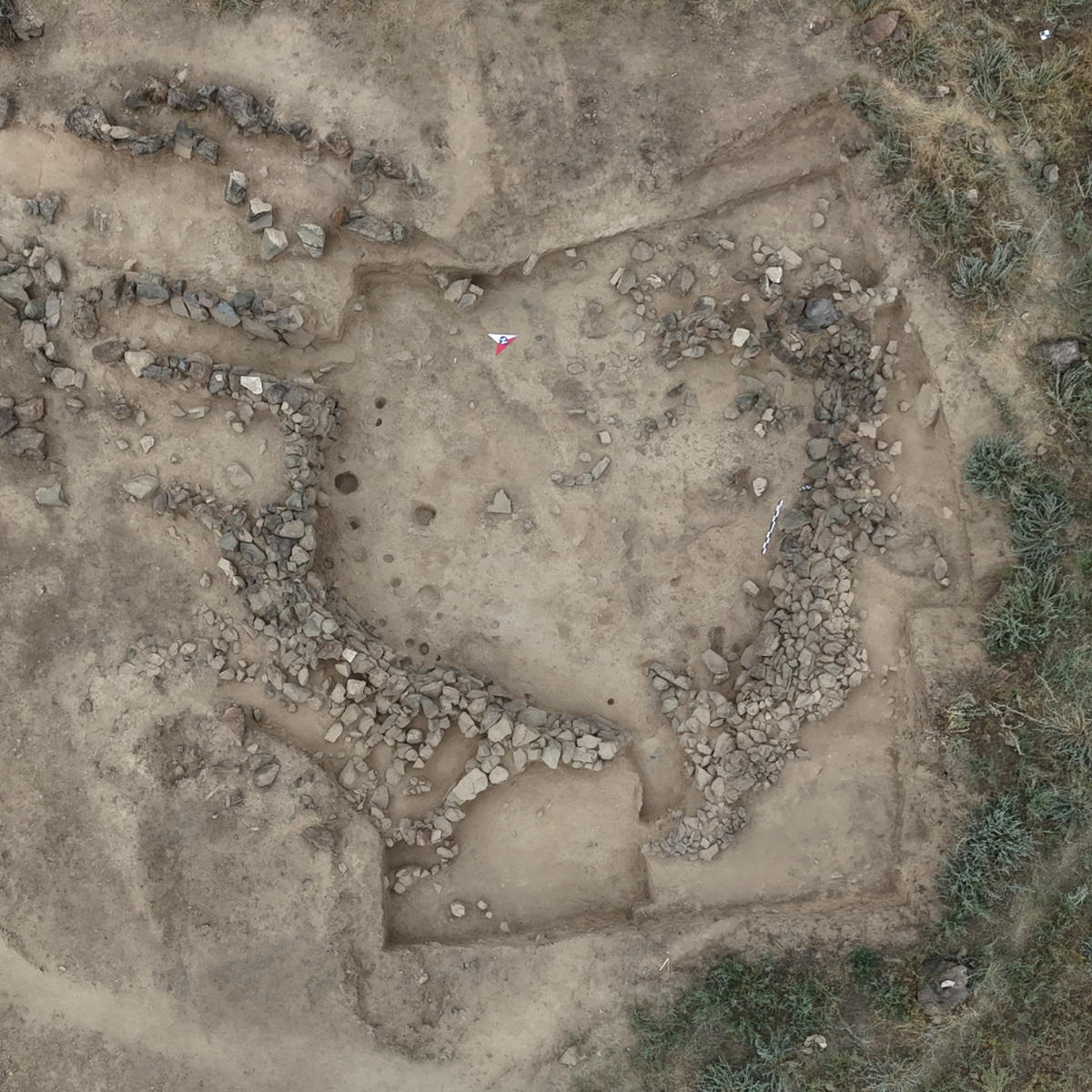
Archaeologists learned there are five individual settlements, made of small campsites from the late Middle Ages and the Modern Period, according to the release, or around the year 1250 and beyond.
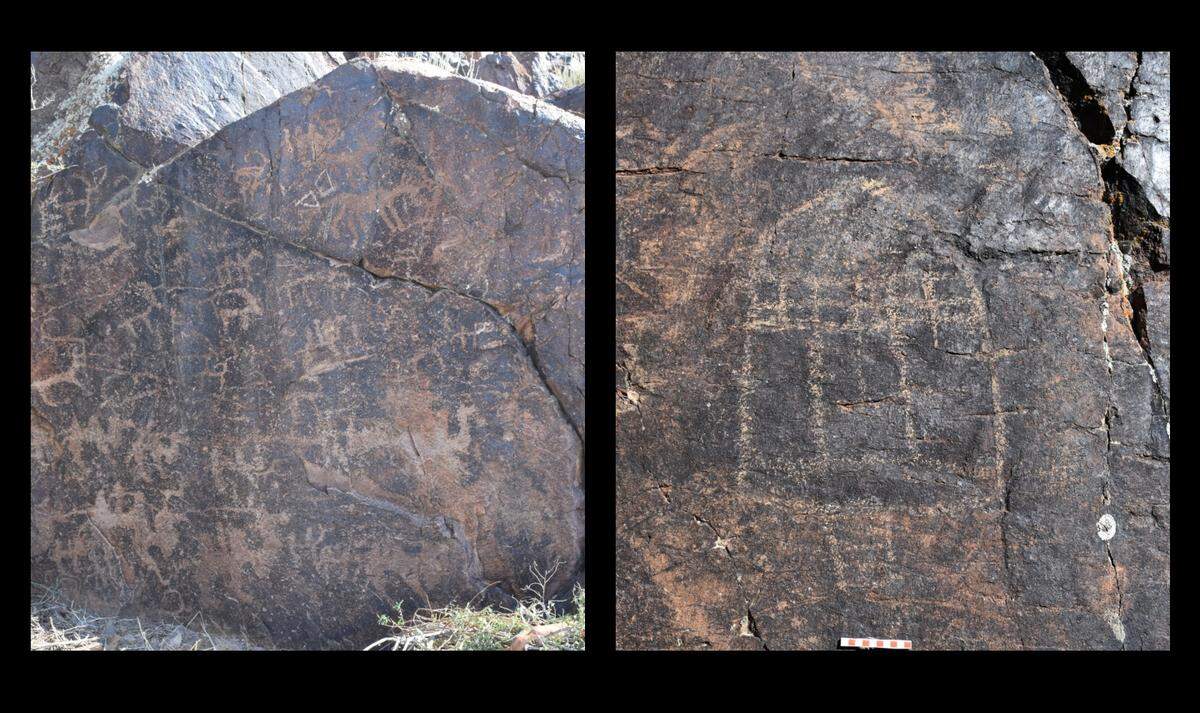
At the sites, archaeologists found a “Kazakh tribal tamga,” or a type of stamp or seal that was used by nomadic people to identify clans or families.
Researchers also found walls of art, including the depiction of a yurt, a traditional home, according to the release.
At one dwelling, archaeologists found more than 700 ceramic fragments in a Dongal-type style, and more than 80 stone tools including hoes, hammers, polishers and grinding plates, according to the release.
They also found bone artifacts belonging to cattle and small ruminants, like sheep or antelopes, researchers said.
“A bronze artifact was found on the floor on the northern side of the dwelling, along with three iron nails with (cattle hair) thread,” according to the release.
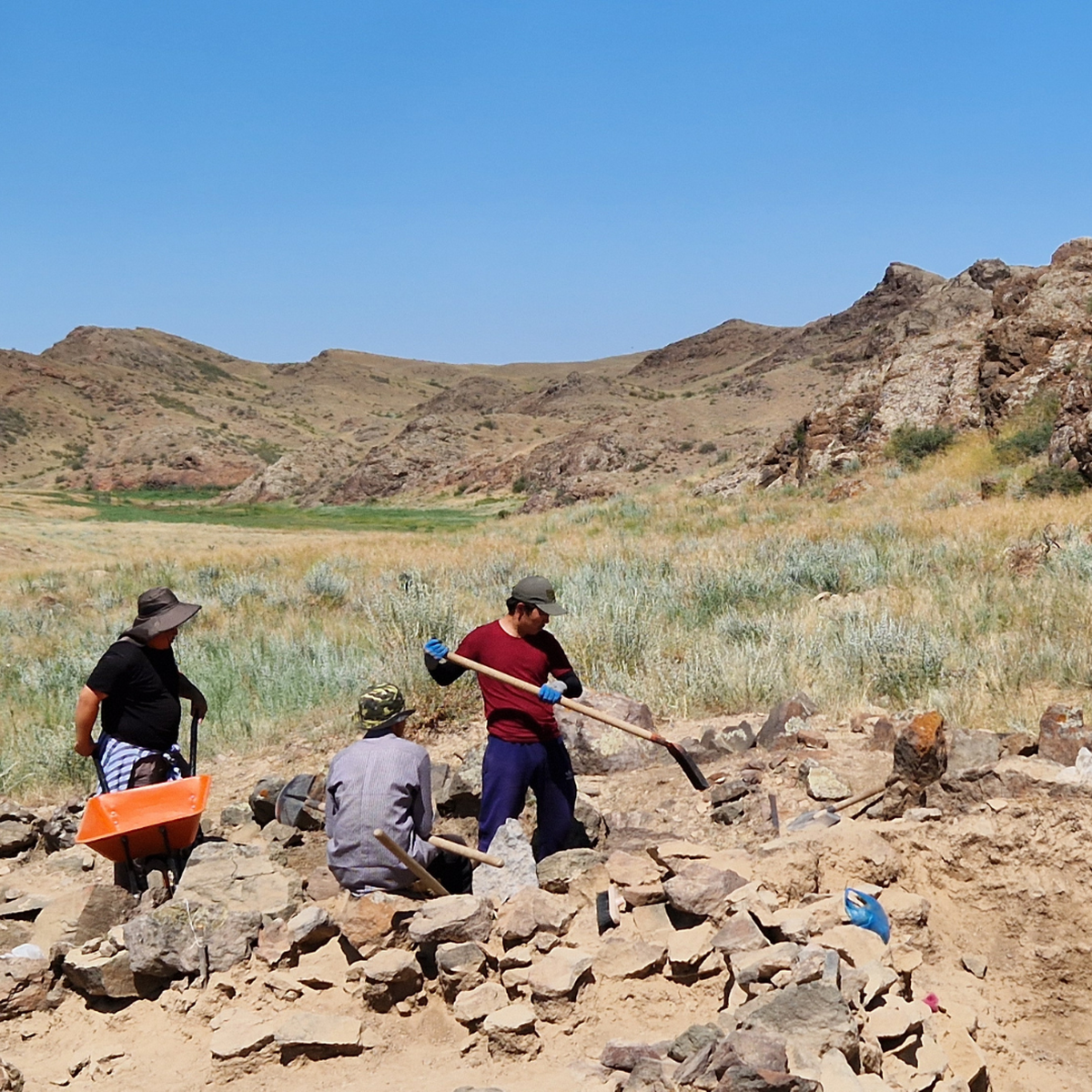
Another settlement nearby included a 580-square-foot room filled with bones, stone pieces and ceramics, researchers said.
Bones from cattle made up most of the fragments, but a few came from wild animals, according to the release. Researchers also recovered stone tools such as grinders, polishers and pestle-like pieces.
The site is northeast of the village of Karabastau, in southern Kazakhstan near the border with Uzbekistan.
This story was originally published August 13, 2024 at 11:10 AM with the headline "Campsites from the Middle Ages — with ancient rock art — studied in Kazakhstan. See it."