Resident spots ‘metal plates’ — and finds hundreds of medieval treasures in Germany
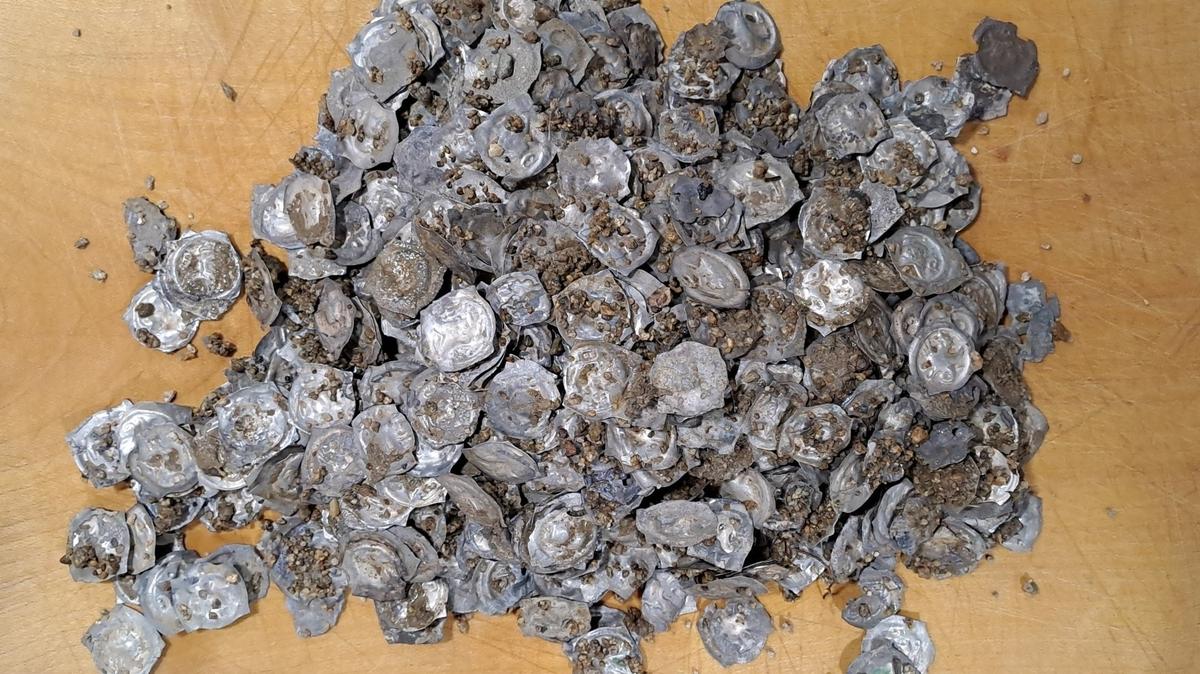
During construction work in southern Germany, a resident noticed something unusual poking out of the muddy ground. The “metal plates” turned out to be hundreds of medieval treasures.
Claus Völker accompanied construction workers as they installed new pipelines in Glottertal in May, the State Office for Monument Preservation in the Stuttgart Regional Council said in an Aug. 12 news release.
As the workers dug, Völker spotted several metal disc-like objects in the soil. Intrigued, he searched the area and found dozens more treasures.
Völker called in archaeologists and metal detectorists. The muddy ground was difficult to excavate, but the team’s persistence paid off.
In total, the excavation found about 1,600 medieval coins, officials said.
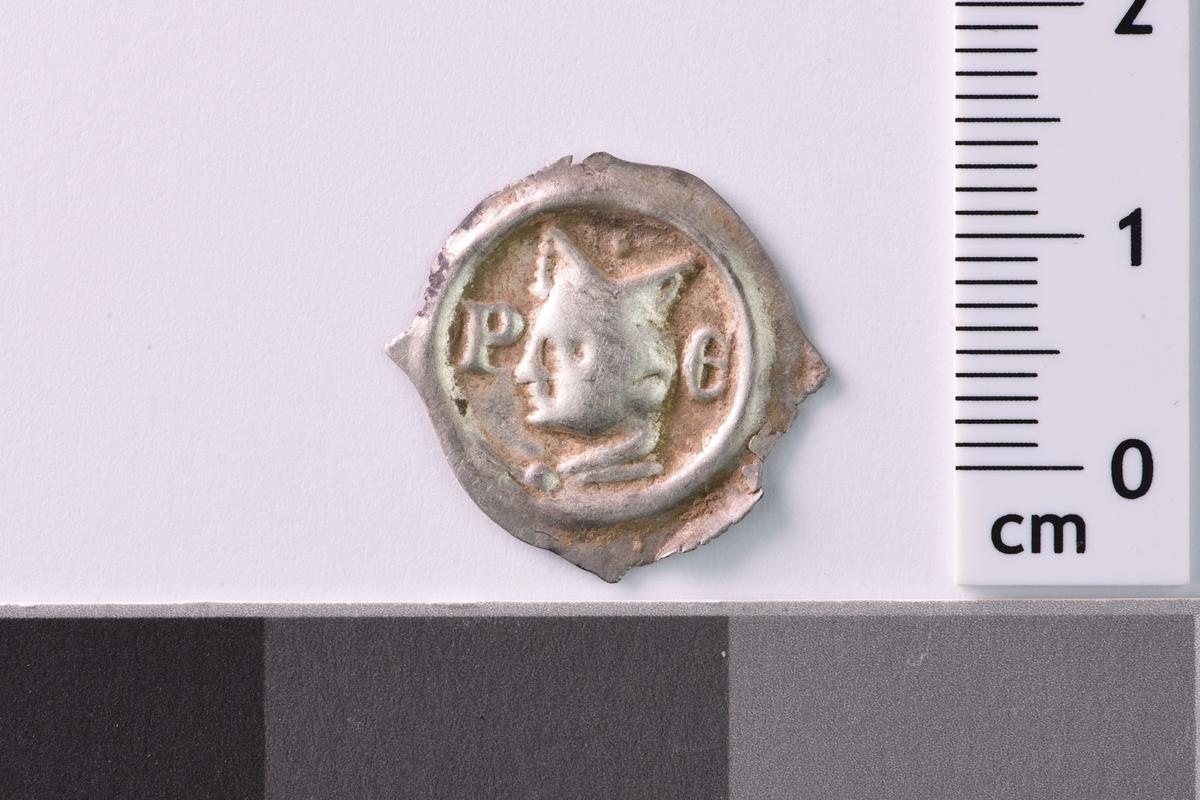
A photo shows the pile of silvery artifacts. The coins are roughly circular but have sharp, irregular edges. The center designs include human faces and winged animals.
Archaeologist Andreas Haasis-Berner identified the coins as being about 650 years old. Most of the coins were minted around 1320 in Germany and Switzerland.
During medieval times, the coins could have purchased about 150 sheep, Haasis-Berner said.
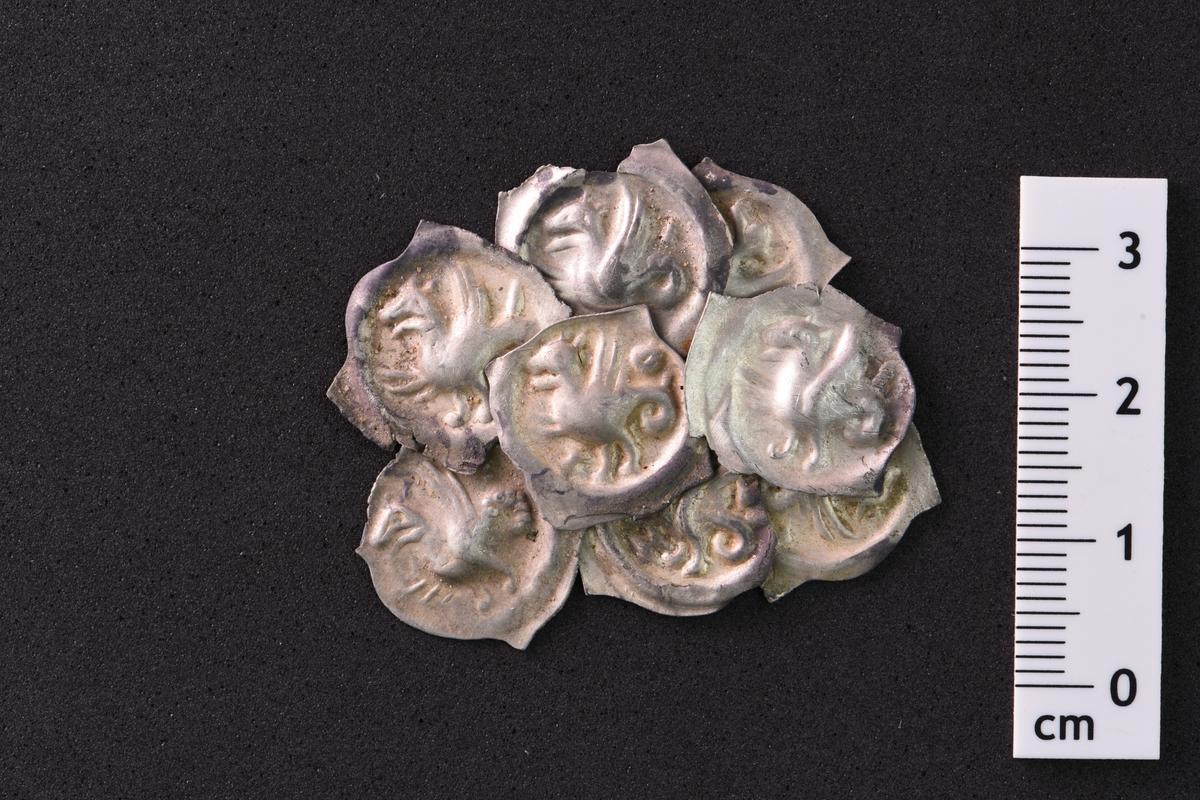
Officials described the artifacts as one of the largest coin treasures found in recent decades. Experts are still analyzing the coins but hope to learn about medieval currency circulation, silver trade and minting activity.
Glottertal is a small town in southwestern Germany, a roughly 500-mile drive southwest from Berlin and near the border with France and Switzerland.
Google Translate was used to translate the news release from the State Office for Monument Preservation in the Stuttgart Regional Council.
This story was originally published August 13, 2024 at 11:38 AM with the headline "Resident spots ‘metal plates’ — and finds hundreds of medieval treasures in Germany."