Deathbed confession leads to decades-old bunker hidden in Lithuania. Take a look
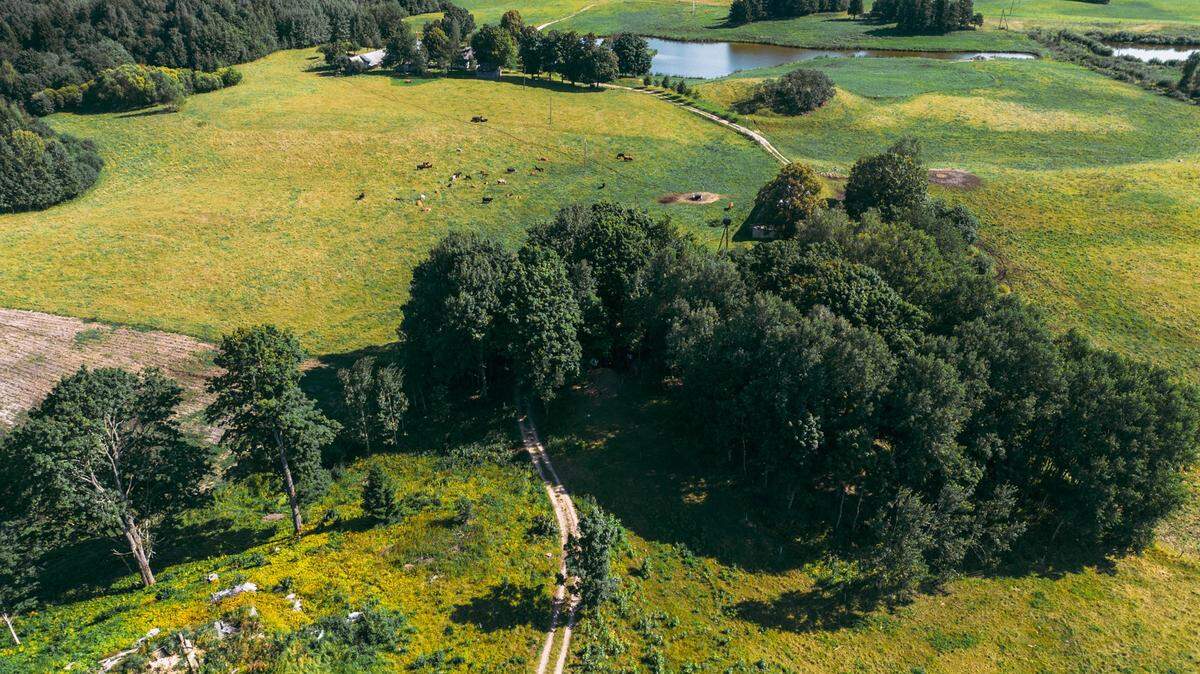
Near a small village in Lithuania an underground bunker sat abandoned, intentionally so. Its occupants had fled years before and asked the local landowner to keep the structure a secret. He did — sort of.
A deathbed confession and decades later, archaeologists found the historic bunker.
Archaeologists received word of the possible bunker from the family of the previous landowner, the Municipality of Telšiai District said in an Aug. 8 news release. Intrigued, they started asking residents of the nearby village of Kuršai if they knew anything.
Two key stories emerged. First, residents remembered Lithuanian partisans, a resistance group opposed to the USSR, operating in the region during the post-World War II Soviet occupation. The fighting lasted primarily from 1944 to 1953, according to a memorial group.
Second, residents repeated an old warning that children were forbidden to sit on a certain bench at a nearby sauna. The sauna, built in 1912, matched the location of the possible bunker, officials said.
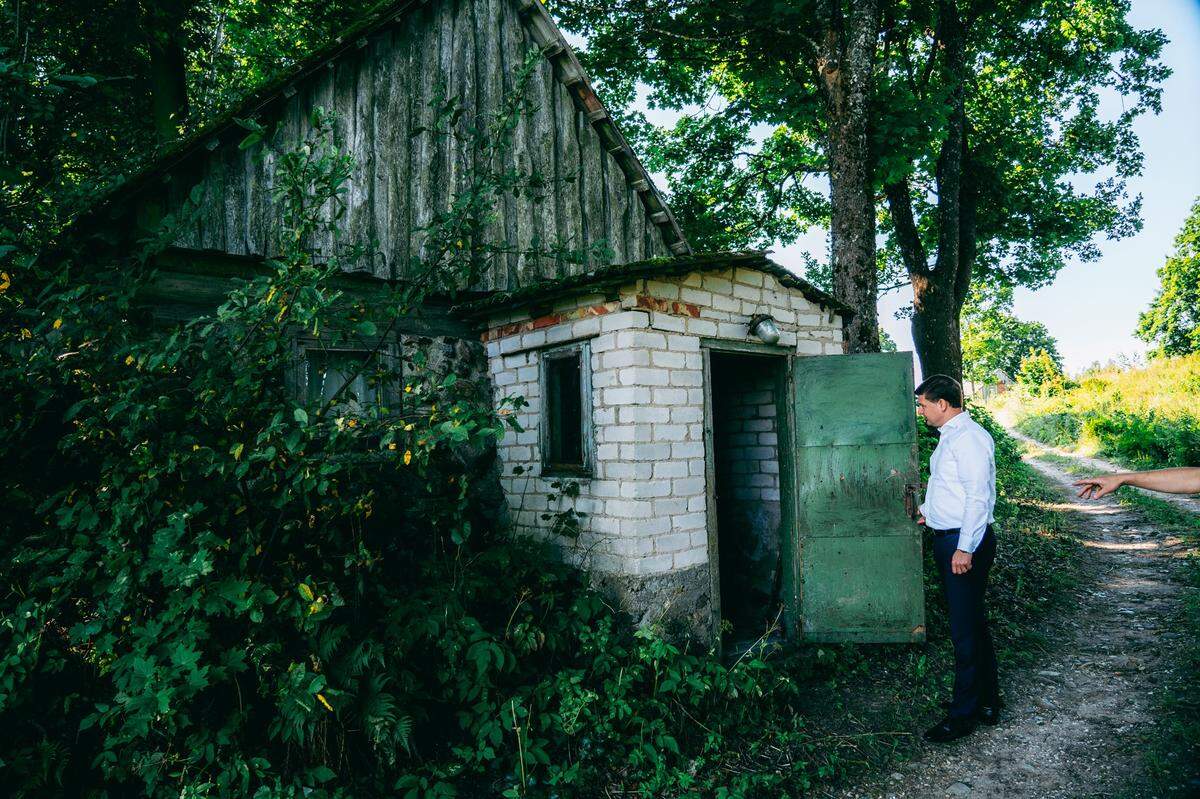
Archaeologists started digging and soon unearthed the ruins of a structure.
Based on the shape of the ruins and artifacts found inside, archaeologists identified the structure as an underground bunker used by Lithuanian partisan forces. Photos shared by the district on Facebook show the decades-old ruins.
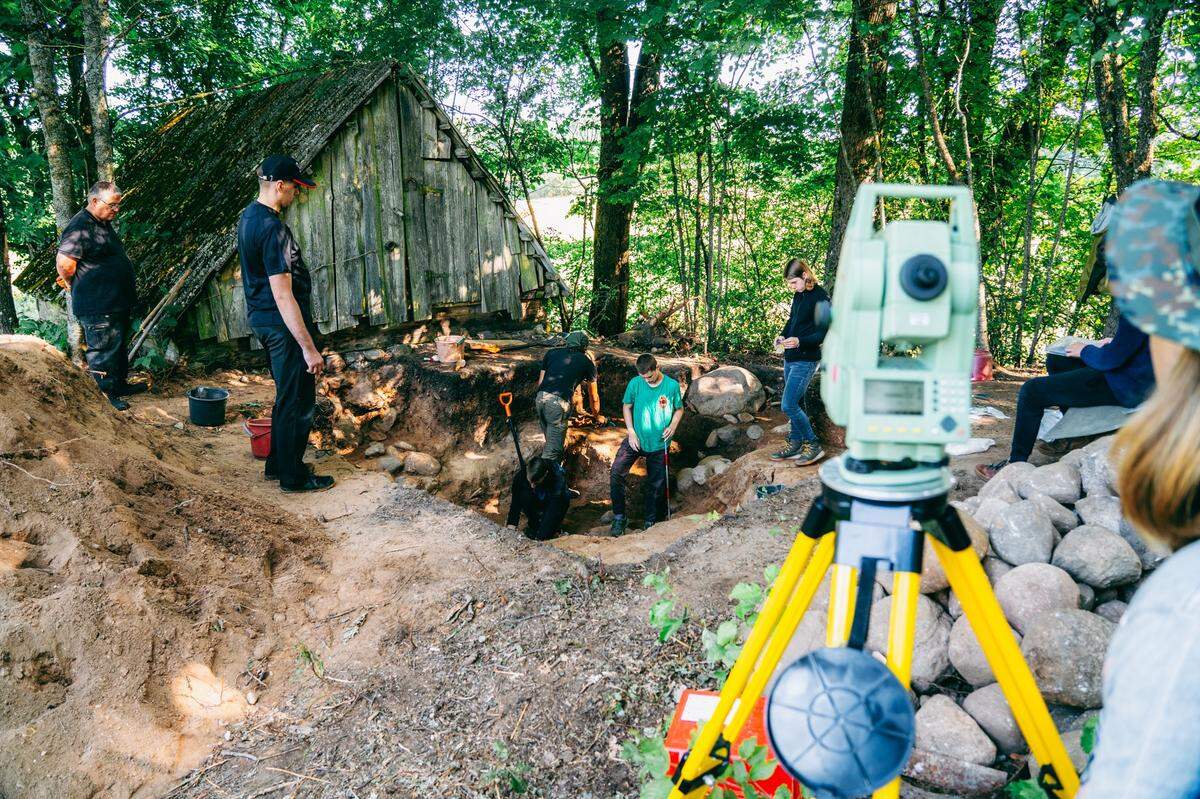
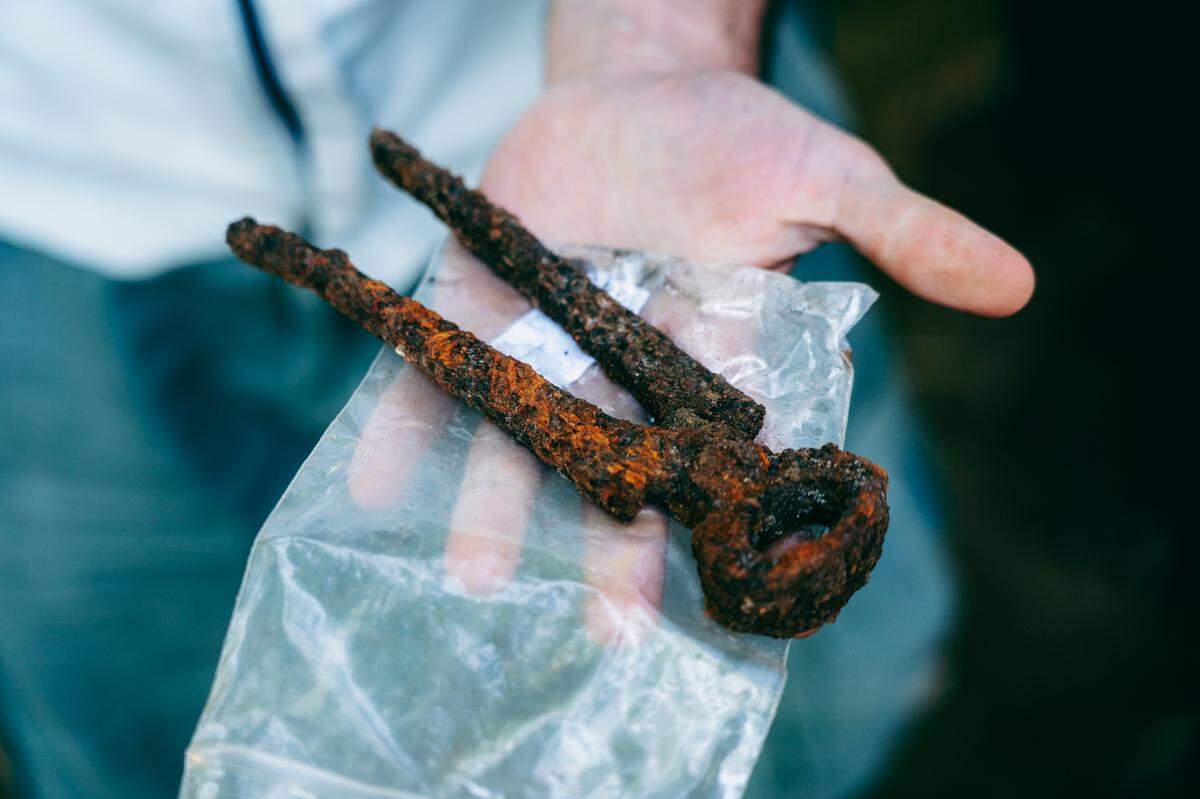
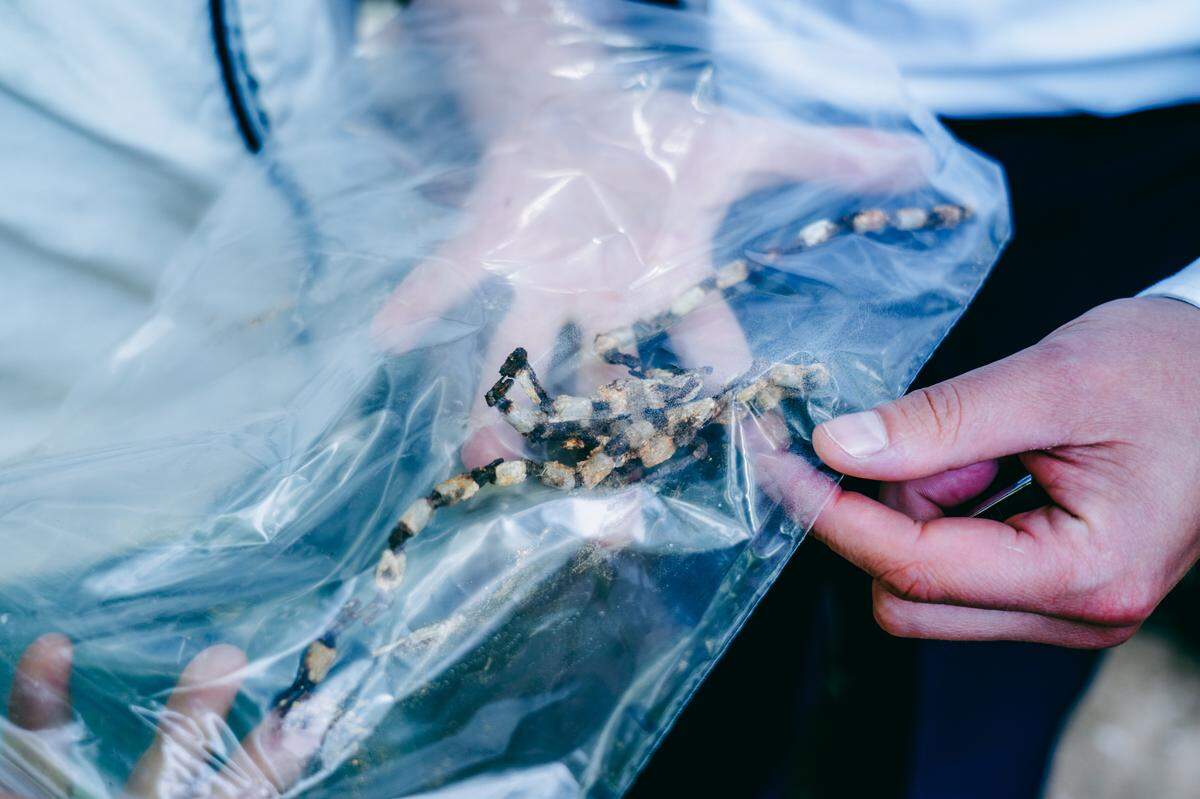
Hundreds of artifacts were uncovered from the bunker, including needles, writing utensils, tools for cleaning weapons, belts with buckles and medicine bottles. Photos show a few of these items.
So far, archaeologists have found nine partisan bunkers in Lithuania. The bunker near Kuršai was typical in size, about 7 feet by 10 feet, but remarkably well-preserved, officials said.
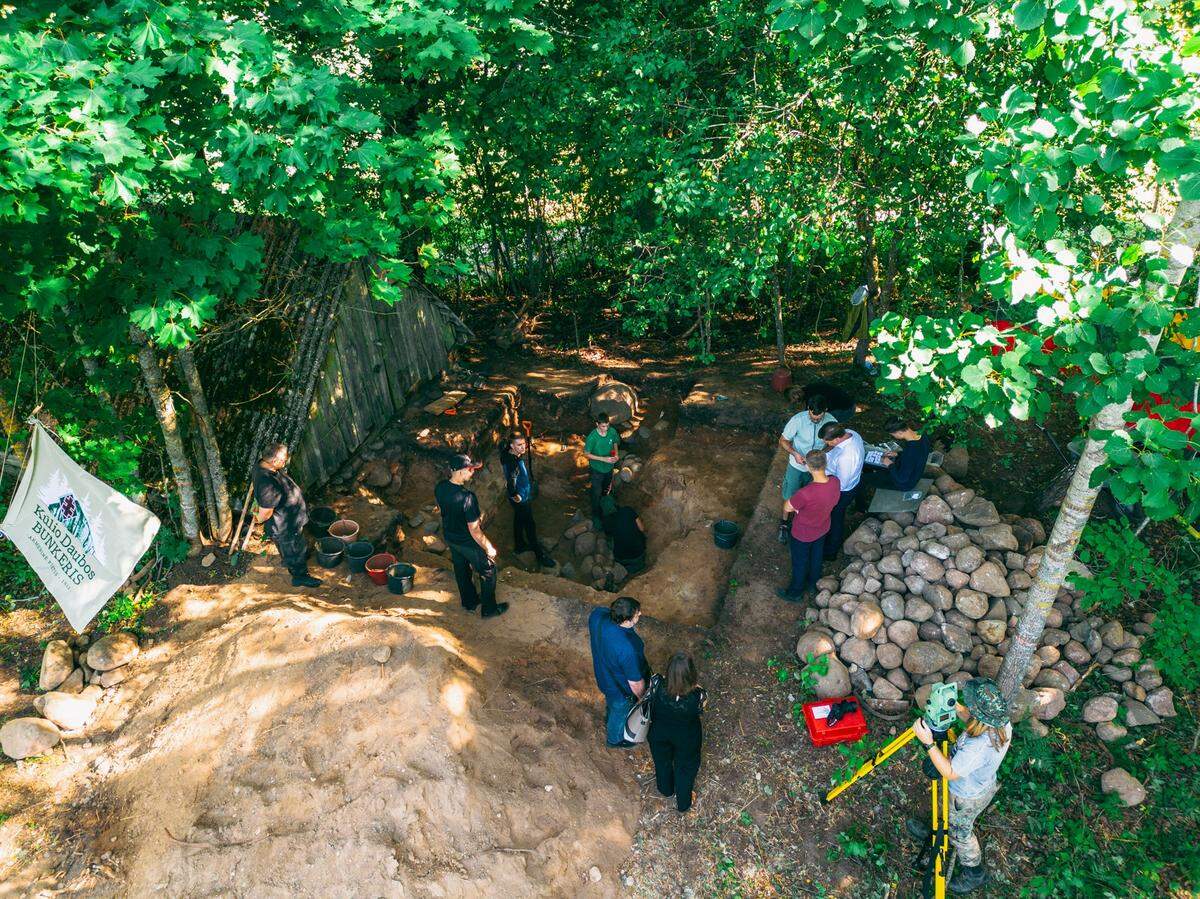
“This is a truly unique find in our district: an untouched partisan bunker with a very interesting history,” Tomas Katkus, the mayor of Telšiai, said in the release, according to a translation from the Lithuanian news outlet LRT.
Which led archaeologists to another question: Why hadn’t this bunker been blown up or destroyed like so many others?
From the stories archaeologists pieced together, Lithuanian partisan forces constructed the bunker with a hidden entrance via the nearby sauna, but eventually Soviet forces learned of the location. A group of Soviet forces planned an ambush nearby but mistook a rifle-carrying man on a bike as a partisan leader.
Officials said the Soviet forces killed the bicyclist and left, only later realizing the mistake. During this time, partisan forces in the bunker took what they could carry and left. The fleeing group asked the landowner to keep the structure a secret.
The landowner did so until right before his death when he told his wife, officials said. After Lithuania regained independence in 1990, the wife passed the story on to their descendants.
Archaeologists hope to restore the bunker and potentially turn it into a museum.
Kuršai is a small village in the Telšiai District of Lithuania, an eastern European country bordering Belarus, Latvia, Poland and Russia.
Google Translate was used to translate the news release from the Municipality of Telšiai District.
This story was originally published August 12, 2024 at 12:09 PM with the headline "Deathbed confession leads to decades-old bunker hidden in Lithuania. Take a look."