Ancient ‘burial’ mound on Greek island turns out to be much more unique. Take a look
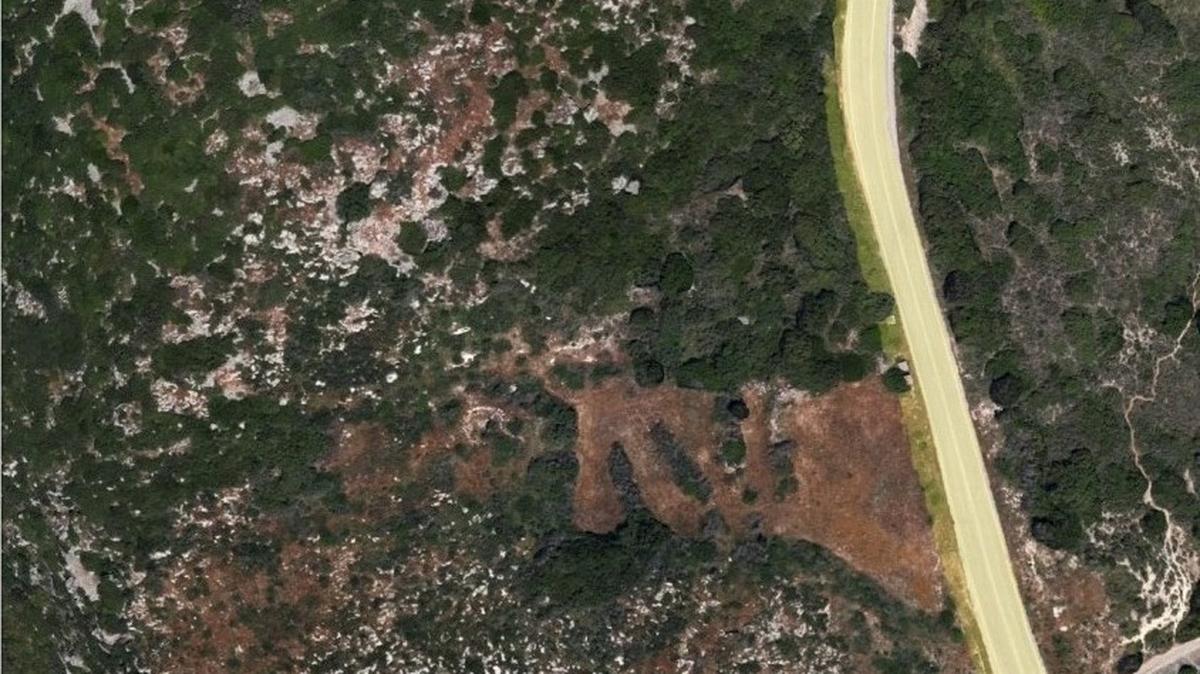
Aerial photographs of a Greek island offered the first clue. The photos showed a circular structure poking through the vegetation atop an inaccessible hill.
The site looked almost like an ancient burial mound — but turned out to be something much more unusual.
Archaeologists excavated the mysterious site on Cephalonia and found a pair of large ancient wells surrounded by rings of carefully arranged rock, Greece’s Ministry of Culture and Sports said in an Aug. 2 news release. The design gave the appearance of being a large mound-like landmark.
The wells dated back at least 3,100 years, archaeologists said. The structures were roughly 16 feet deep but had been filled in at some point.
A photo shows one of the ancient wells midway through excavations.
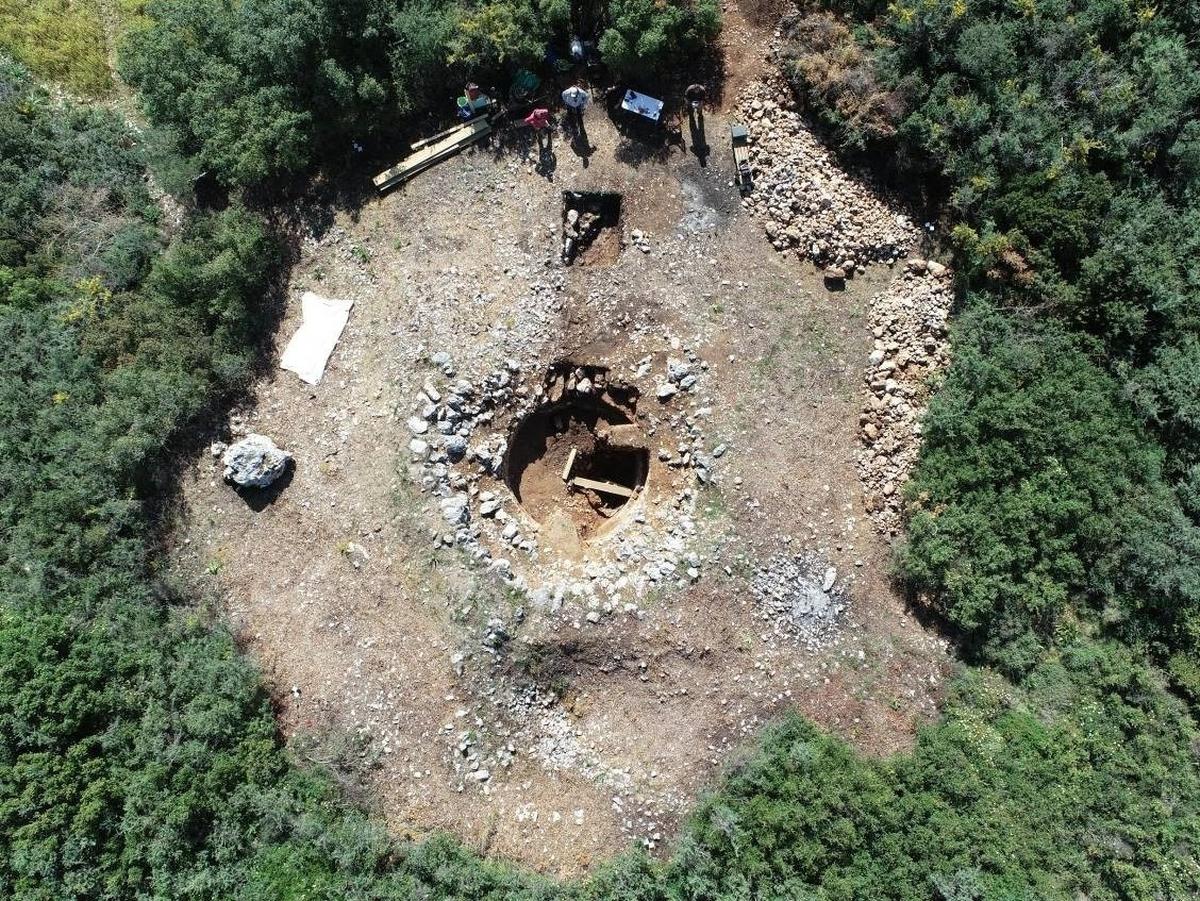
Inside, the wells showed signs of stone mining and had carved slots where wood pieces could be placed to form a staircase, archaeologists said. Similarly, the top of the well was designed to allow the construction of a wooden platform. These structures would have enabled ancient people to dig the wells and remove the material.
But the ruins weren’t just a mining site. They also had a ritual purpose, archaeologists said.
Excavations also uncovered several carefully arranged layers of clay, stone and pottery. Archaeologists described the pottery pieces as being intentionally broken then scattered in different layers.
This surprised the excavation team.
At other ancient sites, pottery artifacts were usually left whole and not intended to be broken, officials said. But the ancient people who used the wells decided to shatter their pottery. Archaeologists don’t know why.
The entire multi-layered arrangement was constructed during a short period and had the characteristics of a ritual, officials said. The pottery fragments all dated to the late Bronze Age.
The wells also showed traces of ritual activity, officials said. After the structures had been filled in, the openings were sealed with a thick layer of calcium carbonate, a powdery salt compound. Two halves of a jar were then placed on top.
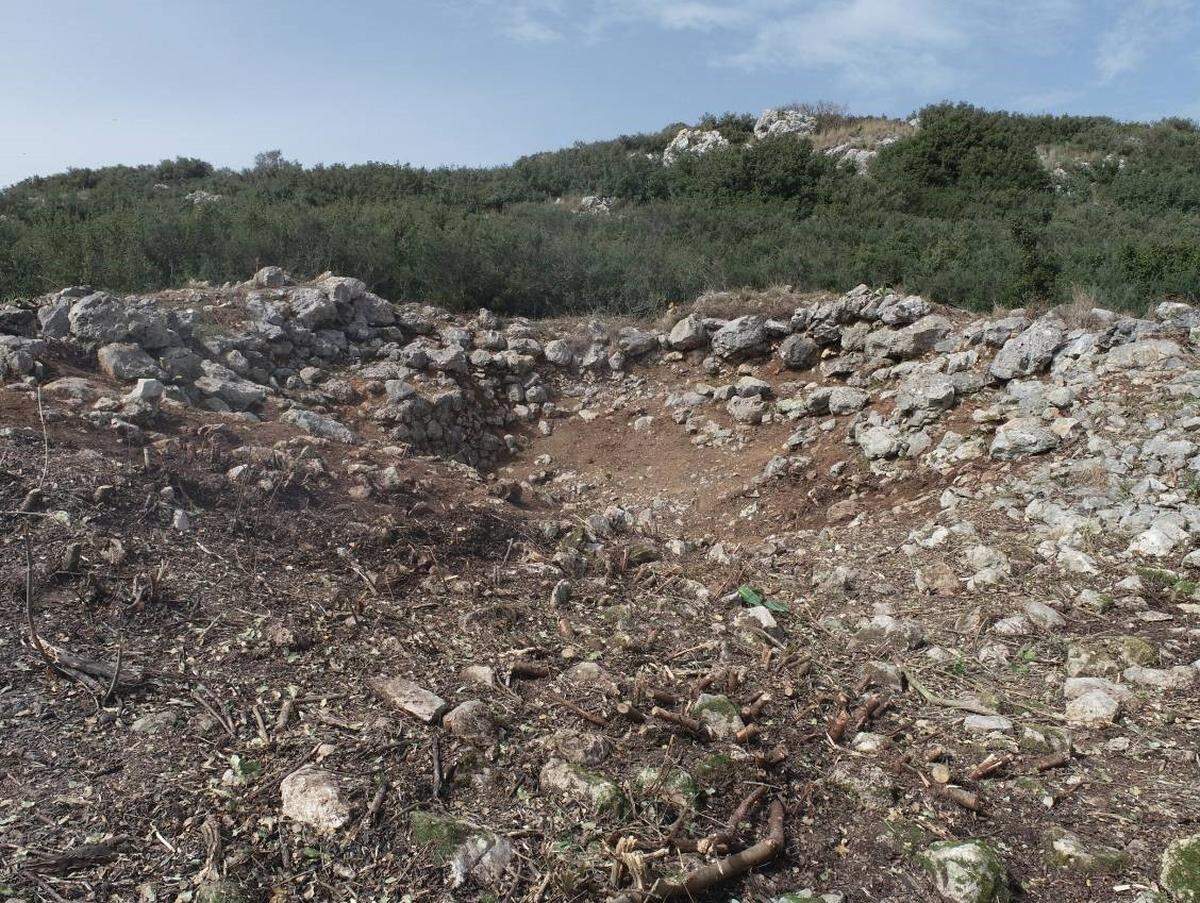
The Ephorate of Antiquities of Kefallinia and Ithaca shared photos of the ancient site in an Aug. 2 Facebook post.
Officials named the site “Κοτρώνι,” translated as “Kotroni,” likely after the Kotronio hill where it sits.
Today, a mining company extracts calcium carbonate near the base of this hill. Archaeologists described this as the same activity as the ancient mines in the same place, just thousands of years apart.
Cephalonia, sometimes referred to as Kefallinia or Kefalonia, is an island in western Greece and roughly 175 miles west of Athens.
Google Translate was used to translate the news release from Greece’s Ministry of Culture and Sports. Facebook Translate was used to translate the Facebook post from the Ephorate of Antiquities of Kefallinia and Ithaca.
This story was originally published August 5, 2024 at 2:40 PM with the headline "Ancient ‘burial’ mound on Greek island turns out to be much more unique. Take a look."