‘Very delicate’ and ‘rare’ plants found on 3,000-year-old jewelry in Scotland. See them
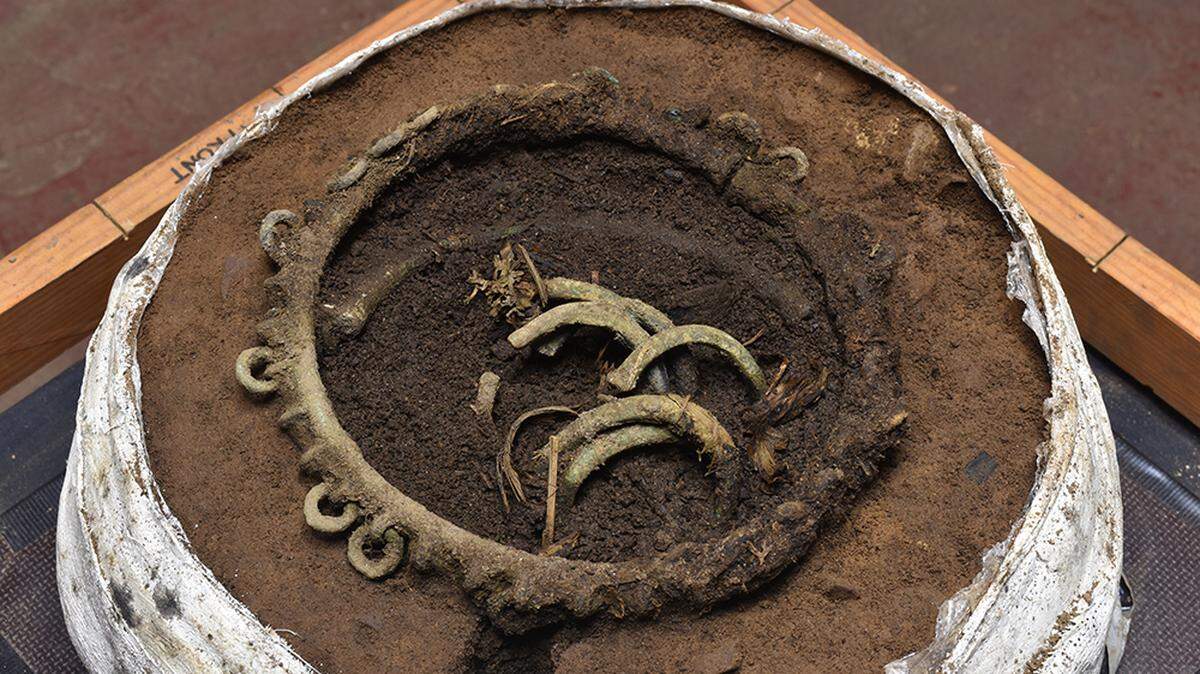
An ancient person gathered up several pieces of jewelry, wrapped them with plant cords and buried the bundle in modern-day Scotland. They never returned.
Three thousand years later, archaeologists unearthed the treasure trove — with the “very delicate” plants still intact.
The abandoned artifacts resurfaced during excavations in Rosemarkie ahead of a residential construction project, GUARD Archaeology said in a July 30 news release. Workers moved the bundle and surrounding dirt to a laboratory for further analysis.
Carefully, archaeologists excavated the 3,000-year-old artifacts.
The Bronze Age treasure trove, often referred to as a hoard, contained nine pieces of jewelry, comprised of seven bracelets and two neck rings, archaeologists said. A photo shows the worn-looking collection.
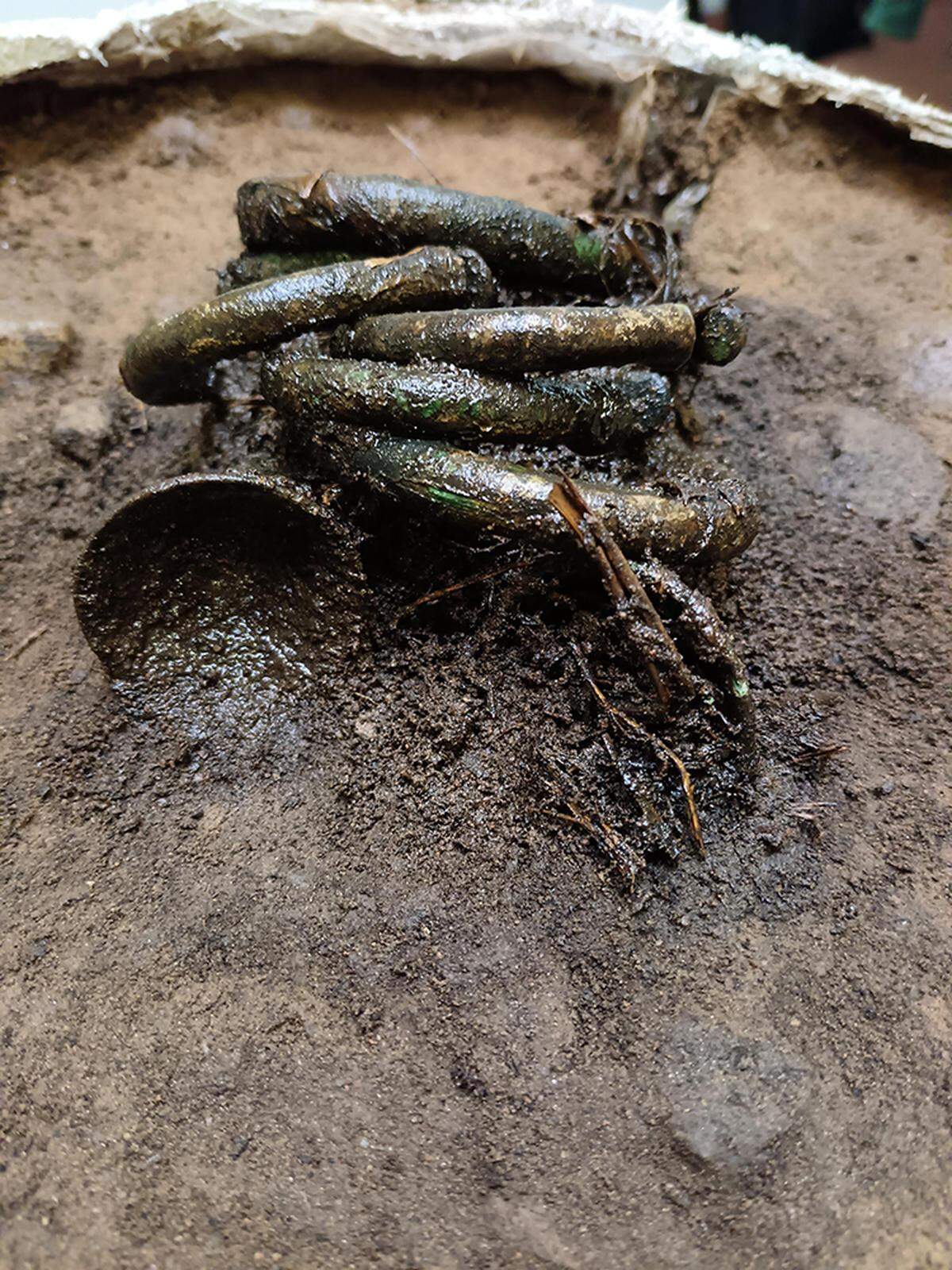
Intertwined with the jewelry, archaeologists found “very delicate” and “rare” plant remains. The plants were used as cords and “knotted around some of the bronze objects.”
A close-up photo shows the ancient organic remains. Archaeologists did not identify the plants, but some look almost like roots or dead grass.
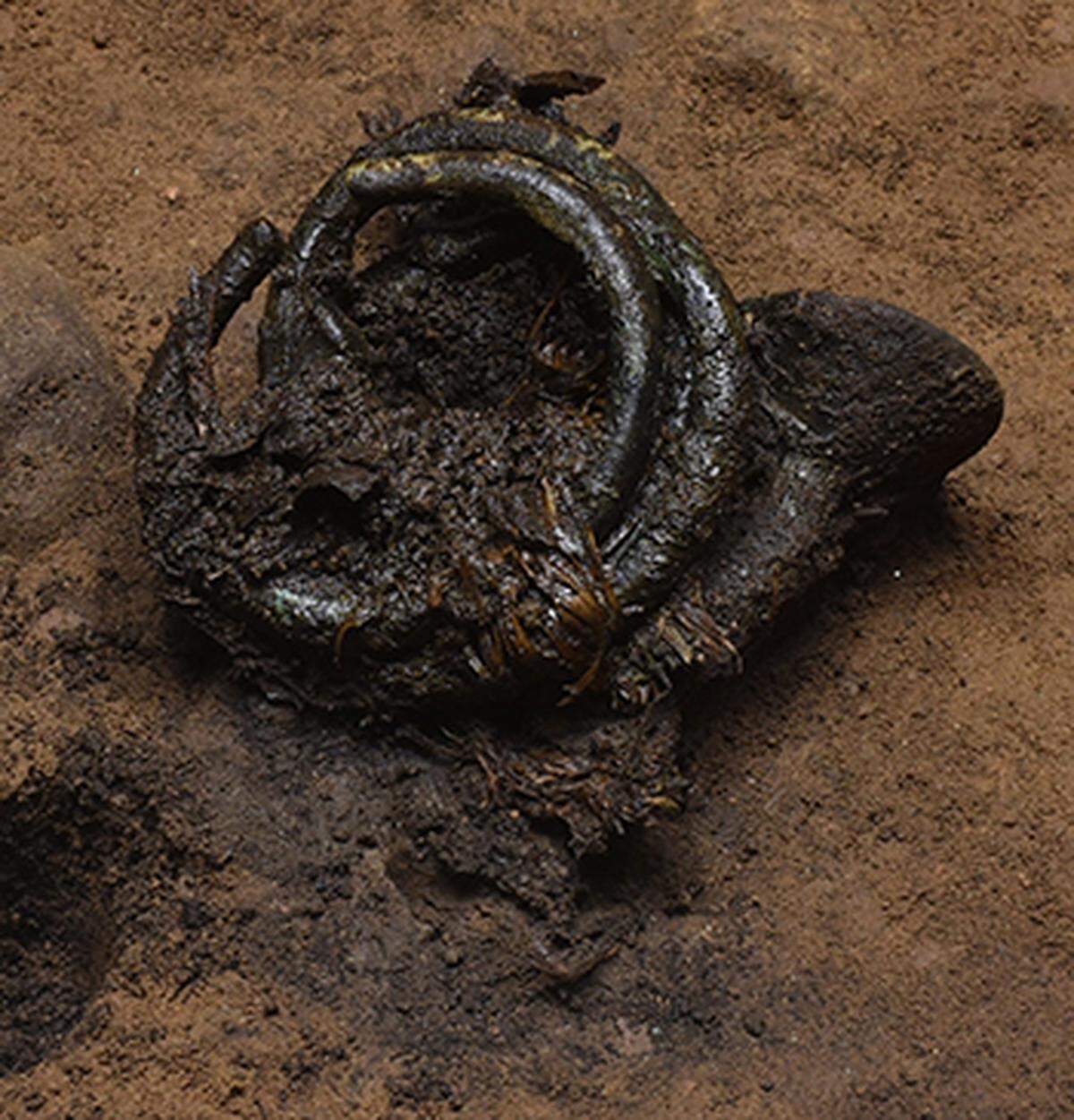
Experts previously assumed that ancient hoards were sometimes wrapped with organic cords, but the newfound plants prove this, Rachel Buckley, the leader of the laboratory work, said in the release.
The 3,000-year-old vegetation likely survived “in part due to the anti-microbial properties” of the copper in the nearby bronze artifacts, archaeologists said. “The corrosion products from the copper adhere to the organics and preserve them.”
The artifacts from Rosemarkie are “especially significant” because they were found in “the middle of a prehistoric settlement, a Bronze Age village comprising at least six roundhouses” and a grave, archaeologists said.
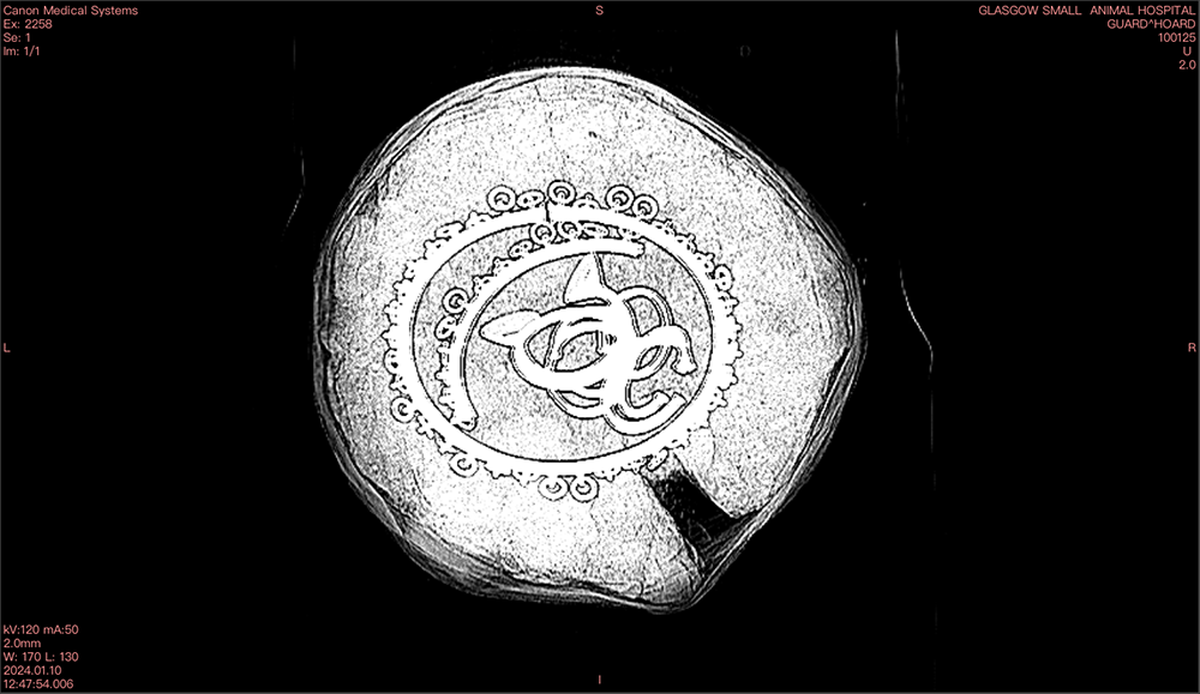
Iraia Arabaolaza, the project manager, said the way the jewelry was buried “indicates that this was no accidental loss.”
Maybe the jewelry was buried “as temporary storage with the intention of recovering the hoard at some stage,” Arabaolaza said. “The evidence from the surrounding settlement may reveal whether it was not just the hoard that was abandoned but the settlement as well.”
Archaeologists plan to continue studying the artifacts and plant remains.
Rosemarkie is a village in the Highlands of northern Scotland, a roughly 170-mile drive northwest of Edinburgh and 600-mile drive northwest of London.
This story was originally published August 2, 2024 at 3:51 PM with the headline "‘Very delicate’ and ‘rare’ plants found on 3,000-year-old jewelry in Scotland. See them."