Mysterious face carving discovered on stone at Kazakhstan reservoir. Take a look
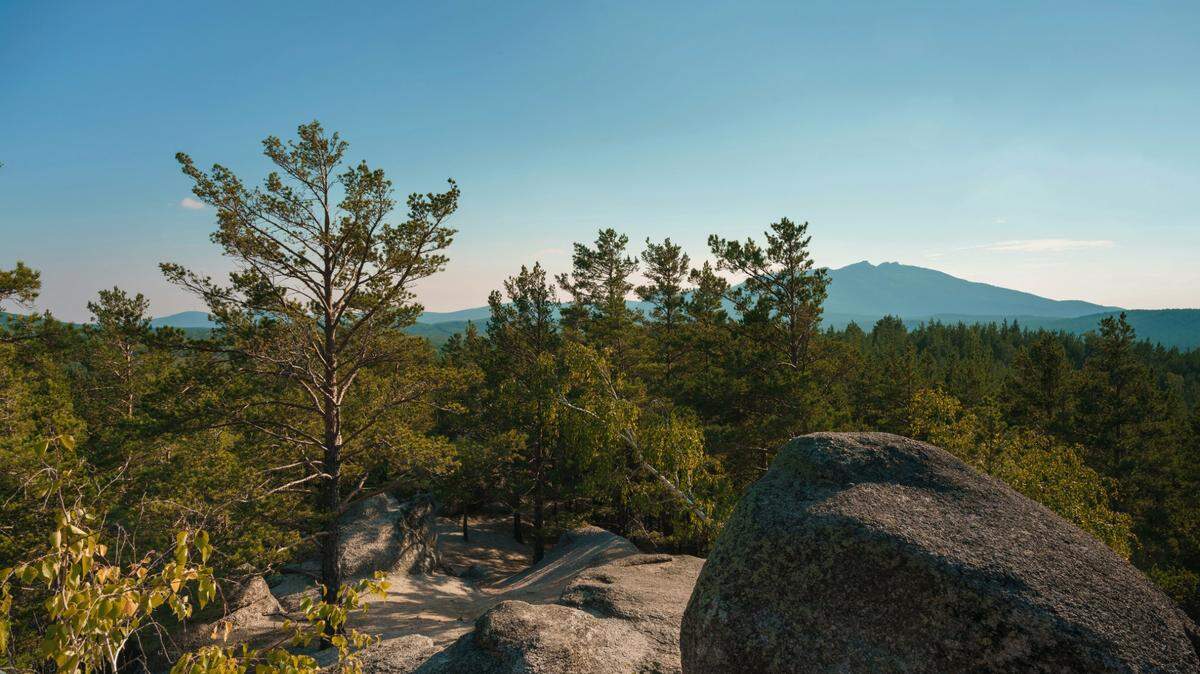
A team of archaeologists are working to unravel the mystery of a carved face after the human image was found on a rock in Kazakhstan.
The director of a local history museum in northern Kazakhstan reported an odd boulder that had been found along a reservoir nearby, according to a July 17 Facebook post from the A.H. Margulan Institute of Archaeology.
Made of granite, the stone lay near other large pieces, according to archaeologists.
A face was carved into the surface, with large eyes, a long straight nose and wide lips, archaeologists said.
The forehead was cut off, and the entire image was only about 10 inches long and 8 inches wide, according to the institute, but the face was well preserved.
Nearby, archaeologists found another carving, this time of a deer with large horns on one side, according to the institute.
Despite the face being in good condition, a question remains as to who carved it and why.
Archaeologists believe the face was part of a larger monument that was built in the northern Kazakh Uplands.
The monument was likely megalithic, meaning it was an intentional prehistoric collection of stones, archaeologists said. It is evidence of its creators’ developed art forms and culture.
The exact age is still unknown, according to the post, but the monument was likely used for ritualistic purposes.
Archaeologists will study the stone to determine when it was carved, who carved it and what the monument was used for in ancient times, according to the post.
The ancient people of modern-day Kazakhstan, dating back to 2000 B.C., were nomadic and regular producers of animal art, according to Britannica.
Kazakhstan is in central Asia, south of Russia and north of Kyrgyzstan.
Facebook Translate was used to translate the post from the A.H. Margulan Institute of Archaeology.
This story was originally published July 22, 2024 at 5:04 PM with the headline "Mysterious face carving discovered on stone at Kazakhstan reservoir. Take a look."