Artifacts from centuries-old battle discovered during search of Poland field. See them
By the era of Napoleon, armies across Europe had heard stories about the Poles.
A certain amount of myth surrounded Polish soldiers, and the man who led them, who were able to stand up to much larger opponents and hold strong.
In 1792, the origin of the legend began.
More than two centuries ago, the War in Defense of the Constitution began in May with an attack from the Russian tsarist army against Poland, according to a July 19 news release from the Ministry of Science and Higher Education.
By July, Lieutenant General Tadeusz Kościuszko was ordered to take between 7,000 and 9,000 Polish soldiers and head to the Bug River, along the border with modern-day Ukraine, according to the release.
Kościuszko was known for his ability to build ramparts, or fortified walls, topped with cannons after spending seven years in the United States during its revolutionary war, officials said.
On July 18, the tsarist army reached the Bug River with thousands of soldiers of its own, and a grueling battle eventually led to the retreat of Polish troops in the night, according to the release.
While ultimately the battle was lost, thousands more Russians died than Poles, and the Battle of Dubienka, as it was named, provided an example of the strength and perseverance of Poland forces, officials said, and the news spread.
Now, evidence of the battle is being uncovered for the first time.
Archaeologists and dozens of volunteers armed with metal detectors congregated on the site of the battle in June in hopes of finding artifacts from the fight, officials said.
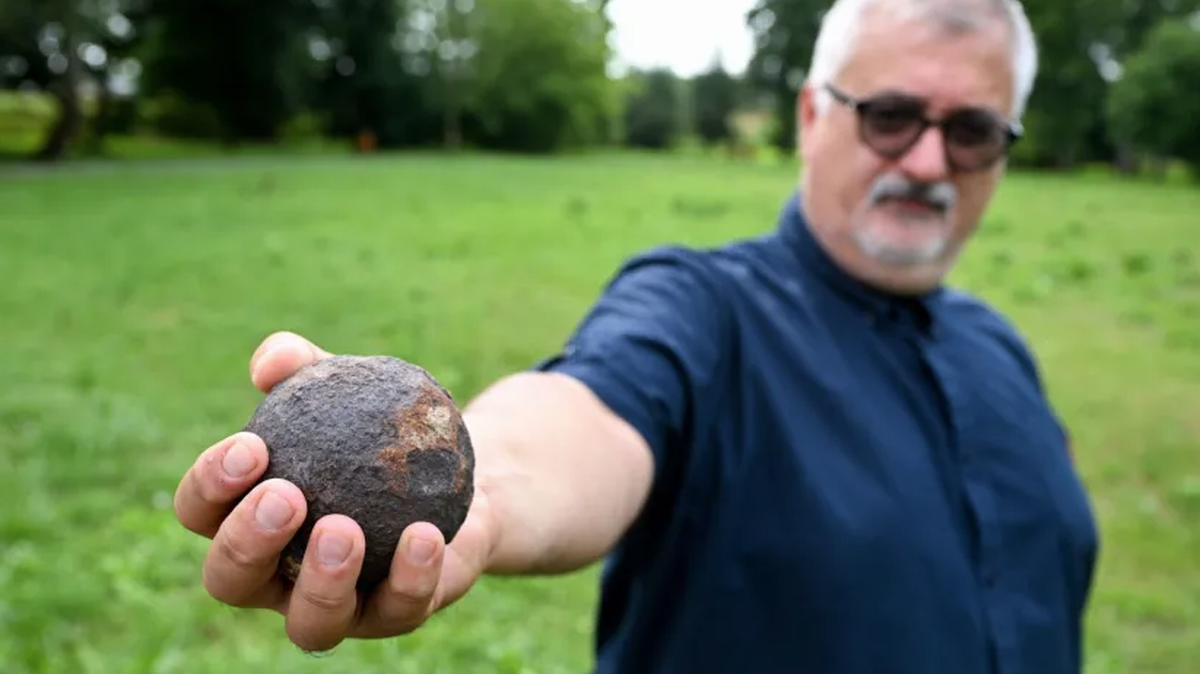
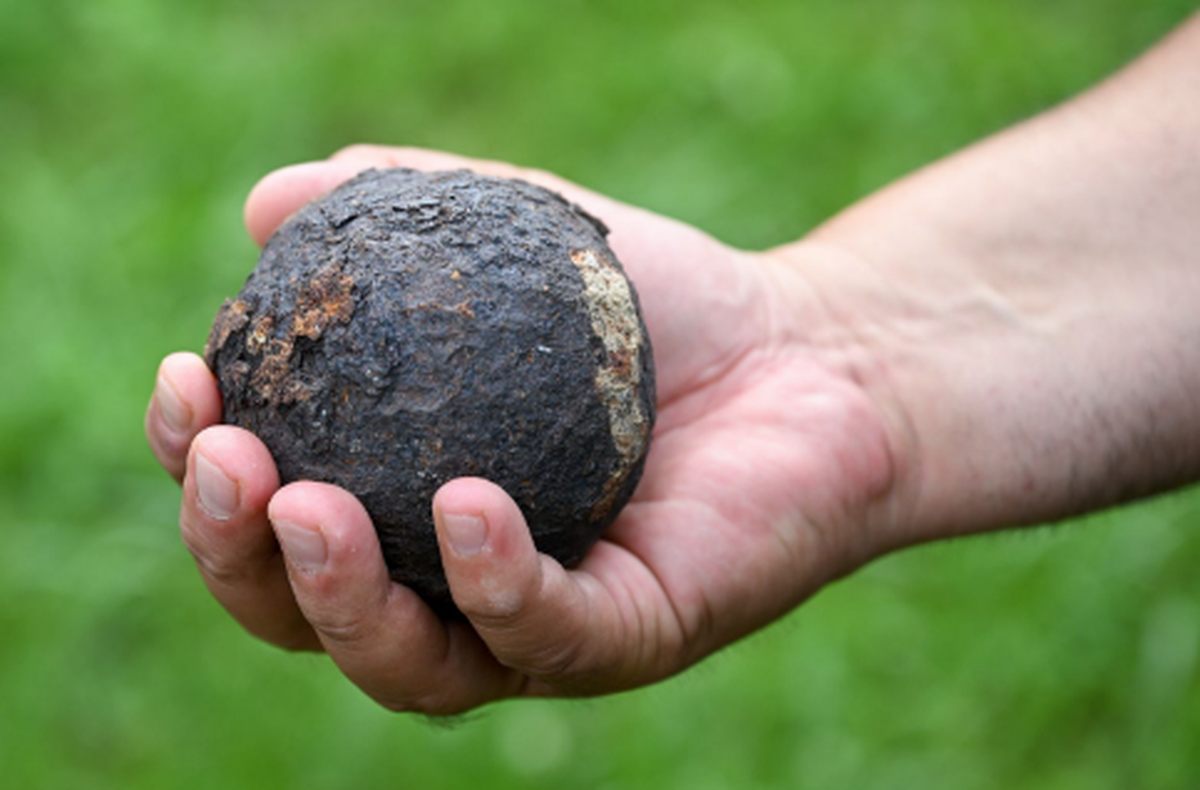
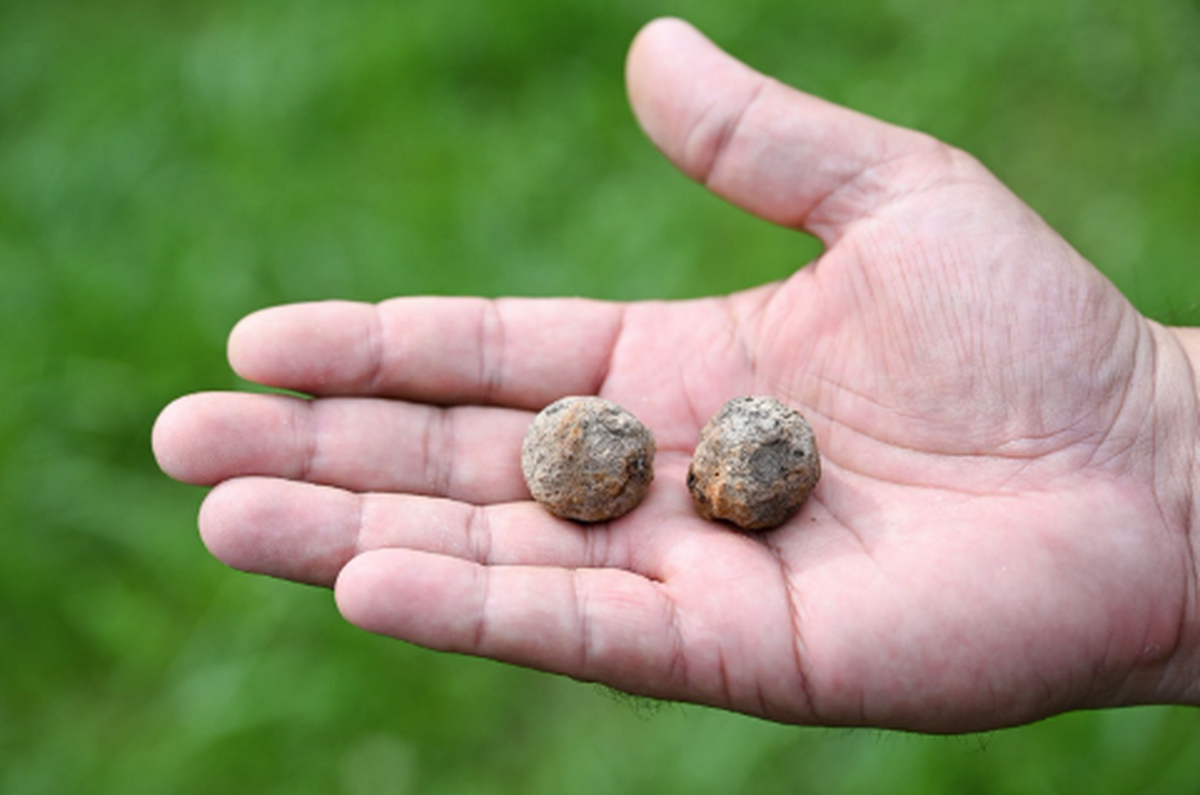
Scanning the grassy field, the pings of the metal detectors were constant as cannonballs, grapeshot, rifle bullets and pieces of cannon were discovered at the site, according to the release.
The searchers also discovered pieces left behind by the soldiers, including a coin from the mint of King Stanisław August, commonly referred to as the last king of independent Poland, and pieces of military equipment.
This included uniform buttons and belt buckles once worn by the soldiers, officials said.
Despite the abundance of war evidence, one mystery still remains.
Where are the dead soldiers buried?
Archaeologist Grzegorz Mączka said by collecting and mapping where specific ammunition was found, researchers can better understand where each part of the battle took place, and potentially where soldiers might be buried, according to the release.
The team is also hoping to find the specific rampart where Kościuszko led the command, officials said, but there are more than 250 acres of fields, meadows and forests that have to be searched.
The battlefield has been combed by illegal searches, officials said, so it is imperative to work quickly to preserve the artifacts still present.
Dubienka is on the southeastern border of Poland, across the river from western Ukraine.
Google Translate was used to translate the news release from the Ministry of Science and Higher Education.
This story was originally published July 22, 2024 at 11:45 AM with the headline "Artifacts from centuries-old battle discovered during search of Poland field. See them."