Man searching for newts in UK catches something in trap. It was a long-lost species
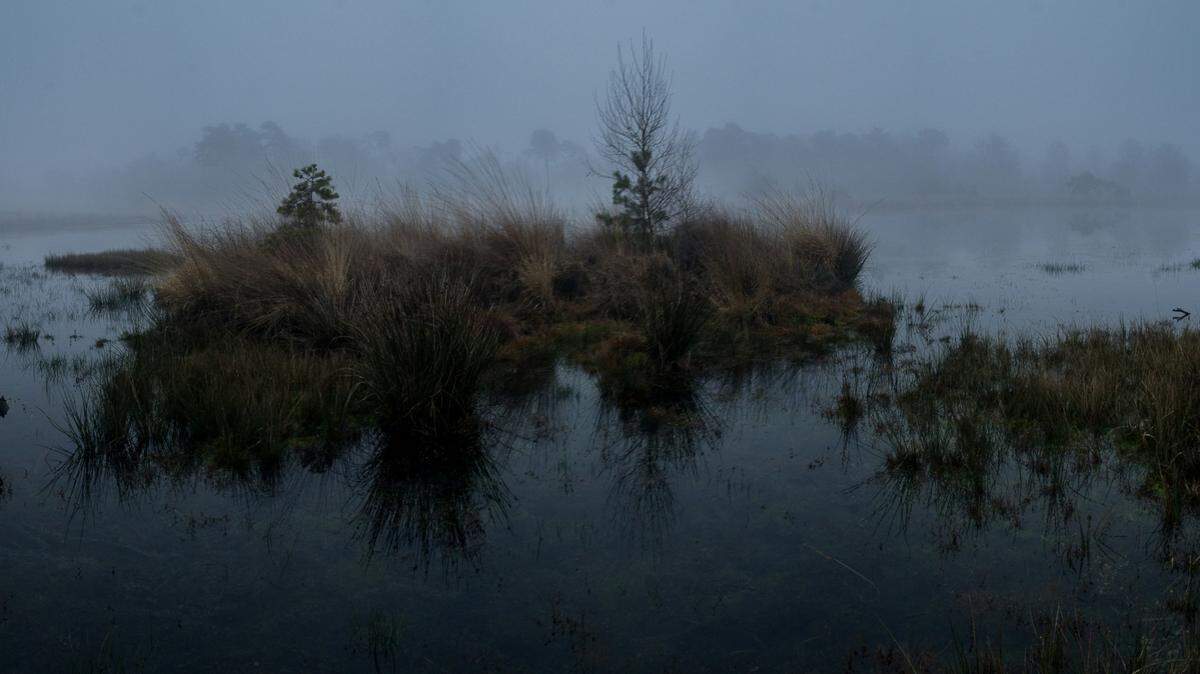
Henry Stanier was on the hunt for newts.
As the Great Fen Monitoring and Research Officer in Cambridgeshire, part of Stanier’s job is to capture and photograph great crested newts each spring, he wrote in a July 3 news release from the Wildlife Trust for Bedfordshire, Cambridgeshire and Northamptonshire.
The Great Fen is a habitat restoration project, according to the trust, and one of the largest in Europe.
“The survey method involves sinking the traps in a pond the day before and then collecting them the following morning to inspect the ‘catch of the day,’” Stanier said.
Paired with a volunteer for the project this past spring, Stanier was having a “productive” newt survey day when they picked up one of his traps, according to the release.
The volunteer saw that there were lots of water beetles floating on the surface and began to sort them by size, Stanier said.
The smaller beetles were king diving beetles, Stanier concluded, but that wasn’t all that was in the trap.
“I was staring down at a much bigger beetle nearly (an inch and a half) in size and unlike the others, which are black and yellow, this was jet black and looking very different … that’s when we got very excited,” Stanier told the BBC.
Stanier had a guess as to what it might be, but he needed to test it out.
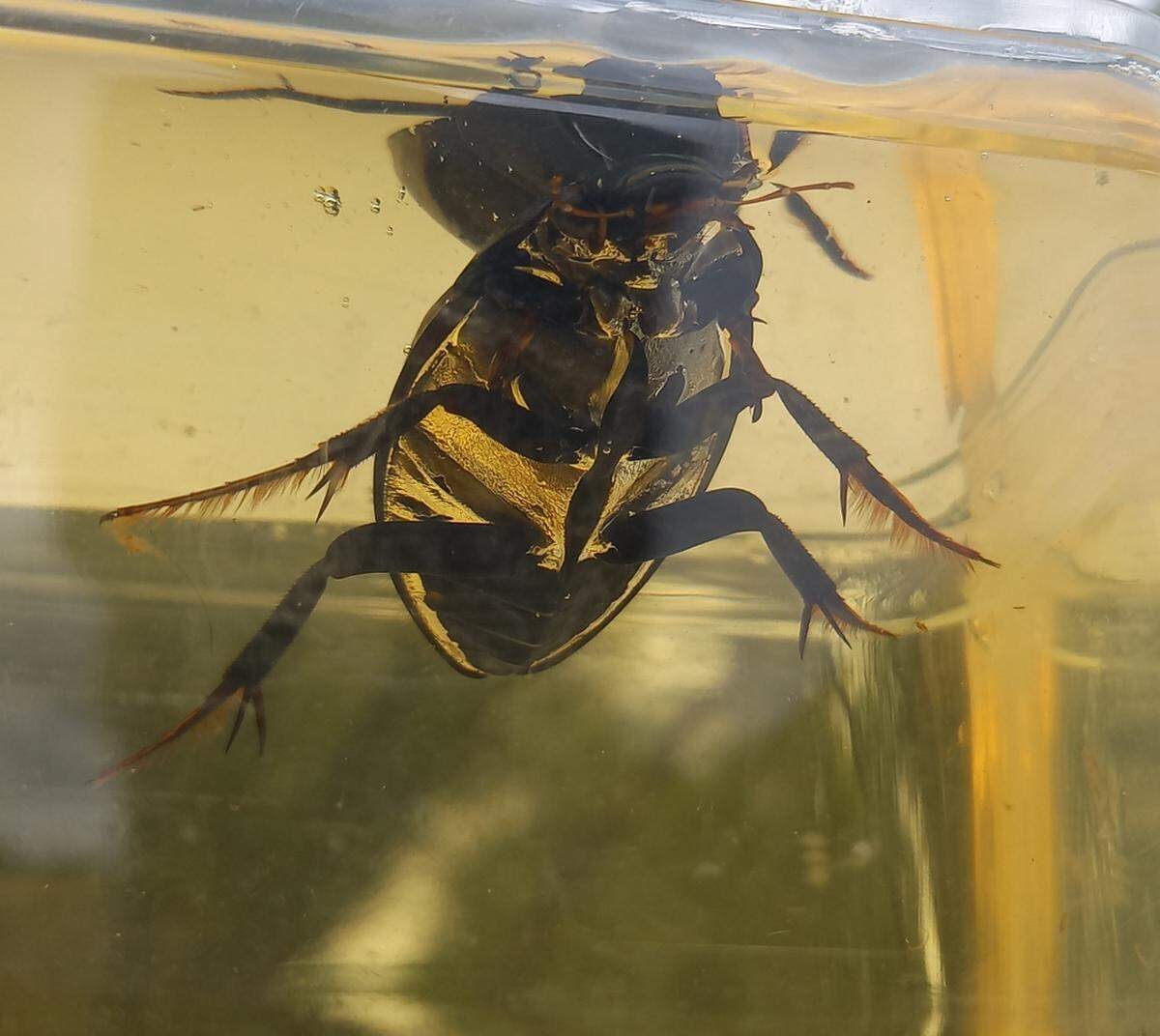
He flipped the beetle over in the water, hoping to see a shiny belly looking back.
“Lo and behold a film of air cloaked its belly, the silver sheen that gives the great silver water beetle its name,” Stanier said in the release. “Once key information had been recorded and photographs taken, our thrilling discovery was safely returned to the pond it came from.”
This wasn’t just any beetle. The great silver water beetle was reported in the Fens in the 1800s and into the early 1900s, Stanier said, but it was last recorded in the area in 1938 and hadn’t been identified since.
The species wasn’t extinct and has been found in other regions, including 53 caught in a trap in Norfolk in 2018, considered “more individuals than most freshwater biologists in Britain see in a lifetime,” Stanier said.
But recently, the beetles have been showing up around Cambridgeshire, Stanier said, and if they really have returned to the Fens, the species will be “spoilt for choice on where to colonize.”
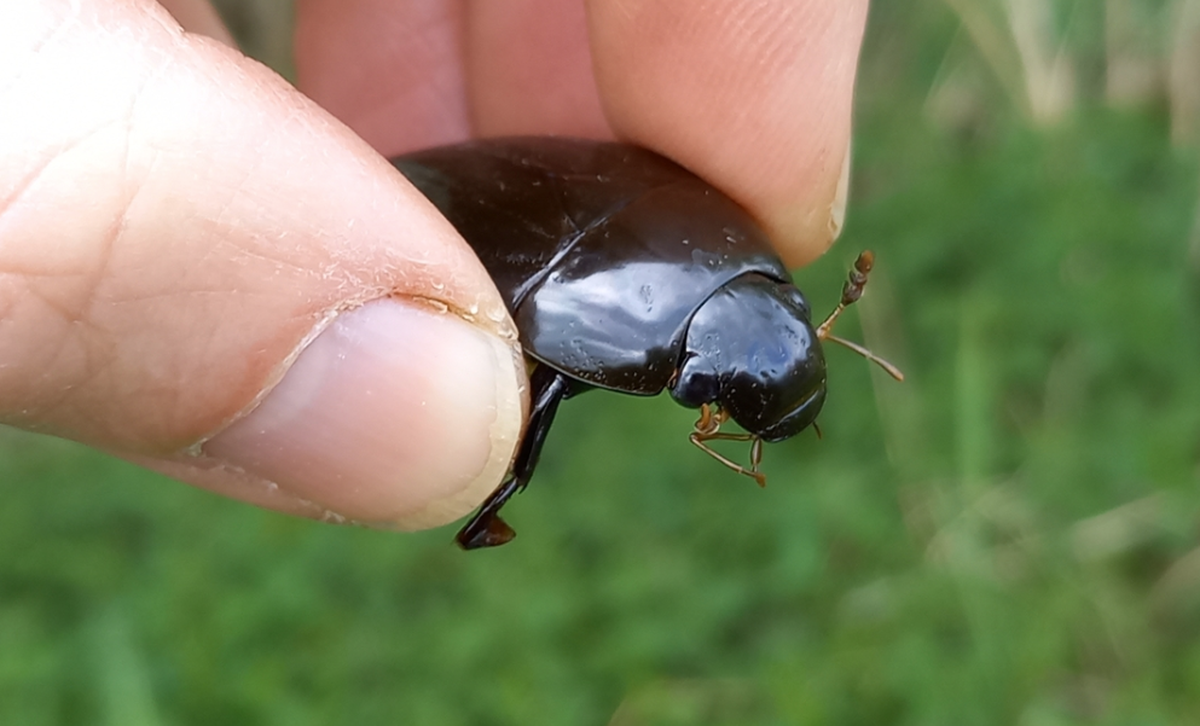
Stanier told the BBC it’s possible that climate change and warming temperatures in eastern England have allowed the beetles to fly farther inland, and the Fens may just be a stepping stone for the great silver water beetles to start colonizing other natural areas.
“So remember, it’s big, it’s all black with silver underwear, and it’s back; get the Dewsbury traps ready, turn on the moth traps, and watch what happens,” Stanier wrote. “Oh yes, apologies to the king diving beetle, the real king has returned!”
The Great Fen is in east central England, about a 30-mile drive northwest from Cambridge.
This story was originally published July 19, 2024 at 4:12 PM with the headline "Man searching for newts in UK catches something in trap. It was a long-lost species."