2,000-year-old kiln — reaching over 1,600 degrees — discovered in France. Take a look
In the south of France, evidence of an ancient industrial past sat hidden for centuries.
Now, a housing construction project is bringing the once-burning pit back into the light.
In the town of Donzère, archaeologists with the French National Institute for Preventive Archaeological Research discovered a large lime kiln during early construction for a new home, according to a July 16 news release.
The site is within 6 miles of a limestone outcrop, researchers said, where ancient people would have collected limestone to bring to the kiln.
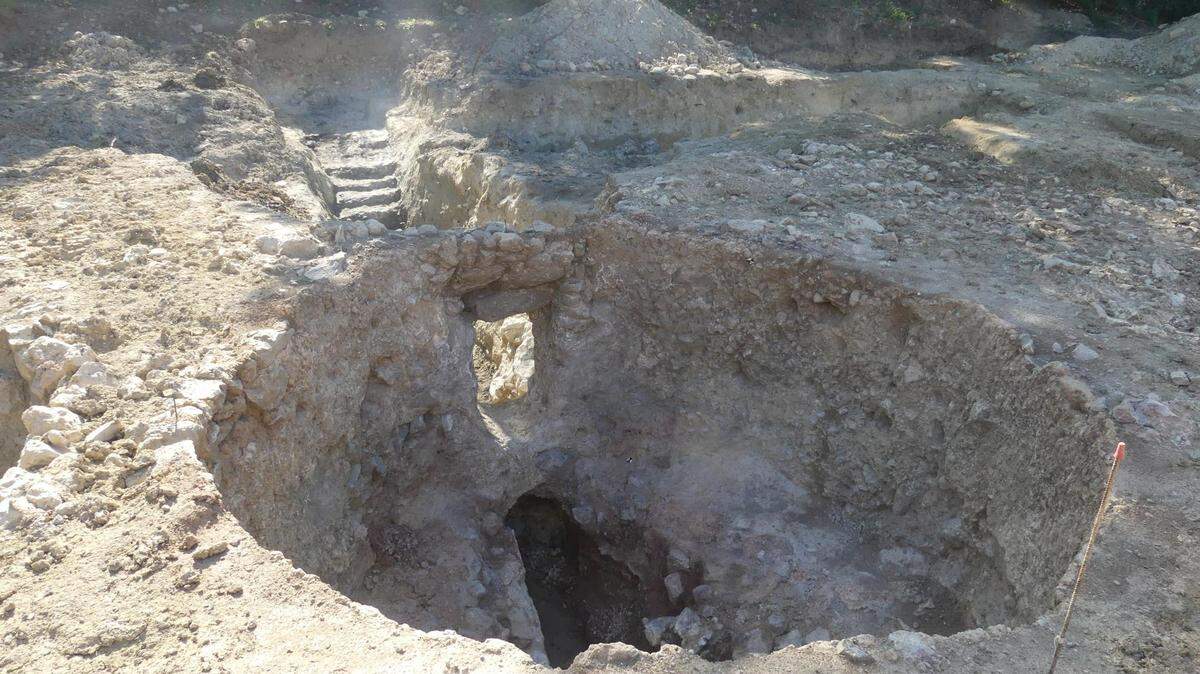
At the center of the site, a large, circular furnace is made up of a heating chamber, about 13 feet in diameter, researchers said.
The walls had a red hue and markings from tools that would have been used to dig the 9-feet-deep pit, according to the release.
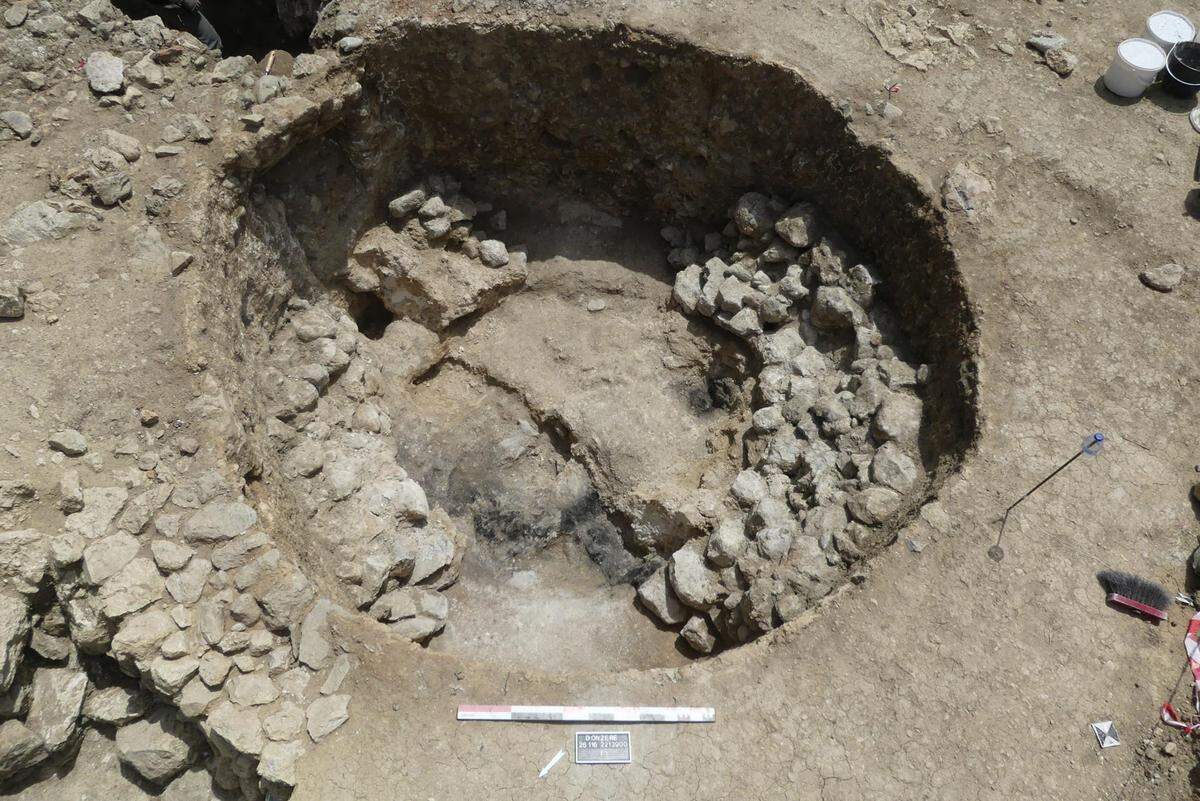
The kiln is exceptionally well preserved and a rare find, researchers said. Only 30 others from a similar time period have been discovered in the Mediterranean.
It was believed to be built and used during the Roman High Empire and Late Antiquity periods, from about 31 B.C. to as late as the 8th century A.D., according to the release.
Around the central hearth, limestones organized by size that were ready to be put into the kiln were still stacked up, researchers said, and residue from the last load was found along the periphery.
With the stones in the kiln and the fire raging, researchers said the temperature could reach as high as 1,832 degrees, and it would burn for several days to transform the limestone into lime.
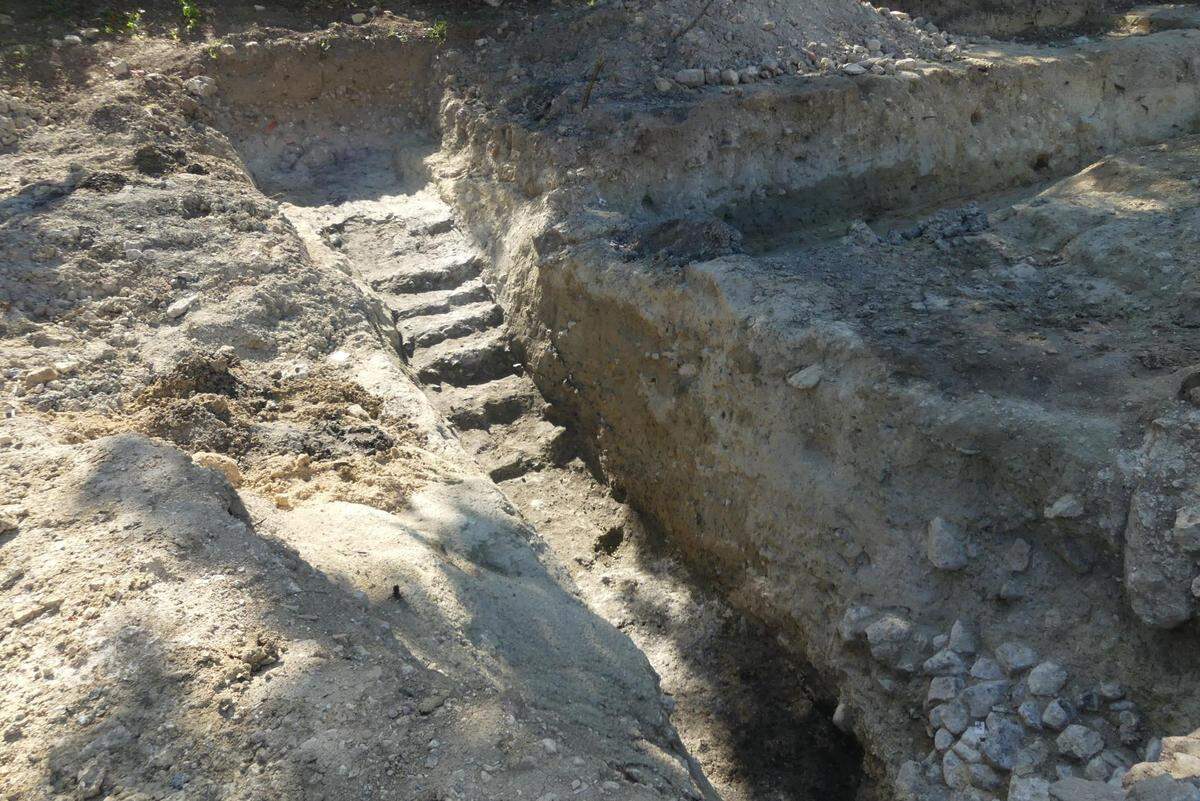
Then, the lime would be pulled out of the kiln through an outlet built into the side and carried down a corridor, according to the release. The corridor was dug into the ground and had six steps, connecting the kiln to what is believed to be a track. From the track, the lime could be transported to surrounding construction sites, the researchers said.
Evidence of multiple successive firings in this kiln show it was used for various constructions, according to the release.
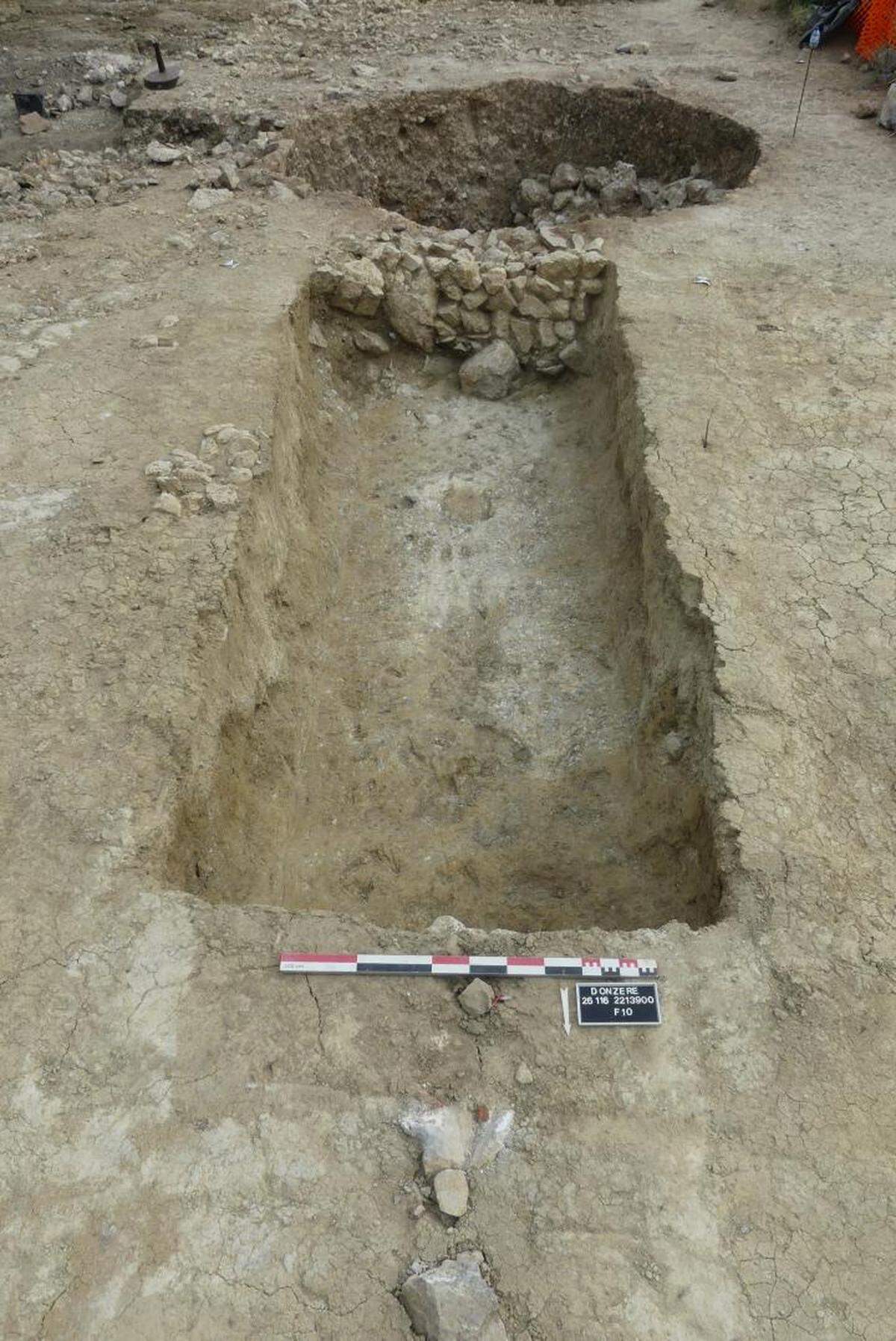
A rectangular pit north of the central hearth was separated from the heating by a curved stonework wall, researchers said, though it is unclear what it was used for. One hypothesis is the pit was used to store firewood to be used to heat the kiln, though no wood was recovered.
Lime kilns worked by heating calcium carbonate, found in limestone, to extreme temperatures until it would break down into lime which was used in mortar, according to Historic England.
Archaeologists and historians believe the practice was first used by the Romans, as no lime kilns have been found that date to before the empire’s infiltration of Europe, the organization said.
Donzère is in the Drôme department of southeastern France, about a 100-mile drive northwest from Marseille.
Google Translate was used to translate the news release from the National Institute for Preventive Archaeological Research.
This story was originally published July 17, 2024 at 3:58 PM with the headline "2,000-year-old kiln — reaching over 1,600 degrees — discovered in France. Take a look."