Pink deep-sea creature — with more than 200 feet — discovered as new species in Canada
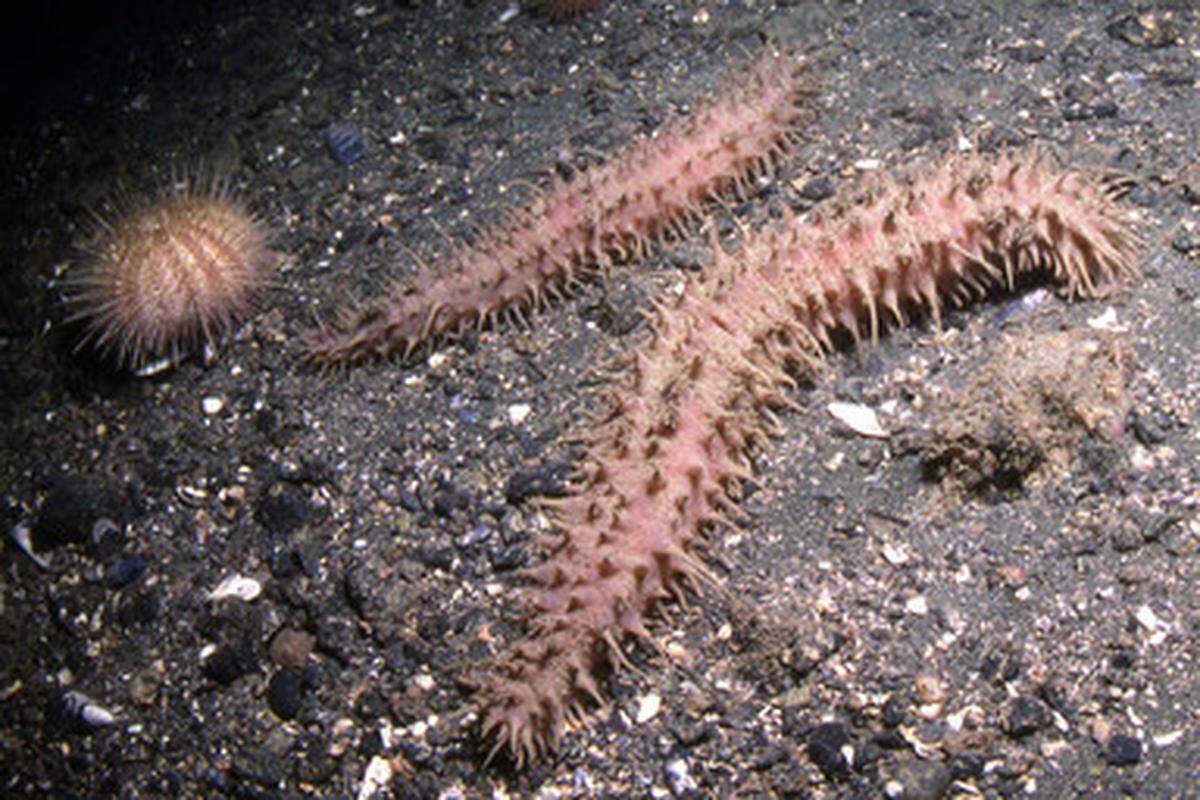
On the deep seafloor off the coast of western Canada, a spot of pink sticks out from the sandy and rocky bottom.
Squirming along, the cylindrical creature leaves a track in its wake as it searches the sediment for a bite to eat.
Its tentacles flow in the water as its 214 tube-like feet take the tiniest, incremental steps.
The squishy blob is a sea cucumber — and a new species.
Synallactes mcdanieli, or the McDaniel sea cucumber named for Canadian marine naturalist Neil McDaniel, ranges in size from just under 9 inches to 12 inches long, according to a study published June 26 in the Biodiversity Data Journal.
The animals are a “pale pink violet” color on their backs and slightly lighter on the underside of their bodies, researchers said.
The animal is covered in long, fleshy papillae, as many as 120, and their overall body is “firm” with “slightly rough skin,” according to the study.
The number of papillae on the back set it apart from other known species.
Underneath its body, two zigzagging rows of tube feet with 62 in each row, and another two rows with 45 tube feet per row, help the sea cucumber get around, researchers said.
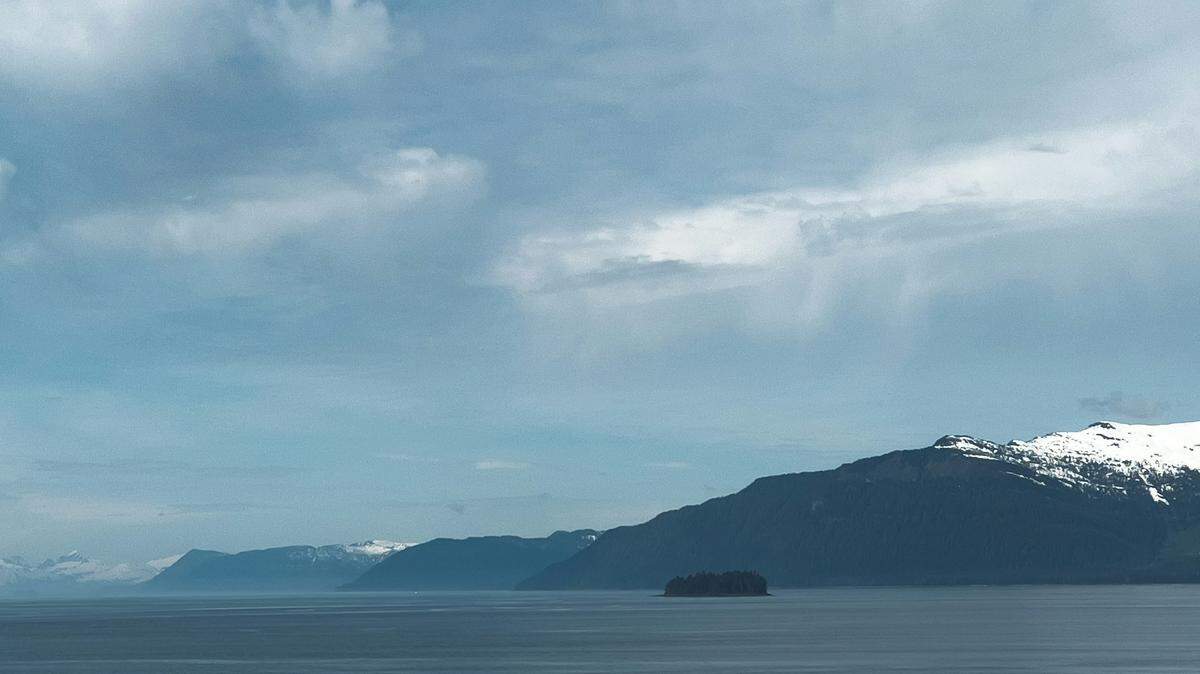
They are found in the northeastern Pacific, along the western coast of Canada and up into the Gulf of Alaska, according to the study.
The McDaniel sea cucumbers call the deep-sea home, researchers said, but they are among the shallowest dwellers in their genus.
“Synallactids are one of the most characteristic animals of the deep ocean,” researchers said. “They often appear in photographic collections of abyssal megafauna.”
The pink creatures were found at depths ranging from about 70 to 1,400 feet, according to the study.
The Gulf of Alaska includes the entire southern coastline of Alaska and the northern coastline of British Columbia, Canada, in the Pacific Ocean.
This story was originally published July 1, 2024 at 8:00 AM with the headline "Pink deep-sea creature — with more than 200 feet — discovered as new species in Canada."