‘Deep-sea’ creature — with ‘fragile’ shell — found off China coast. It’s a new species

More than 4,000 feet below the ocean’s surface, a crack in the seafloor spews gases into the dark abyss.
The newly active cold seep, a “natural phenomena” that causes “hydrocarbon-rich fluids and gases” to seep into the water through the sand and rock, was first discovered in 2015, according to a study published June 6 in the journal ZooKeys.
Cold seeps create a “distinctive habitat,” researchers said, where only some creatures are known to survive.
In 2022, researchers from China used a remotely operated vehicle, an underwater robot, to take a closer look at the Haima Cold Seep — and look for new species.
That’s when they found Yoldiella haimaensis.
The creature is a new species of deep-sea bivalve, an animal that lives inside a self-grown shell, according to the study.
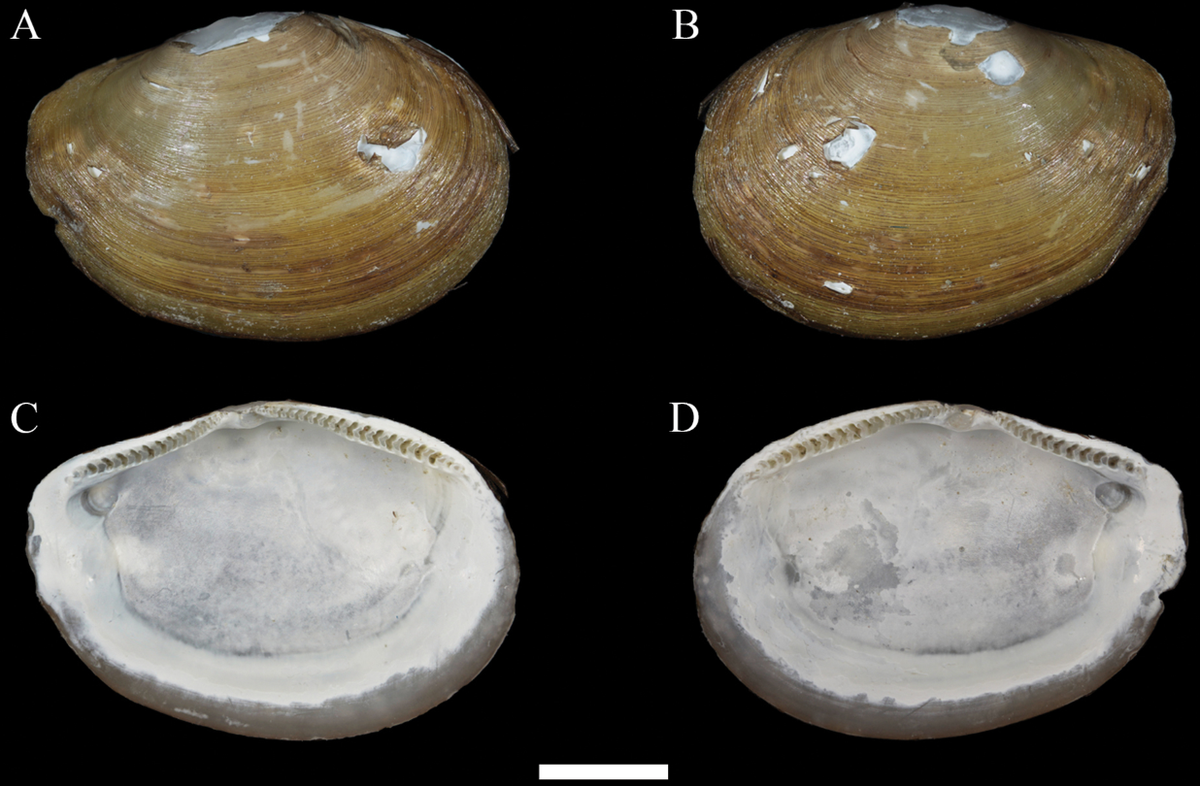
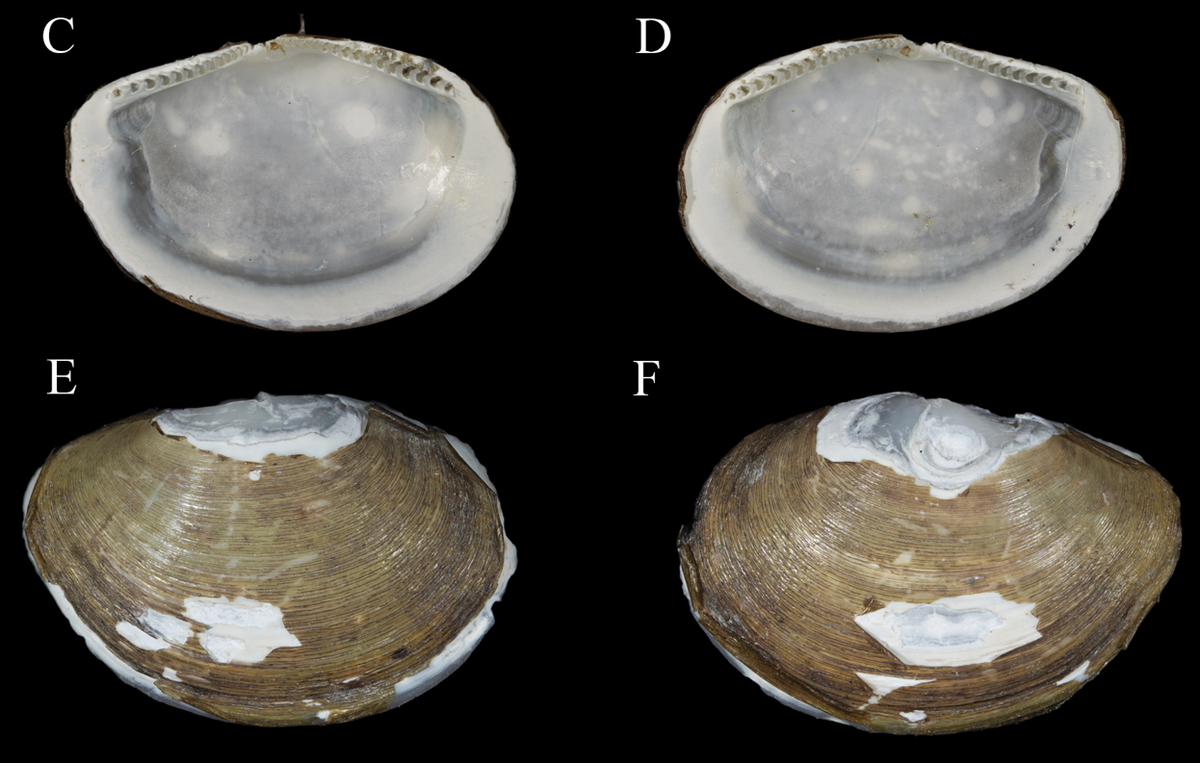
Less than half an inch long, the “small” shell is “opaque” and “fragile,” researchers said, and smooth on the surface aside from a series of “very fine” growth lines crossing the surface.
The fleshy body inside the shell is flat, but the bivalve’s “foot” (the part of the body that sticks out from the shell and helps the animal move) was described as “muscular and large,” according to the study.
Compared to other known species, the bivalve has a “lower” beak, or the part of the shell that extends over the hinge connecting the two sides. Researchers said this makes the beak more prone to wear and it could become rounded on one end.
The Haima Cold Seep bivalve also has more hinge teeth, a structure inside the shell that keeps the two sides of the shell aligned, than other known species, according to the study.
“The (bivalves) are primarily found in the subtidal zone, especially in the deep sea, and are generally deposit feeders that bury themselves in the soft sediment,” researchers said. “They have limited presence in the intertidal zone. So, it is difficult to collect specimens of this group.”
The Haima Cold Seep has proven rich in new bivalve species.
In April, researchers published the discovery of another new species that has a rectangular-shaped shell and thick ridges along the shell’s surface, McClatchy News reported.
Bivalves breathe through gills like fish, but also filter sediment and water through their gills to eat, according to the National Oceanic and Atmospheric Administration.
They also have an internal organ that creates calcium carbonate, the material that forms their shells, allowing them to control their own size and growth rate, NOAA says.
The new species is only known from the northwestern slope of the South China Sea. The South China Sea is a contested body of water in southeastern Asia that borders Brunei, China, Indonesia, Malaysia, the Philippines, Taiwan and Vietnam.
This story was originally published June 7, 2024 at 10:55 AM with the headline "‘Deep-sea’ creature — with ‘fragile’ shell — found off China coast. It’s a new species."