Translucent creatures — with neon eggs — found on sea floor. See vibrant new species
.jpg "In underwater burrows, species live together in harmony and make some of the loudest sounds in the ocean.")
In small burrows along the sea floor, little crustaceans live together in symbiosis, sharing a home as they hide from predators and lay their eggs.
Different species live side by side, “easily overlooked” because of their small bodies and generally inconspicuous coloring.
Now, a team of biologists from University of Louisiana at Lafayette have taken a closer look inside these communal homes — and discovered new species of shrimp.
“Most species of these infaunal symbionts (shrimp that live in symbiotic relationships with other animals and live in the sand and sediment bottom) are small-bodied, inconspicuously colored and easily overlooked, and are therefore infrequently collected unless specifically targeted with specialized collection methods and equipment,” researchers said in a study published June 10 in the journal Zootaxa. “Thus, their natural histories remain poorly known.”
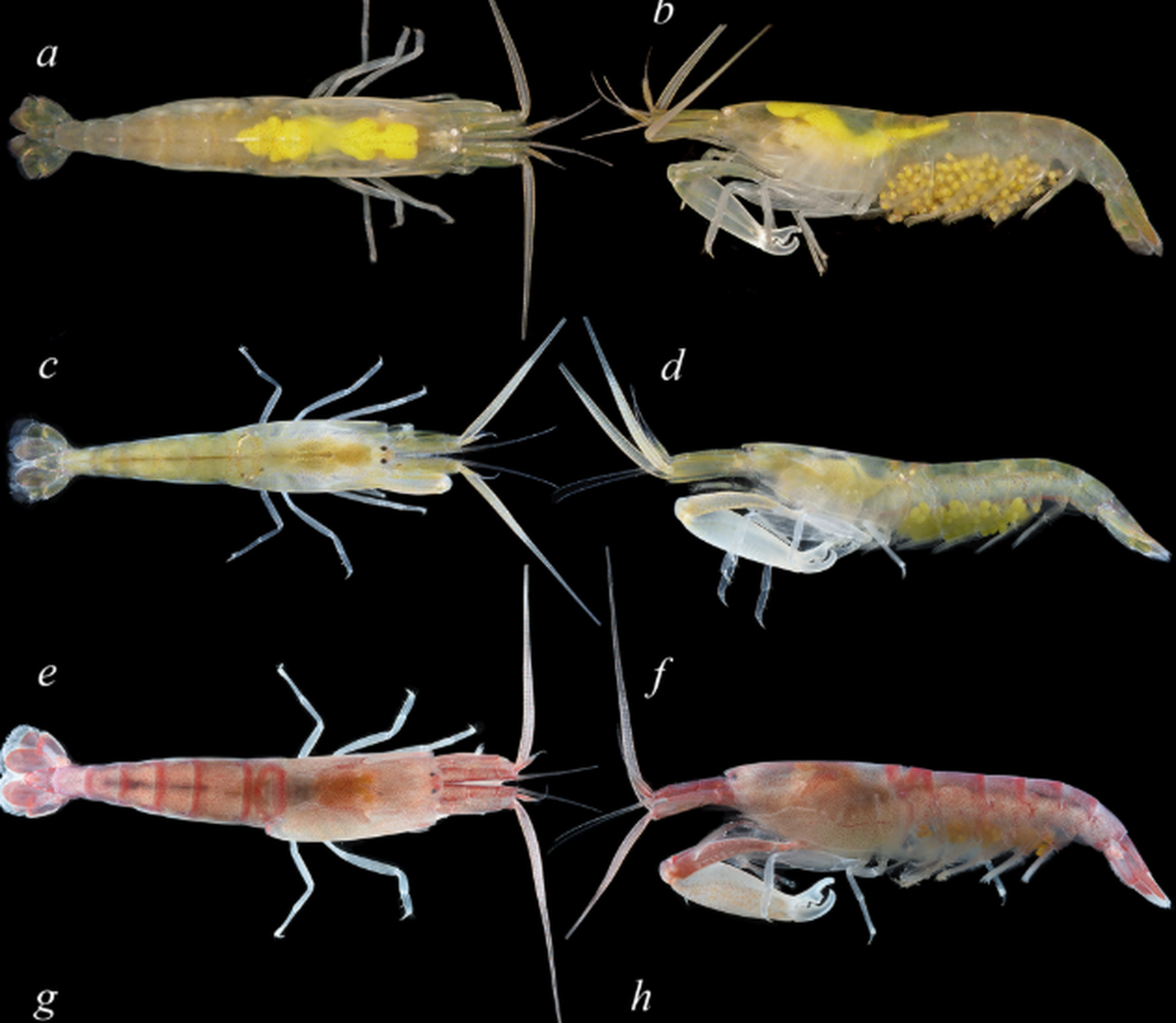
Using 218 animals from multiple different collections, the University of Louisiana team examined specimens from Panama, Florida and Nicaragua. The shrimp from Panama and Florida lived in the Atlantic Ocean and Caribbean Sea, and the animals from Nicaragua came from the country’s Pacific coast.
The researchers examined and measured the animals’ bodies, and then compared their DNA to known species and to each other.
Two new species came from the Caribbean.
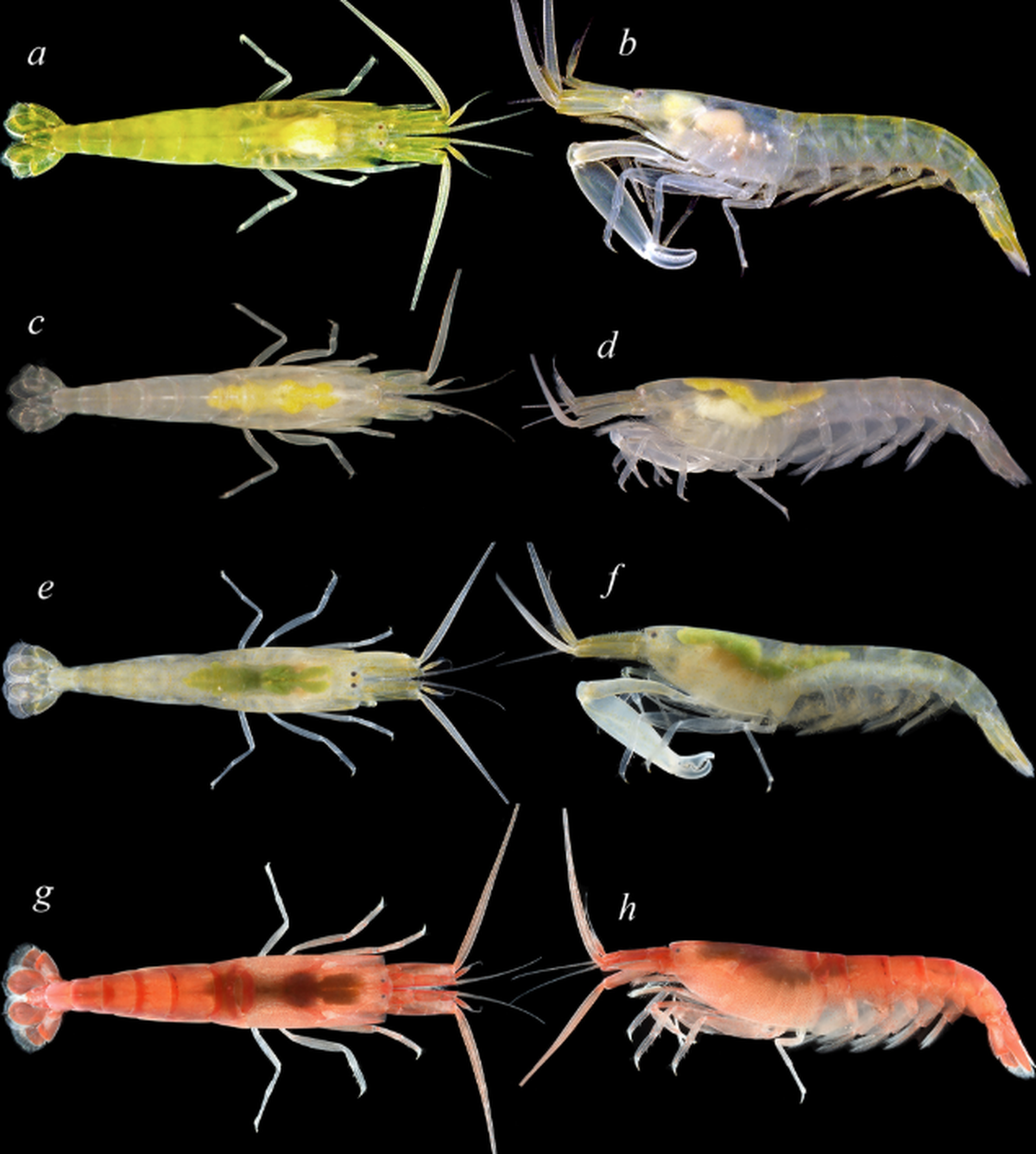
The first, Leptalpheus ankeri, is “semitransparent with yellowish tinge,” according to the study, and with a see-through body, “yellow-green” eggs are visible from the outside of the females.
Just a few millimeters long, the shrimp can be found along the west coast of Florida, Mexico Panama, Venezuela, Belize and Jamaica, researchers said.
The second new species, Leptalpheus degravei, has more muted colors, a completely translucent body and the same “yellow-green” eggs, according to the study.
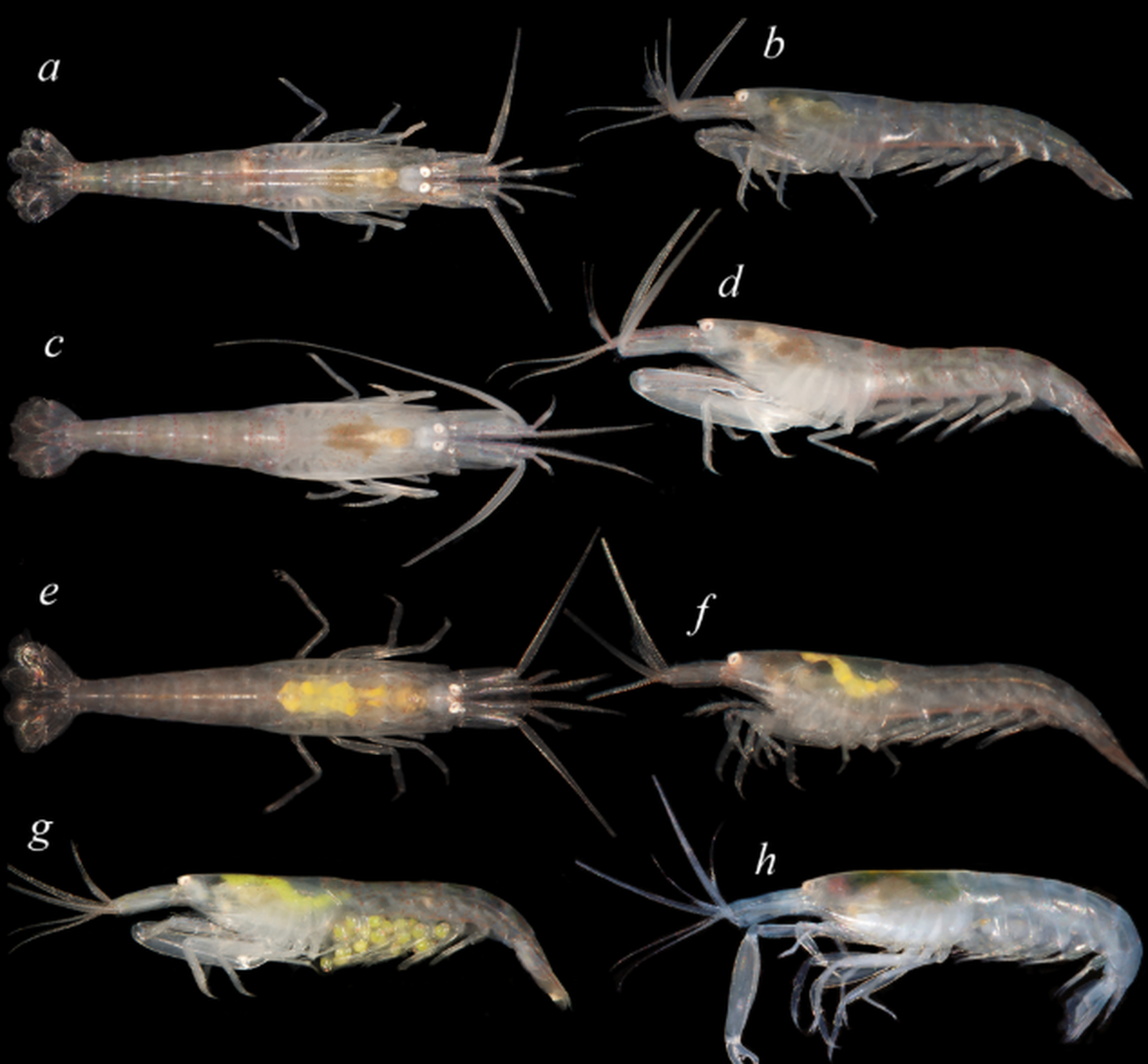
Both species were morphologically different than those that had been discovered before, and their unique bodies were confirmed with genetic testing.
They belong to the shrimp family alpheidae, also known as snapping shrimp.
These shrimp typically have one claw that is massively larger than the other, and when it closes “the claw’s hinge produces a bubble which bursts and makes a large snap sound,” according to the National Oceanic and Atmospheric Administration.
“At 183-210 decibels, this makes them some of the loudest sound producers in the ocean,” NOAA says.
This story was originally published June 10, 2024 at 4:59 PM with the headline "Translucent creatures — with neon eggs — found on sea floor. See vibrant new species."