Ancient fortresses used for sacrifices discovered in Turkish mountains. See the temples
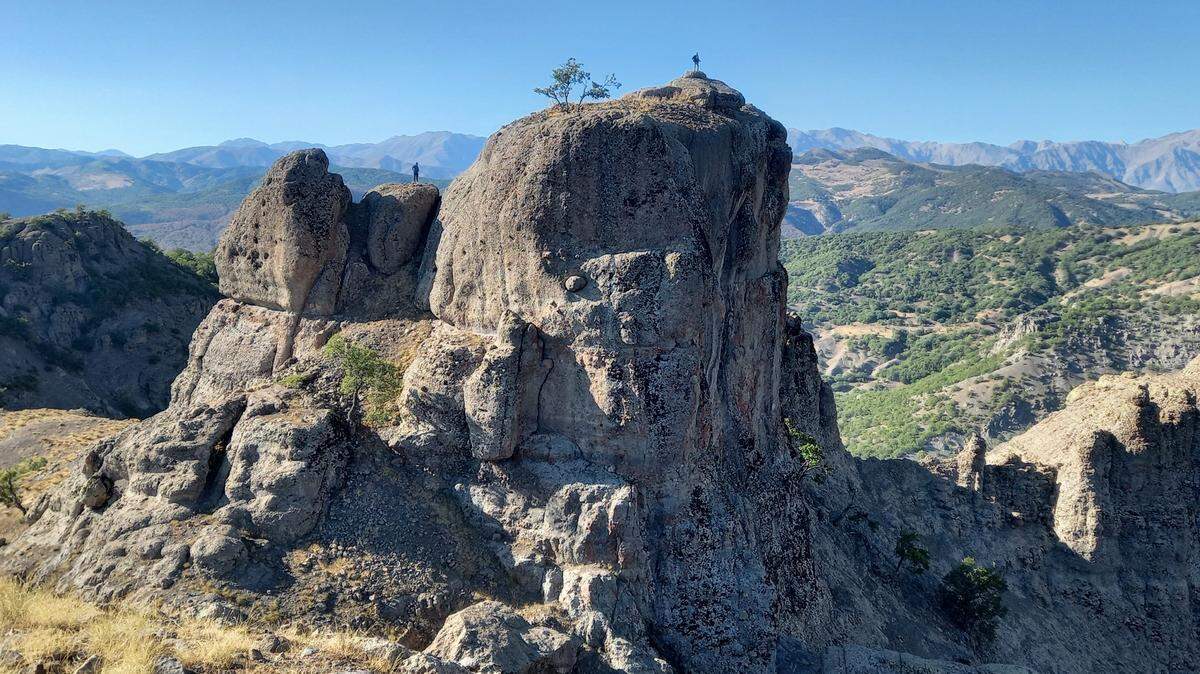
In the rural mountains of eastern Turkey, stone walls peek out from the formidable mountains.
Here, thousands of years of history has remained almost entirely untouched in the form of stone fortresses and temples, weathered only by time.
The castles were found in 2016 in the Dersim region of Tunceli, Serkan Erdoğan, a researcher from Yozgat Bozok University, told McClatchy News in an email.
Part of the Iron Age and Hellenistic Age Tunceli Survey project, researchers have spent the past 8 years working through the rubble, and published their findings in the Pamukkale University Journal of Social Sciences Institute on March 22.
.JPG "Masumu - Pak Fortress (2).JPG")
The Masuma-Pak Castle has never been recorded before in the archaeological record, according to the study, while the other, the Lower Doluca Castle, was only discovered recently, despitebeing constructed in the Middle Ages.
The castles were built in areas that were particularly hard to reach, the researchers said, and surrounded by difficult terrain.
Then, ongoing regional conflicts left the area desolate for the better part of three decades, Erdoğan said.
.jpg "Fortification Walls (1).jpg")
When researchers were allowed back into the region, a large, medieval-looking mortared city wall pointed them toward Masuma-Pak Castle, according to the study.
The wall is built into the hillside, the researchers said, and likely served as a bastion, a portion of wall surrounding a castle to protect the fortress from attack. It was accessible by a rock staircase carved into the mountain, according to the study.
Nearly 50 steps were identified and, along the stairs, two large cavities were cut into the rock, the study said.Researchers believe the holes once held a large gate that would have protected the staircase entrance to the castle.
.jpg "Stepped Rock Staircase (2).jpg")
Leading away from the castle on the southwestern slope, a rock platform was adorned with rectangular stones, according to the study. The stones likely served as altars for an open-air temple, researchers said.
Each stone altar had a groove that would have allowed liquid to flow from the stone down into basins, according to the study, including blood from animal (and sometimes human) sacrifices.
Sacrifice was a part of normal worship in the Ancient Near East, Erdoğan said, and was part of a duty to the gods and a way to offer respect to them. In general, people would ask for help and protection and ask the gods to bring prosperity and fertility, Erdoğan said.
Since the altars were made in accordance with local architecture, he believes animals would have been sacrificed here to honor local gods.
.jpg "Open - air Temple (1).jpg")
The second fortress, the Lower Doluca Castle, has many similar geographical features, and was also found atop a hillside.
The castle, which was discovered near an abandoned village, is called “More Sur (Kirmizi Yilan), meaning “red snake,” in the local language, according to the researchers. The place is believed to have a healing effect on physical and spiritual ailments, according to the study, and is considered a sacred place to make sacrifices to this day.
.jpg "Aşağı Doluca Fortress (1).jpg")
Similar steps were found carved into the stone, leading up to where the castle once stood, and down to another open-air temple, the researchers said.
They said the Doluca Castle bore a striking resemblance to Masuma-Pak, including the altars found carved into a large stone face.
.jpg "Open - Air Temple (2).jpg")
However, the second location has additional markings that set it apart, researchers said.
On some of the stones found in the ruins, Arabic inscriptions, Byzantine iconography and Maltese crosses were found carved into the rock, according to the study.
.jpg "Maltese Cross - Spolia(1).jpg")
Some of the carvings date back to the Middle Ages, the researchers said, while the stone wall itself was likely constructed in the Iron Age.
The researchers believe some of the stones may have been moved and repurposed from the outside walls over time through illegal excavations of the castle, according to the study.
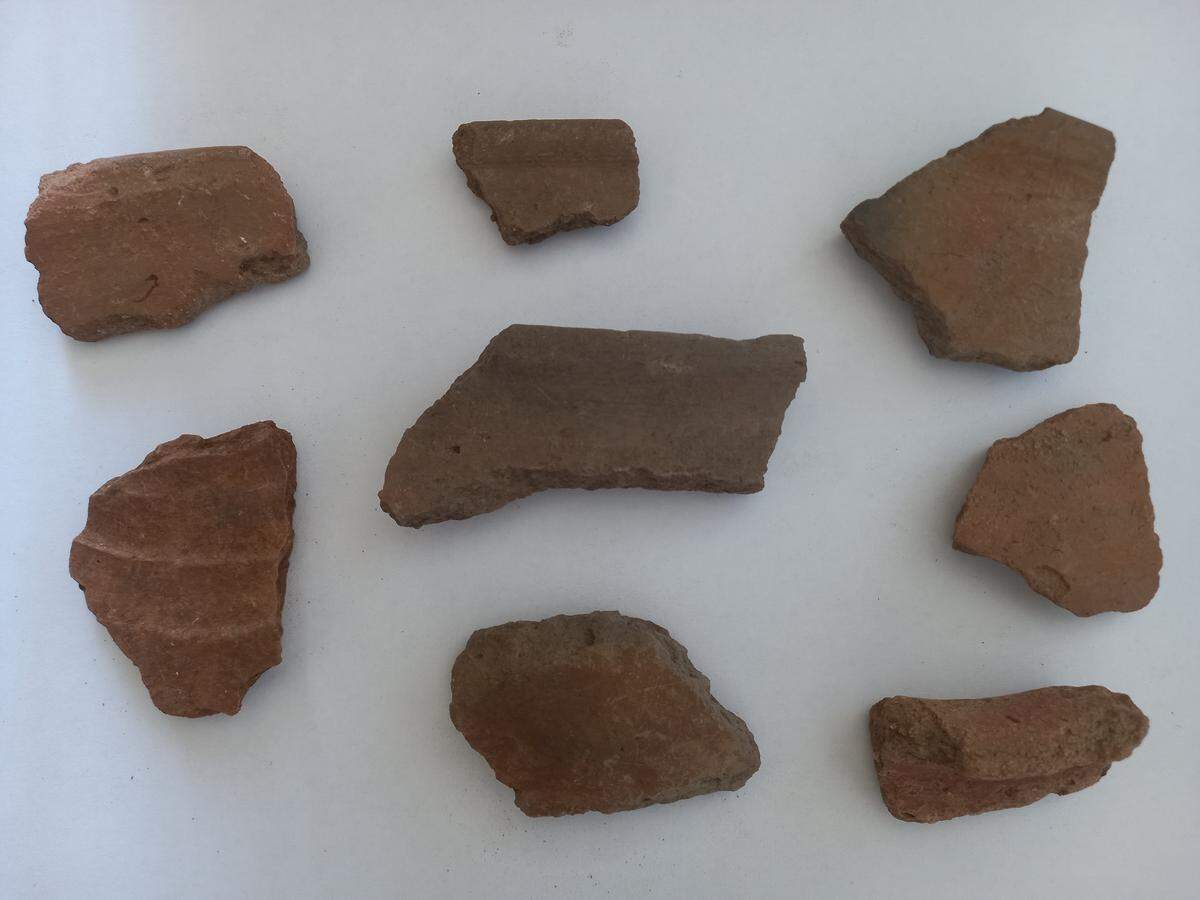
At both castle locations, the researchers also found shards of pottery that date from both the Iron and Middle Ages, Erdoğan said. The pottery is handmade, and some indicate that the Doluca fortress may have an even earlier, prehistoric past, he said.
Excavations of the sites will continue, Erdoğan said.
Tunceli is in the eastern half of Turkey, about halfway between Syria and the Black Sea.
This story was originally published April 1, 2024 at 12:16 PM with the headline "Ancient fortresses used for sacrifices discovered in Turkish mountains. See the temples."