Wyandotte says it’ll pitch in on Chiefs deal — with conditions for state, team
Wyandotte County is going to pitch in local tax dollars to help pay for the Kansas City Chiefs’ new stadium in western Kansas City, Kansas, officials voted Thursday.
But if the Dotte is contributing to the Chiefs Kingdom, it wants a seat at the table. And it’s bringing a few terms with it.
The Unified Government Board of Commissioners by a 7-3 vote decided that it would direct a portion of the local government’s future sales, use and transient guest tax revenues to pay off bond debt used to pay for the team’s nearly $4 billion move into Kansas.
Their decision came after numerous attendees of a Tuesday evening public hearing said they worried that approving the proposal would defund needed improvements across a county that has ongoing infrastructure and financial issues.
Commissioners Melissa Bynum, Andrew Kump, Jermaine Howard, Bill Burns, Christian Ramirez, Evelyn Hill and Carlos Pacheco voted in favor of contributing local revenues toward the Chiefs project. Commissioners Philip Lopez, Chuck Stites and Andrew Davis voted against it.
Lopez, who represents the county’s Sixth District, and Stites, who represents the county’s Seventh District, did not say why they voted against the measure during the meeting. Davis said ahead of his vote that he wanted clearer information.
Mayor/CEO Christal Watson said after the vote that she saw the decision as a chance to bring revenue outside the immediate area surrounding the future stadium and into a county with neighborhoods that have long seen disinvestment.
“We have been one hell of a resilient community, and when we stand together, and when we focus on what is really the most important thing about our county, which is our people, then I think we can make collective decisions and work together to make it work,” Watson said.
The vote means that all local sales, use and up to 8% in transient guest tax revenues generated on about 236 acres in west KCK around the stadium site will go toward paying off the stadium bond debt for up to 30 years.
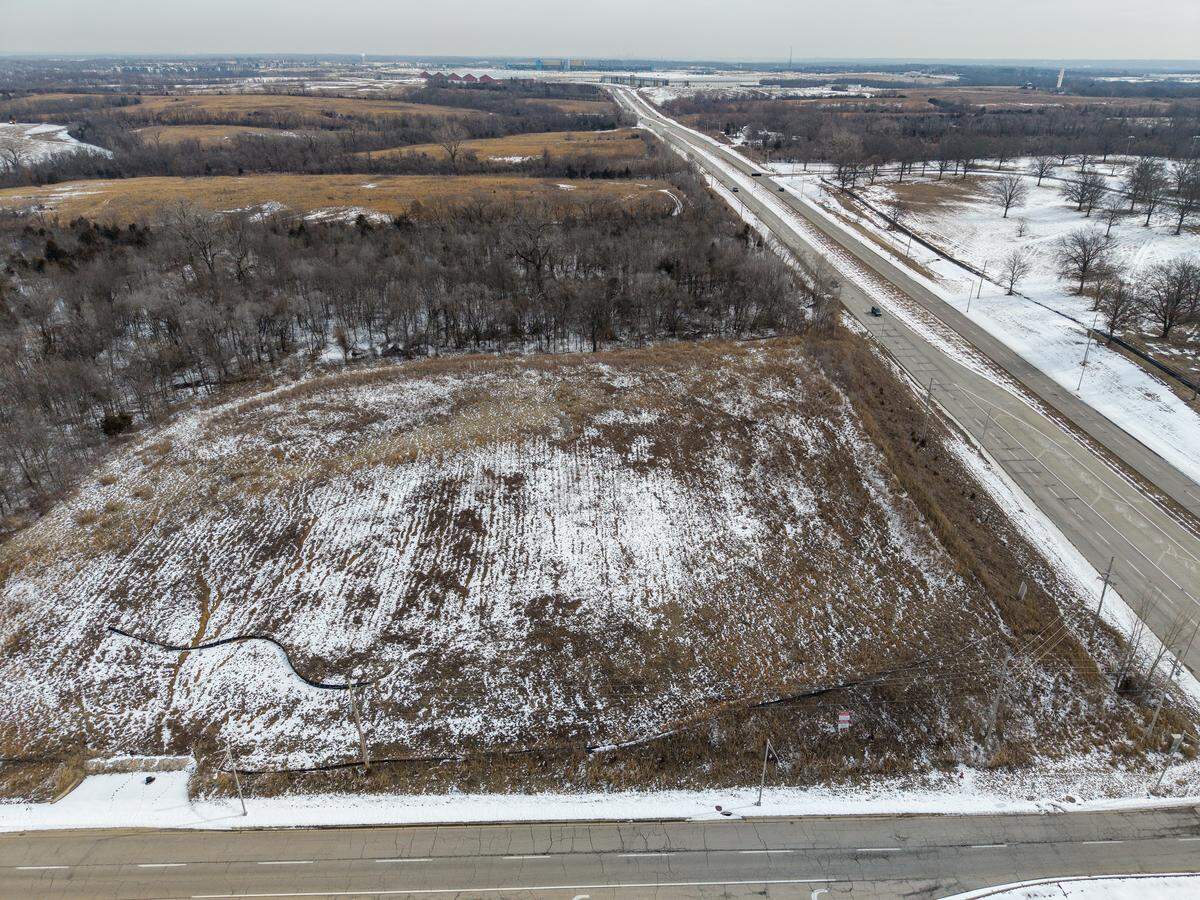
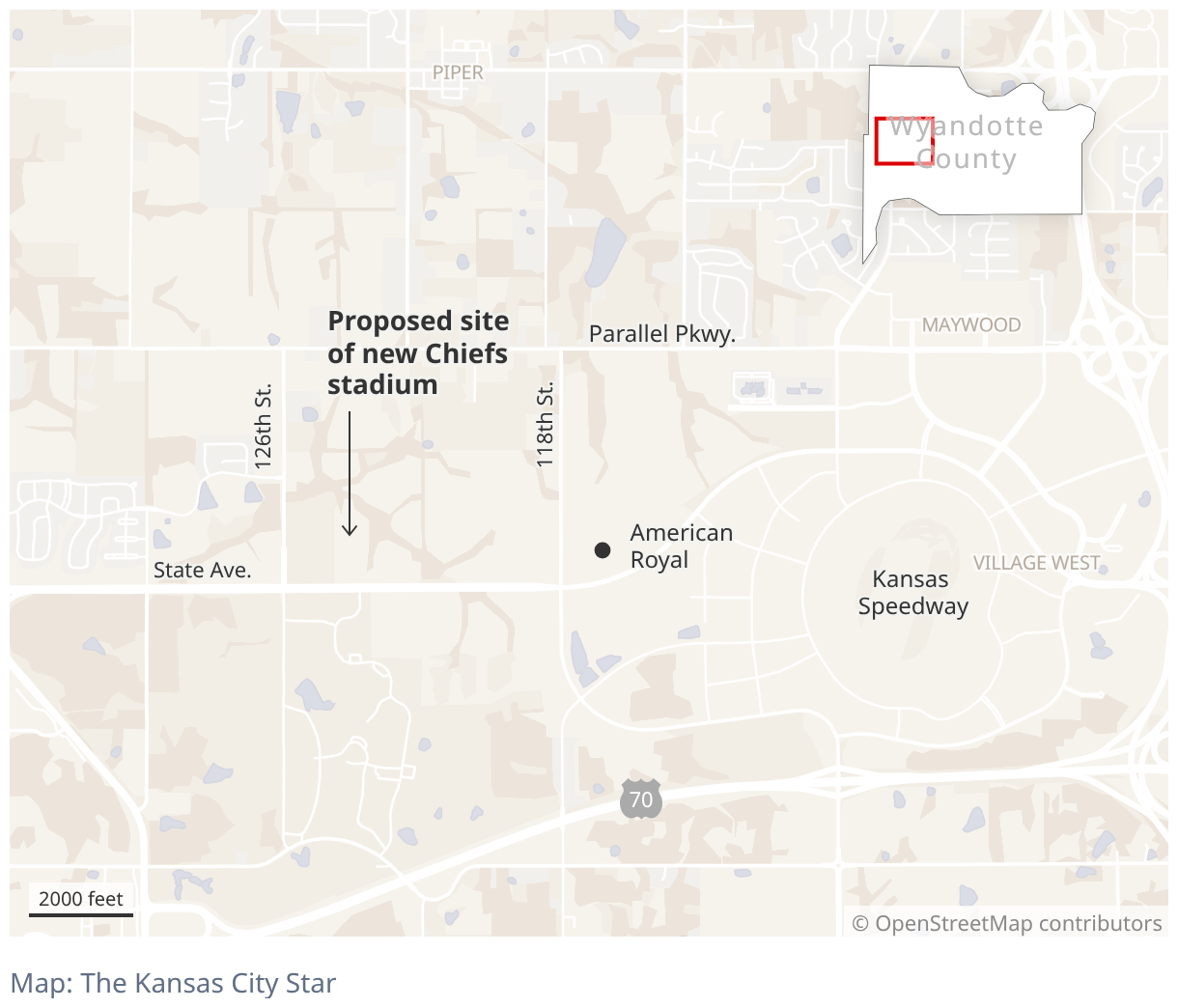
That area, from which local sales taxes would be diverted toward the Chiefs project, is called the “Base Revenue Area.” It spans north of State Avenue and between 126th and 118th streets.
The new stadium would be located within that 236 acres on a property just northwest of the Kansas Speedway and near the site of the soon-to-be new American Royal complex.
“We extend our appreciation to Mayor Christal Watson and the Wyandotte County Board of Commissioners for their support of the STAR bond initiative for the new Kansas City Chiefs stadium in Wyandotte County,” a statement from the Chiefs read.
“We’re grateful for the process and remain very excited for the collaboration with Wyandotte County to build on this partnership.”
State, local approvals
In December, state and team officials proposed a plan to pay for the bulk of the Chiefs’ move with $2.8 billion worth of state-issued sales tax and revenue, or STAR, bonds, which would then be paid back with new state sales tax revenue.
Commissioners voted Thursday evening in response to the Chiefs and the state asking Wyandotte County to pitch in some of its local revenue to help pay off those bonds too, since the stadium would be located there.
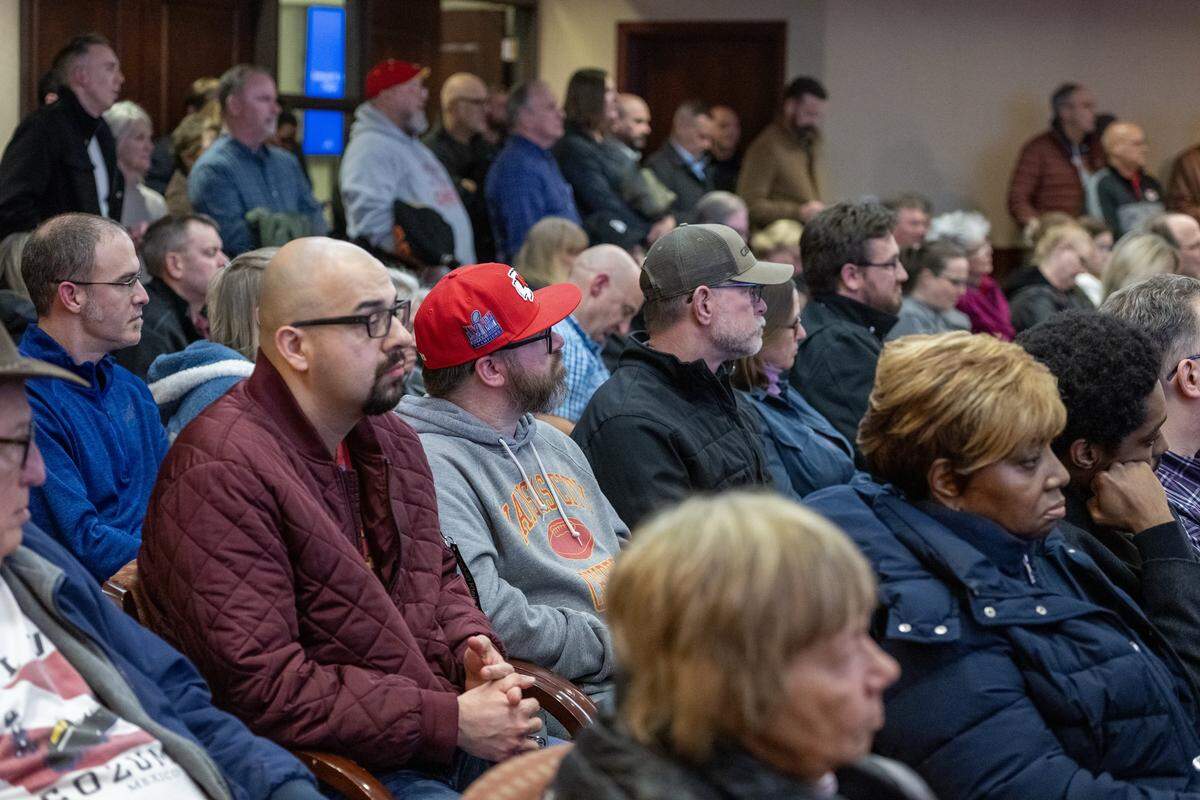
The Olathe City Council on Tuesday held a similar public hearing, and council members unanimously approved using their local dollars to help finance the Chiefs project. The team wants to build a new training facility and team headquarters on 165 acres in Olathe city limits.
Both the stadium in KCK and the proposed practice facilities in Olathe would be surrounded by entertainment districts, Gov. Laura Kelly said during the December announcement in Topeka, during which officials formally said the Chiefs planned to move to Kansas.
Beyond the requested local contributions, the stadium incentives rely heavily on a yet-to-be-finalized state STAR bond district from which new state sales taxes will go toward paying off the Chiefs project. A preliminary map of that district shows it could stretch across all of Wyandotte and about half of Johnson County — which means it could pull state money from both counties.
Local financial impact
The Unified Government hired Steve Robb of Municipal Consulting, LLC in Pittsburg, Kansas, to offer an independent analysis on how a stadium might affect local revenue streams. Given these figures are based on potential future sales, it’s safe to call them speculative, said Todd LaSala, an attorney representing the Unified Government.
Those projections estimate the Unified Government would pledge between $350 million and $450 million in local sales taxes generated within the 236-acre area around the stadium over the course of 25 years. Although the bonds may be issued for a 30-year term, LaSala said the team anticipates they will be paid off sooner than that.
The firm also estimated the stadium, hotels and entertainment district would generate $445 million in tax benefits for the local government throughout that same time period — in and outside the bond district.
Beyond just the stadium’s construction, the Unified Government also expects that the Chiefs project will create the following $396 million in expenses, some of which the local government expects it will need to cover:
- $275 million in infrastructure costs before the stadium can open;
- $55 million for ongoing repairs and improvements;
- $57 million for public safety costs, such as expanding fire and police services outside and around the stadium;
- $9 million in additional service costs.
UG’s conditions
The board’s approval to pitch in local sales tax dollars to the Chiefs was contingent on the following terms:
- That the district redirecting local tax revenue would be the same size and have the same boundaries as the 236-acre project area already agreed upon;
- That any changes to that district would require the Unified Government’s approval;
- That the Unified Government review and consider “Definite Documentation,” which includes stipulations that infrastructure for the stadium must be paid for with STAR bonds and not out of the Unified Government’s own pocket;
- That the state and Unified Government agree that at least one of the five people on the stadium community impact committee is a Unified Government representative. That representative would be appointed by the mayor and approved by commission;
- That a bond issuance happens no later than Dec. 21, 2030.
With the Chiefs coming to town, the state may help finance bridge repairs in KCK, LaSala said, adding that Watson has spearheaded lobbying for those efforts at the state level. Those possibilities haven’t been confirmed yet.
Contributions up for discussion include:
- $135 million for the Central Avenue Bridge;
- $1.2 million for the Kansas Avenue Bridge;
- $2 million for the Union Pacific Bridge;
- $1.5 million for east-to-west bus line improvements in the city.
Now, Watson said, the government will get needed documentation to the team and state and continue negotiations with both parties.
This story was originally published February 5, 2026 at 9:47 PM.