‘Where are the tests?’ Missouri congressman frustrated by lack of coronavirus testing
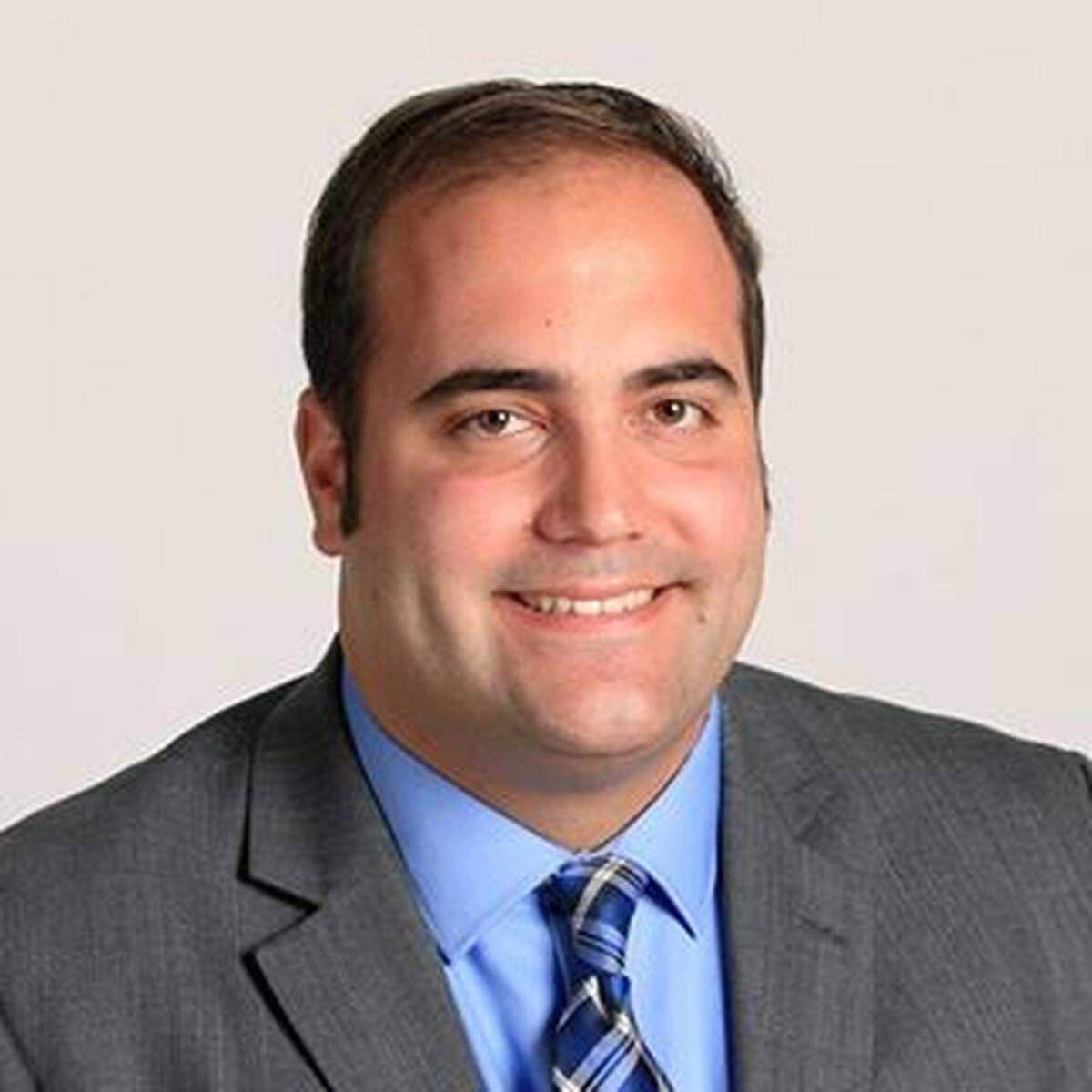
Kansas City Congressman Emanuel Cleaver said Monday that the amount testing for novel coronavirus in his district is woefully insufficient.
Jackson County has yet to identify a case of COVID-19, but Cleaver said he’s confident that the virus is already in the community based on the number of cases in Kansas near the Missouri border.
“There are people walking around in Jackson County who are in fact walking around with the virus and that’s of course the problem that people can walk around asymptomatically and spread the virus,” said Cleaver, a Missouri Democrat and former Kansas City mayor.
Cleaver said that Samuel U. Rodgers Health Center in Kansas City only has 10 test kits for the virus, a claim confirmed by the hospital. He said that the Lafayette County Health Department only has two test kits, while Ray County Health Department only has one.
“Where are the tests? That’s all I know is that they’re not here. When I voted I didn’t vote that maybe I’d get some in the next 10 days,” Cleaver said, pointing to the more than $8 billion emergency coronavirus bill Congress passed earlier this month.
“I voted because I and other members on the other side of the aisle believed they were going to get here as soon as possible.”
Dr. Faisal Khan, the CEO of Rodgers Health Center, said in a statement that the hospital’s “testing capacity is virtually non-existent. We need free of cost test kits as soon as possible to best serve our patients and community.”
Cleaver blamed President Donald Trump’s administration for failing to distribute enough tests to the states before the virus began to spread.
Tom Emerson, the director of the Lafayette County Health Department, confirmed that Cleaver is correct that the county only has two test kits, but he said most hospitals are relying on private labs to conduct their testing and county has not received a request for additional tests.
Emerson noted that Missouri’s criteria for administering the test requires severe symptoms and for the person to have either traveled to an affected area, been exposed to a known cases or have all other diagnoses ruled out.
Cleaver called the lack of testing in the United States embarrassing and said he can’t in good conscience assure constituents that they’ll have access to tests any time soon.
“The truth is that if South Korea and some other nations—but South Korea in particular— are conducting testing at an industrial level and we are still stumbling around with two or three test kits in my district, I’m not going to be happy,” Cleaver said.
“Maybe somebody’s just picking on Missouri, but I’m going to start picking back now at whatever the flaw is.”
Rep. Roger Marshall, R-Kansas, a candidate for U.S. Senate, blasted the Centers for Disease Control and Prevention for not producing enough COVID-19 tests, but he stopped short of criticizing Trump.
“I think the CDC has fallen short. They’ve dropped the ball. But those are career professionals that have been there,” said Marshall, who represents western Kansas. “They had promised me that we’d have 2 million kits by now and I can’t find them in Kansas.”
Marshall, a physician, said that Kansas hospitals that lack the COVID-19 test can use their standard viral tests to check whether patients have influenza instead of the novel coronavirus.
The hospitals can then share the swab with the Kansas Department of Health and Environment to conduct a coronavirus test based on the same sample, Marshall said.
This story was originally published March 16, 2020 at 6:10 PM.