Facing accusations over transparency, Olathe school board to livestream public comments
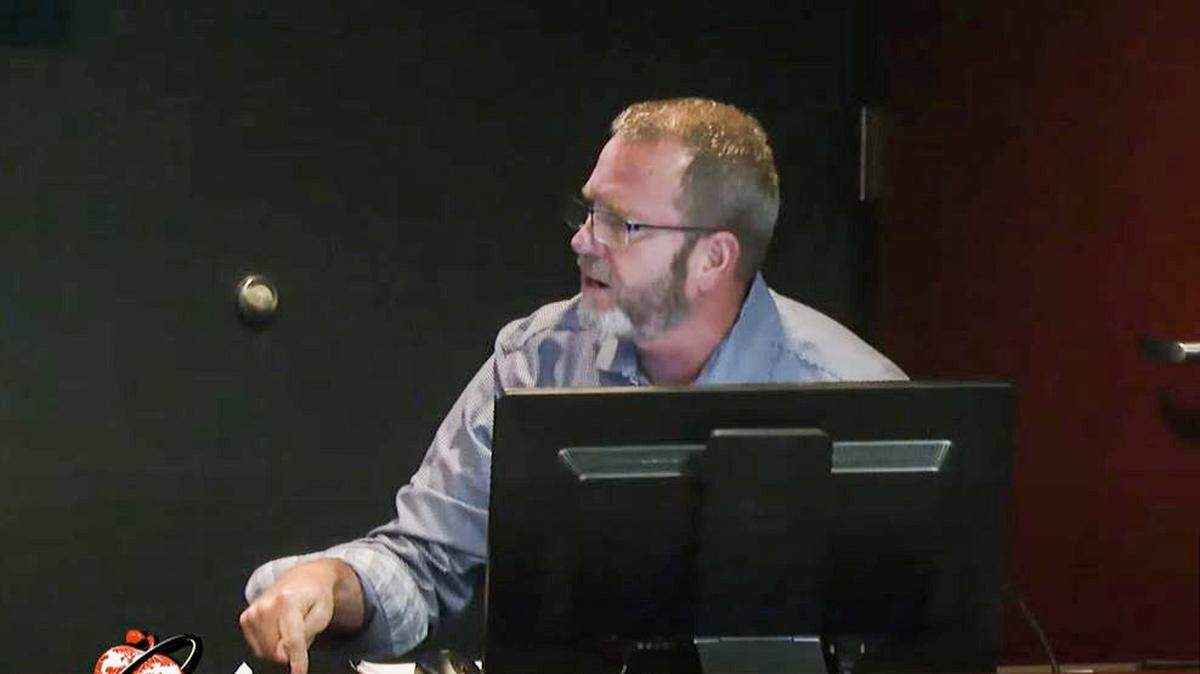
After months of tense debate, the Olathe school board on Thursday finally agreed to once again livestream public comments during meetings — in what some consider a win for transparency in the district.
Since April, the district has held the public comment sessions at 5 p.m., separately from the school board’s regular meetings, and has not livestreamed or recorded them. Some working parents have said that time is too early for them.
And many have argued that the change has limited public access and made it more difficult to find out what’s going on in the district. Residents have spoken during public comments every month demanding that the school board livestream the sessions once again.
Every month, board members Brian Connell and Robert Kuhn have argued for returning the sessions to the regular board meetings and livestreaming them, but they failed to gain support from other members.
“Hiding complaints and concerns of the public does NOT serve the greater good,” Connell previously wrote on Facebook.
The debate erupted during last month’s board meeting, where members considered a proposal to end the pandemic-era practice of livestreaming their entire board meetings, and instead record them to be posted online a few days later. Superintendent Brent Yeager said that while he did not anticipate ever editing the videos, that would give staff time to do so if there was a threat made or a copyright infringement problem.
The idea led to a shouting match among board members, who ultimately decided to table the discussion for another month.
On Thursday, board members appeared to finally reach a compromise. Members voted 5-2 to return public comments to regularly scheduled board meetings. The district will once again livestream public comments, along with the rest of the meetings, and post the videos online. Board members Joe Beveridge and Julie Steele voted against the proposal.
Districts across the Kansas City metro have been grappling with how to share public comment sessions online during the pandemic, where residents have packed meetings and regularly aired frustrations over mask mandates, the COVID-19 vaccine, critical race theory, book bans and diversity and equity.
In Shawnee Mission for example, when residents spread misinformation about COVID-19, YouTube removed the video for violating community standards. Later, the school board decided to hold public comment sessions separately from regular meetings and no longer livestream them.
Steele said she supports streaming the board’s business meetings online. But she could not support livestreaming public comments because she worries about the board’s “complicity in perpetuating, when, on the not so rare occasion, that misinformation and sometimes purposeful disinformation is shared.”
And she’s concerned that staff would spend too much time correcting misinformation, causing the district to allocate more resources “in a budget crisis.”
“Public comments are for the sole purpose of addressing the board. So is the Board of Ed irrelevant to the speaker if the point is to be livestreamed? And to the speaker requesting to be livestreamed, who are you truly interested in addressing?” she said.