‘This would be wrong’: Olathe school tensions erupt over public access, transparency
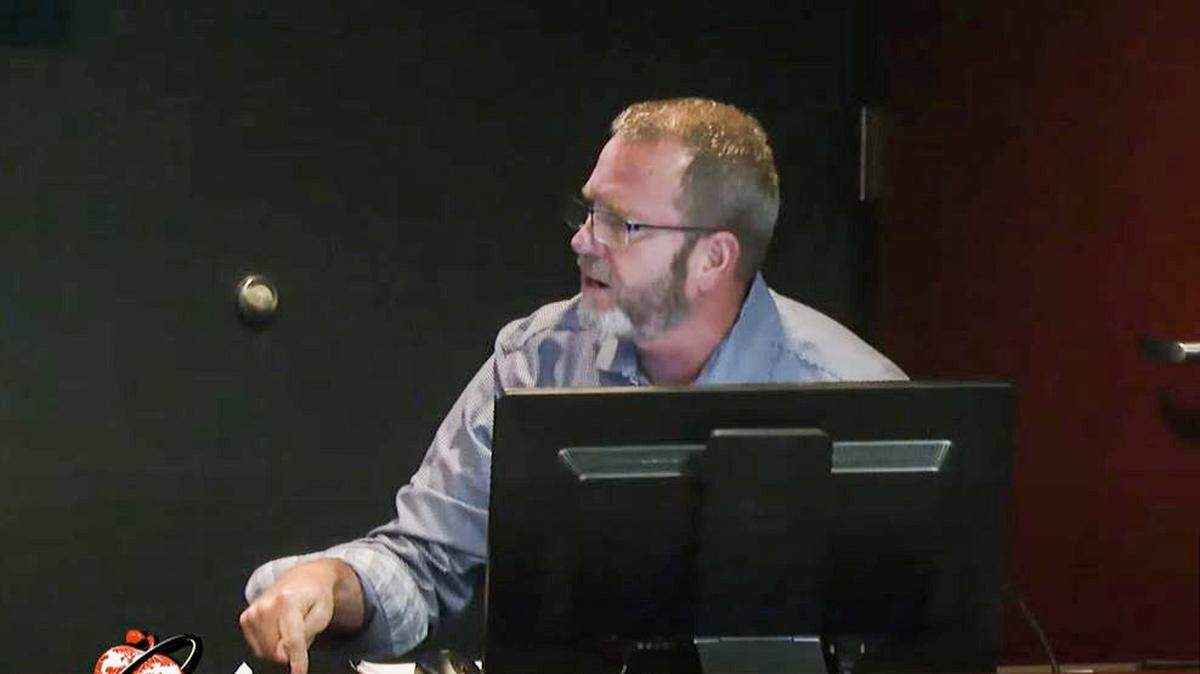
Months of simmering tensions over how the Olathe school board allows the public to speak at its meetings boiled over on Thursday, with members loudly debating transparency and public access.
During a tense, and at times chaotic discussion, board member Brian Connell shouted over fellow board members while member Shannon Wickliffe asked him multiple times to control himself.
“We have heard from the community that this would be wrong for us,” Connell said. “…This is an easy thing to do what’s right for the community.”
Connell was objecting to a proposal the board is considering to end its pandemic-era practice of livestreaming board meetings, and instead record them to be posted online a few days later.
In addition, since April, the district has held public comments separately from the board’s regular meetings, and has not livestreamed or recorded them, to the consternation of Connell and many in the community.
The decision has been met with strong criticism from many parents, who argue that the change has resulted in less transparency and made it more difficult for the public to find out what’s going on in their district. The public comment sessions have been held at 5 p.m., which some working parents have said is too early to make. And without the comments being video archived, some have worried that it will be more difficult to have their issues addressed by the board, and made known to other parents.
Since the change was made, residents have spoken during public comments every month demanding that the school board once again return the sessions to the regular board meetings and livestream them. And every month, Connell has made a motion to do just that, which has repeatedly failed after gaining support from only one other board member, Robert Kuhn. Both Connell and Kuhn won election last November after campaigning on issues like opposing the district mask mandate.
“THIS is not transparency by the BOE and does NOT serve ALL constituencies,” Connell wrote in a Facebook post last month. “… Yes, there will always be persons unhappy with BOE decisions but there are also some providing VERY important testimony about curriculum decisions and events taking place within the school district that DO deserve a full public forum. Please continue to stand up for ALL of your rights within the community. Hiding complaints and concerns of the public does NOT serve the greater good.”
Other districts as well have grappled with how to share public comment sessions online during the pandemic, where residents have packed meetings and regularly aired frustrations over mask mandates, the COVID-19 vaccine, critical race theory, book bans and diversity and equity.
When residents spread misinformation about the virus at a Shawnee Mission school board meeting last year, for example, YouTube removed the video for violating community standards. Later, the school board decided to hold public comment sessions separately from regular meetings and no longer livestream them.
Officials have struggled with how to continue making public meetings accessible online during the pandemic without stymieing public comments.
In Olathe, the conflict comes as residents rely on school board meetings to learn about critical issues, such as the district’s budget deficit. Officials previously said they must cut $28.6 million next school year, including 140 certified staff positions.
After debating livestreaming public comments once again in June, board members agreed to have a district committee evaluate the policy. Members LeEtta Felter, Connell and Kuhn participated on the committee.
Before the pandemic, the school board had allowed public comments as part of its regular meetings. The meetings were recorded and posted online days later. When businesses and schools shut down due to the virus, the district began livestreaming its meetings, a move that many in the community applauded as a step toward more transparency and accessibility.
At Thursday’s board meeting, the committee proposed returning to the pre-pandemic policy, allowing public comments at the regular meetings again. But those meetings would not be livestreamed, and instead would be recorded and posted on YouTube days later.
Superintendent Brent Yeager said that while he does not anticipate ever editing the videos, it would allow staff time to do so if there was a copyright problem, such as music playing during a presentation, or if a community member made a threatening comment.
While Connell thought the committee had possibly found a compromise, he said Thursday that he had a “change of heart” after receiving dozens of emails from concerned constituents.
Connell moved that the board change the policy to state that regular board meetings will be livestreamed, but that proposal failed with only Kuhn supporting it.
Wickliffe countered that, “I think that there is no transparency issue, in my mind, to going back to the way that we’ve done things. And I’ll leave it at that.”
After their heated debate, board members decided to send the issue back to the committee.
Felter said, “I have no problem livestreaming. I just would like to make sure that we do this with attorneys involved to let us know what the ramifications are.”
Board member Joe Beveridge said that he had an issue with the proposal.
“I do think we should livestream our regular meetings. I’m still not for livestreaming public comments. But I do think it’s important that we livestream our regular meetings,” he said.
The committee will once again review the matter and bring a proposal to the board at its August meeting.
This story was originally published July 15, 2022 at 1:01 PM.