Prosecutors rest case in Cameron Lamb shooting as defense attacks witness’s credibility
READ MORE
Police shooting of Cameron Lamb
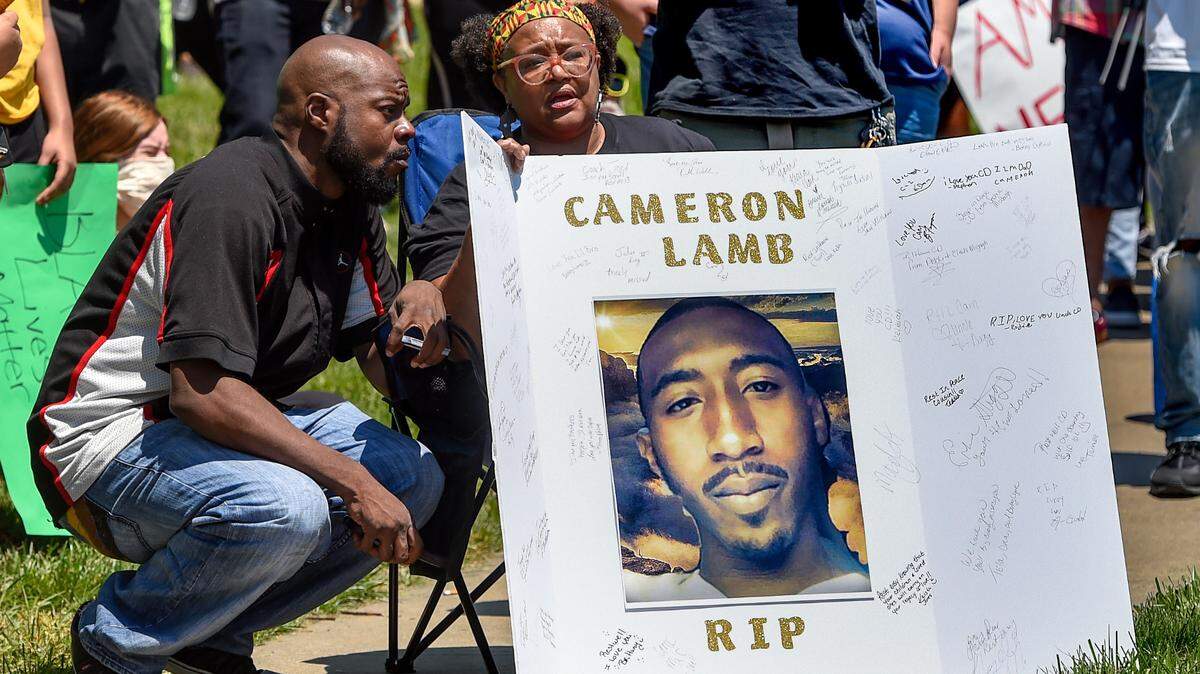
Eric DeValkenaere fatally shot Cameron Lamb, 26, on Dec. 3, 2019. The police detective was charged with involuntary manslaughter and armed criminal action. He was the first white Kansas City police officer in 80 years to face a criminal trial in the shooting death of a Black man. A bench trial began Nov. 8, 2021, before Jackson County Judge J. Dale Youngs, who will deliver his verdict on Nov. 19.
Expand All
On the second day of the trial of a Kansas City officer who fatally shot Cameron Lamb as he sat in a pickup truck in his own back yard, Jackson County prosecutors called several witnesses who supported their allegations of planted evidence.
Eric J. DeValkenaere, 43, was indicted by a Jackson County grand jury for first-degree involuntary manslaughter and armed criminal action in the Dec. 3, 2019 killing.
Prosecutors said there was no evidence that anyone had dialed 911, that anyone was hurt or that a crime had even taken place when DeValkenaere and another detective arrived at Lamb’s home in the 4100 block of College Avenue.
Lamb, 26, was shot after officers investigating a crash reported a red pickup chasing a purple Ford Mustang. Officers in a police helicopter spotted the truck driven by Lamb and followed the vehicle.
DeValkenaere said that he fired after Lamb pointed a gun at another detective, Troy Schwalm. Police investigating the shooting found Lamb inside the vehicle with his left arm and head hanging out of the driver’s side window. On the ground near his left hand was a handgun, according to police.
On Tuesday, crime scene technicians said they conducted a “cursory” examination of the body at the scene, but did not find two bullets in Lamb’s until after his body was taken later to the Jackson County Medical Examiner’s office.
Assistant prosecutor Tim Dollar showed several crime scene photos of the various items that investigators removed from Lamb’s pants pocket that included a cigarette lighter, a set of keys, a pair of tweezers, a small metal wrench and cash.
Dollar noted that items “as small and thin as a penny” were removed from Lamb’s pockets.
At one point, Presiding Judge J. Dale Youngs asked one technician if Lamb was still inside the pickup truck when they examined the contents in his pockets. The technician said Lamb was removed from the vehicle and laid on the ground before the items were removed.
Earlier in the day, defense attorneys showed several videos of Lamb at a warehouse job packing paper products, working on vehicles and firing a weapon into the air during a New Year’s Eve celebration. The video also showed multiple rounds of ammunition strewn across a bed.
Roberta Merritt, who lived with Lamb and his girlfriend, testified that a gun found by investigators near Lamb’s body was previously kept on the third stair from the bottom of a stairway that led to the basement, near the garage.
However, defense attorney Molly Hastings told Merritt that she never shared that critical information with investigators on the numerous times she was questioned about the shooting.
During a terse exchange, Merritt indicated that she was being truthful.
“As time went on, it took a minute for things to really register because there was so much else going on,” she said.
Hastings told Merritt that she changed her story about the gun after she spoke with civil investigators and prosecutors, most notably as the criminal case moved closer to trial.
“There was no logical reason but for lawyers, lawsuits and indictment that your story would change at this particular time, under this spotlight,” Hastings said.
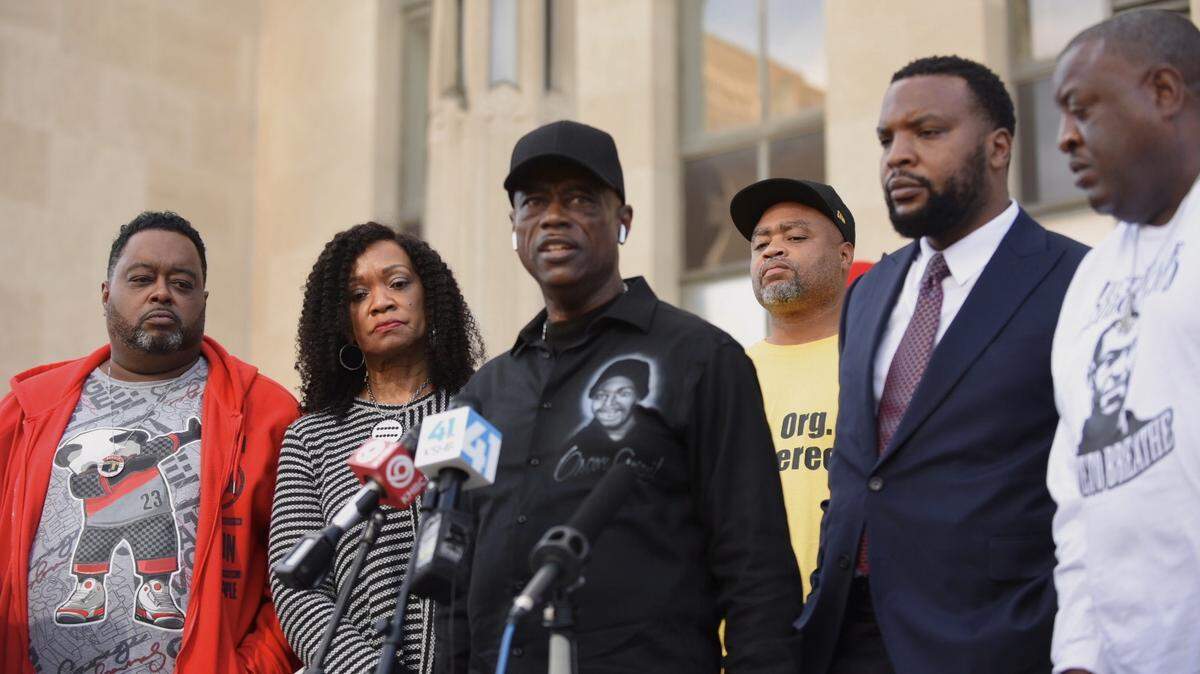
Before prosecutors rested their case, Laurie Bey, Lamb’s mother, was called to the witness stand where she identified several photos of her with her son and with Lamb’s children.
Defense attorneys took aggressive steps to push back at the allegations leveled by prosecutors that police staged a crime scene and even planted evidence.
Several police officers testified that they saw a handgun on the ground when they arrived at the residence shortly after the shooting.
Sgt. Eurik K. Hunt testified that he saw the firearm before he entered the garage. But under cross examination, Hunt admitted that he saw the gun as he entered the garage.
Prosecutors showed video from a police dashboard camera where officers waited 14 minutes before they allowed an EMS crew into the garage to check on Lamb’s condition after the shooting. By then, Lamb was already pronounced dead by a police medic.
Capt. William R. Hewitt, one of the tactical response officers who arrived at the scene, said they wanted to make sure that no one else was inside the residence before paramedics were allowed to go inside.
When asked if he denied Lamb medical attention, Hewitt replied: “no.”
Prosecutors have described DeValkenaere’s conduct during the shooting as “reckless” and violated the Fourth Amendment, which prohibits unreasonable searches and seizures.
They alleged the detectives, who were in plainclothes, did not ask for permission to walk onto the property and did not have a warrant.
The criminal bench trial which is expected to last a week, continues Wednesday morning.
This story was originally published November 9, 2021 at 8:34 PM.